SpaceX Keeps Florida's Space Coast Booming With Record Starlink Cadence and a Wall Street Milestone
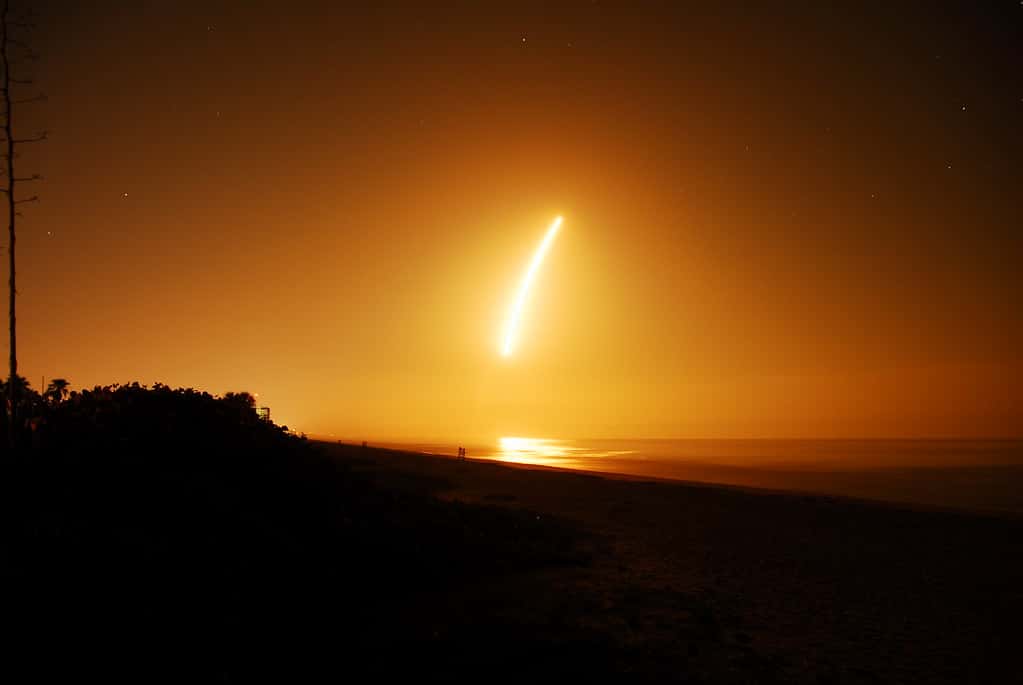
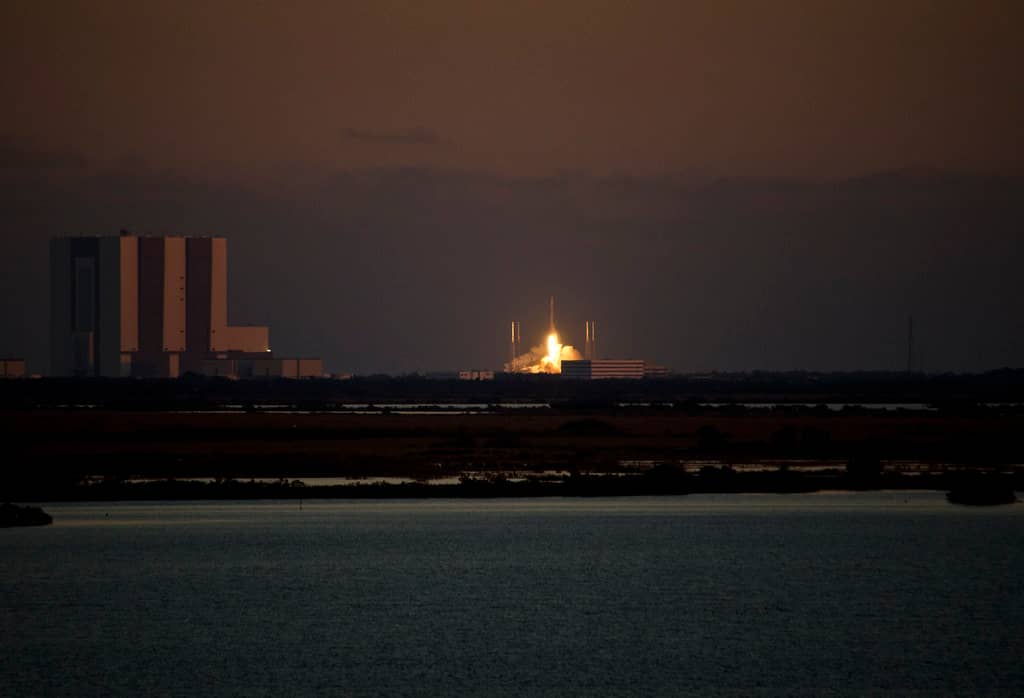
SpaceX is keeping Florida's Space Coast at the center of the global launch industry, sending Starlink missions skyward from Cape Canaveral at a relentless cadence that has redefined what is possible in spaceflight. In recent weeks the company launched a Falcon 9 whose first stage booster flew for a record 35th time, a milestone in rocket reusability, while continuing to expand its Starlink broadband constellation with mission after mission lifting off from Florida's Atlantic coast.
The pace of activity underscores how thoroughly SpaceX has transformed the economics and rhythm of launches from the Space Coast, a region whose fortunes are increasingly tied to the company's operations. As SpaceX reaches new technical milestones and a notable financial one, the ripple effects extend across Florida's aerospace workforce, its economy and its identity as America's gateway to space.
A record breaking launch cadence
SpaceX has maintained an extraordinary tempo of Starlink launches from Cape Canaveral Space Force Station, with Falcon 9 rockets repeatedly lifting batches of broadband satellites into low Earth orbit. The missions have become so routine that they form a near constant backdrop to life on the Space Coast, a frequency of launches that would have been unimaginable in earlier eras of spaceflight.
One recent mission stood out for a remarkable technical achievement: a Falcon 9 first stage booster completed its 35th flight, setting a record for reuse. Reusing rocket boosters, once considered impractical, has been central to SpaceX's strategy of driving down the cost of access to space, and reaching 35 flights on a single booster demonstrates how far the company has pushed the concept.
The Starlink missions launched from Florida add to a constellation of satellites that delivers internet service to users around the world. Each launch expands the network's capacity and reach, and the steady stream of deployments reflects the scale of the broadband system SpaceX is building. The Cape Canaveral pad has been a workhorse for these missions, anchoring the company's east coast launch operations.
A Wall Street milestone
Beyond the technical achievements, SpaceX reached a significant financial milestone, with reports that the company's stock began trading publicly on the Nasdaq for the first time. The move into public markets represents a major moment for a company that has reshaped the space industry, and it draws investor attention to a business whose operations are deeply rooted in Florida.
A public listing brings new scrutiny and new sources of capital, and for a company at the forefront of spaceflight, it marks a transition that could shape its future trajectory. The financial milestone, coming alongside the operational records, illustrates the scale and momentum of an enterprise that has become synonymous with the modern launch industry.
For Florida, the company's prominence matters because so much of SpaceX's launch activity originates from the Space Coast. The health and growth of the company are closely linked to the region's aerospace economy, making developments in the company's fortunes relevant to the workers and communities that support its operations in the state.
The Florida angle
Florida's Space Coast, centered on Brevard County, has experienced a launch boom driven in large part by SpaceX's frequent operations. The region's facilities at Cape Canaveral Space Force Station and the neighboring Kennedy Space Center support an intense schedule of launches, and the activity sustains a robust aerospace sector that employs thousands of Floridians.
The economic impact extends throughout the region. Aerospace jobs, supporting businesses, contractors and the tourism generated by launches all contribute to the Space Coast economy. The frequency of SpaceX launches has helped diversify Florida's economy beyond its traditional pillars, establishing the state as a leader in the commercial space era.
The launches also draw visitors and enthusiasts who gather to watch rockets lift off, adding a tourism dimension to the region's space industry. The Space Coast's identity is now inseparable from the steady cadence of launches, and SpaceX's operations are the largest single driver of that activity, reinforcing Florida's role at the heart of American spaceflight.
What it means for the region
For the Space Coast, SpaceX's relentless launch schedule means sustained activity and a stable foundation for the local aerospace workforce. The company's records in reusability translate into more frequent, lower cost launches, which in turn support a higher tempo of operations that keeps the region busy and its workers employed.
The growth of commercial spaceflight has positioned Florida to benefit from an industry in expansion. As demand for satellite launches, broadband infrastructure and other space services grows, the Space Coast stands to capture a significant share of that activity, building on the momentum SpaceX has helped generate.
For residents, the constant presence of launches has become a defining feature of life on the Space Coast, a reminder of the region's central role in space exploration and commerce. The combination of technical milestones and economic activity reinforces a sense that Florida is at the leading edge of a transformative industry.
The reusability revolution
The record of 35 flights on a single Falcon 9 booster represents the culmination of an effort that has fundamentally changed the economics of spaceflight. For most of the history of rocketry, boosters were used once and discarded, an enormously wasteful approach that kept the cost of reaching space prohibitively high. SpaceX pioneered the routine recovery and reuse of rocket boosters, landing them after launch and flying them again, sometimes within weeks.
Each additional flight on a booster spreads its manufacturing cost across more missions, driving down the per launch expense and enabling the high cadence that has become the company's hallmark. Reaching 35 flights on one booster demonstrates a level of reliability and refurbishment efficiency that once seemed unattainable, and it underpins the relentless schedule of Starlink and other launches from Florida and elsewhere.
The implications extend across the space industry. By lowering launch costs and increasing availability, reusability has enabled new categories of missions and made ambitious projects like the Starlink constellation feasible. The approach has reshaped expectations across the sector, and the Space Coast has been a primary beneficiary, hosting the frequent launches that the reusable system makes possible.
Starlink's reach and the satellite race
The Starlink missions launched from Cape Canaveral are building one of the largest satellite constellations ever assembled, a network designed to deliver broadband internet to users around the world, including in remote and underserved areas. Each launch adds capacity and coverage to the system, which has grown to encompass thousands of satellites in low Earth orbit, fundamentally expanding global connectivity.
The constellation has applications that extend beyond consumer internet, including connectivity for businesses, maritime and aviation users, and emergency response. For Florida, a state vulnerable to hurricanes that can knock out traditional communications infrastructure, resilient satellite based connectivity has potential relevance for disaster response and recovery, adding a practical dimension to the technology being launched from the state's shores.
The rapid expansion of satellite constellations has also drawn attention to questions about space traffic, orbital debris and the long term sustainability of low Earth orbit. As the number of satellites grows, managing the increasingly crowded orbital environment becomes more important, a challenge the industry and regulators continue to address. The launches from Cape Canaveral are at the center of this transformation of the space around Earth.
What's next
SpaceX shows no signs of slowing its launch cadence, with Starlink missions and other flights continuing to fill the schedule at Cape Canaveral. The company's pursuit of ever greater reusability and efficiency suggests that the pace of activity on the Space Coast will remain high, sustaining the region's aerospace boom.
The company's transition into public markets adds a new dimension to its story, one that investors and industry observers will watch closely. How that financial milestone shapes the company's plans and operations could have implications for the Space Coast, given how central Florida is to SpaceX's launch infrastructure.
For Florida, the continued growth of SpaceX and the broader commercial space industry represents an economic opportunity and a source of pride. The Space Coast remains America's busiest spaceport, and the records being set there, from booster reuse to launch frequency, keep Florida firmly at the center of the new space age.
The concentration of launch activity in Florida has also spurred broader development around the space industry, from research and education to supporting businesses and infrastructure. Universities, technical programs and companies have grown alongside the launch sector, creating a high technology ecosystem that strengthens the state's economy and provides career pathways for residents. The cadence of launches is the visible expression of a deeper industrial base taking root.
Competition and collaboration both shape the future of the Space Coast. While SpaceX dominates the launch schedule, other companies and government programs also operate from Florida, contributing to a diverse and active spaceport. This mix positions the region to benefit from the overall growth of the space economy rather than depending on any single operator, even as SpaceX's frequent launches set the pace.
As the industry continues to expand, Florida's challenge and opportunity lie in sustaining the infrastructure, workforce and investment that have made the Space Coast a global leader. The records being set, from booster reuse to launch frequency, reflect a region operating at the frontier of spaceflight. For Florida, the continued vitality of that frontier represents both economic strength and a source of pride, ensuring the state remains synonymous with America's reach into space.
Looking ahead, the trajectory of the Space Coast appears closely tied to the continued growth of commercial spaceflight and the ambitions of the companies driving it. As launch cadence climbs and new vehicles and missions enter service, the demands on Florida's spaceport infrastructure will grow, requiring ongoing investment and planning. The region's leaders and the industry alike have an interest in ensuring that the facilities, workforce and supporting systems keep pace with the expansion. If they succeed, the Space Coast stands to remain at the forefront of a transformative era in spaceflight, with SpaceX's record setting operations from Cape Canaveral serving as the most visible sign of an industry, and a region, on the rise.
Spotted an issue with this article?
Have something to say about this story?
Write a letter to the editor