SpaceX Keeps Florida's Space Coast Busy With Record Reflight and Wall Street Debut
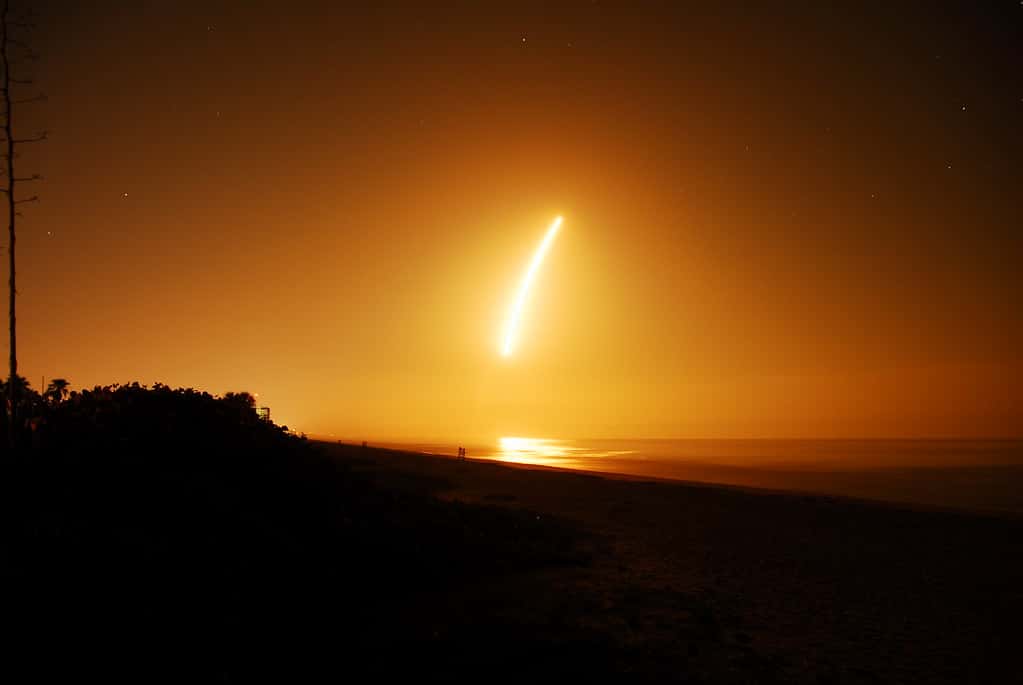
SpaceX kept up a heavy launch cadence from Florida's Space Coast in June 2026, flying one of its Falcon 9 boosters for a record 35th time and, according to reports, debuting on the Nasdaq stock market, twin milestones that underscored the central role Florida plays in the commercial space industry. For Brevard County and the Cape Canaveral region, the steady stream of launches translates into jobs, tourism, and a high-profile place at the heart of the nation's spaceflight ambitions.
The activity centered on a series of Starlink missions launched from Cape Canaveral, where SpaceX has built one of the busiest launch operations in the world. The combination of a record-setting booster reflight and a reported Wall Street debut put the Space Coast in the spotlight during a stretch of frequent launches.
Florida's Space Coast, encompassing Brevard County and the Cape Canaveral and Kennedy Space Center region, has long been synonymous with American spaceflight. The June 2026 launches reinforced that identity, with SpaceX's pace of operations driving economic activity and public attention to the region.
A busy stretch of Starlink launches
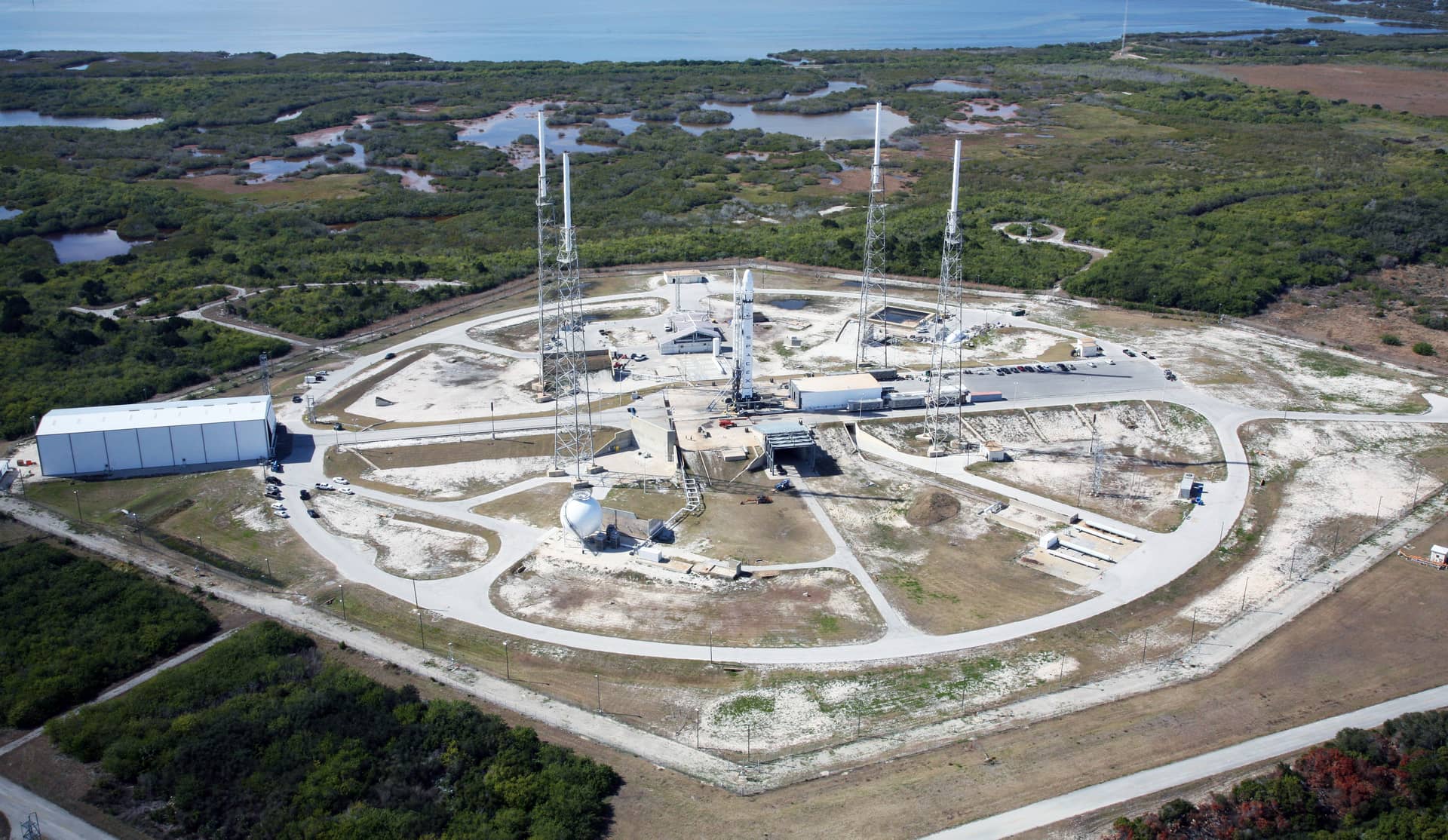
The month opened with a Falcon 9 launch carrying the Starlink 10-43 mission. The rocket lifted off from Space Launch Complex 40 at Cape Canaveral Space Force Station on June 4, 2026, after a scrub the previous day, June 3, due to weather.
Weather scrubs are a routine part of launch operations along the Space Coast, where conditions over the Atlantic can delay liftoffs until a suitable window opens. The June 3 scrub and subsequent June 4 success illustrated the careful timing that governs each mission.
The Starlink program, which deploys satellites to provide internet service, has been a steady driver of SpaceX's launch cadence. Each Starlink mission adds satellites to the constellation, and the frequency of these launches has made them a regular feature of activity at Cape Canaveral.
For the Space Coast, each launch represents not just a technical achievement but an economic event. Launches draw spectators, support jobs, and reinforce the region's standing as a hub for commercial spaceflight.
A booster's record 35th flight
On June 8, 2026, SpaceX achieved a notable milestone when a Falcon 9 carrying 29 Starlink satellites lifted off from Cape Canaveral with its first-stage booster flying for a record 35th time. The reflight underscored the reusability that has become central to SpaceX's approach.
Reusing first-stage boosters, which return to Earth and land after launch, has been a defining feature of SpaceX's operations. Each additional flight of a single booster pushes the limits of how many times the hardware can be refurbished and flown, and the 35th flight set a new high mark for the company.
The record reflight carried practical significance beyond the milestone itself. Reusability is intended to reduce the cost of access to space, and a booster reaching its 35th flight demonstrates the durability that makes frequent launches possible. The achievement reflected years of refining the recovery and refurbishment process.
For the Space Coast, the record flight added to the region's profile as the site of cutting-edge launch operations. The ability to fly the same booster repeatedly from Cape Canaveral has helped sustain the high cadence that keeps the area busy.
The 35th flight also illustrated how far the practice of booster reuse has progressed since its early days. What once was an experimental capability has matured into a routine part of operations, with individual boosters now flying dozens of times. Each new record extends the demonstrated lifespan of the hardware and reinforces the economics that make a high launch rate feasible.
A reported Wall Street debut
On June 12, 2026, a Falcon 9 launched the Starlink 10-54 mission, carrying 29 Starlink V2 Mini satellites, from Space Launch Complex 40. According to reports, that same day also marked SpaceX beginning to trade publicly on the Nasdaq for the first time.
A public debut on the Nasdaq, as described in reports, would represent a significant moment for a company that has been closely watched by investors and the public. Trading publicly would open the company to a new level of market scrutiny and would mark a milestone in its corporate history.
The coincidence of a launch and a reported market debut on the same day captured the dual identity of SpaceX as both an operator of rockets and a major commercial enterprise. While the launch added another Starlink mission to the company's record, the reported Nasdaq debut signaled a shift in how the company engages with financial markets.
Because the stock and market details come from reports rather than independently confirmed records here, they are attributed accordingly. What is clear is that the June 12 launch added to the steady cadence of missions flying from Florida's Space Coast.
The Starlink V2 Mini satellites carried on the June 12 mission represent a version of the spacecraft designed to expand the network's capacity. Each batch of satellites adds to the constellation that delivers internet service, and the steady stream of launches reflects the scale of the deployment under way. The 29 satellites lofted that day joined the growing fleet in orbit.
For the Space Coast, the convergence of an operational milestone and a reported corporate one on a single day illustrated how closely the company's launch activity and its broader business profile have become linked. The rockets lifting off from Cape Canaveral are the visible face of an enterprise whose financial standing, as described in reports, was entering a new phase.
The Space Coast economy
The frequency of launches has real consequences for Florida's economy. The Space Coast region, anchored by Brevard County and the Cape Canaveral and Kennedy Space Center area, depends heavily on the space industry for jobs and economic activity.
Each launch supports a network of workers, from engineers and technicians to support staff and contractors. A sustained launch cadence helps keep those positions filled and the local economy active, making the pace of operations a matter of economic as well as technical interest.
Tourism is another pillar. Launches draw visitors to the region to watch rockets lift off, supporting hotels, restaurants, and attractions. The spectacle of a launch, particularly milestone missions, brings spectators to the area and reinforces its identity as a destination for space enthusiasts.
The cumulative effect is a regional economy tightly bound to the rhythm of launches. When the cadence is high, as it was in June 2026, the benefits flow through the community, underscoring why the Space Coast pays close attention to each mission.
The presence of a major launch operation also shapes the region's longer-term development. Businesses that support the space industry, from suppliers to service providers, cluster around the activity at Cape Canaveral, building an ecosystem that extends well beyond the launches themselves. That ecosystem gives the Space Coast a degree of economic resilience tied to the steady flow of missions.
The relationship runs both ways. A sustained launch schedule attracts investment and talent to the region, while the workforce and infrastructure already in place make it easier to maintain a high cadence. That reinforcing dynamic has helped the Space Coast remain a center of gravity for the industry even as commercial spaceflight has expanded.
Florida's central role in commercial space
The June 2026 launches highlighted Florida's central position in the commercial space industry. Cape Canaveral Space Force Station, with facilities such as Space Launch Complex 40, has become one of the most active launch sites in the world.
Florida's geography makes it well suited for launches, with access to the Atlantic Ocean providing a path for rockets heading to orbit. That natural advantage, combined with decades of investment in launch infrastructure, has made the state a focal point for both government and commercial spaceflight.
The concentration of activity at Cape Canaveral has reinforced Florida's standing as a leader in the new era of commercial space. As private companies have taken on a larger share of launches, the Space Coast has remained at the center of that transformation.
For the state, the commercial space industry represents a growing sector tied to high-skilled jobs and national prominence. The frequent launches from Cape Canaveral keep Florida at the forefront of an industry that continues to expand.
A sustained launch cadence
The June 2026 missions were part of a broader pattern of frequent launches that has defined operations on the Space Coast. The succession of Starlink missions, including those on June 4, June 8, and June 12, illustrated the regularity with which rockets have been lifting off from Cape Canaveral.
Maintaining a high cadence requires coordination across launch operations, recovery, and refurbishment. The ability to fly missions in close succession, including reusing boosters for record numbers of flights, reflects the maturity of the systems that support the operation.
For observers, the steady drumbeat of launches has become a familiar feature of life on the Space Coast. Each mission adds to a tally that has grown rapidly, and the frequency shows how routine large-scale launch operations have become in Florida.
That routine, however, does not diminish the significance of milestones such as a booster's 35th flight. Even within a high cadence, individual achievements stand out, marking progress in the technology and operations that underpin the launches.
The economics behind reusable rockets
The record 35th flight of a single booster points to a shift that has reshaped the economics of spaceflight, with direct consequences for Florida's Space Coast. For most of the history of rocketry, launch vehicles were expendable, used once and then discarded, with each mission requiring an entirely new rocket. Recovering and reusing the first stage, the large and expensive lower section of the rocket, changes that equation by spreading the cost of the hardware across many flights rather than a single one.
Each additional flight of a booster, then, is not merely a technical milestone but an economic one. The more times a first stage can be refurbished and flown, the lower the effective cost of each launch becomes, which in turn makes it feasible to maintain the kind of high cadence seen from Cape Canaveral. A booster reaching its 35th flight demonstrates that the hardware can endure far more use than early reusable vehicles, reinforcing the cost structure that supports frequent launches.
For the Space Coast, that economic logic translates into a steady stream of activity. A launch model built on reusability supports a sustained schedule of missions, and a sustained schedule is what keeps the region's workforce, infrastructure, and tourism economy engaged. The reusability demonstrated by record-setting reflights is, in that sense, part of what underpins Florida's standing as a hub for high-frequency launch operations.
What's next
SpaceX's launch manifest from Florida points to continued activity in the months ahead. The Space Coast is expected to remain a hub of frequent launches, with additional missions adding to the cadence that defined June 2026.
The pace of Starlink launches, which has been a consistent driver of activity, is likely to continue contributing to the manifest. As the company deploys more satellites, additional missions from Cape Canaveral can be anticipated in general terms, sustaining the rhythm of operations.
The reported Nasdaq debut, if it marks a lasting shift, would add a new dimension to how the company is followed, even as its core launch operations continue from Florida. The interplay between its market presence and its launch cadence will be watched by investors and space enthusiasts alike.
For Florida's Space Coast, the outlook is one of continued prominence. With its infrastructure, geography, and established role in the industry, the region is positioned to remain central to the nation's commercial space efforts, with the economic and public attention that accompany a busy launch schedule.
Spotted an issue with this article?
Have something to say about this story?
Write a letter to the editor