Tampa General Hospital Hits 15,000 Organ Transplants, Joins Elite National Club
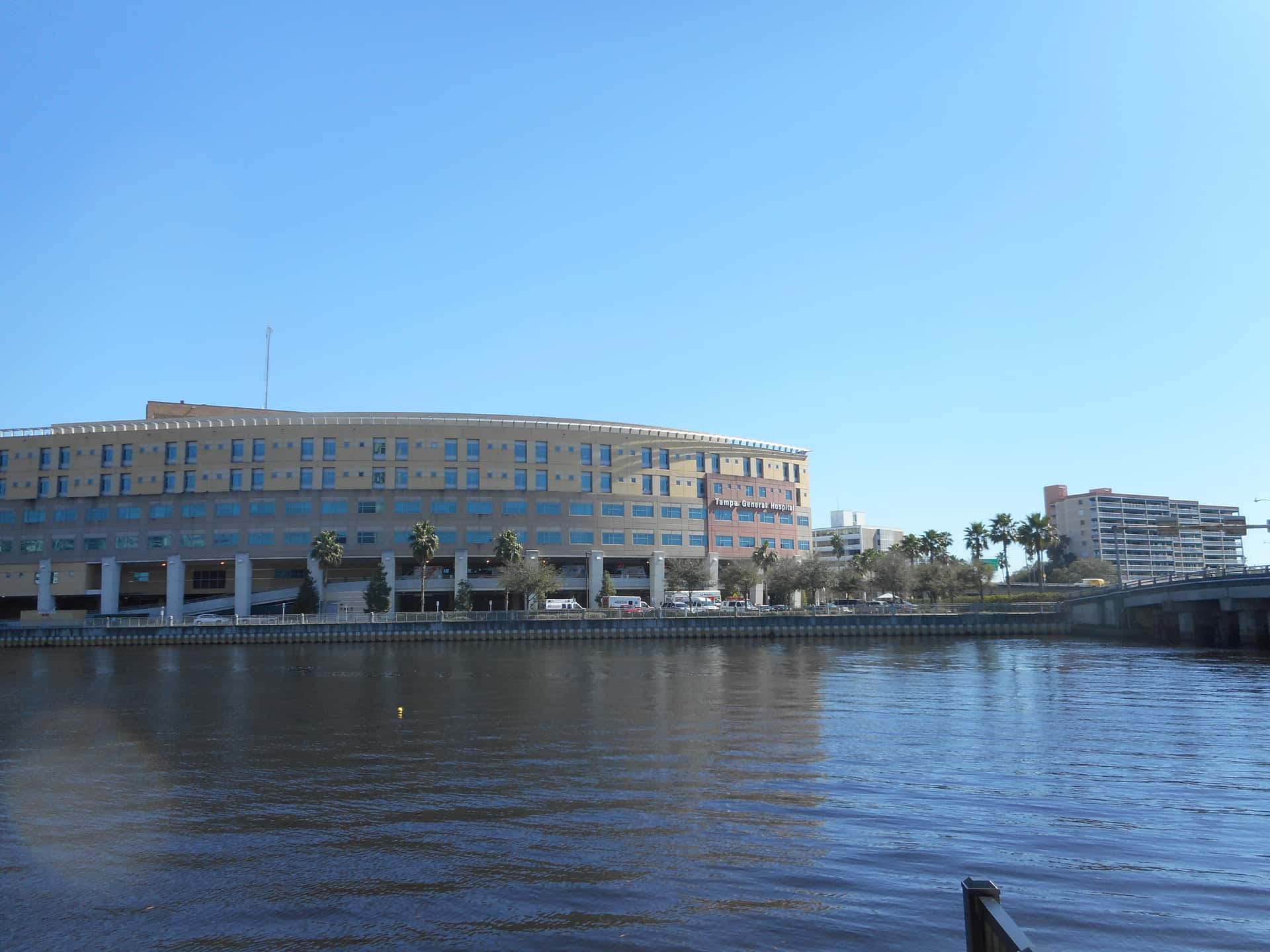
Tampa General Hospital crossed the 15,000-transplant threshold on May 7, joining a small cluster of medical centers worldwide that have performed organ transplantation at that scale. The Tampa Bay academic medical center announced the milestone alongside data showing it ranked among the top five transplant programs in the United States for the third consecutive year, a position that has steadily elevated Florida's profile as a national hub for advanced surgical care and that hospital officials say cements the institution's status as a destination program for patients across the Southeast and beyond.
What the hospital announced
According to a statement released by Tampa General Hospital, the 15,000th transplant procedure was completed during the first week of May at the institution's downtown campus on Davis Islands. The hospital identified the milestone as the cumulative total dating back to its first transplant program in 1974, when surgeons performed a kidney transplant on a patient transferred from a regional dialysis program. Since then, the medical center has expanded into liver, heart, lung, pancreas, intestine, and multi-organ procedures, building one of the few comprehensive solid-organ transplant programs in the Southeast and one of fewer than ten programs nationally to surpass the 15,000-procedure threshold.
The hospital said the 15,000 figure represents a combination of all solid-organ procedures across its programs, with kidney transplants accounting for the largest share by volume. Liver transplants, which the hospital began performing in the early 1990s, now make up a significant portion of annual case volume. Tampa General also said its outcomes data, as reported to the federal Organ Procurement and Transplantation Network, places several of its programs above the national average for one-year patient and graft survival, an industry standard that hospital administrators closely watch because it directly informs payer contracting, accreditation, and patient referral decisions.
Hospital officials framed the milestone as a reflection of long-term investment in surgical infrastructure, intensive care capacity, and post-transplant follow-up services. The institution operates a dedicated transplant tower, partners with the University of South Florida's Morsani College of Medicine for fellowship training, and runs one of the busiest organ-procurement coordination operations in the region. The hospital also said it has invested in extending hours for outpatient transplant clinics to accommodate patients traveling from rural Florida counties who often face long drives to reach Tampa.
2025 volume and national ranking
Tampa General completed 895 transplants in calendar year 2025, a figure the hospital described as the highest annual total in its history. That volume placed the program among the top five in the United States by total transplants, according to data the hospital cited from the Scientific Registry of Transplant Recipients. The hospital said it has held a top-five national ranking for three consecutive years, a stretch that includes the recovery period following the disruption transplant programs experienced during the pandemic, when many centers saw waiting-list growth outpace surgical capacity.
By organ category, Tampa General reported that its adult liver program ranked first nationally by volume in 2025. The kidney program ranked among the top ten, and the lung program, which has expanded substantially over the past five years, also recorded record annual volume. The hospital said its heart program maintained its standing as one of the leading adult heart transplant programs in the Southeast, with steady annual case counts that hospital officials say reflect both donor availability and the institution's investment in mechanical circulatory support as a bridge to transplant.
The volume growth comes during a period of national expansion in transplant activity. The federal transplant network reported that the United States completed more than 48,000 transplants in 2025, a record year nationally driven by gains in donor recovery, machine perfusion technology, and the use of organs from donors who would previously have been considered ineligible. Tampa General has been an early adopter of normothermic machine perfusion devices, which keep donor livers and hearts functioning outside the body during transport and assessment, and the institution said its early adoption helped it accept and successfully transplant organs that other centers might have declined.
What it means for Florida patients
For Florida patients on transplant waiting lists, Tampa General's volume has direct practical consequences. Higher-volume centers typically accept patients with more complex medical profiles, including older recipients and those with multiple comorbidities, expanding access for Floridians who might otherwise be turned away from smaller programs. Hospital officials said the program has reduced average wait times for several organ categories compared with state and national medians, particularly for liver candidates whose disease severity scores might place them lower on the priority list at less aggressive centers.
Florida ranks among the top three states by organ transplant need, driven by an older population, a large pool of patients with end-stage kidney disease, and elevated rates of liver disease tied to hepatitis C and fatty liver disease. The state's transplant centers, which include large programs at Mayo Clinic in Jacksonville, Jackson Memorial in Miami, and AdventHealth in Orlando, have collectively expanded capacity over the past decade in response to growing demand. Even with that expansion, the state's transplant centers report that demand continues to outpace donor supply for most organ categories, leaving waiting lists in the thousands.
Tampa Bay residents have benefited from proximity to a high-volume center for both initial evaluation and lifetime post-transplant care, which typically requires monthly visits during the first year and continued follow-up for the rest of a patient's life. The hospital said it currently follows roughly 6,000 living transplant recipients across Florida and neighboring states, many of whom received their organs decades ago and remain in active surveillance for late rejection, recurrent disease, and the long-term complications of immunosuppression that can include diabetes, kidney injury, and certain cancers.
The economics of transplant medicine
Transplant programs are among the most resource-intensive services in modern hospitals, requiring specialized surgical teams, intensive care units, immunosuppression management, and round-the-clock organ recovery operations. A single liver transplant can cost more than $800,000 over the first year, according to actuarial data from Milliman, with kidney transplants averaging roughly $440,000 over the same period. The procedures are largely covered by Medicare for kidney recipients and by private insurance and Medicaid for other organs, with most transplant centers maintaining specialized financial counseling teams to help patients navigate prior authorization and coverage questions.
For hospital operators, transplant volume drives a halo effect across the broader medical center, attracting referrals for related specialties such as hepatology, nephrology, cardiology, and pulmonology. Tampa General said its transplant operation supports more than 1,500 hospital jobs directly and indirectly, including surgeons, transplant coordinators, social workers, financial counselors, and pharmacists who specialize in immunosuppression management. The program also supports a network of community physicians across Florida who provide ongoing care for transplant recipients between visits to Tampa.
The economic footprint extends beyond the hospital walls. Patients traveling to Tampa for evaluation, surgery, and post-operative care frequently stay for extended periods, occupying lodging and contributing to local commerce. Tampa General partners with several extended-stay properties and a patient-housing program operated by the hospital's foundation to accommodate out-of-area recipients during the critical early weeks after transplant, when daily clinic visits are common. The hospital said the broader transplant ecosystem contributes meaningfully to Tampa Bay's identity as a medical destination, attracting employer relocations and biomedical research investment alongside direct patient revenue.
How Tampa General compares with peer programs
The hospital's national positioning places it alongside transplant powerhouses including the Cleveland Clinic, the Mayo Clinic, and the University of California, San Francisco. Each of those programs has crossed similar lifetime milestones, with Cleveland Clinic having reported its own transplant totals in the same general range. Tampa General's distinction lies in the speed at which it has expanded, with roughly one-third of its lifetime transplants completed in the past five years alone, a rate that hospital officials attribute to early adoption of perfusion technology and a willingness to consider organ offers that other programs declined.
Within Florida, Mayo Clinic Jacksonville and Jackson Memorial Hospital in Miami also operate large, comprehensive transplant programs. Mayo's Florida campus has been particularly active in liver and kidney transplants, while Jackson Memorial maintains one of the longest-running adult and pediatric transplant programs in the Southeast. Tampa General's recent growth has placed it ahead of both centers in several organ categories by annual volume, although outcomes data across the three programs remains broadly comparable and Florida patients often consult more than one program before selecting a transplant center.
National transplant policy is also shifting in ways that favor higher-volume centers. Federal rule changes implemented over the past several years have moved organ allocation toward broader geographic sharing, which has tended to benefit larger programs with the infrastructure to accept organs flown in from distant donor hospitals. Tampa General said it has built capacity to evaluate and accept organs from across the federal allocation regions, including donor offers from outside Florida, and the hospital has invested in dedicated logistics staff who coordinate organ transport on chartered flights and ground transportation around the clock.
Technology and surgical innovation
The hospital attributed a meaningful share of its volume growth to adoption of new organ-preservation technologies, particularly normothermic machine perfusion. The devices, manufactured by companies including OrganOx and TransMedics, allow donor livers and hearts to remain metabolically active during transport, giving surgical teams additional time to evaluate organ function and improving the viability of organs from donors who died of circulatory rather than brain death. Florida has been a leading state in the adoption of donation after circulatory death protocols, which have expanded the donor pool nationally and which Tampa General has used to support a meaningful increase in liver and heart procedures.
Tampa General also performs a meaningful volume of living-donor liver and kidney transplants, procedures that allow patients to receive organs from healthy donors without waiting on deceased-donor lists. The hospital has invested in robotic surgical platforms used for living-donor nephrectomies, which can reduce donor recovery times and shorten hospital stays. The program said living-donor volume has grown steadily and now accounts for a meaningful share of total kidney transplants, with most living donors returning to work within a few weeks of surgery.
The medical center has also expanded its multi-organ transplant capabilities, including combined heart-kidney and liver-kidney procedures. These complex cases require coordination across multiple surgical teams and intensive care units, and they are typically performed only at the highest-volume programs. Tampa General said its multi-organ volume has grown in line with national trends as transplant medicine increasingly addresses patients with failure in multiple organ systems, often after years of cardiac or hepatic disease that have damaged secondary organs.
What's next for the program
Hospital officials said the next phase of expansion will focus on continued growth in lung, heart, and multi-organ transplantation, alongside an expansion of clinical trial activity in transplant immunology. Tampa General is participating in several industry-sponsored trials evaluating new immunosuppression regimens designed to reduce long-term organ rejection while minimizing the side effects of lifelong anti-rejection medications, a research priority that transplant physicians say could fundamentally change long-term outcomes for recipients living decades after surgery.
The hospital is also investing in artificial intelligence tools designed to improve organ-acceptance decisions, predict post-transplant complications, and optimize donor-recipient matching. The technologies are being developed in partnership with engineering faculty at the University of South Florida and with industry partners. Hospital leadership said the technology investments are intended to support continued volume growth without compromising the survival outcomes that have defined the program's national standing, and that the same tools may eventually be shared with smaller transplant centers across the state.
For Florida residents, the milestone signals continued availability of advanced transplant services within the state, reducing the need for patients to travel to out-of-state centers for evaluation and surgery. Tampa General said its outreach programs work with community hospitals and primary care providers across the Florida peninsula to identify potential transplant candidates earlier in the course of organ failure, when surgical outcomes are typically more favorable. Tampa Bay's emergence as a transplant destination, hospital officials said, is now firmly established for the long term, with capacity expansion plans expected to extend the trajectory into the next decade and beyond.
Spotted an issue with this article?
Have something to say about this story?
Write us a letterComments
No comments yet. Be the first to weigh in.
Related Coverage

DeSantis Says Florida Has Cut 220 Medicaid Providers and Sent 150 Fraud Referrals as Crackdown Expands
1d ago

Tampa General takes over DeSoto County's only hospital, renaming it TGH DeSoto
3d ago

Florida on pace for record child drownings as families seek swim lessons
6d ago
Florida Attorney General James Uthmeier Sues Pfizer and CEO Albert Bourla Over COVID-19 Vaccine Claims
Oct 2