World Cup Fever Hits Miami as Hard Rock Stadium Prepares to Host Knockout Matches Including Argentina
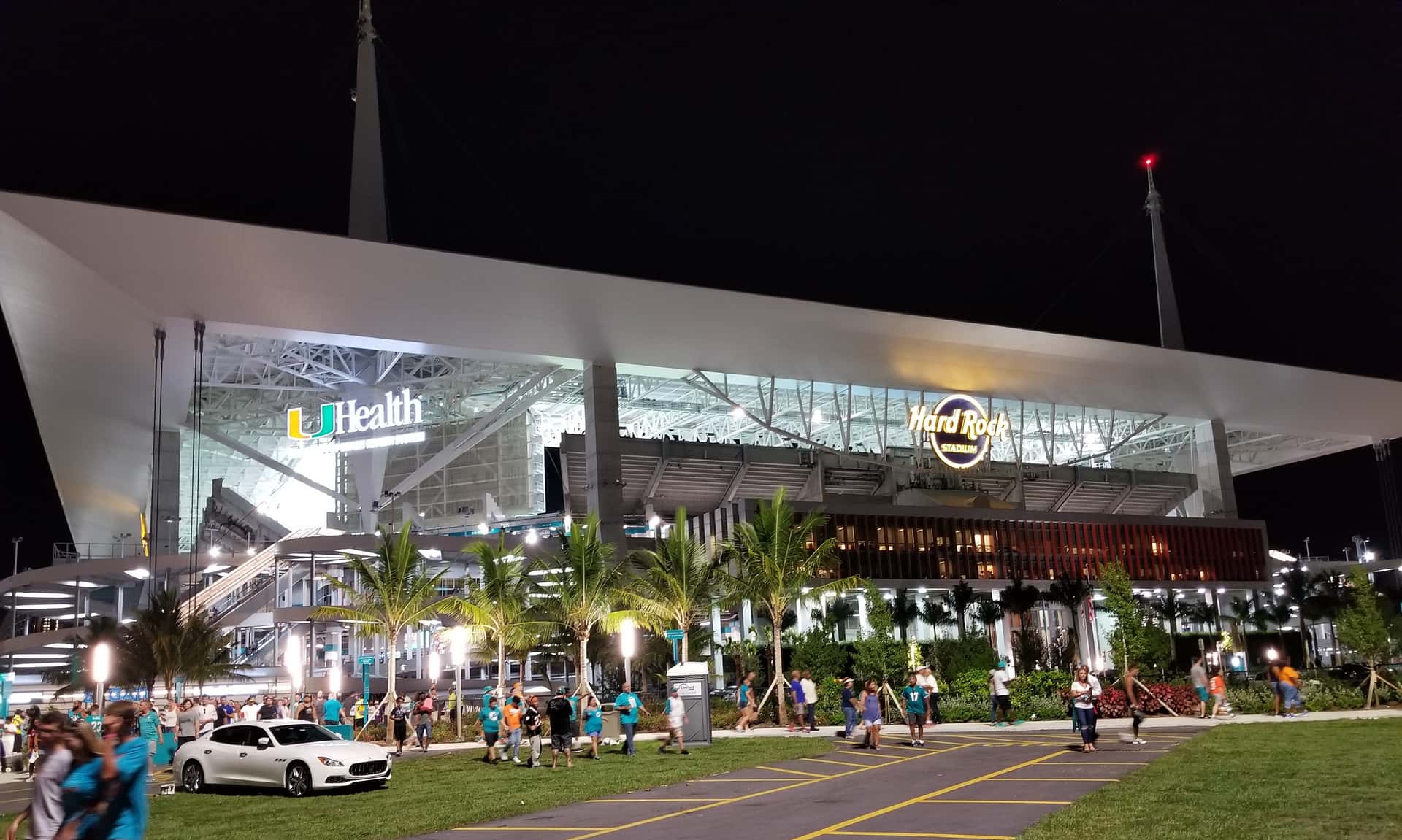
The 2026 World Cup has brought global soccer to South Florida, and Miami is at the center of the action as Hard Rock Stadium prepares to host a slate of knockout-round matches that will draw enormous crowds and worldwide attention. Among the headline fixtures is a Round of 32 match featuring Argentina, the reigning power of international soccer, scheduled for July 3, as the tournament moves into its decisive stages.
For Miami, hosting World Cup matches represents a milestone, placing the city on the biggest stage in global sport. The expanded tournament, co-hosted across the United States, Mexico, and Canada, has spread matches to venues throughout North America, and Hard Rock Stadium in Miami Gardens has secured a prominent role with multiple high-profile games.
Miami's World Cup slate
Hard Rock Stadium is set to host seven matches across the tournament, a mix of group-stage fixtures and knockout-round games. Among the most anticipated is a Round of 32 match on July 3 featuring Argentina, a marquee draw given the team's status and its connection to South Florida through Inter Miami's Lionel Messi.
The venue's knockout schedule also includes a semifinal on July 11 and the bronze final, the third-place match, on July 18. Hosting a semifinal places Miami among the elite venues of the tournament, reserved for the latter stages when the field has narrowed to the world's best teams and global interest peaks.
The specific teams for several of the knockout matches will be determined as the group stage concludes and the bracket takes shape. That uncertainty is part of the drama of the tournament's structure, as nations battle through group play to earn their places in the knockout rounds and their shots at the venues hosting them.
The Argentina connection
The Round of 32 match featuring Argentina carries special resonance in Miami, home to Inter Miami and its global superstar Lionel Messi. Messi, who joined Inter Miami and led the club to an MLS Cup title, made Argentina's roster for the World Cup alongside Inter Miami teammate Rodrigo De Paul, linking the host city to the tournament's most followed national team.
South Florida's deep ties to Latin America and its passionate soccer culture make it fertile ground for World Cup enthusiasm, and an Argentina match in Miami taps directly into that energy. The region's large Argentine and broader Latin American communities give the fixture a hometown feel that few other venues could match.
While the World Cup pauses club play, with MLS going dark during the tournament, the connection between Inter Miami's stars and the national teams competing keeps local fans invested. For supporters who have flocked to see Messi in the MLS, the chance to watch him on the World Cup stage in their own backyard is a rare convergence.
The Florida context
The World Cup's arrival in Miami is a major event for Florida's tourism and hospitality industries. Hosting matches, particularly knockout games and a semifinal, brings an influx of visitors from around the world, filling hotels, restaurants, and attractions across South Florida during the height of summer.
The economic impact extends well beyond the stadium. Fans traveling to attend matches spend on lodging, dining, transportation, and entertainment, and the global broadcast exposure showcases Miami to an international audience of hundreds of millions. For a region whose economy leans heavily on tourism, the tournament offers a significant boost and a marketing opportunity of unmatched scale.
Hosting also presents logistical challenges, from security and transportation to managing the crowds that accompany matches of this magnitude. Local and state officials have worked alongside tournament organizers to prepare the region for the demands of one of the world's largest sporting events.
A stadium in the spotlight
Hard Rock Stadium, the home of the Miami Dolphins and host to a range of major events, is no stranger to the spotlight. The venue has hosted Super Bowls, college football championships, the Miami Open tennis tournament, and Formula 1 racing, building a reputation as one of the premier event facilities in the country.
Its selection for multiple World Cup matches, including a semifinal, reflects that standing. The stadium's capacity, infrastructure, and experience hosting global events made it a natural choice for the expanded tournament, and the World Cup adds another marquee chapter to its history.
For the venue and the region, the tournament is a chance to demonstrate the ability to stage events at the very highest level. Success in hosting World Cup matches could strengthen South Florida's case for future major events, reinforcing Miami's emergence as a global sports destination.
A legacy beyond the tournament
Hosting World Cup matches can leave a lasting legacy for a region that extends beyond the tournament itself. The global exposure, the investment in preparation, and the experience of staging matches at the highest level can strengthen a city's standing as a destination for major events and elevate the profile of its sports culture.
For Miami, the World Cup builds on a growing portfolio of marquee events and a rising soccer scene, potentially cementing the region's position in the international sports landscape. The connections forged and the infrastructure tested during the tournament can pay dividends in attracting future events and sustaining the momentum the sport has gained locally.
The tournament also offers an opportunity to inspire a new generation of fans and players in the region, deepening the roots that soccer has already established in South Florida. The legacy of hosting, measured in both tangible and intangible terms, can outlast the final whistle, shaping the region's sporting identity for years to come.
What it means for Floridians
For soccer fans across Florida, the World Cup coming to Miami is a once-in-a-generation opportunity to experience the sport's premier tournament close to home. The matches at Hard Rock Stadium, especially the Argentina fixture and the semifinal, offer the chance to witness world-class soccer without leaving the state.
For the broader public, the tournament transforms South Florida into a hub of international celebration, with fans from around the globe converging on the region. The atmosphere surrounding World Cup matches, from watch parties to fan festivals, extends the excitement well beyond ticket holders to communities throughout the area.
Economically, the influx of visitors and the global attention benefit the many Floridians who work in tourism and hospitality. The World Cup is both a sporting spectacle and an economic event, and its presence in Miami touches the region in ways that reach far beyond the field.
An expanded tournament across North America
The 2026 World Cup is the largest in the tournament's history, expanded to feature more teams than ever and co-hosted across three countries: the United States, Mexico, and Canada. The expansion has spread matches across numerous host cities, creating a continent-wide festival of soccer that brings the sport's premier event to North America on an unprecedented scale.
Miami's role as a host city places it among a select group of venues chosen to stage matches, including the high-stakes knockout games and a semifinal at Hard Rock Stadium. The distribution of matches across the continent means that different regions experience the tournament in different ways, with each host city becoming a focal point during its assigned fixtures.
The expanded format and multi-country hosting present both opportunities and logistical challenges. Coordinating a tournament of this size across three nations requires extensive planning around travel, security, and infrastructure, with each host city contributing to the larger operation. Miami's experience hosting major events positions it well for the demands of its role.
For North American soccer, the tournament represents a landmark moment, an opportunity to showcase the sport's growth on the continent and to inspire a new generation of fans and players. Miami, with its deep soccer culture and international character, embodies the appeal that made the region a fitting host for the global game's biggest stage.
Soccer's rising profile in South Florida
The World Cup's arrival in Miami coincides with a period of growing prominence for soccer in South Florida. The presence of Inter Miami and its global superstar has elevated the sport's profile in the region, drawing crowds and attention and reinforcing South Florida's status as a soccer stronghold.
The region's demographics, with deep ties to Latin America and the Caribbean, provide a passionate built-in audience for the sport. Soccer holds a central place in the cultures of many South Florida communities, and the World Cup taps directly into that enthusiasm, transforming the region into a hub of tournament fervor.
The combination of a major professional club, a host role in the World Cup, and a fervent fan base reflects soccer's ascent in a market that has historically been dominated by other sports. The tournament offers a chance to cement that progress, exposing the sport to even broader audiences and building on the momentum that Inter Miami has generated.
For local businesses, the convergence of the World Cup with South Florida's soccer culture promises a surge of activity, from watch parties and fan events to the influx of visitors drawn by the matches. The tournament is poised to be both a sporting and a cultural milestone for a region where soccer's popularity continues to climb.
What's next
As the group stage concludes, the bracket will fill in and the specific matchups for Miami's knockout games will come into focus. The Round of 32 fixture on July 3, the semifinal on July 11, and the bronze final on July 18 will draw the eyes of the soccer world to Hard Rock Stadium.
For Miami, the coming weeks represent the culmination of extensive preparation and the realization of a hosting role on the global stage. With marquee matches ahead and a passionate local fan base ready to embrace the moment, South Florida is poised to play a memorable part in the 2026 World Cup.
Spotted an issue with this article?
Have something to say about this story?
Write a letter to the editor