Blue Origin New Glenn Rocket Explodes in Static Fire Test at Cape Canaveral
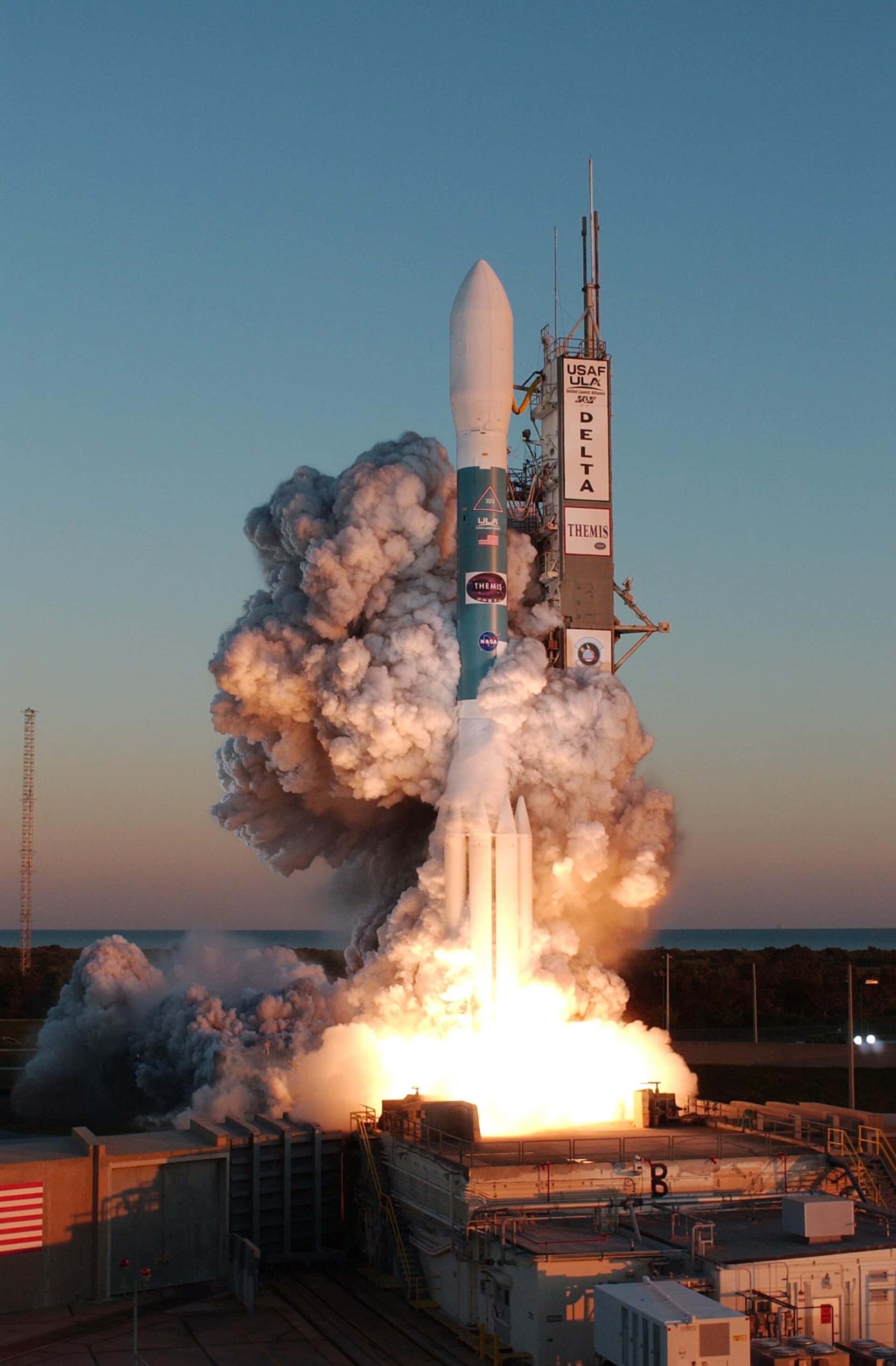
A Blue Origin New Glenn rocket exploded during a ground test at Cape Canaveral, sending a massive fireball over Launch Complex 36 in one of the most significant pad accidents on Florida's Space Coast in years. The blast occurred late in the evening during a static fire test of the rocket's first stage, as its seven main engines ignited. Blue Origin and the Space Force confirmed there were no injuries, with all personnel accounted for, but the rocket was destroyed and the company faces an extended investigation and pad repairs.
What happened
The explosion occurred around 9 p.m. local time during a static fire test, a common prelaunch procedure in which a rocket's engines are ignited while the vehicle remains clamped to the pad. Videos of the incident showed a giant fireball enveloping the pad just after the first stage's seven engines fired.
The rocket was being prepared for an upcoming mission, and the static fire was intended to validate the vehicle and its engines ahead of launch. Instead, the test ended in a catastrophic failure that destroyed the rocket and damaged the launch complex.
The Federal Aviation Administration confirmed that the New Glenn vehicle experienced an anomaly during the test. The cause was not immediately known, and the company said it was already working to determine what went wrong.
Static fire tests are designed to catch problems before launch, holding the rocket in place while its engines are run. The fact that the failure occurred during this ground test, rather than in flight, kept the incident contained to the pad area, though the destruction was severe.
No injuries reported
Despite the scale of the explosion, both Blue Origin and the Space Force's launch unit confirmed that there were no injuries. All personnel were accounted for and safe, a critical outcome given the intensity of the blast and the fireball that was visible from a considerable distance.
Static fire tests are conducted with safety protocols that keep personnel clear of the immediate hazard area, which likely contributed to the absence of injuries. The pad itself, however, bore the brunt of the explosion and the resulting fire.
The confirmation that no one was hurt allowed attention to turn quickly to the investigation and the assessment of damage. The human safety outcome stood as the most important result amid an otherwise serious setback for the company.
The safety protocols that govern such tests exist precisely because of the energetic and hazardous nature of rocket propulsion. In this case, those precautions ensured that a dramatic and destructive failure did not result in harm to the people involved.
A grounded program
Blue Origin had been preparing for its next New Glenn launch in early June, but the vehicle is now grounded for an extended period. The company faces the dual task of investigating the cause of the explosion and repairing the damage to the launch pad before flights can resume.
Pad damage from such explosions can take months to repair, and the investigation into the root cause adds further delay. The setback disrupts the program's momentum at a time when the company has been working to establish New Glenn as a competitor in the heavy-lift launch market.
The grounding affects the cadence Blue Origin had hoped to build, pushing back planned missions and the timeline for the rocket's operational ramp-up. The company will need to demonstrate that it has identified and addressed the failure before returning to flight.
For a program working to ramp up its flight rate and compete for commercial and government launches, the timing of the setback is difficult. Each delay affects the schedule of payloads waiting to fly and the company's efforts to gain a larger foothold in the launch market.
The worst Cape accident in years
The explosion ranks as the most significant pad accident at Cape Canaveral since a SpaceX Falcon 9 exploded during preparations for a static fire test in 2016. That earlier incident caused substantial damage to its pad, which did not return to service for more than a year.
The comparison highlights the potential timeline for recovery, as rebuilding and recertifying a launch complex after a major explosion is a lengthy process. The 2016 precedent suggests Blue Origin could face a substantial gap before Launch Complex 36 is operational again.
Such accidents, while rare, are a reminder of the inherent risks of rocket testing and launch operations. The energetic nature of rocket propulsion means that failures can be dramatic and destructive, even during ground tests.
The history of spaceflight is marked by such setbacks, and even successful programs have endured explosions and failures along the way. How a company responds, by identifying the cause and returning to flight, often defines the long-term trajectory of its program.
The Florida context
Florida's Space Coast is the heart of American spaceflight, home to Cape Canaveral and the Kennedy Space Center, and the region's economy and identity are deeply tied to the launch industry. An explosion of this magnitude reverberates across a community built around access to space.
The Space Coast hosts a growing roster of launch providers, with SpaceX, Blue Origin, United Launch Alliance and others operating from the area. The cadence of launches has made the region one of the busiest spaceports in the world, supporting thousands of jobs.
A setback for one provider affects the broader ecosystem of contractors, suppliers and workers in the region. The incident underscores both the dynamism and the risks of the industry that anchors Brevard County and the surrounding area.
The region has grown into a commercial spaceflight hub, with multiple companies launching from its pads and a workforce that supports the industry. The health and growth of that industry are central to the economy of Florida's Space Coast.
What it means for the Space Coast
For the Space Coast, the explosion is a stark reminder of the high stakes of the launch business that drives the local economy. The region has weathered setbacks before and has continued to grow as a launch hub, but each major incident carries economic and reputational weight.
The grounding of New Glenn temporarily removes one of the region's launch providers from the schedule, though the area's busy cadence is sustained by other operators. The diversity of providers on the Space Coast provides some insulation against any single program's troubles.
Workers and businesses tied to Blue Origin's operations will be watching the investigation and recovery closely, as the timeline for returning to flight affects the local workforce and the supply chain. The region's long-term trajectory remains tied to the overall expansion of the launch industry.
The continued activity of other launch providers means the Space Coast remains busy even as Blue Origin works to recover. The region's status as a leading spaceport is built on the collective activity of multiple companies operating from its pads.
A competitive launch landscape
The setback comes as Blue Origin works to carve out a larger share of a launch market that has long been dominated by a single prolific competitor. New Glenn is the company's entry into the heavy-lift category, designed to carry large payloads to orbit and to compete for commercial satellite deployments and government contracts. Establishing a reliable flight cadence is essential to winning that business.
The launch industry has become increasingly crowded, with multiple companies vying for contracts to loft satellites, crew and cargo. Reliability and frequency are the currencies of that competition, and any extended grounding cedes ground to rivals that are flying regularly. For Blue Origin, the explosion interrupts an effort to prove that New Glenn can be a dependable workhorse.
Government and commercial customers alike weigh a launch provider's track record when awarding contracts. A high-profile failure, even one confined to a ground test, can raise questions among potential customers about schedule certainty. The company will need to reassure the market as it works through the investigation and returns to flight.
At the same time, the broader trend in the industry has been toward more providers and more launches, a dynamic that benefits customers through competition and lower costs. Blue Origin's success in returning New Glenn to service would add to that competitive landscape, which has fueled the boom in activity on Florida's Space Coast.
The company has substantial resources behind it and a long-term vision for its role in spaceflight. How quickly and convincingly it recovers from this setback will shape its standing in a market where the pace of innovation and launch is relentless.
Industry observers note that even established launch programs have endured failures during development and early operations, and that the measure of a program is often how it recovers. Blue Origin's response, including the thoroughness of its investigation and the speed of its return to flight, will shape perceptions of New Glenn going forward.
The incident also reinforces the importance of redundancy in the nation's launch capacity, since reliance on any single provider carries risk. The presence of multiple operators on the Space Coast helps ensure that payloads can still reach orbit even when one program is temporarily sidelined.
What is next
Blue Origin will conduct an investigation to determine the root cause of the explosion, a process that will guide the repairs and the return-to-flight plan. The FAA, which confirmed the anomaly, typically plays a role in overseeing such investigations.
Repairing the damaged launch complex will be a major undertaking, and the timeline will depend on the extent of the damage and the findings of the investigation. The company has not provided a firm schedule for when New Glenn might fly again.
For now, the explosion marks a serious setback for Blue Origin and a dramatic moment on Florida's Space Coast. The region, accustomed to the rhythms of launch and the occasional setback, will watch as the company works to recover and return its heavy-lift rocket to the pad.
Spotted an issue with this article?
Have something to say about this story?
Write us a letterComments
No comments yet. Be the first to weigh in.
Related Coverage

Florida Voters Face Few New Rules on Nov. 3 as Other GOP States Roll Out Citizenship and ID Laws
11h ago

Florida Leads the Nation in ICE Detainer Arrests as Local Police Take a Growing Role, New Data Show
12h ago
Federal Government Again Asks Miami Judge to Toss Lawsuit by Nearly 1,000 Cubans With I-220A Papers
12h ago
Alvaro Pulido, Alex Saab's Longtime Partner, Heads to Miami Federal Court After Arrest in Venezuela Bribery Case
13h ago