Citizens Property Insurance Cuts Rates for Millions of Florida Homeowners Starting June 1

Florida homeowners insured through Citizens Property Insurance Corporation will see meaningful reductions in their premiums starting June 1, 2026, following approval of rate decreases that mark the first statewide cuts for the state-backed insurer since 2015. Three out of five Citizens policyholders are expected to receive an average premium reduction of 11.5%, or approximately $359 per year, with the benefits distributed across all 67 Florida counties. The cuts reflect a stabilization of Florida's long-troubled property insurance market following a series of legislative reforms enacted in 2022 and 2023.
The Rate Cuts Explained
Citizens' Board of Governors approved 2026 rate recommendations that include an average decrease of 8.8% for homeowners with multiperil policies, which cover both wind and other perils in a single policy. Homeowners with wind-only policies, which are more common in coastal areas where private carriers write the non-wind portion of coverage, will see an average decrease of 5.5%. The reductions vary by county and by the specific characteristics of each property, so individual policyholders may see larger or smaller changes than the statewide average.
Overall, more than 330,000 Citizens policyholders across Florida will receive lower premiums, with those receiving the full 11.5% average reduction saving an average of $359 annually. In absolute dollar terms, the savings are most significant for homeowners with high-value properties in coastal markets where Citizens premiums have been most elevated in recent years. For homeowners in inland markets where Citizens is less prevalent, the rate changes may have less direct impact, though the health of the overall insurance market affects pricing across all segments.
Commercial lines policyholders, who hold policies on office buildings, apartment complexes, and other non-residential properties, will see different adjustments. Rate changes for commercial lines include a minimum cap of negative five percent and a maximum cap of 15%, with new business and renewal policies effective on or after July 1, 2026. The split between personal and commercial line changes reflects the different risk profiles and litigation patterns in each segment of the market.
Why Rates Are Falling
The rate reductions are driven primarily by a sharp decline in property insurance litigation following the legislative reforms enacted by the Florida Legislature in 2022 and signed into law by Governor Ron DeSantis. The reforms eliminated one-way attorney fees in insurance disputes, a legal mechanism that had previously incentivized plaintiffs' attorneys to file large volumes of relatively small insurance claims by guaranteeing that the insurer would pay the plaintiff's legal fees even if the settlement was modest. The elimination of that fee structure dramatically reduced the financial incentive for speculative litigation.
The reforms also addressed assignment-of-benefits abuse, a practice in which contractors persuaded homeowners to sign over their insurance claims to the contractor, who then filed inflated claims against the insurer. By limiting assignment-of-benefits agreements and tightening requirements around how claims must be submitted, the reforms cut off another major source of litigation-driven losses that had elevated premiums for all Florida policyholders. Actual losses have been trending below prior projections since the reforms took effect, confirming that the legislation achieved its intended effect.
Reinsurance costs, which represent what insurance companies pay to other insurers to share catastrophic risk, have also declined as Florida's litigation environment has improved. Reinsurers had become wary of Florida's market and priced their coverage accordingly; as claim patterns have normalized, reinsurance costs have moderated, and Citizens and private carriers have been able to pass some of those savings to consumers. The combination of lower litigation costs and lower reinsurance costs has created the conditions for the first statewide premium reductions in over a decade.
Citizens' Dramatic Shrinkage
One of the most significant measures of market improvement is the dramatic reduction in the number of policies Citizens holds. As of January 2025, Citizens had 395,144 policies in force, representing a 50% reduction from the prior year and the lowest level in 14 years. The reduction reflects a wholesale return of policies to the private market, as private insurers who had retreated from Florida during the height of the litigation crisis have begun writing new business and accepting transferred Citizens policies through the insurer's depopulation program.
The depopulation process, in which Citizens actively seeks to transfer policyholders to private carriers who agree to offer comparable coverage at competitive rates, has accelerated significantly over the past two years. Citizens and the Florida Office of Insurance Regulation have encouraged this transfer program as a way to reduce the exposure that the state-backed insurer carries, since Citizens is ultimately backed by the ability to levy assessments on Florida policyholders if it runs short of funds after a major catastrophe. The smaller Citizens becomes, the smaller that potential assessment exposure becomes for all Florida insurance consumers.
The speed of the policy reduction is striking. Citizens had over 1.4 million policies at its peak in 2022, meaning the insurer has shed more than a million policies in roughly three years. While some of that reduction reflects voluntary transfers during depopulation campaigns, much of it also reflects the improved competitive pricing offered by private carriers who have regained confidence in the Florida market following the legal reforms.
The Private Market Recovery
Since the enactment of the insurance and tort reforms in 2022 and 2023, 17 new insurance companies have entered the Florida market, increasing competition and giving homeowners more choices outside of Citizens. This expansion of the private market is perhaps the most durable indicator of long-term insurance market health, since new entrants are making multi-year bets on the Florida market based on their actuarial analysis of future risk and their assessment of the regulatory and legal environment.
Several insurers that had previously withdrawn from Florida or limited their new business have also returned to writing policies in the state, further expanding the pool of available coverage. The return of private capital to Florida's homeowners insurance market has introduced competitive pricing pressure, helping to bring rates down not just at Citizens but across the broader market. Dozens of private homeowners and auto insurers have filed for rate decreases, and workers' compensation rates declined by 6.9% in 2025, marking the ninth consecutive year of rate reductions for employers.
Industry observers have noted that the speed of the market's turnaround has exceeded many predictions. Florida's property insurance market was described by some analysts as functionally broken as recently as 2022, when multiple carriers were entering liquidation, others were refusing to renew policies in coastal counties, and Citizens was taking on hundreds of thousands of new policies per month. The contrast with the current environment, in which private carriers are competing for Florida homeowners business and Citizens is actively shrinking, reflects a significant structural change in the market.
Remaining Concerns
Despite the good news in rate cuts and market stabilization, some consumer advocates have raised concerns about the distribution of benefits. Homeowners in South Florida, where hurricane risk is highest and litigation rates were most elevated, may see less dramatic savings than the statewide average suggests. The geographic variation in individual rate changes means that some policyholders could still face renewals with modest increases, particularly if their properties have characteristics that push them into higher-risk categories under updated rating models.
Commercial property owners face a more complex picture, with maximum rate increases of up to 15% still possible under the new commercial schedule. Landlords, condominium associations, and small business owners who hold commercial policies have raised concerns about continued cost pressures even as the residential market stabilizes. The disparate treatment of commercial and personal lines reflects differences in claim patterns and litigation risks, but critics argue that commercial policyholders deserve the same degree of relief as homeowners.
Additionally, the question of long-term market sustainability remains. Florida's insurance market has gone through cycles of stabilization followed by destabilization in the past, typically driven by a combination of major hurricane landfalls and litigation trends. Consumer advocates have urged continued vigilance in monitoring claim patterns and attorney fee practices to ensure that the reforms' gains are not eroded over time by new litigation strategies or by the experience of a major hurricane season.
What's Next
The June 1 effective date for Citizens' new rates means that policyholders with renewals on or after that date will begin to see the reductions in their premium bills. Citizens typically sends renewal notices 45 to 60 days in advance, so many policyholders may already be aware of the upcoming changes. Homeowners who have recently received their renewal notices and are puzzled by the premium calculation should contact Citizens directly or consult with their licensed insurance agent to understand how the statewide averages translate to their specific policy.
Citizens' depopulation program will continue in parallel with the rate changes, meaning some policyholders may be offered the opportunity to transfer to a private carrier at a competitive rate even as Citizens' own rates are falling. Homeowners should evaluate any depopulation offer carefully, comparing not only the premium but also the coverage terms, the financial stability of the private carrier, and the claims-handling reputation before deciding whether to transfer or remain with Citizens.
State insurance regulators will continue to monitor the private market to ensure that the entry of new carriers and the return of former market participants produces genuine, sustained competition. For the millions of Floridians who have struggled with unaffordable insurance costs in recent years, the June 1 rate cuts represent real financial relief, even as the broader project of stabilizing Florida's property insurance market remains a work in progress.
Spotted an issue with this article?
Have something to say about this story?
Write us a letterComments
No comments yet. Be the first to weigh in.
Related Coverage
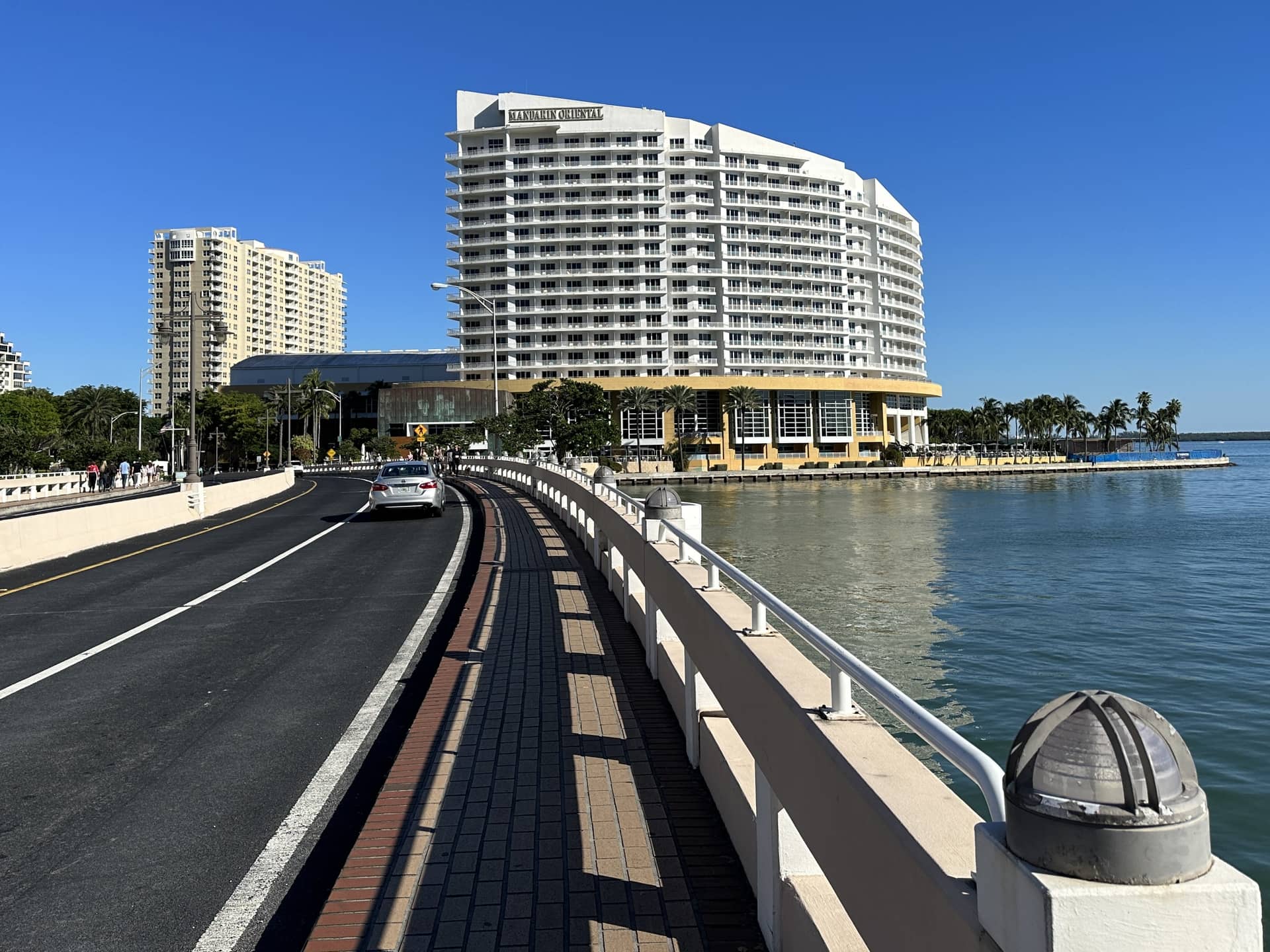
Swire Breaks Ground on Mandarin Oriental Towers on Brickell Key After Selling More Than $1.7 Billion in Condos
2h ago

Seminole Tribe Sues DraftKings and CEO Jason Robins in Broward, Calling Its Florida Prediction Markets an Illegal Sportsbook
2h ago

Jacksonville council members weigh relief for high JEA bills as utility says it isn't ready for a hyperscale data center
1d ago

Rays to open Westshore ballpark experience center in 2027 as Tampa stadium deal moves ahead
1d ago