Citizens Property Insurance to Cut Rates for Most Florida Policyholders, With Average Reduction of 8.7 Percent
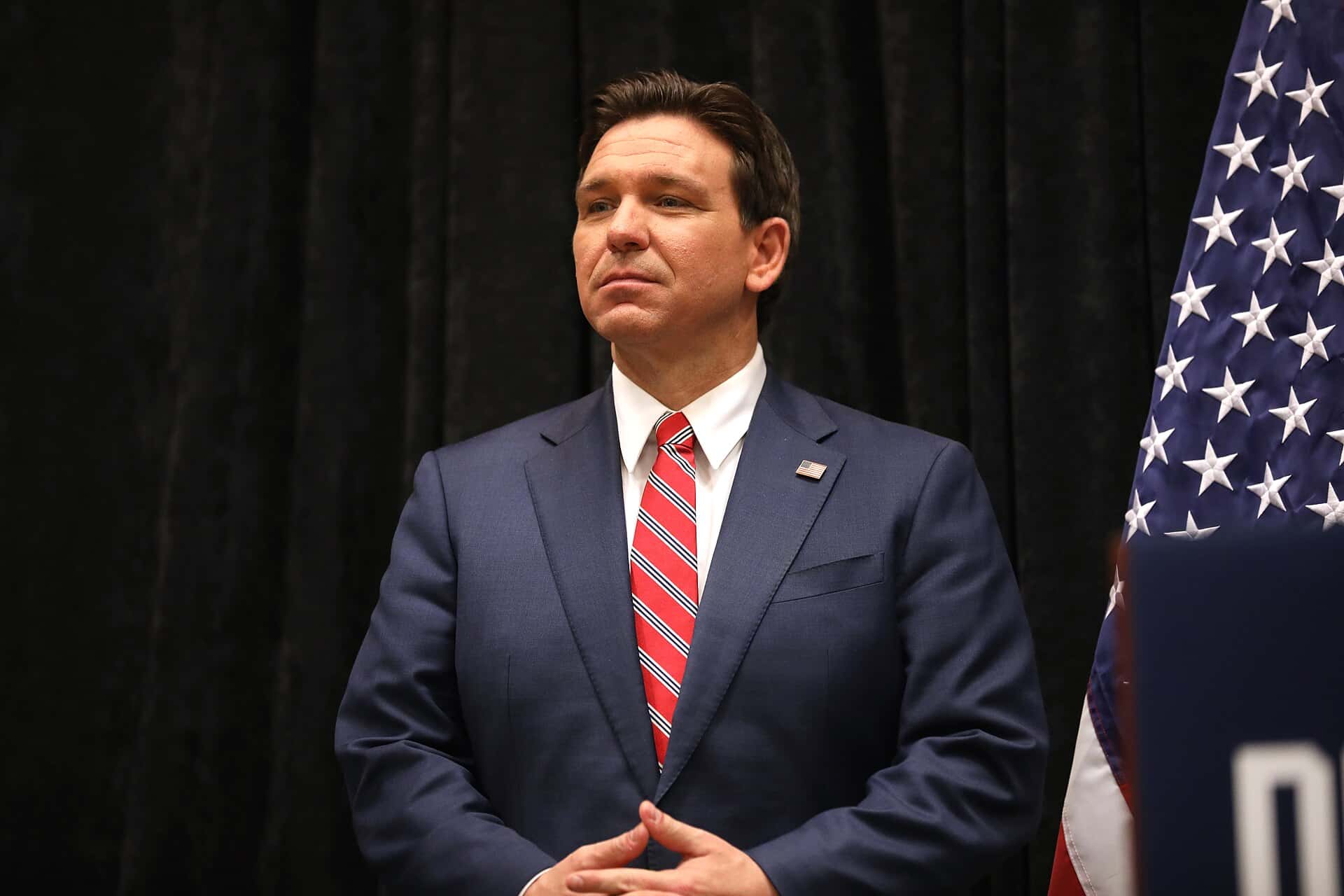
Citizens Property Insurance Corporation, Florida's state-backed insurer of last resort, has approved rate reductions that will benefit the majority of its policyholders statewide beginning in Spring 2026. The changes, announced by Governor Ron DeSantis's office as a direct result of insurance market reforms enacted in recent years, will deliver an average statewide premium decrease of 8.7 percent to more than 330,000 homeowners, renters, and condo owners when their policies come up for renewal.
Who Will See Reductions
Citizens' rate reductions will apply across all 67 Florida counties, with the deepest cuts concentrated in South Florida, where the insurance market has historically been under the most stress. Miami-Dade County policyholders can expect an average reduction of approximately 14 percent, affecting roughly 42,000 homes in the county. Broward County will see an average reduction of approximately 14.1 percent for around 27,000 policyholders, while Palm Beach County homeowners will receive average cuts of about 11.9 percent for roughly 26,000 properties.
Statewide, more than 150,000 policyholders will see premium reductions of 10 percent or greater, according to Citizens' rate filings reviewed by the governor's office. The reductions apply to residential policies including single-family homeowners, condo owners, and renters. Commercial policies are not part of this rate adjustment cycle.
The rate changes are effective for policies renewing in Spring 2026. Homeowners who are mid-policy will not see the change until their next annual renewal date, meaning some residents will wait several months to realize the savings.
Why Rates Are Coming Down
Florida's property insurance market began deteriorating significantly after major hurricanes Irma, Michael, Dorian, Ian, and Idalia generated billions in claims and litigation. Between 2020 and 2023, more than a dozen private insurers either went insolvent, withdrew from Florida voluntarily, or drastically reduced their coverage footprint in the state. Policyholders who could not find private coverage turned to Citizens, which grew to more than 1.4 million policies at its peak, far beyond its original intended role as a residual market for properties that private insurers would not cover.
The Legislature and DeSantis responded with a series of reforms between 2022 and 2024, targeting two of the primary drivers of insurance losses: litigation abuse and reinsurance costs. The reforms limited attorney fee multipliers in property insurance cases, restricted one-way fee provisions that had incentivized frivolous lawsuits, and abolished the assignment of benefits arrangements that had allowed contractors to file claims on behalf of homeowners and then sue insurers directly for inflated amounts.
The legislative changes took time to work through the insurance ecosystem. By early 2025, the pace of property insurance litigation in Florida had dropped substantially, reinsurance costs declined as the legal environment stabilized, and private insurers began cautiously re-entering the Florida market. Citizens' own policy count declined to approximately 395,000 by January 2025, a 50 percent reduction from its peak and the lowest level in 14 years.
The Depopulation Program
A significant driver of Citizens' reduced policy count is the insurer's ongoing depopulation program, which systematically moves policies from Citizens' book to private carriers when those carriers agree to offer comparable coverage at or near the Citizens rate. The program accelerated in 2024 and 2025 as more private companies entered or re-entered the Florida market, hungry for policies in a state that now offered a more predictable legal environment.
The transition of policies back to private carriers has been described by DeSantis as the single biggest achievement of the reform effort. When policies move from Citizens to private insurers, it reduces the state's contingent liability in the event of a catastrophic hurricane season, because Citizens is backstopped by assessments on all Florida insurance policyholders rather than by private capital.
More companies entering the market has also had a competitive effect on pricing. When Citizens' rates become higher than comparable private options, policyholders have more incentive to shop for alternatives, and private carriers competing for business have an incentive to keep rates reasonable. Insurance regulators approved 11 new companies to write property coverage in Florida over the past two years, adding to the competitive landscape.
What Policyholders Should Do
Insurance experts recommend that even policyholders who remain with Citizens take the time to review their coverage limits and deductibles before their renewal date. Florida's rapid inflation in construction costs over the past several years means that older coverage limits may no longer reflect the actual cost of rebuilding a home after a major loss event. Underinsurance is a persistent risk in the Florida market, and a policy with a lower premium is not necessarily better if the coverage limit is inadequate.
Homeowners should also confirm whether their property is now eligible for coverage from private insurers at competitive rates. Citizens is required by law to non-renew policies when a private insurer offers comparable coverage within 20 percent of the Citizens premium, so some policyholders will be moved whether or not they actively seek alternatives. Understanding the differences between a Citizens policy and a private policy, including claims handling, coverage terms, and financial stability ratings, is worth the time investment before renewal.
The Insurance Market Outlook
While the rate reductions are broadly welcomed as a sign of market stabilization, insurance analysts caution that Florida's property insurance situation remains more volatile than in most other states. The state sits in one of the most hurricane-prone regions in the world, and a single major landfalling storm could quickly reverse the progress made in stabilizing the market.
NOAA recently released its 2026 Atlantic hurricane season forecast predicting a below-normal season, citing El Nino conditions as the primary factor dampening storm development. However, agency officials were careful to note that below-average forecasts do not eliminate the risk of a significant storm, and Florida remains in the primary track for hurricanes forming in both the Gulf of Mexico and the Atlantic basin. Property owners and insurers alike are watching the peak of hurricane season, August through October, closely.
The Citizens board has approved the 2026 rates as filed, and barring a significant shift in the loss environment, the rate reductions are expected to hold through the renewal cycle. Further adjustments, either upward or downward, will be evaluated when the 2027 rate filing process begins later this year based on updated loss data and market conditions.
What Is Next
Citizens' leadership has indicated they will continue working with the Legislature and the governor's office to explore additional ways to reduce the state's exposure and strengthen the private market. Conversations are ongoing about potential changes to Citizens' coverage eligibility rules and the rate of the depopulation program.
For policyholders, the most important step is to review their renewal notice when it arrives, compare coverage terms between Citizens and any alternatives offered, and contact a licensed insurance agent with questions before making a decision. Florida's insurance market has stabilized meaningfully, but informed consumers who understand their coverage are in the best position to benefit from the improvements.
Spotted an issue with this article?
Have something to say about this story?
Write us a letterComments
No comments yet. Be the first to weigh in.
Related Coverage

Florida utility regulators attended West Palm Beach retreat where industry-linked group paid their way
1h ago

Clearwater approves interim agreement for $180 million sports complex at The Landings Golf Course
5h ago

Isaias Insured Losses Estimated at $1 Billion to $3 Billion, Far Below Pre-Storm Forecasts and Hurricane Michael
1d ago

DeSantis Awards $27 Million in Rural Infrastructure Grants to 14 Communities as Panhandle Recovers From Isaias
1d ago