Congress Advances $446 Million for Everglades Restoration
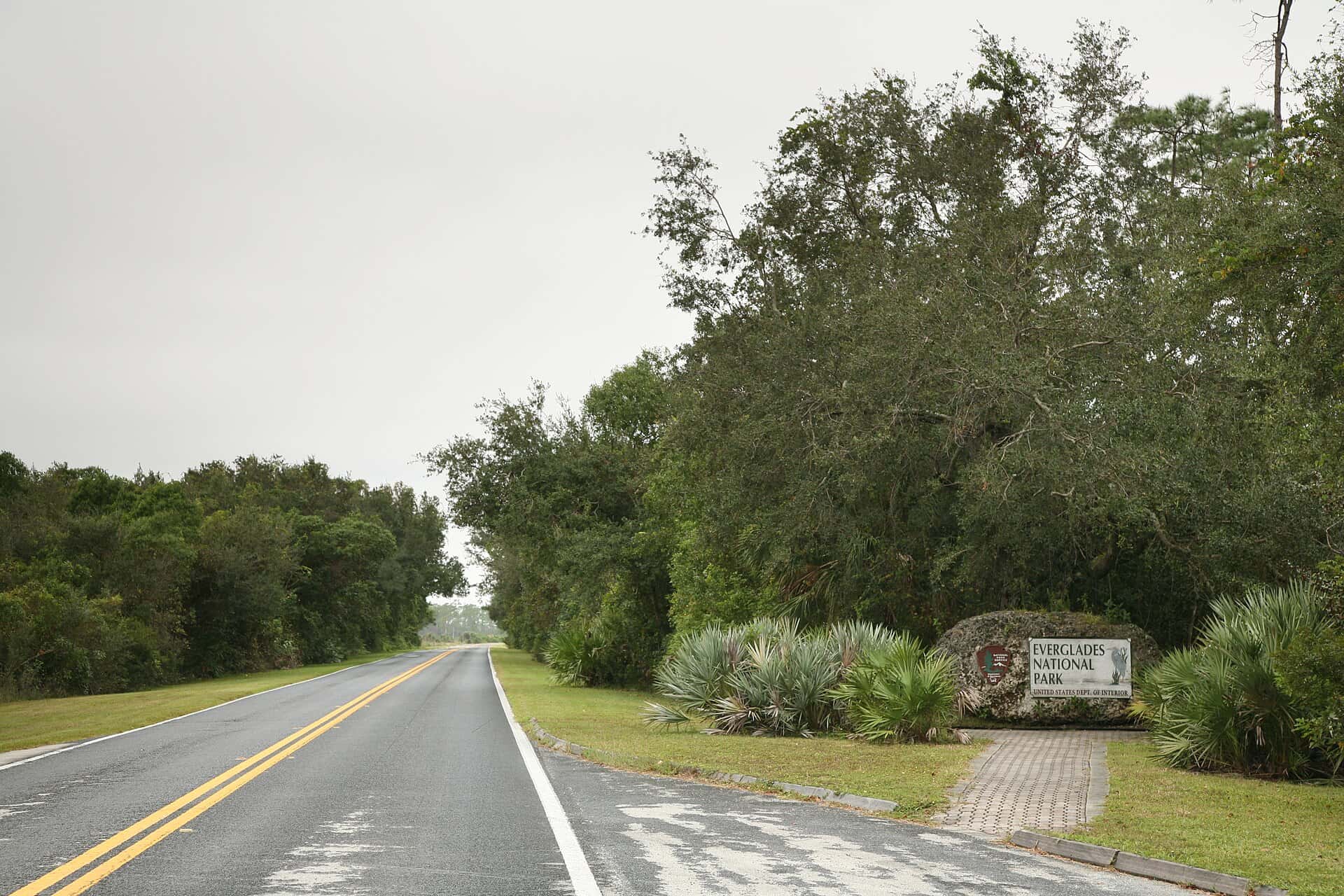
A federal spending bill advancing through Congress includes $446 million for Everglades restoration, a significant commitment to the network of projects that protect South Florida's water supply and coastal ecosystems. The funding, secured in an appropriations measure approved by a House committee, would support the centerpiece reservoir project designed to store and clean water flowing south toward Florida Bay. For Florida, the federal dollars are a crucial complement to state investments in one of the largest ecosystem restoration efforts in the world.
The funding package
The $446 million for Everglades restoration was included in a House appropriations bill covering energy and water development, which a House committee approved. The measure also includes additional funding for South Florida ecosystem restoration operations and maintenance, layering federal support across multiple components of the effort.
The figure matches the level recommended in the administration's budget proposal for the Everglades, described as among the largest such presidential recommendations for the restoration effort. The alignment between the budget request and the appropriations bill reflects sustained federal attention to the projects.
The funding represents the federal share of a partnership with the state, which has committed its own substantial resources to the restoration. The combined investment reflects the scale and complexity of the work required to repair the ecosystem.
The appropriations measure must still complete its journey through Congress, but the committee approval marks an important milestone in securing the federal commitment. The funding builds on years of federal and state investment in the restoration effort.
The reservoir at the center
Much of the focus is on the reservoir project widely described as the crown jewel of Everglades restoration. The project is designed to store and treat water before sending it south, reconnecting the historic flow from Lake Okeechobee through the Everglades and down to Florida Bay.
That southward flow is central to the health of the entire system, reducing harmful discharges to coastal estuaries and replenishing the freshwater that the Everglades and Florida Bay depend on. The reservoir is intended to address one of the fundamental problems created by decades of water management that disrupted the natural flow.
Completing the reservoir is a long-term undertaking, and the federal funding helps keep the project moving toward completion. State efforts have aimed to accelerate the work, and the federal dollars support that push to finish the critical infrastructure.
The reservoir is regarded as essential to the broader goal of restoring the natural flow of water through the Everglades. Its completion would mark a major step in reversing the damage caused by decades of drainage and diversion.
The Florida context
The Everglades are a defining feature of Florida, a vast wetland ecosystem that provides drinking water for millions of South Florida residents, supports a rich array of wildlife and underpins the region's fishing and tourism economies. Decades of drainage and development damaged the system, prompting a massive, multi-decade restoration effort.
Restoration has enjoyed broad bipartisan support in Florida, reflecting the recognition that the Everglades are essential to the state's water security and environment. The federal-state partnership has been the financial backbone of the work, with both levels of government contributing significant funding.
The state's own budget, finalized in its recent legislative session, included substantial funding for Everglades projects as well, underscoring the dual commitment. The federal appropriation complements those state dollars in advancing the shared restoration goals.
The combination of state and federal funding reflects the recognition across levels of government that the Everglades are too important to the state's future to neglect. The bipartisan backing has helped sustain the effort across changing administrations and political climates.
The Florida delegation's role
Members of Florida's congressional delegation have been instrumental in securing federal funding for the Everglades, championing the appropriations through the House process. The effort reflects the priority that Florida lawmakers place on the restoration regardless of party.
Securing the funding in the appropriations bill required navigating the federal budget process, where competing priorities vie for limited dollars. The inclusion of the Everglades money signals the success of the delegation's advocacy on behalf of the projects.
The delegation's continued push has helped sustain federal investment in the restoration over multiple budget cycles. That consistency has been important to maintaining momentum on projects that span many years.
The advocacy for Everglades funding has been one of the more bipartisan efforts within Florida's delegation, reflecting the shared recognition of the ecosystem's importance. That unity has helped the state secure federal dollars amid competition for limited resources.
What it means for Floridians
For Florida residents, the funding supports the infrastructure that protects the drinking water supply for millions in South Florida and helps guard against the harmful algae-fueling discharges that have plagued coastal communities. The health of the Everglades is directly tied to the quality of life in the region.
The restoration also protects the natural systems that support fishing, boating and tourism, industries that are economic pillars for South Florida. A healthier Everglades benefits both the environment and the economy that depends on it.
Completing the projects funded by the appropriation would advance the long-term goal of restoring the natural water flow, with benefits cascading across the ecosystem. For Floridians, the investment is in the foundation of the region's water security.
The discharges of polluted water that have triggered harmful algae blooms in coastal areas are among the problems the restoration aims to address. Reducing those discharges through projects like the reservoir would benefit the communities and economies along Florida's coasts.
A long-term effort
Everglades restoration is one of the most ambitious environmental projects ever undertaken, spanning decades and requiring sustained funding from both the federal government and the state. The work involves a complex series of reservoirs, treatment areas and water management changes.
The scale of the effort means that progress is measured over years, with each appropriation contributing to the larger goal. The federal funding in the current bill is one piece of a long-term commitment that will require continued investment to complete.
The partnership model, with federal and state dollars working together, has been essential to advancing the projects. Maintaining that partnership and the funding behind it is key to seeing the restoration through.
The multi-decade timeline of the restoration reflects the enormous task of repairing an ecosystem that was altered over more than a century. Sustained funding from both levels of government is critical to keeping the effort on track.
A history of damage and repair
The Everglades once spanned a vast, slow-moving sheet of water flowing from the Kissimmee River through Lake Okeechobee and south to Florida Bay. Over the past century, canals, levees and drainage projects diverted much of that water to make way for agriculture and development, shrinking the ecosystem and disrupting the natural flow that sustained it.
The consequences of that engineering became increasingly clear over time, from declining water quality to harmful discharges that fed toxic algae blooms in coastal waters. The restoration effort, launched as a federal-state partnership, aims to undo some of that damage by storing, cleaning and redirecting water to mimic the historic flow.
The reservoir project funded in part by the federal appropriation is central to that goal, designed to capture and treat water before sending it south. Its completion would mark a major milestone in an effort that has spanned decades and multiple administrations.
The economic stakes
Beyond its environmental value, the Everglades underpins significant economic activity in South Florida. The ecosystem supports commercial and recreational fishing, boating and tourism, industries that depend on healthy water and abundant wildlife. Damage to the system threatens those livelihoods.
The Everglades also supplies drinking water to millions of South Florida residents, making its health a matter of basic water security. The restoration projects protect that supply by maintaining the flow and quality of water through the system.
The federal and state investments in restoration are therefore as much about protecting the regional economy and water supply as about preserving a natural treasure. The funding advancing through Congress contributes to securing those benefits for the long term.
The restoration also carries significance for the broader resilience of South Florida, where natural systems help buffer against flooding and storm impacts. A healthy Everglades contributes to the region's ability to manage water during both wet and dry periods, a function that grows more important as conditions shift.
The projects funded by the partnership are designed to improve how water is stored and moved across the landscape, benefits that extend to flood control and water supply. Those functions are central to the quality of life and the economy of the densely populated region.
For the communities that depend on the Everglades, the continued investment represents a commitment to protecting a resource that is both an environmental treasure and a practical necessity. The funding advancing through Congress is part of sustaining that commitment over the long term.
The pace of restoration has accelerated in recent years as both the state and federal government prioritized the effort, and the latest funding helps maintain that momentum. Sustained appropriations are essential to keeping the multidecade program on schedule and ensuring that completed components deliver their intended benefits to the ecosystem and the region.
What is next
The appropriations bill must continue through the legislative process before the funding is finalized, including action by the full House and the Senate. The committee approval is an important step, but the funding is not secured until the broader process is complete.
If enacted, the funding would flow to the restoration projects, supporting continued work on the reservoir and other components. The progress would build on the state and federal investments already made in the effort.
For Florida, the appropriation represents another step in the long march toward restoring the Everglades. The continued federal commitment, alongside state funding, keeps one of the nation's signature environmental efforts moving forward toward its long-term goals.
Spotted an issue with this article?
Have something to say about this story?
Write us a letterComments
No comments yet. Be the first to weigh in.
Related Coverage

Florida Voters Face Few New Rules on Nov. 3 as Other GOP States Roll Out Citizenship and ID Laws
11h ago

Florida Leads the Nation in ICE Detainer Arrests as Local Police Take a Growing Role, New Data Show
12h ago

Federal Government Again Asks Miami Judge to Toss Lawsuit by Nearly 1,000 Cubans With I-220A Papers
12h ago

Alvaro Pulido, Alex Saab's Longtime Partner, Heads to Miami Federal Court After Arrest in Venezuela Bribery Case
13h ago