DeSantis Calls Special Session to Phase Out Florida Homestead Property Taxes
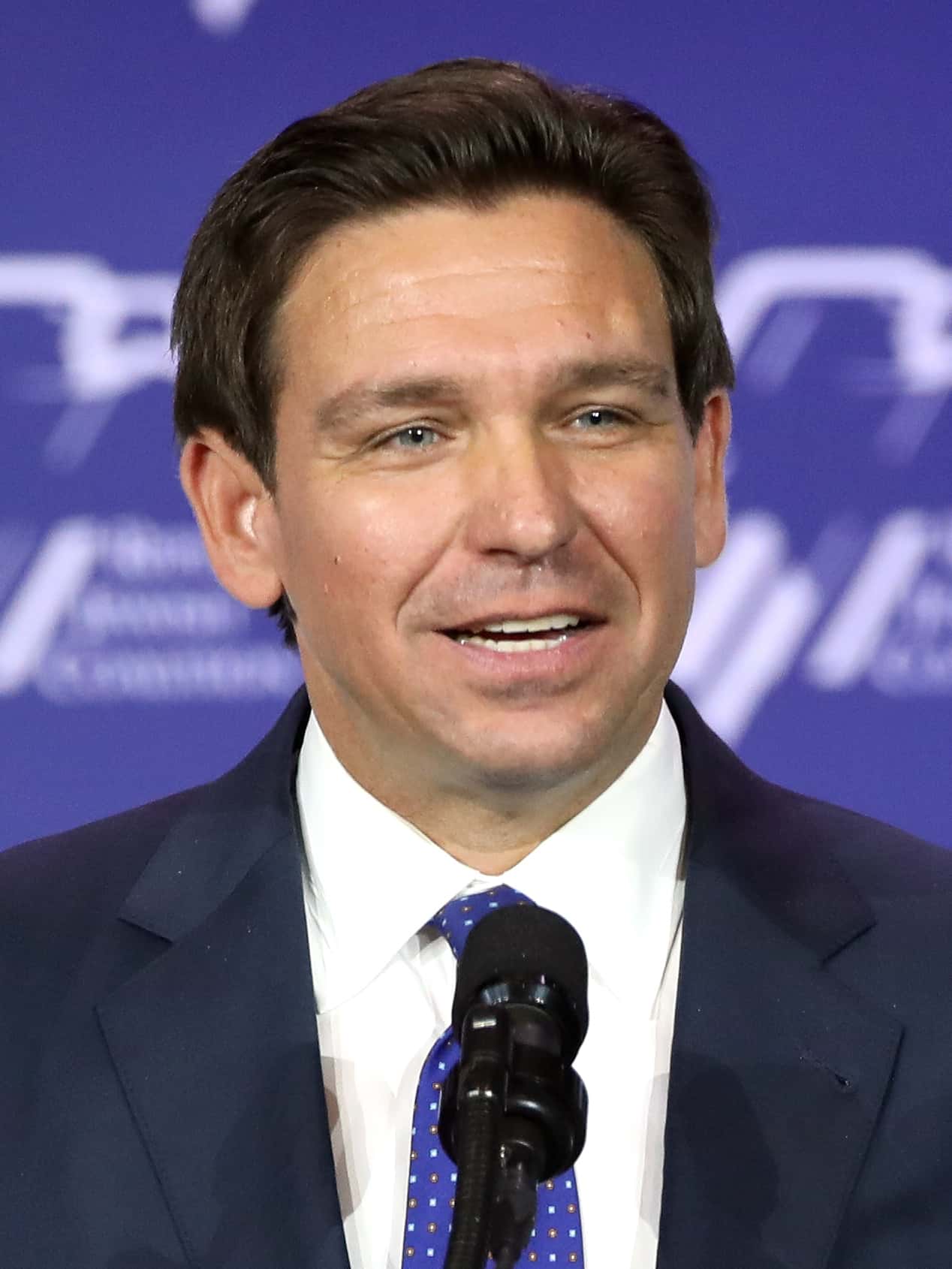
Governor Ron DeSantis has summoned the Florida Legislature into a special session beginning the week of June 1 to take up a constitutional amendment that he says would eventually eliminate property taxes on most homesteaded homes. The proposal, which the governor has branded Save Our Homes from Excessive Property Taxes, would immediately raise the homestead exemption from $50,000 to $250,000 and set a path toward full elimination through future legislation. If lawmakers approve the measure, it would appear on the November ballot, where it would need at least 60 percent voter support to take effect. The move thrusts housing affordability to the center of Florida's political agenda for the rest of the year.
What the governor proposed
Under the plan announced on May 27, the homestead exemption would jump fivefold in a single step, shielding a far larger share of a primary residence's assessed value from local taxation. The governor's office said the immediate increase would zero out property tax bills for roughly 60 percent of homesteaded property owners across the state, because their taxable value would fall below the new threshold.
The proposal does not stop there. It calls for the Legislature to schedule additional expansions of the exemption through general law, with the stated goal of removing property taxes entirely for homesteaded residences. The governor estimated that raising the exemption to $500,000 would make roughly 92 percent of homesteaded properties tax free, leaving only the highest-value homes paying any property tax at all.
Because Florida's constitution governs how property is assessed and taxed, the change cannot be accomplished by ordinary statute alone. That is why the measure is being routed as a constitutional amendment requiring a supermajority of voters in November rather than a simple legislative vote.
The branding of the proposal as Save Our Homes deliberately echoes the existing constitutional protection of the same name, which caps how fast assessments can rise. By tying the new plan to a familiar and popular concept, the governor is framing elimination as the next logical step in a decades-long effort to shield Florida homeowners from rising tax bills.
Why property taxes loom so large in Florida
Florida has no state income tax, which leaves local governments heavily dependent on property taxes to fund schools, sheriffs, fire departments, road maintenance and other core services. For homeowners, the bills have climbed alongside a decade of surging property values, and the sticker shock has become one of the most persistent kitchen-table complaints in the state.
The existing Save Our Homes framework already caps how fast the assessed value of a homesteaded property can rise each year, but it does nothing to lower the underlying tax once values have climbed. Combined with steep increases in homeowners insurance premiums, the rising tax burden has fed a broader affordability squeeze that has dominated Florida politics heading into the 2026 election cycle.
The governor has framed the elimination push as a way to let residents truly own their homes rather than effectively renting them from the government through annual tax bills. Supporters argue that the change would deliver immediate relief to retirees on fixed incomes and to working families who have watched their escrow payments balloon.
The timing is no accident. With property insurance costs and home prices both elevated, and with an election approaching, tax relief is among the most potent issues a politician can offer Florida voters. The proposal positions the governor at the forefront of the affordability debate that touches nearly every household in the state.
The local government pushback
Local officials and some lawmakers have raised pointed questions about how cities and counties would replace the lost revenue. The Florida League of Cities warned that 85 municipalities, especially smaller ones, would be unable to fund public safety at current levels even if they eliminated every other service paid for by property taxes.
Critics across the political spectrum have noted that renters, owners of second homes and non-homesteaded properties, and local businesses could end up shouldering a heavier load if local governments turn to higher sales taxes, fees or special assessments to fill the gap. Public school funding, which draws on local property taxes through the required local effort, has drawn particular scrutiny.
Democrats and several Republicans have signaled that they want details on a replacement revenue mechanism before committing to the plan. The questions center less on whether homeowners deserve relief and more on whether a constitutional elimination locks the state into a structure that is difficult to adjust if local budgets buckle.
County commissioners and city managers have noted that property taxes fund the most visible and essential local services, from emergency response to parks and libraries. Without a clear and durable replacement, they warn, the cuts could force painful reductions or shift costs onto residents in less visible ways. The debate over how to backfill the revenue is likely to be the central technical fight of the session.
How the special session would work
Lawmakers were directed to convene Monday to begin considering the proposal. A special session limits the Legislature to the subjects named in the governor's call, which keeps the focus narrowly on property tax relief rather than reopening broader budget debates.
To place a constitutional amendment on the November ballot, both chambers would need to pass the measure by the required margins. From there, the proposal would move to voters, who would decide in the general election whether to enshrine the larger exemption and the elimination pathway in the state constitution.
The compressed timeline reflects the calendar pressure of getting a measure certified for the fall ballot. It also sets up an intense few weeks in Tallahassee, where competing relief formulas and revenue-replacement ideas are likely to surface as legislators weigh the long-term math.
The session follows closely on the heels of a separate budget-focused special session, adding to an unusually busy legislative spring. Lawmakers returning to the capital will face the task of crafting ballot language that is both legally sound and clear enough for voters to understand, a step that has tripped up past amendments.
What it means for Floridians
For a typical homesteaded family, an exemption jump to $250,000 could erase or sharply reduce the annual property tax bill, freeing up hundreds or even thousands of dollars depending on local millage rates and home value. That relief would be most immediate for owners of modestly valued homes, whose taxable value could fall to zero under the higher threshold.
The trade-offs would land at the local level. Residents could see pressure on the services that property taxes fund, from school programs to road repaving to emergency response staffing, unless the Legislature pairs the cut with a durable replacement revenue source. The outcome could vary widely between a fast-growing suburban county with a broad tax base and a small rural city with few other revenue options.
Renters, who do not pay property taxes directly but often feel them indirectly through rent, would not receive a direct benefit and could be affected if local governments raise other taxes or fees. Business owners and owners of vacation properties would also remain outside the homestead carve-out, potentially facing a relatively larger share of the local tax load.
For many households juggling high insurance premiums and elevated living costs, the prospect of eliminating a major recurring expense is deeply appealing. The question voters would ultimately weigh is whether that relief is worth the uncertainty over how their communities would continue funding the services they rely on.
Local impact across the state
The stakes differ sharply by region. In high-value coastal markets such as Miami-Dade, Palm Beach and the Florida Keys, the exemption increase would still leave many homes partially taxable, though owners would see meaningful reductions. In more affordable inland and Panhandle counties, a larger share of homes could fall entirely off the tax rolls.
County commissioners, school boards and city councils across Florida are expected to weigh in as the session unfolds, given how directly the proposal touches their budgets. Tourism-heavy areas with large numbers of non-homesteaded and commercial properties may have more flexibility to absorb the change than communities dominated by primary residences.
Supervisors of elections will also be watching, since a successful legislative vote would add a high-profile measure to an already crowded November ballot and require clear ballot language that voters can understand. The administrative work of putting the question before voters falls to county election offices statewide.
Rural counties, where the property tax base is thinner and alternative revenue sources are limited, could face the steepest challenge in adapting. The League of Cities warning about smaller municipalities reflects the reality that the impact of elimination would not be evenly distributed across Florida's diverse communities.
What is next
The immediate question is whether lawmakers can agree on the structure of the amendment, and on any accompanying language addressing local revenue, within the special session window. Negotiations over the size of the exemption, the pace of any future expansion, and protections for school and public safety funding are likely to dominate the early days.
If the Legislature approves a measure, the campaign over the November ballot question would quickly become one of the defining fights of the Florida political year, pitting promised homeowner relief against warnings about strained local services. If lawmakers balk or demand changes, the proposal could be reshaped before any version reaches voters.
Either way, the debate underscores how central housing affordability, alongside property insurance costs, has become to Florida's political conversation. The coming weeks in Tallahassee will determine whether property tax elimination moves from a campaign promise toward a question Floridians decide at the ballot box.
For now, residents can expect an intense period of advocacy from both supporters and opponents as the session begins. The outcome will shape not only individual tax bills but the broader question of how Florida funds the local services that residents depend on every day.
Spotted an issue with this article?
Have something to say about this story?
Write us a letterComments
No comments yet. Be the first to weigh in.
Related Coverage

Annette Taddeo Ad Accuses CFO Blaise Ingoglia of Corruption as Polls Show Florida's CFO Race Tied
13h ago
Manatee County Freezes Data Center Applications for a Year as Commissioners Float a Permanent Ban
1d ago

Miami Voters to Decide $450 Million Police and Fire Bond as City Carries Heavy Debts and Pension Bills
2d ago

Martin County's MARTY Buses Stop Cold After Operator Walks Away From Contract, Stranding Riders on the Treasure Coast
2d ago