DeSantis Calls Special Session to Place Historic Property Tax Elimination on Florida Ballot
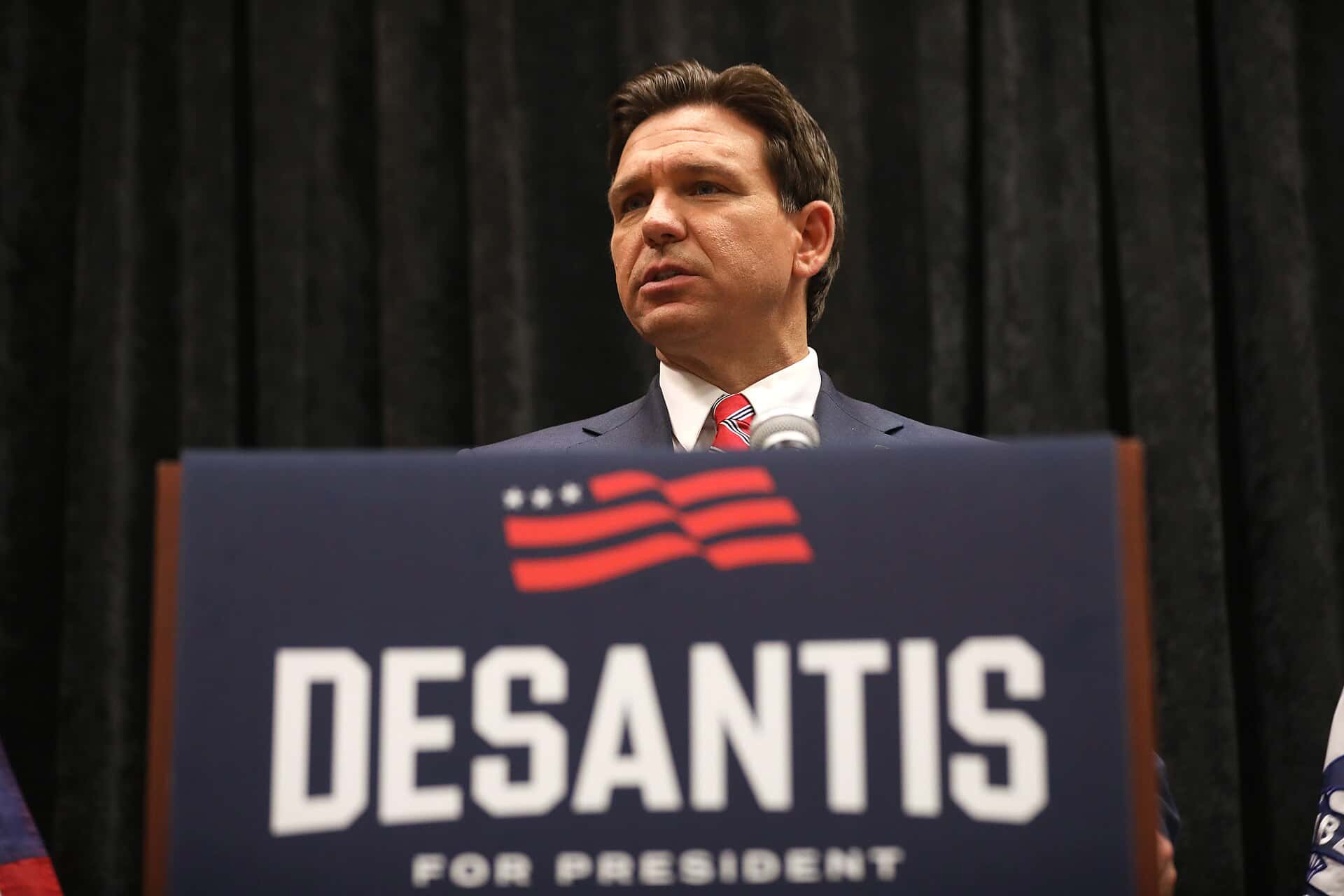
Governor Ron DeSantis announced Wednesday that he is calling a special legislative session beginning June 1 to consider placing a sweeping homestead property tax relief amendment on Florida's November ballot, a proposal he has dubbed the "Save Our Homes from Excessive Property Taxes" initiative. If ultimately approved by voters, the measure could eliminate property tax obligations entirely for the vast majority of Florida homeowners.
What the Governor Proposed
The centerpiece of DeSantis's proposal is an immediate increase in the homestead exemption from its current level of $50,000 to $250,000. According to the governor's office, raising the exemption to that level would wipe out property tax bills for roughly 60 percent of Florida homeowners who have claimed the homestead designation on their primary residences.
The proposal does not stop there. DeSantis has called on the Legislature to schedule a further expansion of the exemption to $500,000 through general law, which his office says would push the share of property-tax-free homesteaded owners to about 92 percent. The governor framed the initiative as the largest property tax relief effort in Florida history, and positioned it as a natural successor to the state's ongoing efforts to combat rising costs for residents.
"Florida homeowners should not be taxed out of their own homes," the governor said at a press conference in Tampa, arguing that years of rising property values have translated into tax bills that many long-term residents can no longer afford.
How the Process Would Work
Because property tax exemptions are governed by the Florida Constitution, the proposal cannot be enacted through ordinary legislation. Instead, lawmakers must approve a joint resolution placing the amendment on the ballot, a step that requires support from three-fifths, or 60 percent, of both the Florida House and Senate.
Once on the ballot, Florida voters would then need to approve the amendment by the same 60-percent threshold for it to take effect. The November 2026 general election is the target date, meaning any changes would not reach homeowners' tax bills until the following year at the earliest.
DeSantis's plan also includes a residency requirement designed to prevent newcomers from immediately claiming the expanded benefit. Floridians who establish residency in the state after January 1, 2027, would be required to maintain Florida residency for up to five years before qualifying for the higher homestead exemption. The governor argued the provision protects the intent of the program for long-term residents and discourages short-term moves aimed solely at tax avoidance.
Protecting Local Government Revenue
One of the central concerns raised by local officials and fiscal analysts in the lead-up to the announcement is the potential impact on municipal and county budgets. Property taxes are a primary funding source for local governments, funding everything from public schools and road maintenance to fire departments and parks. Eliminating or dramatically reducing that revenue base would force communities across the state to either reduce services or find alternative funding streams.
DeSantis's proposal addresses this directly by establishing a state trust fund designed to provide grants to local governments to help them continue delivering core public services. However, the governor did not specify what level of funding the trust would carry or how grants would be distributed among Florida's 67 counties and hundreds of municipalities, leaving those details to the Legislature and future appropriations processes.
Florida League of Cities representatives and county commission groups have signaled they will closely examine the proposal before taking formal positions. The critical question for local leaders is whether trust fund distributions would keep pace with the revenue they would lose under an expanded exemption, particularly in smaller jurisdictions heavily reliant on property tax income.
Legislative Reaction
House Speaker Daniel Perez, a Republican from Miami, and Senate President Ben Albritton, a Republican from Wauchula, have both acknowledged the governor's call and indicated their chambers would take up the property tax question. Perez has previously been vocal about the need for relief from a Legislature that finished its regular 2026 session without completing a state budget, requiring the same special session to also address that matter.
Some lawmakers have expressed support in principle while calling for careful analysis of the revenue implications. Republican members from suburban counties where property tax revenue supports well-funded school districts and emergency services have indicated they want assurances that local governments will not be left unable to function. A handful of Democrats have pointed out that renters, who make up a significant share of Florida households, would receive no direct benefit from a homestead exemption expansion.
The three-fifths threshold in both chambers means the governor cannot afford many defections in either body. If even a small bloc of Republicans joins the opposition, the resolution could fall short of the supermajority needed to reach voters in November.
What It Would Mean for Homeowners
For the roughly 5 million Floridians who hold active homestead exemptions, the practical effect of raising the exemption to $250,000 would vary widely by location. In communities where median home values fall well below $250,000, a large share of homeowners would owe nothing in local property taxes. In high-value markets such as Miami-Dade, Palm Beach, and Collier counties, many homeowners would see significant reductions but would still owe some taxes because their assessed values exceed the exemption amount.
Florida property taxes are levied as a millage rate applied to taxable value, which is assessed value minus exemptions. Under the current $50,000 exemption, a home assessed at $300,000 carries a taxable value of $250,000. Under the proposed $250,000 exemption, that same home's taxable value falls to $50,000, cutting the tax bill by roughly 80 percent before any millage adjustments.
Property owners who do not qualify for the homestead exemption, including landlords, second-home owners, and commercial property holders, would see no change to their tax obligations under this proposal. Critics argue that concentrating relief on homesteaders creates an uneven landscape that could over time shift more of the tax burden onto businesses and non-homesteaded property.
Florida's Property Tax Landscape
Florida already has one of the more homeowner-friendly property tax structures among large states. The Save Our Homes constitutional amendment, approved by voters in 1992, caps annual assessment increases on homesteaded properties at 3 percent or the rate of inflation, whichever is lower. That provision has insulated long-time homeowners from the most dramatic effects of Florida's rapid real estate appreciation over the past decade.
New buyers, however, have not had the same protection. When a home changes hands, the Save Our Homes cap resets, meaning new owners face taxes based on current market values. That dynamic has contributed to what housing advocates call a "lock-in" effect, where long-time owners resist selling because they would lose their low-assessed-value status. DeSantis has argued that the new proposal, combined with the existing cap, would make homeownership more broadly affordable in Florida regardless of when a resident purchased.
What Is Next
The special session is scheduled to begin June 1, with the budget having been approved in the final days of May. If lawmakers pass the joint resolution on property taxes during this session, the language for the November ballot will need to be finalized and certified by the secretary of state well in advance of the election.
Voters would weigh in on the amendment in November 2026, alongside other state and federal races. A successful statewide vote would make Florida one of the few large states to effectively exempt primary residences from property taxation, a distinction currently held only by a small number of less populous states. How local governments, school districts, and special taxing districts adjust to the resulting revenue landscape would unfold over subsequent budget cycles.
Spotted an issue with this article?
Have something to say about this story?
Write us a letterComments
No comments yet. Be the first to weigh in.
Related Coverage

Florida ordered license plate readers off state roads, but Palm Beach County's sheriff kept his
3h ago

Florida mistakenly released two Deportation Depot detainees, then returned them to custody
3h ago

Clearwater approves $7.5 million FrankCrum settlement over erased Black cemetery as residents seek resolution
6h ago

Byron Donalds calls for a multi-tier property tax system beyond Amendment 3
6h ago