Rubio and Scott Renew Push to Make Daylight Saving Time Permanent for Florida
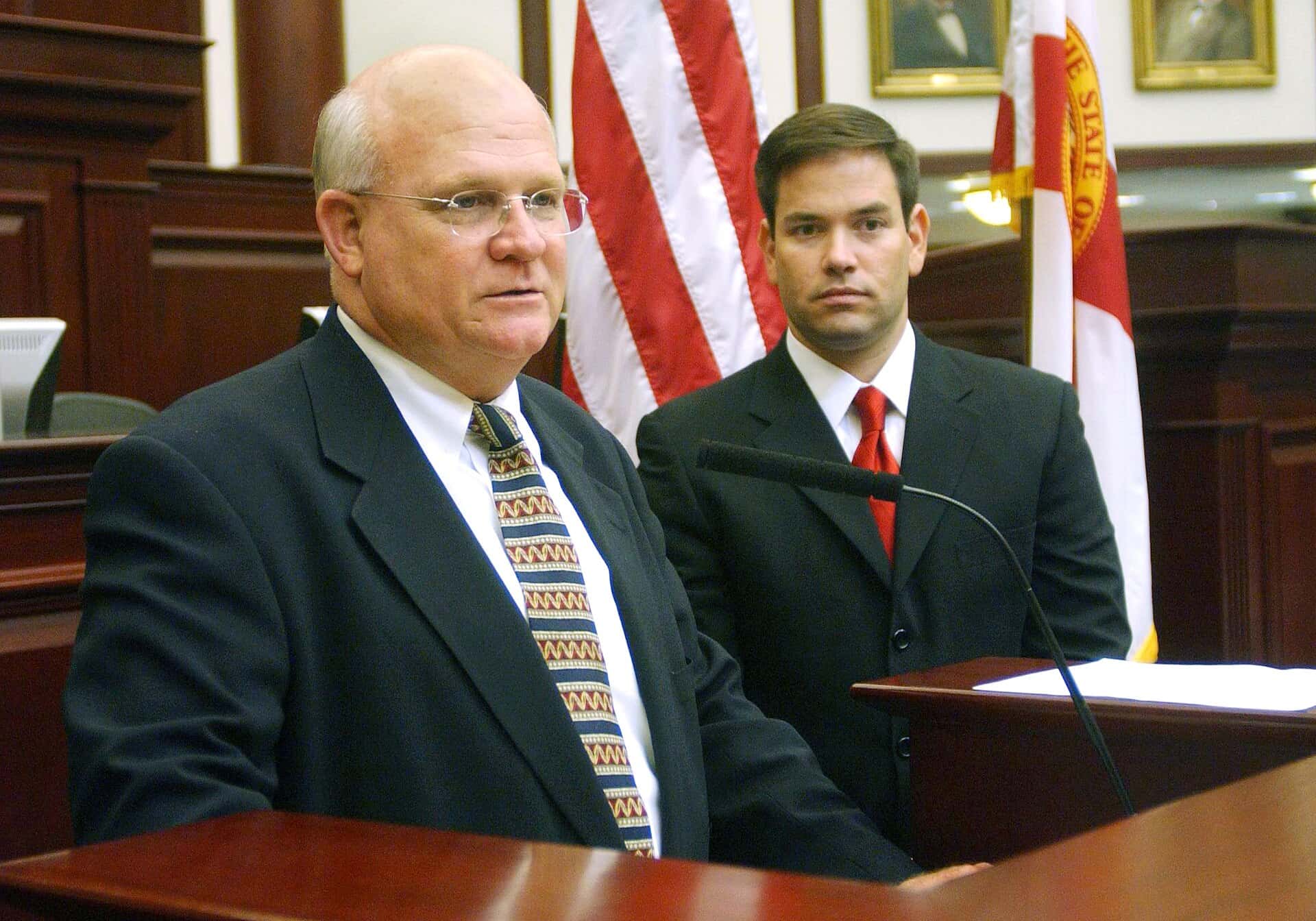
Florida's two U.S. senators are once again pressing Congress to end the twice-yearly ritual of changing clocks, reviving legislation to make daylight saving time permanent across the country. Sen. Rick Scott, joined by Secretary of State Marco Rubio's long association with the effort, renewed the push for the Sunshine Protection Act, a measure with deep Florida roots that has repeatedly stalled in Congress.
The bill would eliminate the seasonal time changes that Americans observe in the spring and fall, locking clocks permanently on daylight saving time. Scott has framed the effort as responding to widespread frustration with the disruption caused by shifting clocks, casting the change as a common-sense reform whose time has come.
For Florida, the issue carries particular resonance. The state legislature passed its own measure years ago seeking to adopt year-round daylight saving time, but that change requires an act of Congress to take effect. The renewed federal push keeps alive a cause that Florida politicians have championed for years, even as it has struggled to gain traction in Washington.
The renewed effort
Sen. Rick Scott has renewed the call to pass the Sunshine Protection Act, describing the legislation as a bipartisan effort to end the practice of changing clocks twice a year. He has cast the measure as a response to the frustration many Americans feel with the disruption of shifting their schedules each spring and fall.
The senator has emphasized that Floridians, in particular, want more sunshine and are tired of the seasonal changes, tying the effort to the state's identity as the Sunshine State. The framing positions the bill as a straightforward improvement to daily life, removing an inconvenience that affects nearly everyone who observes the time changes.
The legislation has long been associated with Rubio, who championed it during his years in the Senate before becoming Secretary of State, and the effort continues to carry that Florida imprint. The renewed push reflects the persistence of a cause that its supporters argue enjoys broad public backing despite its repeated failure to become law.
What the bill would do
At its core, the Sunshine Protection Act would make daylight saving time permanent, ending the switch back to standard time in the fall. Under the change, clocks would no longer move an hour in either direction, and the later evening daylight of daylight saving time would extend through the winter months as well.
Proponents argue that permanent daylight saving time would deliver a range of benefits, from more daylight during evening hours to potential reductions in the disruptions associated with the biannual changes. The shifts have been linked in various studies to short-term effects on sleep and health, and supporters contend that eliminating them would spare the public those disruptions.
The measure would apply nationally, superseding the current system in which states observe the time changes on a common schedule. Because federal law governs the observance of daylight saving time, states that wish to adopt it year-round, as Florida has sought to do, cannot act unilaterally, making congressional action the necessary path to change.
Why Florida cannot act alone
Florida's interest in the issue is longstanding. The state legislature passed a measure years ago to adopt year-round daylight saving time, reflecting a desire among Florida lawmakers and residents to keep the later evening daylight throughout the year. That measure, however, cannot take effect without permission from Congress.
Under federal law, states have the option to observe standard time year-round, as some do, but they cannot choose permanent daylight saving time without a change in federal statute. That legal reality has left Florida's own effort in limbo, dependent on the passage of federal legislation like the Sunshine Protection Act to become effective.
The situation illustrates the interplay between state and federal authority on the question. Florida can express its preference and pass its own law, but the ultimate decision rests with Congress, giving the state's senators a direct stake in advancing the federal bill that would allow their state's wishes to be realized.
The Florida stakes
For Floridians, the practical effect of permanent daylight saving time would be later daylight in the evenings year-round, a change that supporters say would benefit outdoor recreation, commerce, and quality of life in a state built around its sunshine and outdoor lifestyle. The appeal aligns with the way many residents and visitors spend their time in Florida.
The tourism and recreation economy that anchors much of the state could see effects from the change, as extended evening daylight influences the hours available for outdoor activities, dining, and entertainment. In a state where the outdoors is central to both daily life and the visitor economy, the distribution of daylight carries tangible implications.
The change would also end the disruption that Floridians, like all Americans, experience twice a year when clocks shift. For a state with a large population of retirees and families, the elimination of that biannual adjustment holds appeal as a simplification of daily life, removing a small but recurring inconvenience.
A long-running debate
The question of whether to end the biannual clock changes has been debated for years, and the Sunshine Protection Act has become the vehicle for those seeking permanent daylight saving time. The measure previously advanced further than many expected in an earlier attempt, only to stall before becoming law, illustrating both its appeal and the obstacles it has faced.
Public sentiment has generally favored ending the clock changes, with polling suggesting fatigue with the practice of shifting time twice a year. That frustration provides the political fuel behind the legislation, and its supporters argue that the reform reflects the wishes of a broad majority of Americans tired of the disruption the changes impose.
Yet the persistence of the debate reflects genuine disagreement about the best alternative. The choice between permanent daylight saving time and permanent standard time has divided experts and lawmakers, and that lack of consensus has repeatedly complicated efforts to enact a change that most agree is desirable in principle even as they differ on the details.
The health dimension
Underlying the debate is a body of research on the health effects of time changes and of daylight saving time itself. Studies have linked the biannual shifts to short-term disruptions in sleep and to associated effects on health, providing an argument for eliminating the changes that both sides of the permanent-time debate can invoke.
Some health experts, however, have argued specifically for permanent standard time rather than permanent daylight saving time, contending that standard time better aligns with the body's natural rhythms. That position complicates the push for the Sunshine Protection Act, which would make daylight saving time permanent, and it represents one of the central points of contention in the debate.
The interplay between the health considerations and the practical preferences for later evening daylight forms the crux of the disagreement. Supporters of permanent daylight saving time emphasize the lifestyle and economic benefits of lighter evenings, while advocates for permanent standard time prioritize the alignment with natural sleep patterns, leaving Congress to weigh competing arguments.
The economic arguments
Supporters of permanent daylight saving time have advanced a range of economic arguments in its favor, contending that later evening daylight encourages activity that benefits businesses. Extended daylight in the evening hours, they argue, supports retail, dining, recreation, and other sectors by giving people more time to be out and about after the workday ends.
For a state like Florida, whose economy leans heavily on tourism and outdoor recreation, those arguments carry particular resonance. Later daylight could extend the hours available for the activities that draw visitors and sustain local businesses, aligning with the state's identity and its economic reliance on the outdoors and the appeal of its climate.
Skeptics question the magnitude of such benefits and note that the effects of the time changes are complex and difficult to measure precisely. The economic case, like the health case, remains a subject of debate, with proponents and critics disagreeing about how significant the effects of permanent daylight saving time would actually prove to be in practice.
The interplay of economic, health, and lifestyle considerations makes the question more complicated than it might first appear. What seems like a simple matter of whether to change clocks encompasses a range of tradeoffs, and the difficulty of weighing them has contributed to the repeated failure of efforts to settle the issue through federal legislation.
Florida's persistent advocacy
Florida's politicians have been among the most persistent advocates for ending the biannual clock changes, reflecting a preference within the state for year-round daylight saving time. The state's own legislative measure, passed years ago, expressed that preference, and the state's federal representatives have carried the cause to Washington repeatedly.
That persistence ties the issue to Florida's identity as the Sunshine State and to the outdoor, sunshine-oriented lifestyle that defines much of life in the state. The advocacy of Florida's senators keeps the state at the center of the national conversation on the question, positioning Florida as a leading voice in the push for permanent daylight saving time.
Whether that advocacy ultimately succeeds depends on Congress, but the sustained effort ensures that the issue remains on the agenda. For Florida, the cause represents both a practical preference and a matter of identity, and the state's representatives have shown a determination to keep pressing it despite the repeated failure of past attempts to enact the change into law.
The road ahead in Congress
Despite its popularity in some quarters, the Sunshine Protection Act has repeatedly failed to become law, stalling in Congress even after passing one chamber in previous attempts. The renewed push faces the same challenge of building sufficient support across both chambers to send the measure to the president's desk.
Disagreements persist over whether permanent daylight saving time or permanent standard time would be the better choice, and some health experts have argued for the latter, complicating the path to consensus. Those debates have contributed to the legislation's difficulty in advancing, even as polling has suggested public fatigue with the current system of changing clocks.
For Florida's senators, the renewed effort keeps a favored cause in the public conversation and maintains pressure on Congress to act. Whether the latest push succeeds where previous attempts failed remains uncertain, but the persistence of the effort ensures that the question of permanent daylight saving time, and Florida's stake in it, remains on the national agenda.
Spotted an issue with this article?
Have something to say about this story?
Write us a letterComments
No comments yet. Be the first to weigh in.
Related Coverage

Eight states sue OpenAI over ChatGPT's harm to children, following Florida's lead
2h ago

Coast Guard Cutter Tampa offloads $226.7 million in cocaine and marijuana at Port Everglades
3h ago
Supreme Court won't shield Seminole County print examiner sued by freed death row inmate Clemente Aguirre-Jarquin
22h ago

Nearly 177,000 Florida immigrants flagged as federal Medicaid cutoff for refugees and asylees takes effect
1d ago