FDOT Road Ranger Killed on I-75 in Pasco County; Bradenton Man Charged With DUI Manslaughter
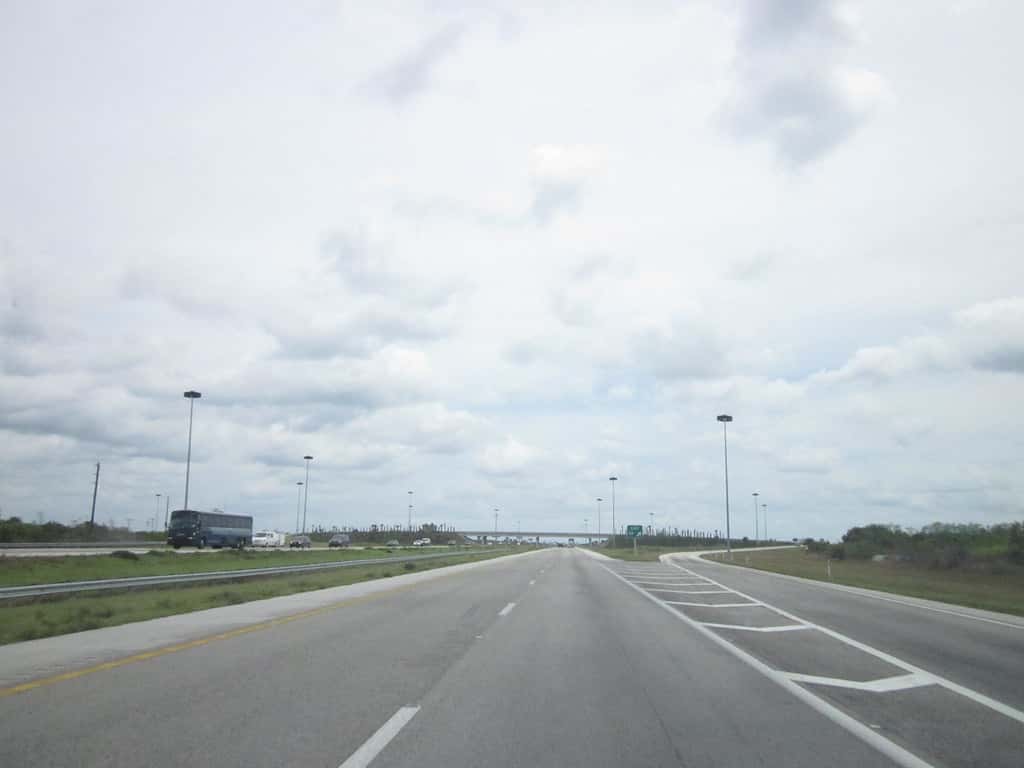
A 24-year-old Florida Department of Transportation Road Ranger was struck and killed while working a crash scene on Interstate 75 in Pasco County, and the Florida Highway Patrol has arrested a Bradenton man on a charge of DUI manslaughter, according to troopers. The fatal collision happened shortly before 8:30 p.m. on the evening of July 12 near Mile Marker 274 in the Wesley Chapel area, north of Tampa.
According to the Florida Highway Patrol, the Road Ranger had responded to an earlier two-vehicle crash and was on foot setting up a lane closure to protect the scene when he was hit. The worker, described by the agency as a 24-year-old resident of Brandon, died at the scene from his injuries. Authorities had not publicly released his identity in the immediate aftermath of the crash, pending notification of his family.
The case has drawn attention across Tampa Bay both because of the severity of the alleged impairment reported by troopers and because it involves one of the roadside workers Florida drivers see almost every day but rarely think about. It also lands during a summer stretch in which state officials have repeatedly warned about impaired driving on Florida highways.
What happened on I-75
Investigators with the Florida Highway Patrol say the sequence began with a separate wreck on the interstate. Road Rangers, part of a state-funded roadside assistance program, arrived to help manage traffic and keep the travel lanes safe for responders and passing motorists. Setting up a lane closure typically means placing cones and warning devices while standing dangerously close to moving traffic.
As the 24-year-old worker was on foot completing that task, troopers say an Acura SUV traveling on the interstate struck him. The impact was fatal. The Florida Highway Patrol closed lanes in the area for hours while investigators documented the scene, a standard step in any fatal-crash inquiry that also contributes to the traffic backups Floridians experience after serious wrecks.
Crash reconstruction on a limited-access highway is painstaking work. Investigators measure distances, photograph the roadway, examine vehicle damage and collect any available data before the scene is cleared. Those findings, combined with witness accounts and any roadside sobriety and chemical testing, form the basis of the charges that follow.
The DUI manslaughter charge
The Florida Highway Patrol identified the driver as 40-year-old Darren Jenkins of Bradenton and said he was arrested on a charge of DUI manslaughter after the crash. Troopers reported that a breath sample measured 0.334, a figure more than four times Florida's legal limit of 0.08 for driving under the influence. Jenkins was booked into the Pasco County Jail following his arrest.
Under Florida law, a person is presumed innocent unless and until proven guilty in a court of law, and the accusations against Jenkins remain allegations at this stage. DUI manslaughter is a second-degree felony in Florida, punishable by up to 15 years in prison, and it carries a mandatory minimum term for those who are convicted. Prosecutors in the local judicial circuit will decide how to proceed as the investigation is completed.
Cases built on chemical-test evidence still move through the ordinary steps of the criminal-justice system: a first appearance, the filing of formal charges by the State Attorney, arraignment, pretrial motions and, if there is no plea agreement, a trial. Defense attorneys frequently scrutinize how breath tests are administered and how evidence is collected, and those questions are resolved in court rather than at the roadside.
Who Florida's Road Rangers are
The Road Ranger Service Patrol is a free service operated through the Florida Department of Transportation. Its drivers patrol major highways to assist stranded motorists, clear disabled vehicles and debris, and provide traffic control at crash scenes so that law enforcement and medical crews can work more safely. The program is designed to reduce secondary crashes, the additional wrecks that often happen when traffic backs up behind an initial incident.
Road Rangers spend their shifts in one of the most hazardous environments on any roadway: the narrow shoulder and closed lanes of a busy interstate, feet away from vehicles traveling at highway speed. Their work is a quiet piece of public infrastructure that keeps Florida's congested corridors moving, and the people who do it face real physical risk every time they step out of the truck.
The death of a young worker performing that job has resonated with transportation employees and first responders across the state. It is a reminder that the flashing amber lights motorists pass on the interstate represent real people, often working late into the night to clear the road for everyone else.
Florida's Move Over law
Florida's Move Over law requires drivers to change lanes away from stopped emergency and service vehicles when possible, or to slow down significantly when a lane change cannot be made safely. In recent years, the Legislature expanded the law so that it covers a broader range of vehicles stopped on the roadside, including maintenance and utility vehicles displaying warning lights.
State agencies have run repeated public-awareness campaigns urging motorists to move over and slow down, citing the toll of roadside worker and responder deaths nationwide. The Florida Highway Patrol and the Department of Transportation regularly remind drivers that a moment of inattention at highway speed can be fatal for someone working just a few feet from the travel lane.
Impaired driving compounds those dangers. A driver who is under the influence has slower reaction times and impaired judgment, leaving little margin for the split-second decisions that roadside work demands from passing traffic. Advocates for roadside-worker safety say enforcement of both impaired-driving and move-over laws is essential to protecting the people who keep the highways functioning.
Impaired driving on Florida roads
Florida records thousands of alcohol-related crashes each year, and impaired driving remains a persistent contributor to the state's traffic-fatality totals. Law-enforcement agencies typically increase patrols and checkpoints during summer holidays and weekends, periods that historically see higher rates of drunk driving. Prosecutors across the state have made felony DUI cases, particularly those involving death or serious injury, a priority.
The reported breath reading in this case, if it holds up in court, would place the driver's alleged impairment far above the threshold at which the state presumes a driver is under the influence. Toxicology and testing evidence is often central to how these cases are resolved, and it is subject to legal challenge and verification during the court process.
For families of victims, the criminal case is only one part of a long aftermath. Florida also allows civil claims arising from fatal crashes, and those proceedings run on a separate track from any criminal prosecution. Both processes can take many months to resolve.
A national problem on the roadside
The death on Interstate 75 reflects a hazard that extends far beyond Florida. Across the country, workers who operate on the shoulders and closed lanes of busy highways, including tow-truck operators, service-patrol drivers, utility crews and emergency responders, face a persistent risk of being struck by passing vehicles. Struck-by incidents are among the leading causes of death for people who work in and around moving traffic, and the danger is greatest at night and on high-speed roadways like interstates.
Secondary crashes, the additional collisions that occur near an initial incident, are a central concern for traffic-safety officials. When a wreck slows or stops traffic, the resulting congestion and distraction can lead to further crashes, endangering both motorists and the crews working to clear the scene. Programs like the Road Ranger patrol exist in part to reduce those secondary crashes by clearing incidents quickly and managing traffic, but the work itself places crews in harm's way.
Transportation agencies have deployed a range of measures to protect roadside workers, from high-visibility clothing and vehicle lighting to buffer vehicles positioned to shield work zones. Some agencies have adopted technologies designed to warn drivers of workers ahead or to alert crews when a vehicle is approaching too fast. Despite those efforts, the fundamental vulnerability of a person on foot near highway-speed traffic remains difficult to eliminate.
Enforcement is another pillar of the response. Move-over laws exist in every state, and agencies periodically increase enforcement to raise awareness and change driver behavior. Officials have found that public understanding of move-over requirements is often incomplete, and campaigns aim to educate drivers about the obligation to change lanes or slow down for stopped vehicles displaying warning lights, including service and maintenance vehicles.
The addition of impairment to the roadside equation, as alleged in the Pasco County case, magnifies every risk. An impaired driver has diminished ability to perceive and react to a work zone, leaving crews with little chance to avoid a vehicle that fails to move over or slow down. That combination is precisely what safety advocates warn about, and it is why both impaired-driving and move-over enforcement are treated as priorities by Florida authorities.
What's next
The Florida Highway Patrol's investigation continues, and formal charging decisions rest with the State Attorney's office for the judicial circuit that covers Pasco County. The court file will move through first appearance and arraignment in the coming weeks, and any trial would likely be months away if the case is not resolved by a plea agreement.
State transportation officials and roadside-worker advocates are expected to use the tragedy to renew calls for drivers to obey the Move Over law and to never get behind the wheel while impaired. For the family of the 24-year-old Road Ranger, and for the coworkers who patrol Florida's highways alongside him, the loss is immediate and personal.
The Florida Press will follow the court proceedings as they develop. Until a verdict is reached, the man arrested in the case is presumed innocent, and the specific facts alleged by troopers will be tested through the evidence presented in court.
Spotted an issue with this article?
Have something to say about this story?
Write us a letterComments
No comments yet. Be the first to weigh in.
Related Coverage

Tamarac Man Held Without Bond on First-Degree Murder Charge in Stabbing Death of His Mother
1d ago
Brevard Sheriff's Homicide Agent Kevin Morris Killed by Wrong-Way Driver on I-95 While Heading to Mims Shooting Scene
2d ago
Jury Convicts Man of First-Degree Murder in Shooting Outside North Marion Middle School Awards Ceremony; Judge Imposes Life
3d ago
Jacksonville Man Gets Life for Killing Neighbor Who Lived on a Boat, Then Burning and Burying His Remains
3d ago