Dolphins Open OTAs With Malik Willis at Quarterback and Achane Locked Up
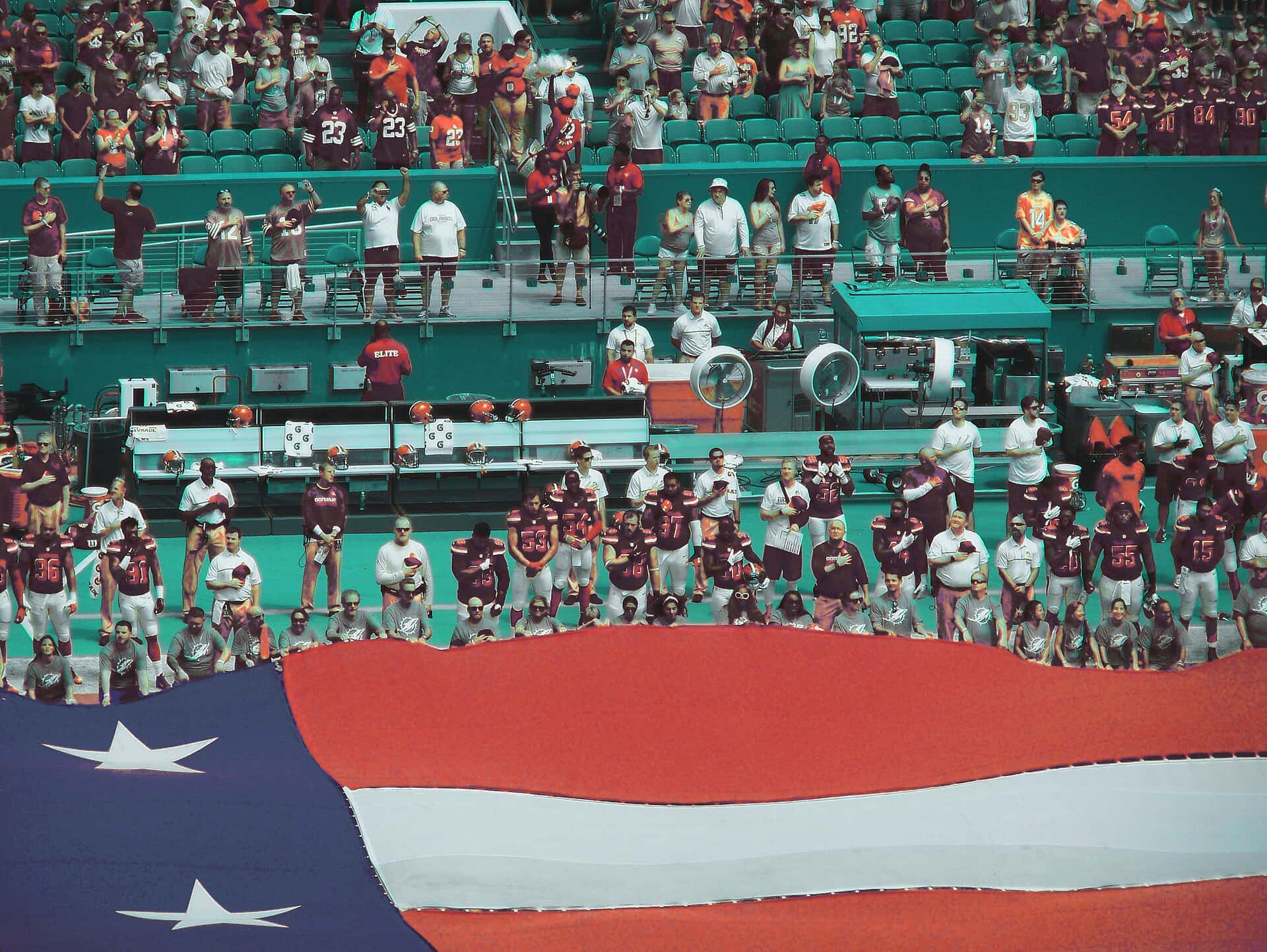
The Miami Dolphins are reshaping their roster and their identity this offseason, opening organized team activities with Malik Willis stepping in at quarterback and running back De'Von Achane locked up on a major contract extension. Head coach Jeff Hafley and the staff are roughly two months from training camp, and the early sessions are offering the first real look at a team moving past the Tua Tagovailoa era. The defense has flashed playmaking ability through the early practices as the new-look offense finds its footing in South Florida.
A new face at quarterback
The most significant change in Miami is at the game's most important position. With Tagovailoa no longer under contract with the team, Willis has emerged as the projected starting quarterback, taking the reins of an offense that is being rebuilt around new personnel and a new approach.
Willis arrives as a quarterback looking to establish himself as a franchise starter after time elsewhere in the league. The organized team activities give him the chance to build chemistry with his receivers and to absorb the offensive system in a low-pressure setting before the intensity ramps up in training camp.
The transition marks a clear turning of the page for the Dolphins, who are betting on a fresh direction at quarterback. How quickly Willis can develop rapport with his weapons and command the huddle will be one of the defining storylines of the Miami offseason.
For a player who has waited for an opportunity to lead a team, the offseason program represents a crucial proving ground. The reps Willis takes now, learning the playbook and connecting with teammates, will lay the foundation for the competition and development that follow in camp.
Achane gets paid
The Dolphins made a significant financial commitment to their backfield, signing Achane to a lucrative extension reported to be worth around $68 million. The deal secures one of the team's most dynamic offensive players and signals Miami's intent to build around his explosiveness.
Achane has been one of the most electric playmakers on the roster, a back whose speed and big-play ability stress defenses in both the run and pass games. Locking him up reflects the team's belief that he is a cornerstone piece as the offense reshapes around a new quarterback.
The investment also underscores how the Dolphins are allocating resources this offseason, prioritizing a proven young skill-position talent. Achane is, however, among the players reported to be dealing with an injury during the offseason program, something the staff will monitor as the calendar moves toward camp.
Committing major money to a running back is a notable choice in a league that has often been cautious about long-term deals at the position. The decision reflects how central Achane's playmaking is to Miami's vision for its offense and its confidence in his ability to anchor the unit.
Injuries to watch
Miami is managing a few injury situations as it works through the offseason program. Achane and offensive lineman Austin Jackson are among those reported to be dealing with injuries, and the team will be cautious with key contributors this early in the calendar.
Organized team activities are voluntary and non-contact, which limits the risk but also means teams err on the side of caution with anyone less than fully healthy. The priority at this stage is installing schemes and building conditioning rather than pushing through any physical concerns.
The health of the offensive line, in particular, will be crucial for a team breaking in a new quarterback. Protecting Willis and opening lanes for Achane will depend on the front getting healthy and cohesive before the season arrives.
With training camp still weeks away, the team has time to bring injured players back gradually. The coaching staff will weigh the value of offseason reps against the importance of having key contributors fully healthy when the games begin to matter.
The defense flashes
While the offense works through its transition, the Miami defense has reportedly shown playmaking ability in the early sessions. Hafley, who held a media availability during the second week of the program, has been overseeing a unit that is generating attention for its activity in practice.
Flashes in non-contact practices come with the usual caveats, since offenses and defenses are at different stages of installation and the absence of tackling changes the dynamic. Still, an aggressive, ball-hawking defense would give Miami a foundation to lean on as the offense matures.
The defensive performance early in the offseason is a positive sign for a team that will likely need its defense to carry some weight while the new quarterback settles in. The unit's development will be a key thread through camp and the preseason.
A defense capable of creating turnovers and getting off the field would ease the burden on a reshaped offense. For Miami, the early defensive activity offers an encouraging counterpoint to the uncertainty that accompanies a quarterback transition.
The Florida context
For South Florida football fans, the Dolphins offseason carries the weight of expectations in a market hungry for a deep playoff run. Miami's moves this offseason, from the quarterback change to the Achane extension, signal a willingness to reshape the roster in pursuit of that goal.
The Dolphins remain one of the most closely followed teams in the state, and their fortunes shape the sports conversation across the region. The transition at quarterback in particular has fueled debate among fans about the team's ceiling for the coming season.
The franchise's offseason also unfolds against a broader Florida NFL backdrop that includes active offseasons for the Buccaneers and Jaguars, giving the state's fans plenty to track as all three teams retool ahead of the season.
South Florida's passionate fan base will be watching the new-look roster closely, eager to see whether the offseason changes translate into success on the field. The Dolphins occupy a central place in the region's sports identity.
What it means for the season
The success of the Dolphins season may hinge on how quickly the new quarterback and the reshaped offense come together. If Willis can establish himself and the offense can lean on Achane's explosiveness, Miami has the skill-position talent to be dangerous.
The defense flashing early provides reason for optimism that the team can be competitive even as the offense finds its rhythm. A strong defensive unit could buy time for the offense to develop over the early part of the schedule.
Much will depend on health, chemistry and the speed of the quarterback transition. The offseason program is only the first step, but it is setting the tone for a season of significant change in Miami.
The combination of a new starting quarterback, a highly paid playmaker and a defense generating buzz creates a roster with both intriguing upside and clear questions. How those elements come together will determine whether Miami contends or rebuilds.
Expectations in a tough division
The Dolphins compete in a division that has produced consistent contenders, raising the stakes for every offseason decision. Miami's moves at quarterback and in the backfield are aimed at keeping pace in a conference where the margin between contending and missing the playoffs can be razor thin.
The transition at quarterback introduces uncertainty into those expectations. A new starter must prove he can elevate the offense and win games against quality competition, and the early part of the schedule will offer the first real measure of whether the change pays off.
The investment in Achane signals that the team intends to build a dynamic, explosive offense around its skill-position talent. If the new quarterback can distribute the ball effectively and lean on that talent, Miami has the pieces to be competitive.
The defense, generating buzz in the early sessions, could be the unit that keeps the team in games while the offense finds its footing. A strong, opportunistic defense would ease the pressure on a reshaped offense during the transition.
Ultimately, the season will test whether the offseason changes have positioned Miami to contend or whether the quarterback transition sets the team back. The answers will come on the field, but the offseason has set a clear direction for the franchise.
The offseason also gives the coaching staff time to evaluate the rest of the roster and to determine how the pieces fit around the new quarterback. Decisions about the supporting cast, from the receiving corps to the offensive line, will shape how well the offense can function in its new configuration.
Depth will be tested over the course of a long season, and the team's ability to weather injuries and slumps will factor into its success. The offseason program is where that depth begins to take shape, as players compete for roles and the staff sorts out the rotation.
For a fan base eager for a deep playoff run, the offseason offers reasons for both optimism and caution. The talent is evident, but the questions surrounding the quarterback transition mean the season's trajectory remains uncertain until the games begin.
What is next
The Dolphins will continue their organized team activities before breaking and reconvening for training camp, where the competition intensifies and the depth chart begins to take firmer shape. The preseason will offer the first game action for the new-look roster.
Miami is set to open the preseason in mid-August, with the slate building toward the regular season. Those exhibition games will give Willis and the offense valuable reps and the coaching staff a clearer read on where the team stands.
For now, the offseason picture in Miami is one of transition and investment, with a new quarterback, a paid playmaker and a defense generating early buzz. The pieces are being arranged, and the coming months will reveal whether they fit together into a contender.
Spotted an issue with this article?
Have something to say about this story?
Write a letter to the editor