FEMA Approves More Than $60 Million for Southeast Disaster Recovery, Including Florida Flood Mitigation Projects
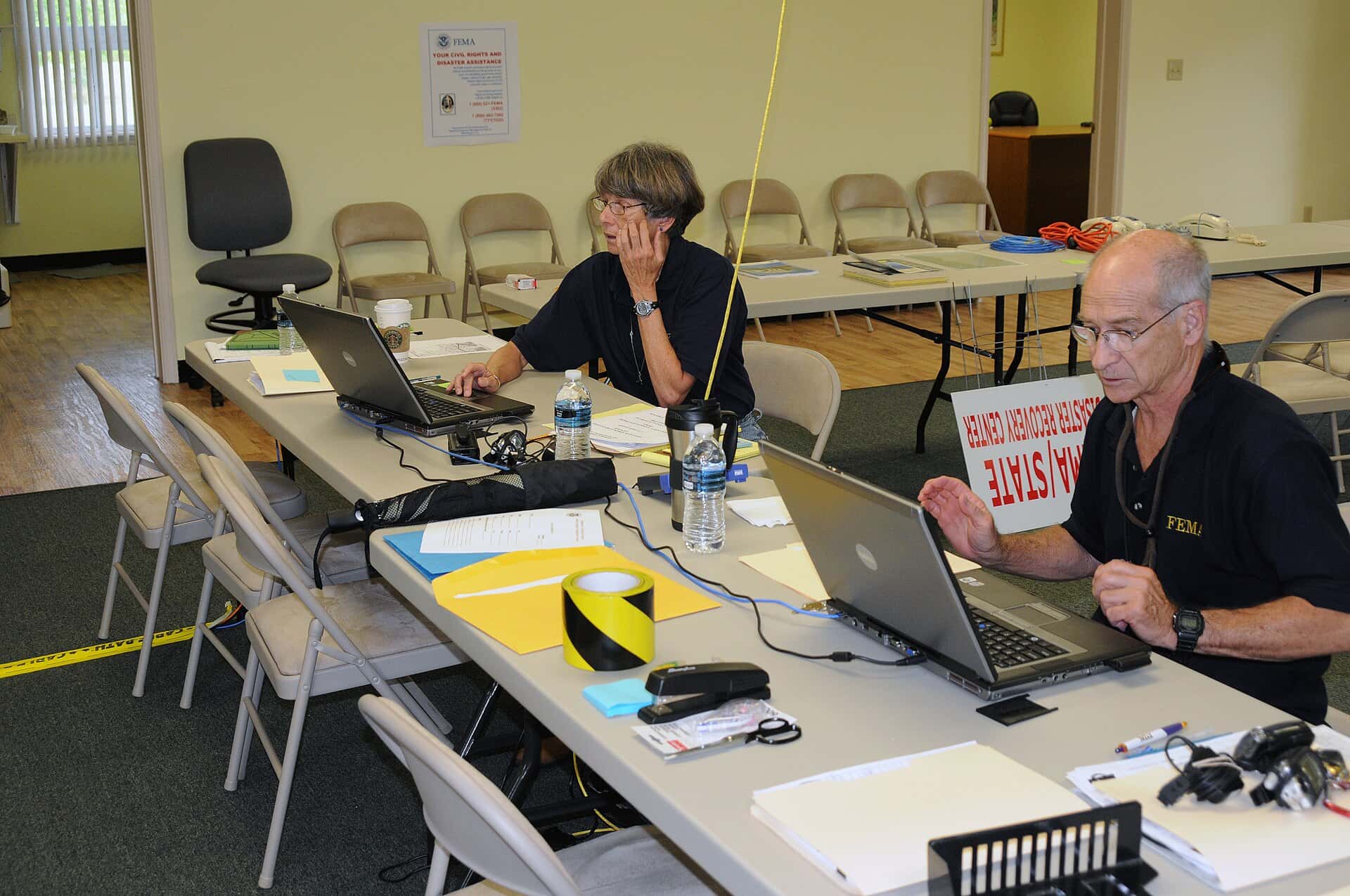
The Federal Emergency Management Agency approved more than $60 million in post-disaster recovery and hazard mitigation funding for seven southeastern states this week, with Florida among the recipients of grants supporting flood mitigation projects, emergency power infrastructure, and property resilience improvements. The announcement represents one of several rounds of federal disaster recovery investment in Florida that has flowed through the past year as the state continues recovering from hurricane and tropical weather damage and works to harden its communities against future events.
What Florida Is Receiving
The latest round of FEMA approvals directed specific funding to Florida through the agency's Hazard Mitigation Grant Program, which provides federal dollars to help state and local governments implement long-term solutions that reduce the risk and cost of future disasters. The Florida Division of Emergency Management received more than $690,000 to fund property acquisition, elevation, mitigation reconstruction, and floodproofing projects in the City of Oldsmar, a community in Pinellas County on Tampa Bay that has faced repeated flooding challenges.
Property acquisition programs funded through FEMA's mitigation grants allow local governments to purchase flood-prone properties from willing sellers, demolish the structures, and convert the land to open space that can absorb floodwater during storm events rather than generating costly property damage and insurance claims. Elevation programs provide funding to raise existing structures above the base flood elevation, reducing their vulnerability to flood damage while allowing residents to remain in place rather than relocating.
In a separate recent round of FEMA approvals, Florida was among the states receiving a share of nearly $2.65 million for generators and emergency power infrastructure at critical facilities. Critical facility hardening, which includes hospitals, emergency shelters, water treatment plants, and communication hubs, is a priority in Florida's disaster preparedness framework given the vulnerability of the state's electrical grid to hurricane-force winds and the cascading consequences that power outages have for public health and safety.
The Broader $1.2 Billion Package
Earlier in May, FEMA approved more than $1.2 billion in funding for Florida and six other southeastern states in a package that included $1.1 billion to reimburse costs related to the COVID-19 pandemic emergency and $126.5 million for natural disaster recovery. Florida's share of the pandemic reimbursement funding reflects the substantial costs the state incurred providing emergency services, protective equipment, vaccination infrastructure, and public health support during the federal emergency declaration period.
The natural disaster component of that package, combined with additional disaster-specific approvals, reflects the ongoing recovery needs that persist years after major storms strike. Hurricane recovery is not a brief process, and communities that sustained significant damage from storms in previous years continue submitting projects for FEMA review as local governments work through the process of documenting eligible costs, developing project scopes, and completing environmental and historic preservation reviews required for federal funding.
Florida has received billions in FEMA public assistance funding over the past several years related to storms including Hurricane Irma, Hurricane Michael, Hurricane Dorian, Hurricane Ian, Hurricane Idalia, and multiple other named and unnamed tropical events that have generated federal disaster declarations. Managing and tracking that portfolio of projects, ensuring compliance with federal requirements, and coordinating between state agencies and local governments is a substantial administrative function for the Florida Division of Emergency Management.
The Florida Division of Emergency Management
The Florida Division of Emergency Management serves as the state's primary liaison with FEMA and manages the flow of federal disaster funding to counties, municipalities, and state agencies. The division has been significantly tested by the volume of storms and the complexity of recovery operations in recent years, and it has received resources and staffing investments to help manage the federal grant portfolio.
Director Kevin Guthrie has emphasized the importance of timely project closeout as a priority for the agency, noting that FEMA's calculation of future grant allocations and the state's standing with the federal agency are affected by how efficiently Florida manages and closes completed projects. Delays in closing completed projects consume agency staff time and can complicate the processing of new project approvals.
The mitigation side of FEMA's portfolio, which includes the Hazard Mitigation Grant Program that funded the Oldsmar projects, is particularly significant for Florida because it represents an investment in reducing future disaster costs rather than simply reimbursing past ones. Every dollar invested in pre-disaster mitigation reduces the expected future disaster cost by several dollars, according to analyses conducted by FEMA and independent researchers. For a state as exposed to hurricane risk as Florida, the mitigation program represents a critical tool for long-term resilience.
Hurricane Season Timing and Preparedness
The timing of the latest FEMA funding announcement, coming just days before the June 1 official start of the Atlantic hurricane season, underscores the intersection of recovery and preparedness that defines Florida's relationship with tropical weather. While communities in Pinellas County and elsewhere are implementing mitigation projects funded by FEMA, they are simultaneously preparing for the possibility of new storm impacts beginning this summer.
NOAA's 2026 Atlantic hurricane season forecast predicts a below-normal season due to El Nino conditions, but Florida emergency managers have consistently emphasized that seasonal outlooks do not reduce the importance of preparedness at the individual, community, and government level. A below-average season in total storm count does not eliminate the risk of a single devastating storm tracking toward Florida.
Florida's counties have been completing required hurricane preparedness activities including updating evacuation plans, testing shelter capacity and operations, reviewing mutual aid agreements with neighboring counties and states, and conducting public outreach on evacuation zones, emergency supplies, and insurance. The work is conducted through the emergency management network that links FEMA, the state division, and county emergency management offices into a coordinated system.
Flood Insurance and Community Rating
FEMA also administers the National Flood Insurance Program, which is the primary source of flood insurance for most Florida property owners. The NFIP provides flood coverage for properties in participating communities that adopt and enforce floodplain management regulations consistent with federal standards. Florida has one of the highest numbers of NFIP policies in force of any state in the country, reflecting both the geographic flood risk and the breadth of flood-prone properties across the peninsula.
Many Florida communities participate in FEMA's Community Rating System, which provides discounts of up to 45 percent on NFIP flood insurance premiums for communities that take flood management actions beyond the minimum federal requirements. Communities that invest in mitigation projects, public information programs, and regulatory enhancements earn credit points that translate into premium discounts for their residents and businesses. The City of Oldsmar's FEMA-funded mitigation projects are consistent with the types of activities that earn Community Rating System credit.
What Is Next
FEMA will continue processing pending project applications from Florida local governments through the summer and into the fall, releasing additional funding as projects complete the environmental and historic preservation review processes required for approval. The Division of Emergency Management has indicated it will prioritize projects in communities with demonstrated flood risk and high vulnerability to storm impacts.
For Florida residents, the most practical takeaway from the ongoing flow of FEMA mitigation funding is that local mitigation projects genuinely reduce the risk and cost of future disaster impacts. Homeowners in communities where FEMA-funded elevation or acquisition programs are active should engage with their local government to understand whether their property is eligible to participate. For those in high-risk flood zones who do not live in a project area, the next best risk reduction step is maintaining adequate flood insurance coverage and taking individual mitigation steps such as elevating HVAC systems and electrical panels and installing flood vents in foundation enclosures.
Spotted an issue with this article?
Have something to say about this story?
Write us a letterComments
No comments yet. Be the first to weigh in.
Related Coverage

Florida Voters Face Few New Rules on Nov. 3 as Other GOP States Roll Out Citizenship and ID Laws
7h ago

Florida Leads the Nation in ICE Detainer Arrests as Local Police Take a Growing Role, New Data Show
8h ago
Federal Government Again Asks Miami Judge to Toss Lawsuit by Nearly 1,000 Cubans With I-220A Papers
8h ago
Alvaro Pulido, Alex Saab's Longtime Partner, Heads to Miami Federal Court After Arrest in Venezuela Bribery Case
9h ago