Florida Democrats Gather for Primary Forum as August 18 Nominating Contest Approaches
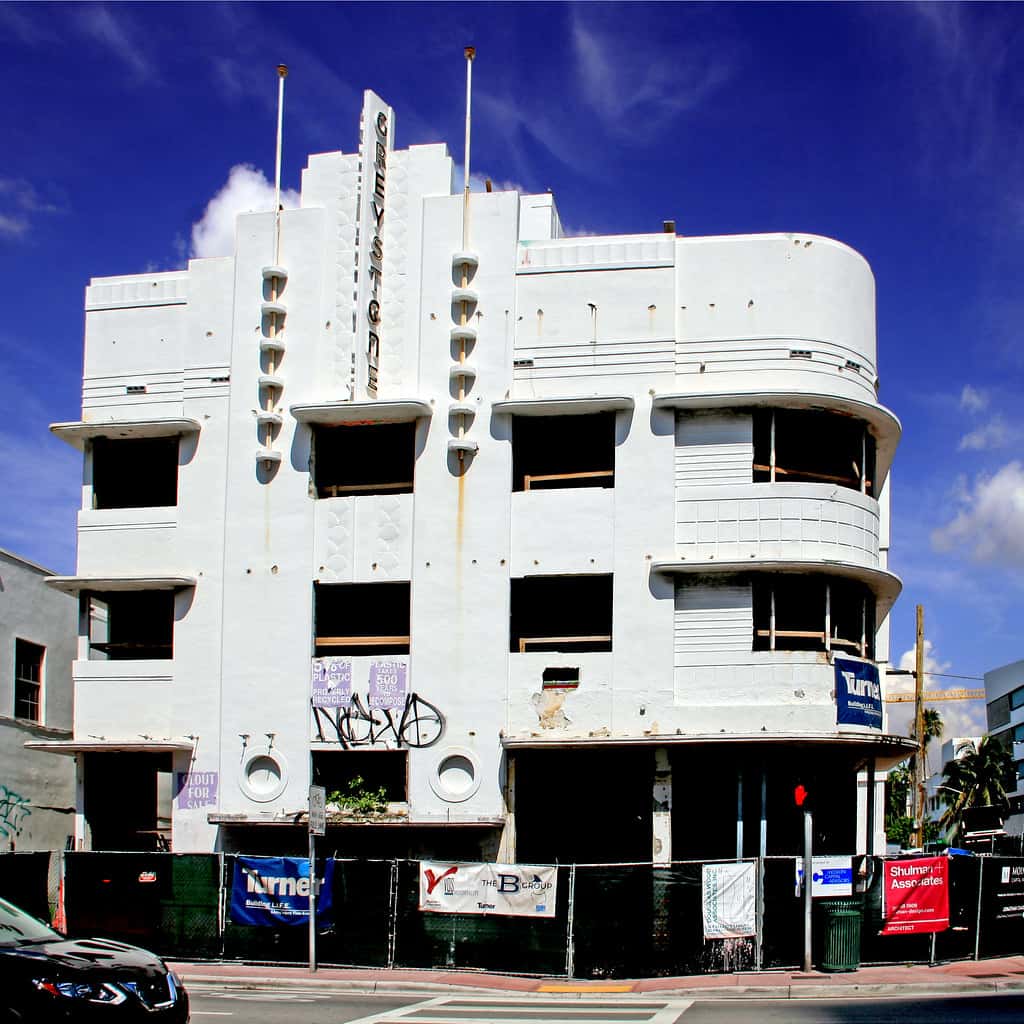
Democratic candidates for statewide, congressional and legislative offices gathered in Miami Beach this week for a primary forum, sharpening their pitches to voters ahead of Florida's August 18 nominating contest. The event, hosted by Democratic organizations at a beachfront venue, offered one of the clearer previews yet of how the party intends to compete in a state that has trended Republican in recent cycles.
The forum brought together contenders running up and down the ballot, from candidates seeking statewide office to those competing for seats in Congress and the Florida Legislature. With the primary now weeks away, the gathering functioned as both a rallying point for the party faithful and a proving ground for candidates still introducing themselves to voters.
For Florida Democrats, the stakes are high. The party has struggled to win statewide in recent elections, and the August primary will determine which candidates carry its banner into November. The forum underscored both the energy among activists and the steep climb the party faces in a state where Republicans hold every statewide office and commanding majorities in the Legislature.
What happened at the forum
The event assembled Democratic candidates for a range of offices and gave them a platform to lay out their priorities before primary voters. Organizers framed it as an opportunity for the party's contenders to draw contrasts with one another and with the Republican incumbents and front-runners they hope to challenge in the fall.
Forums like this one serve a practical purpose in a sprawling state with expensive media markets. For candidates who cannot afford to blanket television in Miami, Tampa, and Orlando, a shared stage offers visibility and a chance to reach engaged voters and donors who will help shape the primary's outcome.
The Miami Beach setting also signaled the importance of South Florida to Democratic ambitions. The region remains one of the party's most vital sources of votes, even as Republicans have made inroads with Hispanic voters in Miami-Dade County in recent cycles, a shift that has reshaped the political map of the state's most populous county.
Events of this kind also test the discipline of a campaign as much as its message. With multiple candidates sharing a stage, voters and party insiders watch for who can deliver a memorable line, who fumbles under pressure, and who manages to sound both passionate and electable at once. For lesser-known contenders, a strong showing can attract the volunteers and small-dollar donors who make a primary campaign viable, while a weak one can quietly end a candidacy long before the votes are counted.
The Florida context
Florida's August 18 primary will set the November ballot for a long list of contests, including statewide races that will test whether Democrats can rebuild a competitive coalition. The party enters the cycle in a defensive crouch after losing ground in registration and at the ballot box, with Republicans now holding a voter-registration advantage that was once unthinkable in the state.
The 2026 cycle carries added weight because it includes the race to succeed Governor Ron DeSantis, who is term-limited. An open governor's seat typically draws intense interest and heavy spending, and Democrats see the contest as their best opportunity in years to reset the state's political trajectory, even as Republicans remain favored.
Down-ballot races for Congress and the Legislature will also shape policy on issues ranging from property insurance and housing to education and the environment. Control of legislative seats determines which party drives the agenda in Tallahassee, making even individual district races consequential for the direction of state policy.
The shift in voter registration is among the most striking features of the current landscape. For most of the state's modern political history, Democrats held a registration edge, and the reversal of that advantage reflects years of organizing by Republicans, demographic change, and the movement of new residents into the state. Rebuilding from that position requires Democrats to do more than win over undecided voters; it requires re-energizing parts of their own coalition that have grown less reliable at the ballot box, a task that begins with the kind of turnout efforts on display at gatherings like the Miami Beach forum.
The issues in play
Affordability has emerged as a dominant theme in Florida politics, and Democratic candidates are expected to press hard on the cost of living, including soaring housing prices, property insurance premiums, and the broader squeeze on family budgets. Those pocketbook concerns cut across party lines and offer Democrats a potential opening with voters frustrated by the price of living in the state.
Property taxes have also moved to the center of the debate, with a proposed constitutional amendment on homestead taxes set to go before voters in November. Candidates of both parties are navigating how to address tax relief without gutting funding for schools and local services that depend on property-tax revenue.
Other issues likely to feature in the campaign include public education, reproductive rights, immigration, and the state's response to hurricanes and climate risk. How candidates position themselves on these questions during the primary will shape the contrasts voters see in the general election.
The affordability message carries particular force in Florida because the cost pressures are so visible in daily life. Homeowners have watched insurance premiums climb, renters have absorbed steep increases, and families that once saw the state as an affordable place to settle now confront prices that rival far larger metropolitan areas. Democrats are betting that frustration over these costs can break through partisan loyalties, though Republicans will counter that the state's growth, low taxes, and economy remain a draw and that their stewardship is the reason so many people continue to move in.
What it means for voters
For Democratic voters, the forum and the approaching primary are an invitation to weigh in on the direction of their party at a pivotal moment. The choices made on August 18 will determine not only individual nominees but also the message and tone Democrats carry into a high-stakes November.
For the broader electorate, the primary season is the opening act of a campaign that will saturate Florida's airwaves through the fall. Voters across the political spectrum will soon face a barrage of advertising as candidates compete for attention in one of the nation's largest and most expensive battlegrounds.
Election administration also matters. Voters should confirm their registration status, party affiliation, and polling information ahead of the primary, since Florida's closed-primary system generally limits participation in partisan primaries to registered members of the party. Mail-ballot and early-voting options will be available, but deadlines apply.
The closed-primary rule has practical consequences that catch some Floridians off guard each cycle. Voters registered with no party affiliation, a fast-growing share of the electorate, are generally barred from casting ballots in partisan primaries, which means many residents who consider themselves independents will sit out the August contest entirely. Those who wish to participate must ensure their registration reflects their intended party well before the deadline, since changes made too close to election day will not take effect in time. Checking that status early is the single most reliable way for a voter to avoid being turned away.
Reaction and outlook
Party organizers cast the forum as a sign of renewed energy among Florida Democrats, pointing to candidate turnout and activist engagement as evidence the party intends to compete aggressively. They argue that affordability and an open governor's race give Democrats a credible path back to relevance.
Republicans, for their part, enter the cycle confident after a run of statewide victories and with significant fundraising and organizational advantages. The GOP will look to nationalize the campaign and tie Democratic candidates to unpopular positions, while Democrats try to keep the focus on local cost-of-living concerns.
Independent analysts caution that a single forum tells little about the eventual outcome, but it does mark the start of the sprint to August. The candidates who emerge from the primary with momentum, money, and a clear message will be best positioned for the general-election fight to come.
Money will be a constant subtext of the campaign. Florida is one of the most expensive states in which to run, with media markets that stretch from the Panhandle to the Keys and require enormous sums to reach voters at scale. That reality tends to reward candidates who can raise funds early and consistently, and it can sideline contenders with compelling messages but thin bank accounts. For Democrats in particular, the fundraising gap with Republicans has been a recurring obstacle, making the support that candidates can demonstrate during the primary season an early indicator of their staying power.
A party seeking a path back
Beyond any single race, the 2026 cycle represents a broader test of whether Florida Democrats can reverse a decade of decline. The party that once competed for and frequently won the state's highest offices has watched its margins erode in regions it once counted on and its statewide candidates fall short by widening margins. Rebuilding will likely be the work of more than one election, and strategists within the party have debated whether the answer lies in sharper messaging, deeper investment in year-round organizing, or a fundamental rethinking of which voters the party can realistically win.
The open governor's race gives that debate an immediate focus. Without an incumbent of either party, the contest offers a relatively level field on which a well-funded and disciplined Democratic nominee could test the limits of the state's Republican tilt. History counsels caution, since Florida has repeatedly disappointed Democrats who believed a particular cycle would be their breakthrough. Still, the combination of an open seat and acute economic anxiety has given the party a sense of possibility that was largely absent in recent campaigns, and the forum reflected that cautious optimism.
What's next
The campaign now accelerates toward the August 18 primary, with candidates ramping up advertising, fundraising, and grassroots organizing across the state. Additional forums and debates are likely as contenders seek to break out of crowded fields.
After the primary, attention will shift immediately to the November general election, where the stakes include the governorship, congressional seats, legislative control, and the property-tax amendment. The summer contests will set the stage for a fall campaign expected to draw national attention and heavy spending.
For now, Florida voters can expect a steady stream of campaign activity as the primary nears. The Miami Beach forum was an early marker in a long political season that will ultimately decide the balance of power in the nation's third-largest state.
Spotted an issue with this article?
Have something to say about this story?
Write a letter to the editor