Florida Health Officials Warn of Dengue and Measles Threats This Summer

Florida health officials are warning of two distinct disease threats this June 2026, urging residents and travelers to take precautions against both a mosquito-borne illness and a resurgent vaccine-preventable disease. The dual warnings, centered on dengue and measles, reflect the range of public health challenges facing the state as it heads deeper into a warm and wet summer season.
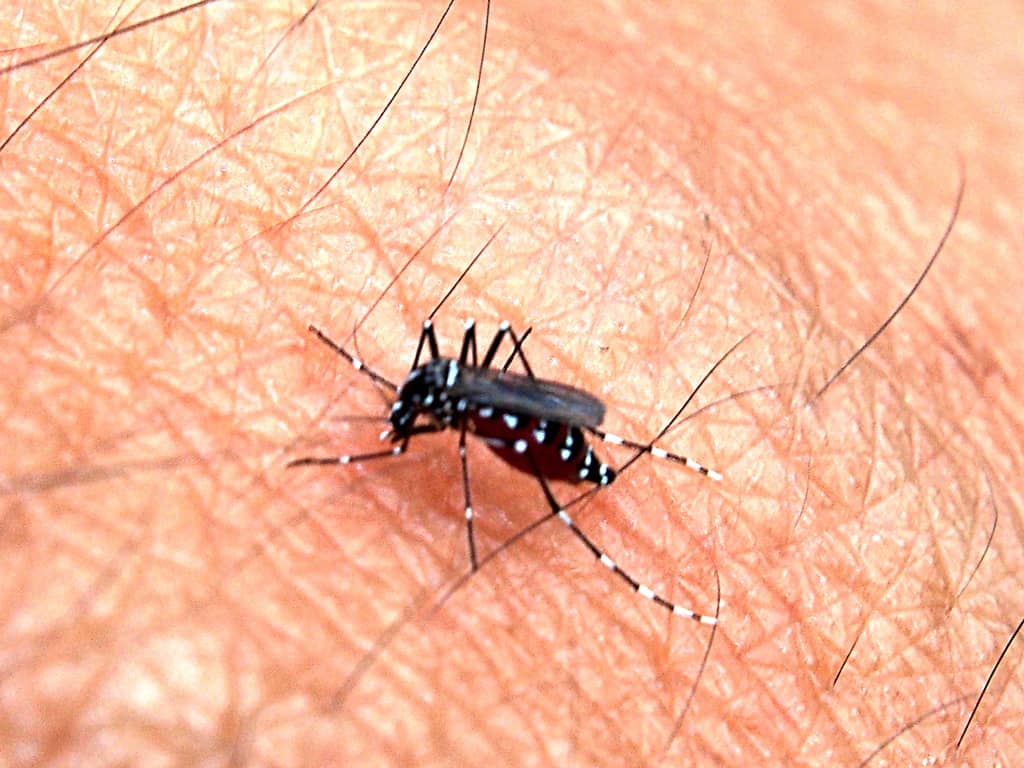
The first concern is dengue, a viral illness spread by mosquitoes that thrives in tropical and subtropical climates. Miami-Dade County maintained an active mosquito-borne illness alert through June 2026, urging residents to step up personal protection as the state enters the time of year when mosquito populations surge. The second concern is measles, a highly contagious respiratory disease that has resurfaced in pockets across the country, including in Florida.
Together, the two warnings illustrate how Florida's climate and population dynamics combine to create persistent public health pressures. The Florida Department of Health, alongside Miami-Dade health officials and the federal Centers for Disease Control and Prevention, has been tracking both threats and advising the public on how to reduce risk heading into the peak of summer.
Dengue and the Miami-Dade Alert
Miami-Dade County's decision to maintain an active mosquito-borne illness alert through June 2026 reflects heightened vigilance about dengue as mosquito season ramps up. Health officials in the county have urged residents to take personal protective measures, including the use of insect repellent and the draining of standing water around homes where mosquitoes breed. Those steps form the front line of defense against a disease for which prevention centers on avoiding bites.
The urgency is reinforced by national trends. The CDC reported a roughly 359 percent rise in U.S. dengue activity heading into peak mosquito season, a sharp increase that has put health departments across warm-weather states on alert. While that figure describes activity nationally rather than a single local count, it signals the broader environment in which Florida's mosquito-control efforts are operating this summer.
Dengue is transmitted primarily by certain mosquito species that breed in small pools of standing water, often close to where people live. That breeding behavior is why officials place such emphasis on emptying containers, gutters, and other vessels that collect rainwater. In a state where summer rains are frequent and standing water can accumulate quickly, eliminating those breeding sites is among the most effective tools residents have.
The symptoms of dengue can range from mild to severe, and the illness is sometimes described by the painful body aches it can produce. While many cases resolve on their own, a portion of patients can develop more serious complications that require medical attention. Because there is no specific cure for the infection, prevention through bite avoidance and the elimination of breeding habitat remains the principal line of defense. The Miami-Dade alert and the personal protection it urges are grounded in that reality, placing responsibility on residents to deny mosquitoes the conditions they need to thrive near homes and neighborhoods.
Florida's Climate as a Driver
Florida's warm, wet summer climate is a central reason the state faces elevated risk from mosquito-borne diseases like dengue. The combination of heat, humidity, and abundant rainfall creates ideal conditions for mosquitoes to breed and for the viruses they carry to circulate. As temperatures climb and afternoon storms recur through the summer, the window of greatest mosquito activity opens wide.
That climatic backdrop helps explain why South Florida in particular tends to be a focal point for mosquito-borne illness alerts. The region's subtropical environment supports year-round mosquito activity that intensifies in the warmer months, and its position as a hub for international travel can introduce cases from areas where dengue is more widespread. Local transmission can follow when infected travelers are bitten by local mosquitoes that then spread the virus.
For residents, the practical takeaway is that the season itself amplifies the risk, making consistent personal protection important throughout the summer rather than only during a specific outbreak. Officials emphasize that the same basic measures, repellent use and the elimination of standing water, remain effective regardless of the particular disease in circulation, since they target the mosquitoes that carry several illnesses.
Measles Cases Across the State
The second warning concerns measles, and the numbers attached to it are notable. The Florida Department of Health has reported about 154 measles cases in the state in 2026, a tally that places Florida among the states most affected by the disease's national resurgence. Recent cases have been identified in Orange and Palm Beach counties, signaling that the illness is appearing in multiple parts of the state.
Florida ranks fourth nationally for 2026 measles infections, behind South Carolina, Utah, and Texas, according to the figures health officials have cited. That ranking situates the state's experience within a broader national trend in which measles, once declared eliminated as a continuous presence in the United States, has returned in clusters tied to gaps in vaccination coverage. The appearance of cases in populous counties like Orange and Palm Beach underscores the potential for wider spread.
Measles is among the most contagious diseases known, capable of spreading rapidly among people who are not immune. The virus can linger in the air and on surfaces, and a single case can lead to many more in settings where vaccination rates are low. That contagiousness is why public health authorities treat even modest case counts as a serious matter requiring prompt attention and clear public messaging.
The disease typically begins with symptoms that resemble a common respiratory illness, including fever and cough, before progressing to the characteristic rash that gives measles its name. While many cases resolve, the illness can lead to serious complications, particularly in young children and others with weakened defenses. The reappearance of measles in states across the country, with Florida ranking fourth nationally for 2026 infections, reflects how quickly a disease once held in check can return when the conditions for transmission are present. The cases identified in Orange and Palm Beach counties place that national trend squarely within Florida's borders.
The Importance of Vaccination
Unlike dengue, which currently has no widely deployed preventive measure beyond avoiding mosquito bites in the Florida context, measles is preventable through vaccination. The measles vaccine has a long track record of effectiveness, and high community vaccination rates are what historically kept the disease in check across the United States. The resurgence of cases has refocused attention on the importance of maintaining that protective coverage.
Health officials emphasize vaccination as the central tool for halting measles transmission. When a sufficiently large share of a community is immunized, the virus struggles to find susceptible hosts, protecting even those who cannot be vaccinated, such as infants too young for the shot or individuals with certain medical conditions. The erosion of that collective protection is what allows outbreaks to take hold.
For Florida families, the practical guidance is to ensure that vaccinations are up to date, particularly ahead of travel and in the lead-up to school seasons when children gather in close quarters. The Florida Department of Health's reporting of recent cases in Orange and Palm Beach counties serves as a reminder that the disease is present within the state and not merely a distant concern, reinforcing the value of staying current on recommended immunizations.
Public health officials also note that vaccination protects more than the individual who receives it. Because measles spreads so easily, maintaining high immunization rates across a community is what prevents isolated cases from turning into broader outbreaks. When coverage slips, even in a relatively small group, the virus gains the foothold it needs to circulate. That collective dimension is part of why the resurgence of measles has drawn such concern from authorities, who view widespread vaccination as a shared safeguard rather than a purely personal choice.
Guidance for Residents and Travelers
For residents and travelers alike, the two warnings translate into a set of concrete precautions. To guard against dengue and other mosquito-borne illnesses, officials recommend applying insect repellent, wearing protective clothing when practical, and diligently draining standing water from around the home. These measures reduce both the likelihood of being bitten and the number of mosquitoes able to breed nearby.
Travelers face particular considerations on both fronts. Those visiting areas where dengue is more common should be especially attentive to bite prevention, and those planning any travel are encouraged to confirm that their measles vaccinations are current, since the disease can be encountered both within Florida and beyond its borders. The intersection of travel and disease transmission is a recurring theme in how both illnesses spread.
The combined message from the Florida Department of Health, Miami-Dade health officials, and the CDC is that simple, consistent actions can meaningfully reduce risk. Personal protection against mosquitoes and up-to-date vaccination against measles address the two threats through different but complementary means. Officials frame these steps as straightforward measures that residents can adopt without disruption to daily life.
What's Next
As summer deepens, the trajectory of both threats will depend in part on how widely residents adopt the recommended precautions. Mosquito activity is expected to remain elevated through the warm and wet months, keeping dengue on the radar of health departments in South Florida and beyond. Continued vigilance around standing water and repellent use will be central to limiting local transmission.
On measles, the path forward hinges largely on vaccination coverage and the prompt identification of new cases. With about 154 cases already reported in the state in 2026 and Florida ranking fourth nationally, health officials are likely to keep close watch on counties where recent cases have emerged, including Orange and Palm Beach. Early detection and immunization remain the key levers for containing further spread.
The Florida Department of Health, Miami-Dade health officials, and the CDC are expected to continue monitoring both diseases and updating their guidance as conditions evolve through the season. For now, the dual warnings stand as a call for Florida residents and travelers to take basic, proven precautions against two very different but simultaneously present public health threats.
Spotted an issue with this article?
Have something to say about this story?
Write a letter to the editor