Florida Lawmakers Approve $114.5 Billion State Budget in Special Session After Months-Long Deadlock
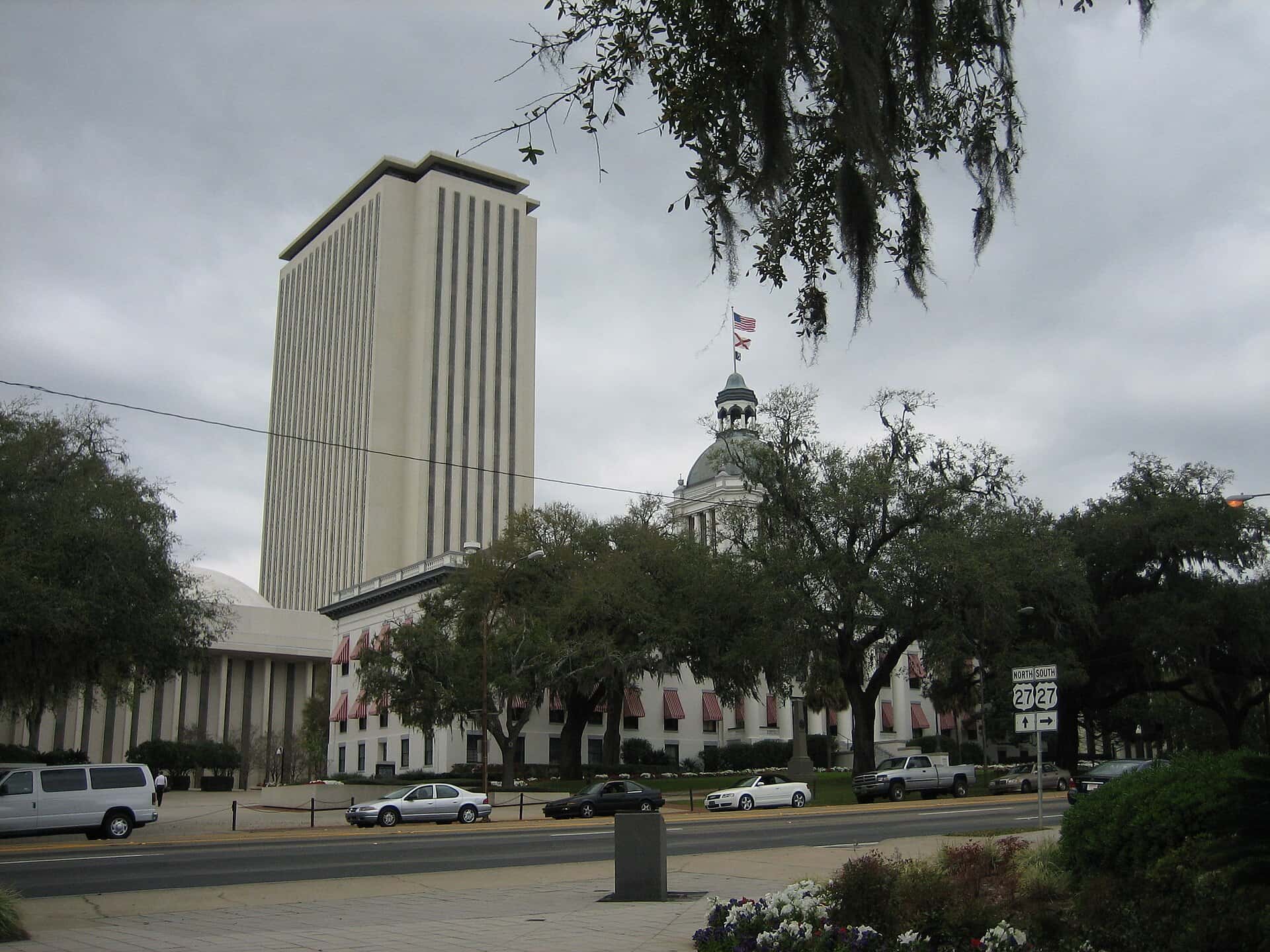
Florida lawmakers overwhelmingly approved a $114.5 billion spending plan on Friday, wrapping up a special session that was called after the Legislature failed to pass a budget during its regular 2026 session. The Senate voted unanimously for the plan, and the House approved it 99 to 6, sending the budget to Governor Ron DeSantis for his signature before the new fiscal year begins on July 1.
Why a Special Session Was Required
The Florida Legislature adjourned its regular 2026 session in March without passing a state budget, an unusually consequential breakdown that sent the chambers into a period of extended negotiations. The House, led by Speaker Daniel Perez, insisted on trimming the overall spending level below the current year's budget of more than $115 billion, while the Senate, led by President Ben Albritton, preferred to maintain funding at roughly current levels.
The gap between the two chambers was not merely philosophical. School districts, state agencies, local governments, and advocacy groups that depend on state appropriations spent weeks in uncertainty, unable to finalize their own planning because the state's funding commitments were unresolved. By late May, both chambers agreed that completing the budget during a special session was preferable to allowing the standoff to carry into the summer.
The final $114.5 billion figure landed below what the Senate originally sought but above the floor the House initially proposed during the regular session. If the signed budget holds at that level, it would mark the second consecutive year that Florida reduced overall spending from the prior year's plan.
Education Funding Highlights
Education received the largest single allocation in the budget, with $30 billion directed toward K-12 public schools statewide. The spending plan also includes $201 million in teacher pay increases, though the raises carry a restriction that limits eligibility to teachers who have completed at least 10 years of service. The raise is capped at $3,000 per year per qualifying educator.
School districts across Florida had been bracing for the outcome of the special session. Central Florida districts including Orange and Seminole counties were projected to receive modest increases in per-pupil funding, while other districts faced potential cuts or flat funding when adjusted for enrollment changes and rising healthcare costs. Orange County Public Schools, one of the largest districts in the country, was on track to receive approximately $2.1 billion, a roughly 3 percent increase over the current year.
Notably absent from the final spending plan is the preeminent university funding designation, a category that previously channeled additional dollars to Florida's top-performing public universities as a reward for meeting research and academic benchmarks. Lawmakers opted to eliminate that funding line entirely, a decision that drew criticism from university administrators and research advocates who said it undermined the state's long-term higher education goals.
School Vouchers and Choice Scholarships
Both the House and Senate agreed to maintain the $4.5 billion allocation for homeschool and private school scholarships under Florida's universal school choice programs. The voucher funding was a priority for Republican leaders and DeSantis, who signed the expansion of universal school choice into law in 2023 and has made it a signature policy achievement.
The maintained allocation comes as Florida's school choice programs face a legal challenge. The Florida Education Association filed a lawsuit in May arguing that voucher funding for private schools violates the state Constitution's requirement for a uniform, efficient, and high-quality system of free public schools. The lawsuit is working its way through the courts and was not a factor in the budget deliberations, but it will be closely watched as the new fiscal year begins.
Key Budget Provisions Beyond Education
The budget includes $196 million in support for Florida's beleaguered citrus industry, which has faced a combination of devastating freezes, the ongoing citrus greening disease caused by an invasive bacterial pathogen, and encroachment from residential and commercial development. The citrus sector, once central to Florida's agricultural identity, has seen production decline dramatically over the past two decades, and industry groups lobbied heavily for state support to keep remaining growers viable.
Healthcare received significant attention as well. The Cancer Innovation Fund was funded at $20 million, and the AIDS Drug Assistance Program received $75 million. Moffitt Cancer Center, a nationally recognized research institution in Tampa, was allocated $1.5 million for a cancer pathology digitization project aimed at advancing early detection capabilities. The budget also retains funding for Medicaid, the state's health insurance program for low-income residents, though supplemental Medicaid payments have recently become the subject of federal scrutiny under the One Big Beautiful Bill Act.
Fiscal Reserves and Budget Discipline
Speaker Perez emphasized the maintenance of significant budget reserves as one of the session's key fiscal accomplishments. The budget keeps $14 billion in reserve for as-needed state spending, a figure that includes $8.6 billion in unallocated general revenue reserves and $5.7 billion in the Budget Stabilization Fund. Perez argued that maintaining those reserves positions Florida to weather economic uncertainty and potential federal funding disruptions without resorting to cuts in essential services.
Florida has benefited in recent years from strong revenue growth driven by in-migration, a robust tourism sector, and elevated real estate transaction volumes. However, some economists have warned that rising insurance costs, affordability pressures on households, and potential changes in federal transfer payments could dampen revenue growth in the coming fiscal year, making the reserve cushion more important.
Dissenting Voices and Legislative Criticism
The six House votes against the budget came from members on both ends of the political spectrum. Some conservative members objected that the final spending level remained too high relative to the House's original target, while others expressed concerns about specific line items or the lack of structural changes to how the state funds local governments. Democrats, despite being in the minority, generally did not block the budget, with most choosing to support passage over a protracted standoff that would have complicated school district and agency planning.
Advocacy groups representing public school teachers and administrators expressed frustration that the teacher pay increase was limited to educators with 10 or more years of experience, arguing that the structure does little to attract new teachers to a profession already struggling with recruitment and retention challenges. Beginning teachers, who advocates say are the most difficult positions to fill in high-need districts and subjects, receive no increase under the enacted plan.
What Is Next
The budget now goes to Governor DeSantis, who can sign it, veto it in its entirety, or use his line-item veto authority to strike specific appropriations while allowing the rest to take effect. DeSantis has used his line-item veto authority aggressively in past budget cycles, and observers expect him to review individual allocations closely. If no vetoes are issued, or once the remaining budget takes effect after any vetoes, state agencies will begin operating under the new spending levels on July 1.
The Legislature's attention during the special session also includes the governor's property tax proposal, with the chambers expected to vote on a joint resolution to place an exemption expansion on the November ballot. Florida residents, school districts, and local governments will be watching that proceeding closely as yet another significant fiscal decision moves forward before the fiscal year change.
Spotted an issue with this article?
Have something to say about this story?
Write us a letterComments
No comments yet. Be the first to weigh in.
Related Coverage
Annette Taddeo Ad Accuses CFO Blaise Ingoglia of Corruption as Polls Show Florida's CFO Race Tied
10h ago
Manatee County Freezes Data Center Applications for a Year as Commissioners Float a Permanent Ban
1d ago

Miami Voters to Decide $450 Million Police and Fire Bond as City Carries Heavy Debts and Pension Bills
2d ago

Martin County's MARTY Buses Stop Cold After Operator Walks Away From Contract, Stranding Riders on the Treasure Coast
2d ago