A Remade Dolphins Team Reports to Camp Without Tua and With a New Head Coach
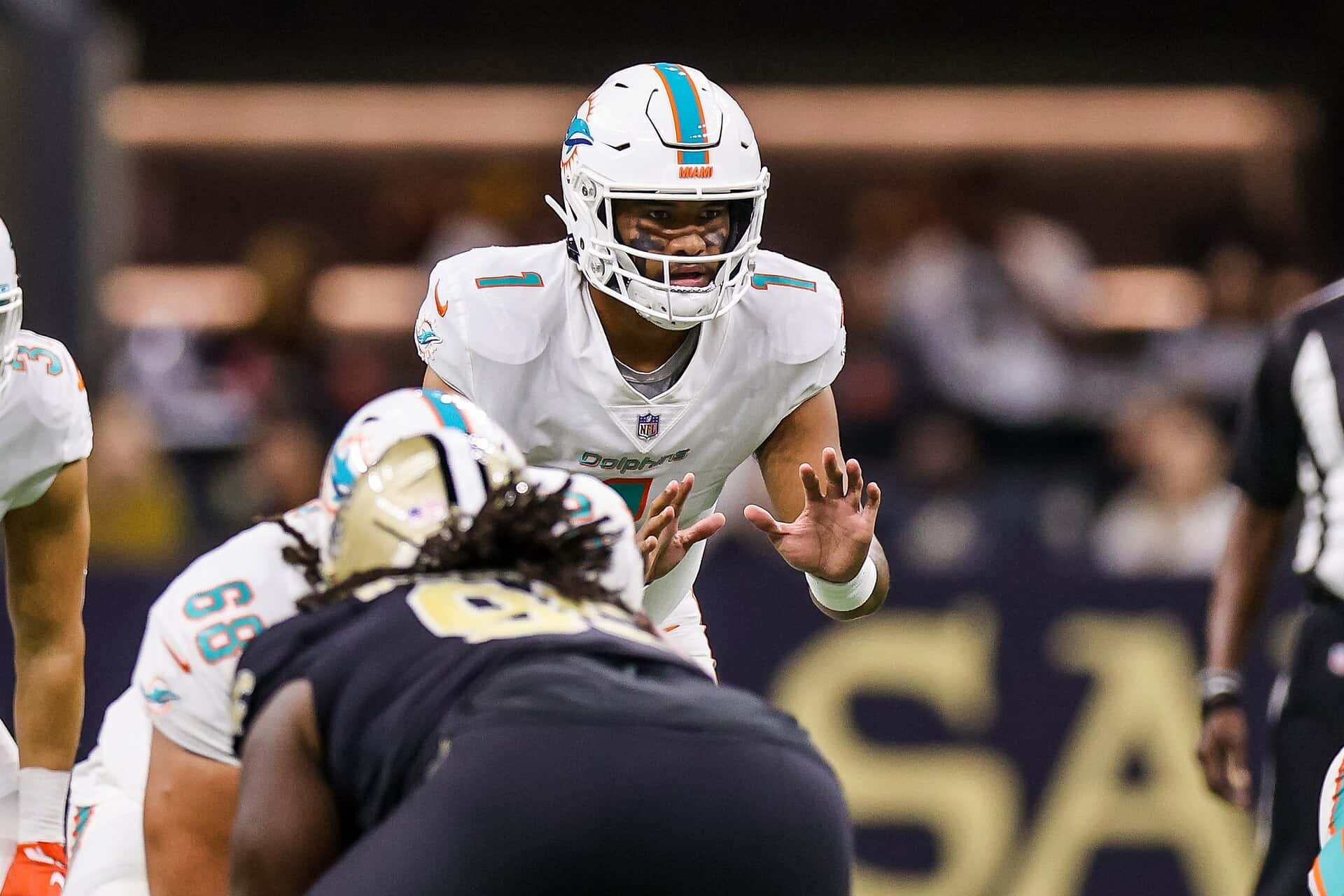
The Miami Dolphins are about to look very different. As the team prepares to open training camp at the end of July, it will do so under new head coach Jeff Hafley and without quarterback Tua Tagovailoa, the face of the franchise for the past several seasons. After an offseason of sweeping change that saw veterans depart and a wave of new talent arrive, the Dolphins are entering a new era, and training camp will offer the first real look at what that era might hold.
A dramatic offseason overhaul
The Dolphins did not tinker at the margins this offseason. They tore down and rebuilt. The most consequential move was parting ways with Tagovailoa, who was released in March and quickly signed a one-year deal with the Atlanta Falcons. Moving on from a starting quarterback who had been the centerpiece of the offense signaled that the organization was committed to a fundamental reset rather than a minor retooling.
The changes did not stop there. The team also traded away receiver Jaylen Waddle, subtracting another familiar face from the offense, and saw several significant veterans depart. In their place, the Dolphins added an infusion of youth through the draft, including first-round offensive tackle Kadyn Proctor and first-round cornerback Chris Johnson, along with second-round linebacker Jacob Rodriguez and third-round receiver Chris Bell. The roster that reports to camp will bear little resemblance to the one that closed out the previous season.
An overhaul of this magnitude carries both risk and opportunity. Shedding veteran salaries and adding young talent can position a team for the future, but it often comes with growing pains in the near term. The Dolphins have chosen to accept short-term uncertainty in pursuit of building a roster that fits a new vision.
The Jeff Hafley era begins
Presiding over the transformation is new head coach Jeff Hafley, who inherits the challenge of integrating a substantially new roster and establishing his approach and culture. A coaching change of this kind resets expectations and gives players a clean slate, but it also demands that a coach quickly build cohesion among a group of players who, in many cases, are new to one another and to the system.
Hafley faces the classic challenge of a new head coach taking over a team in transition. Training camp is his first extended opportunity to install his schemes, evaluate his personnel and set the tone for how the team will operate. The decisions he makes in the coming weeks, from the quarterback situation to the shape of the depth chart, will define the early trajectory of his tenure.
The quarterback question looms as the most pressing. With Tagovailoa gone, the Dolphins must determine who will lead the offense, and how the team addresses that position will be one of the defining storylines of camp. The answer will shape the offense's identity and the team's ceiling for the season.
Bracing for growing pains
With so much turnover, expectations for the Dolphins have been tempered heading into the season. Analysts have cautioned that a roster with this many new pieces, a new coach and a new quarterback situation should brace for growing pains. Building chemistry, establishing roles and developing young players all take time, and the early part of the season could be bumpy as the pieces come together.
Yet a reset also brings genuine opportunity. Young players drafted to be foundational pieces will get the chance to prove themselves, and a new coaching staff can implement a fresh approach unburdened by the past. Teams that undergo significant overhauls sometimes struggle initially before finding their footing, and the Dolphins appear to be positioning themselves for a longer-term build rather than a win-now push.
For a fan base accustomed to the Tagovailoa era, the transition requires patience. The familiar faces are gone, replaced by unproven newcomers, and the results may take time to materialize. Training camp will provide the first evidence of how the rebuild is progressing and which young players are ready to contribute.
What to watch in camp
Several storylines will command attention when the Dolphins convene. The quarterback competition or plan sits at the top of the list, as the team sorts out who will run the offense. The development of the draft class, particularly the first-round picks expected to play significant roles, will be closely monitored. And the way Hafley shapes the roster and establishes his systems will offer clues about the team's direction.
The offensive line, bolstered by the addition of Proctor, and the secondary, strengthened by Johnson, are areas where the Dolphins invested premium draft capital, signaling their priorities. How quickly those young players adapt to the professional game will influence the team's competitiveness. Camp battles for roster spots and starting jobs will also play out, as a remade roster sorts itself into a depth chart.
Health and conditioning, always factors in training camp, take on added importance for a team relying on young players who must prove they can hold up over a demanding season. The coaching staff will be evaluating not just talent but readiness and durability.
The South Florida sports context
The Dolphins' reset comes at a lively moment in South Florida sports. The region has been captivated by the World Cup, energized by Inter Miami and Lionel Messi, and treated to a surprising Marlins season. The Dolphins, as the area's NFL franchise, remain a central part of the sports landscape, and their fortunes carry significant weight with fans.
A rebuilding year tests the loyalty and patience of a fan base, but it also generates intrigue about the future. The influx of young talent gives fans new players to follow and reasons to project what the team might become. The Dolphins' brand and following ensure that the team will command attention regardless of the standings, and the new era brings a fresh set of questions and possibilities.
The logic of a rebuild
The Dolphins' decision to tear down and rebuild reflects a calculation familiar across professional sports. When a team concludes that its current roster has reached its ceiling without achieving its goals, a reset can offer a path to a higher ceiling, even at the cost of short-term pain. Shedding veteran contracts creates financial flexibility, and accumulating young talent through the draft builds a foundation for the future.
Parting with an established starting quarterback is the clearest signal of a full commitment to that approach. Such a move indicates that the organization believes its previous core could not deliver a championship and that a new direction offers better long-term prospects. It is a bold bet, one that carries real risk if the young players and new systems do not develop as hoped, but also real upside if they do.
The trade of a productive receiver and the departure of other veterans reinforce the strategy. Rather than paying to keep an aging core together, the Dolphins have chosen to reallocate resources toward youth and future flexibility. The draft class, headlined by first-round investments in the offensive and defensive lines, represents the building blocks the team hopes will form the nucleus of its next competitive window.
Rebuilds test the patience of fans and the resolve of organizations, and they do not always succeed. The teams that navigate them well identify and develop the right young players while establishing a culture and system that maximize their potential. The Dolphins are betting that their offseason overhaul has positioned them to do exactly that, and the coming seasons will render the verdict on that gamble.
The weight of expectations
Every new era in a franchise's history begins with a recalibration of expectations, and the Dolphins enter this one with the bar deliberately lowered. After an offseason of dramatic turnover, few observers expect the team to contend immediately, and the organization itself appears focused on a longer horizon. Managing expectations is part of the challenge for a rebuilding team, both internally among players and coaches and externally among a fan base accustomed to competing.
For the coaching staff, the task is to establish a culture and a standard even as results may lag. Rebuilding teams often measure progress not only in wins but in development, cohesion and the emergence of young players into reliable contributors. The coaching staff will look for signs that the foundation is taking shape, and those markers may matter as much as the win-loss record in the early going. Building the right habits and identity is the groundwork for future success.
The fan base faces its own adjustment. Supporters who cheered a competitive team must now embrace a period of transition, finding satisfaction in the promise of young talent rather than the immediate pursuit of a championship. That shift can be difficult, but it also brings the intrigue of watching a new group develop and imagining what the team might become. The Dolphins' passionate following will remain engaged, even as the nature of that engagement changes.
The stakes for the organization are significant. A rebuild that succeeds can set up years of contention, while one that falters can prolong a franchise's struggles and cost jobs. The decisions made this season, from the handling of the roster to the development of the draft class, will shape the trajectory of the franchise for years. For a team that chose to reset rather than retool, the pressure to get the rebuild right is real, and the coming season marks the first measure of whether the bold offseason will pay off.
The season ahead
The Dolphins' 2026 season will be a story of transition, a year in which a remade roster and a new coaching staff work to establish an identity and a direction. Training camp marks the beginning of that process, the first step in translating an aggressive offseason into results on the field.
Whether the changes pay off quickly or require time to develop, the Dolphins have committed to a new path. The Tagovailoa era is over, the Hafley era has begun, and a roster full of new faces will try to prove that the overhaul was worth it. For Dolphins fans, training camp offers the first glimpse of what comes next, and the start of a season that will reveal whether Miami's bold reset points the franchise toward brighter days.
Spotted an issue with this article?
Have something to say about this story?
Write a letter to the editorComments
No comments yet. Be the first to weigh in.
Related Coverage
Ashton Daniels Runs for Five Touchdowns as Florida State Routs Virginia 38-7
11h ago

Drew Rasmussen Takes No-Hitter Into Eighth as Rays Blank Yankees 1-0 in ALDS Game 1
1d ago
No. 8 Florida Gators Routed 45-17 at No. 25 Missouri, Suffer First Loss Under Jon Sumrall
1d ago

Miami Heat open Giannis Antetokounmpo era with preseason game in Quebec City
1d ago