Florida Measles Cases Hit 25-Year High as Dengue Alert Stays Active in Miami-Dade

Florida is confronting two distinct public-health threats this summer, with measles cases climbing to their highest single-year total in about a quarter century and Miami-Dade County keeping an active alert for mosquito-borne illness as dengue activity surges nationally. The Florida Department of Health reported 154 measles cases statewide through May 23, 2026, a figure that marks the state's worst measles year in roughly 25 years.
The dual threats matter for Florida because both are preventable, and both are arriving at the height of the summer travel and rainy season, when conditions favor their spread. Measles, an extraordinarily contagious virus, can be stopped with vaccination. Dengue, spread by mosquitoes that thrive in Florida's warm, wet summers, can be blunted by mosquito control and personal protection. Health officials across the state have urged residents to take both seriously.
The measles total placed Florida fourth nationally for 2026 cases, behind South Carolina, Utah, and Texas, according to the state health department. An earlier outbreak on Florida's west coast contributed to the year's elevated count, illustrating how quickly the virus can spread once it gains a foothold in a community with gaps in vaccination coverage.
Measles Returns at a 25-Year High
The 154 measles cases reported through May 23 represent a sharp departure from the low case counts Florida saw in most recent years. Measles was declared eliminated from the United States in 2000, meaning it no longer spreads continuously within the country, yet outbreaks continue to flare wherever vaccination rates dip below the level needed to maintain community protection.
That Florida recorded its highest single-year total in about 25 years signals an erosion of the protective barrier that vaccination provides. Measles spreads through the air and can linger in a room after an infected person has left, making it one of the most contagious diseases known. A single case can touch off a chain of infections among those who are not immune.
Florida's fourth-place national ranking, behind South Carolina, Utah, and Texas, places it among the states hardest hit in 2026. The earlier outbreak on the state's west coast served as an early warning, showing how the virus can take hold and spread before public-health responses bring it under control.
The Case for Vaccination
Public-health officials have framed the measles surge around a single, well-established prevention tool: vaccination. The measles vaccine is highly effective, and widespread immunization is what keeps the virus from spreading freely. When enough people in a community are vaccinated, even those who cannot be, such as infants too young for the shot, gain a measure of indirect protection.
The rise in cases to a 25-year high suggests that protection has weakened in parts of Florida. Each unvaccinated person represents a potential link in a transmission chain, and clusters of unvaccinated individuals can allow the virus to spread rapidly once introduced, often by a traveler returning from an area where measles is circulating.
Summer travel heightens the risk. As Floridians travel and visitors arrive from around the world, the chances of measles being introduced into communities rise. Health officials have emphasized that staying current on vaccination is the most reliable way to guard against the virus, both for individuals and for the broader community.
A Separate Threat From Mosquitoes
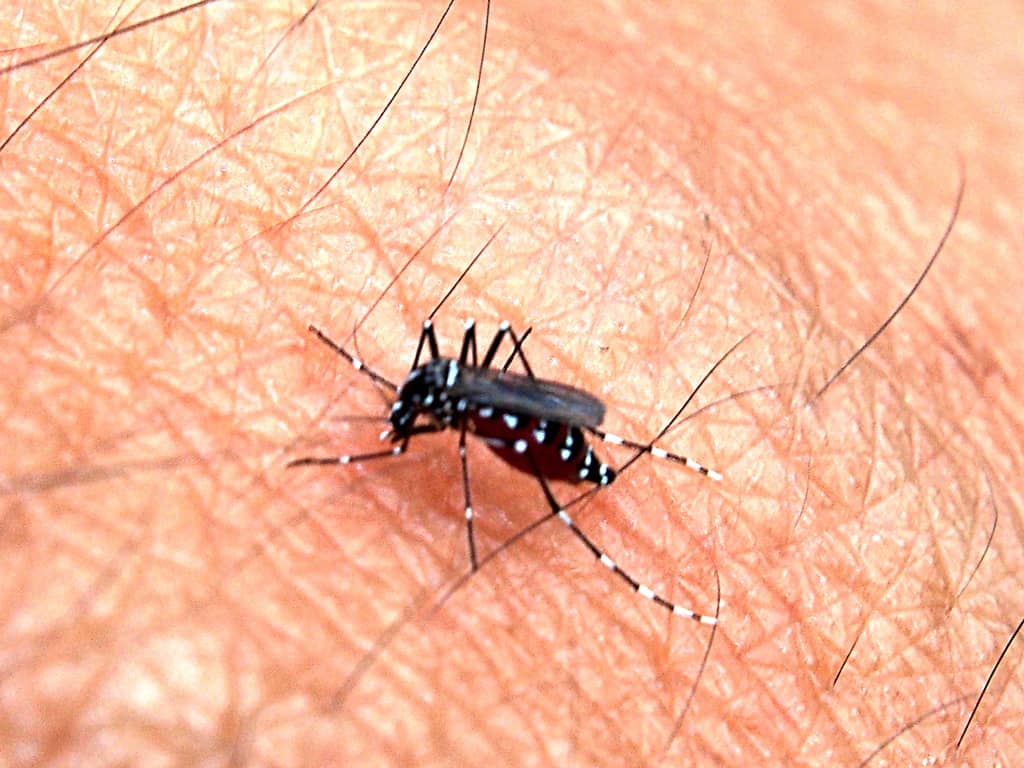
While measles spreads person to person, the second threat facing Florida this summer comes from mosquitoes. Miami-Dade County health officials have maintained an active mosquito-borne illness alert through June 2026, urging residents to step up personal protection as the rainy season expands the breeding grounds for the insects that carry dengue and other diseases.
The alert comes against a backdrop of rising dengue activity nationally. Centers for Disease Control and Prevention surveillance shows a roughly 359 percent increase in U.S. dengue activity compared with historical averages, a dramatic jump that has put health departments across the country on heightened watch. Florida, with its subtropical climate and heavy summer rains, sits squarely in the path of that trend.
Dengue produces fever, severe aches, and in serious cases can become life-threatening. There is no specific treatment, which makes prevention the central line of defense. Mosquito control and personal protection, rather than medical intervention after the fact, are what stand between residents and infection during the peak summer months.
Travel-Associated and Local Cases
Florida's dengue picture combines cases brought in by travelers with those acquired locally. The state reported 431 travel-associated dengue cases statewide in 2025, infections in people who contracted the disease abroad and returned to Florida. Such cases can seed local transmission if mosquitoes bite an infected person and then spread the virus to others nearby.
Locally acquired dengue, infections contracted within Florida, numbered 154 in 2023 and 91 in 2024. Those figures show that the virus has been circulating within the state in recent years, not merely arriving with travelers. The presence of local transmission underscores why Miami-Dade's alert focuses on the conditions, standing water and unprotected exposure, that allow mosquitoes to spread the disease close to home.
The interplay between travel-associated and locally acquired cases makes the summer travel season especially significant. As more people move in and out of Florida and dengue activity climbs nationally, the potential for travelers to introduce the virus into communities with abundant mosquitoes grows, raising the risk of local outbreaks.
Drain and Cover
For dengue, the prevention message centers on a simple phrase that Florida health officials have long promoted: drain and cover. Draining standing water removes the places where mosquitoes lay their eggs, and covering skin and homes reduces the chances of being bitten. Both steps are within the reach of ordinary residents, which makes community participation central to controlling the threat.
Standing water collects in everyday objects: flowerpots, gutters, buckets, tarps, and discarded containers. After Florida's frequent summer rains, these can fill quickly and become breeding sites within days. Regularly emptying them denies mosquitoes the still water they need to reproduce, cutting the population at its source.
Covering, the second half of the message, means wearing protective clothing, using repellent, and ensuring window and door screens keep mosquitoes out of living spaces. Together, draining and covering form a layered defense that, when widely adopted, can meaningfully reduce the risk of dengue transmission across a neighborhood.
Why Florida Sits on the Front Line
Florida's geography and climate place it among the states most exposed to mosquito-borne disease. Its subtropical environment, heavy summer rains, and busy international travel connections combine to create conditions in which viruses like dengue can both arrive and spread. Few other states face the same convergence of factors.
The state's role as a hub for travel, particularly to and from regions where dengue is common, increases the likelihood that infected travelers will introduce the virus. The 431 travel-associated cases reported statewide in 2025 reflect that exposure, and each represents a potential spark for local transmission if the right mosquitoes are present nearby.
Once introduced, the virus finds a hospitable environment in Florida's warm, wet summers. The same rains that nourish the state's landscape also fill the countless small containers where mosquitoes breed, sustaining the populations capable of carrying dengue from person to person. This combination of imported cases and favorable local conditions is what keeps Florida on the front line of the national dengue picture.
A Shared Burden on Communities
Both threats, measles and dengue, place demands not only on individuals but on the communities and health systems that respond to them. Measles outbreaks require contact tracing and public-health investigation to identify and contain exposures, work that consumes resources and time. A surge to a 25-year high stretches those capacities.
Dengue prevention, meanwhile, depends heavily on collective action. Mosquito-control programs treat standing water and monitor populations, but their effectiveness is amplified when residents do their part by draining containers and protecting themselves. The active alert in Miami-Dade reflects an effort to mobilize that community-wide participation as the rainy season peaks.
The shared nature of these burdens reinforces the prevention message at the heart of both stories. Vaccination protects not only the individual but those around them who cannot be vaccinated, and mosquito control works best as a neighborhood effort rather than an isolated one. In both cases, individual choices ripple outward to shape the health of entire communities across Florida.
What's Next
With the summer travel and rainy season underway, Florida faces an extended period of elevated risk on both fronts. The measles count, already at a 25-year high through late May, could climb further if the virus continues to find unvaccinated communities, making vaccination the key variable in how the rest of the year unfolds.
Miami-Dade's active mosquito-borne illness alert is expected to remain a focus through the summer months, the stretch when warm temperatures and frequent rain create ideal conditions for mosquitoes. Health officials are likely to keep urging residents to drain standing water and protect themselves, especially as national dengue activity stays far above historical norms.
For Floridians, the two threats share a common theme: both are largely preventable through individual and community action. Staying current on measles vaccination and consistently practicing drain-and-cover habits give residents direct control over their risk. As travel peaks and the rains continue, public-health officials are counting on that participation to keep both the measles surge and the dengue threat in check through the season ahead.
The coming weeks will test how well that message lands. Measles transmission can accelerate quickly where vaccination gaps exist, and a single introduced case can grow into a cluster before public-health teams contain it. The state's fourth-place national ranking through late May leaves little margin, and whether the count climbs further or levels off will depend heavily on community immunization.
On the dengue front, the trajectory of the summer rains will shape the risk. Heavier and more frequent rainfall expands mosquito breeding grounds, while sustained community efforts to drain standing water can blunt that effect. With national dengue activity far above historical norms and Miami-Dade's alert still in force, the balance between those forces will determine how the season unfolds across South Florida and beyond.
Spotted an issue with this article?
Have something to say about this story?
Write a letter to the editor