Florida Red Tide Stays Quiet Heading Into Summer as Water Management Reforms Show Promise
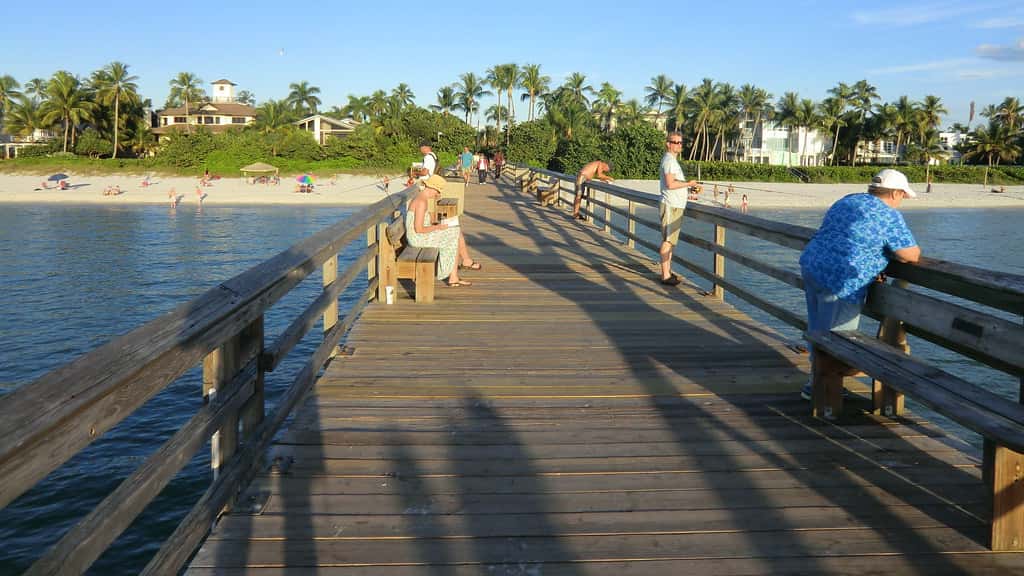
Florida's southwest coast is heading into summer with little sign of the toxic algae that has plagued its beaches and marine life in past years. The Florida Fish and Wildlife Conservation Commission reported this week that respiratory irritation suspected to be related to red tide had not been reported along the coast over the past week, a quiet stretch that comes as new forecasting tools and water management reforms offer cautious optimism for the future.
Red tide, caused by blooms of the microscopic organism Karenia brevis, has been a recurring scourge for Florida's Gulf coast, killing fish and marine mammals, fouling beaches, and triggering respiratory problems for people onshore. A calm period is welcome relief for coastal communities whose economies depend on clean water and healthy beaches, and it arrives alongside scientific and policy developments that researchers hope will reduce the severity of future outbreaks.
The current status
State wildlife officials, who monitor red tide conditions through regular water sampling along the coast, found the Gulf relatively clear in their latest assessment. No significant respiratory irritation tied to red tide was reported over the past week, and the commission had scheduled a status report to keep the public informed of conditions heading into the summer.
The FWC maintains daily sampling maps and a telephone hotline that members of the public can call for current conditions, tools designed to give beachgoers, anglers, and coastal residents up-to-date information. Red tide conditions can change quickly, so officials encourage residents to check the latest data before heading to the water during the warmer months when blooms are more likely.
While the present calm is encouraging, scientists caution that red tide is notoriously unpredictable. Blooms can form offshore and move toward the coast with shifting winds and currents, sometimes appearing with little warning. The quiet conditions are a snapshot, not a guarantee for the rest of the season.
What red tide does
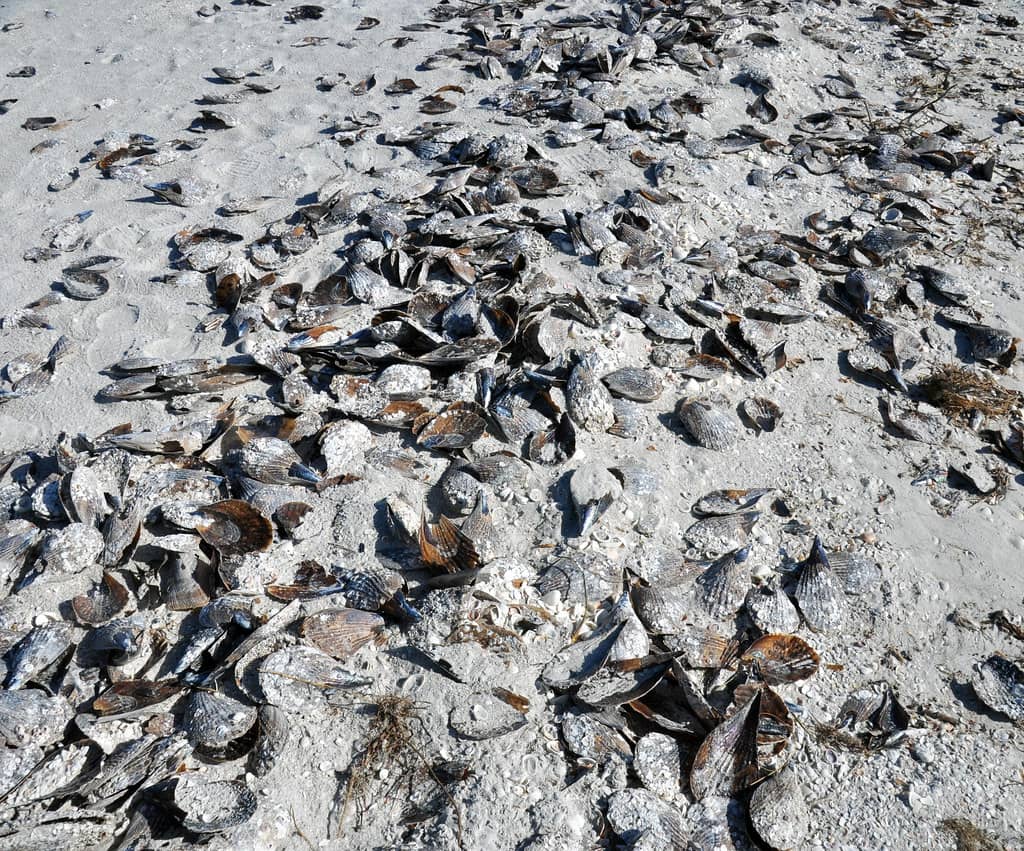
Red tide blooms produce potent toxins that can devastate marine ecosystems. The toxins kill fish in large numbers, and the resulting die-offs can wash up on beaches in waves, creating both an ecological and an economic problem for coastal communities. The blooms also harm larger marine animals, including manatees, dolphins, and sea turtles.
For manatees in particular, red tide is especially deadly. The toxin acts as a neurotoxin, causing seizures that can lead the gentle marine mammals to drown. Since record-keeping on red tide deaths began in 1982, Florida has experienced repeated major die-offs in years of severe blooms, underscoring the threat these events pose to the state's beloved and vulnerable manatee population.
The human health effects, while generally less severe, are significant for coastal residents and visitors. Wind can carry red tide toxins inland, causing coughing, sneezing, and respiratory irritation, particularly for people with asthma or other respiratory conditions. During heavy blooms, the effects can keep tourists away and shutter beachfront businesses.
New tools and reforms
Recent years have brought developments that scientists hope will improve Florida's ability to predict and manage red tide. A red tide forecasting system became operational, providing early-warning capabilities that can give communities more time to prepare and respond. Better forecasting helps officials, businesses, and residents make informed decisions about beach access and public health.
Researchers have also been testing new treatments aimed at reducing bloom intensity. Scientists at Mote Marine Laboratory have reported that certain experimental treatments reduced algae levels by more than 70 percent in laboratory and field trials, raising the possibility of more active intervention against blooms in the future. While such treatments remain in development, they represent a promising avenue for mitigating the worst effects.
On the policy side, water management reforms are designed to reduce the nutrient pollution that can fuel blooms. A revised operating manual for releases from Lake Okeechobee aims to cut harmful discharges into coastal estuaries by directing more water south through the Everglades, the natural path that decades of engineering had disrupted.
The Everglades connection
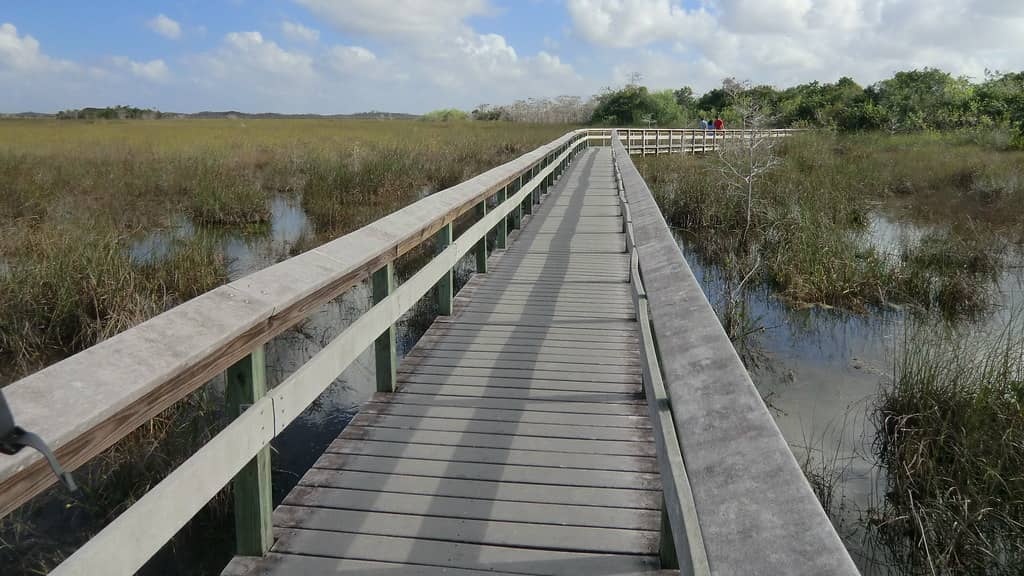
The health of Florida's coasts is deeply tied to how the state manages its water, and the Everglades sits at the center of that relationship. For generations, water that once flowed slowly south through the Everglades was diverted, and excess water from Lake Okeechobee was discharged east and west into estuaries, carrying nutrients that can feed algae blooms and degrade water quality.
Restoration efforts seek to restore more of the natural southward flow, easing the pressure to dump nutrient-laden water into the coastal estuaries where it can contribute to blooms. The updated Lake Okeechobee release schedule is part of that broader effort, reflecting a recognition that inland water management and coastal water quality are inextricably linked.
The Everglades restoration project is one of the largest environmental undertakings in the country, involving state and federal agencies in a decades-long effort to repair a damaged ecosystem. Progress on that front carries implications well beyond the Everglades themselves, reaching the beaches and estuaries that define life along Florida's Gulf coast.
Monitoring and public information
Florida has developed an extensive system for monitoring red tide and informing the public, reflecting the importance of the issue to the state's coastal communities. Regular water sampling along the coast allows officials to track the presence and concentration of the organism that causes blooms, providing the data that underpins forecasts and public advisories.
The Florida Fish and Wildlife Conservation Commission maintains tools that make this information accessible, including daily sampling maps and a telephone hotline that residents and visitors can use to check conditions. These resources help people make informed decisions about beach visits and outdoor activities, particularly during the warmer months when blooms are more likely.
The combination of monitoring, forecasting, and public communication represents a coordinated effort to manage the impacts of red tide on a state where so much of life centers on the coast. As the science of prediction improves, these tools continue to enhance the ability of communities to anticipate and respond to blooms, even during quiet periods like the present.
What it means for Floridians
For coastal residents and the businesses that depend on tourism and fishing, the quiet red tide conditions are a reason for cautious relief as summer arrives. Clean beaches and healthy water draw visitors and support the local economies of Florida's Gulf communities, and a calm season would be a boon after years of disruptive blooms.
For those who cherish Florida's marine wildlife, the absence of red tide means a lower immediate threat to manatees, dolphins, and other species vulnerable to the toxin. Given the devastating die-offs of past bloom years, a quiet stretch offers a measure of respite for animals already facing multiple pressures.
Residents are encouraged to stay informed through the FWC's monitoring tools, especially as the warmer months progress and conditions become more conducive to blooms. The current calm is good news, but red tide's unpredictability means awareness remains the best defense.
The economic stakes for coastal communities
Red tide is not only an environmental problem but an economic one, with severe blooms capable of inflicting significant damage on the coastal communities that depend on clean water and healthy beaches. Tourism, fishing, and waterfront commerce all suffer when blooms drive away visitors and foul the shoreline.
During heavy blooms, beachfront hotels, restaurants, and businesses can see sharp declines as tourists cancel plans and locals avoid the affected areas. The respiratory irritation that red tide causes makes the beach unpleasant or unhealthy, directly undercutting the appeal that draws people to Florida's Gulf coast in the first place.
The fishing industry, both commercial and recreational, bears a heavy burden as well. Fish kills deplete local populations and disrupt the activity that supports charter operations, bait shops, and seafood businesses. The cumulative economic toll of a bad bloom season can run high, rippling through communities whose livelihoods are tied to the water.
For these reasons, the current quiet conditions carry real economic value beyond their environmental benefit. A summer free of significant blooms supports the tourism and fishing economies that sustain Florida's Gulf communities, making the absence of red tide a welcome development for the region's businesses and workers as the peak season unfolds.
The science of harmful algal blooms
Red tide is caused by blooms of Karenia brevis, a microscopic organism that occurs naturally in the Gulf of Mexico. Under certain conditions, populations of the organism explode into concentrations dense enough to discolor the water and produce the toxins that harm marine life and irritate human respiratory systems.
The factors that trigger and sustain blooms are complex and not fully understood, involving a combination of ocean currents, temperature, and nutrient availability. Blooms typically originate offshore and can be transported toward the coast by winds and currents, where they cause the most visible and disruptive effects on beaches and estuaries.
Nutrient pollution from human activity can intensify blooms once they reach nearshore waters, which is why water management and pollution reduction figure prominently in efforts to address the problem. The connection between inland water management, nutrient runoff, and coastal blooms is an area of active scientific and policy attention in Florida.
Advances in monitoring and forecasting have improved the ability to track blooms and warn the public, while research into treatments offers hope for more active intervention in the future. Understanding the science behind red tide is essential to managing its impacts, and the ongoing research in Florida laboratories contributes to that knowledge even during quiet periods like the present one.
What's next
State scientists will continue their regular monitoring through the summer and into the fall, the period when red tide blooms have historically been most likely. The forecasting system and ongoing research will play a growing role in how Florida anticipates and responds to any blooms that develop.
The longer-term outlook depends in part on the success of water management reforms and Everglades restoration, efforts that aim to address the root causes that can intensify blooms. For now, Florida's coast is enjoying a rare quiet spell, and residents and officials alike will be hoping it holds through the months ahead.
Spotted an issue with this article?
Have something to say about this story?
Write a letter to the editor