Florida Wins Federal Approval for State-Run Atlantic Red Snapper Management, Opens Expanded 39-Day Recreational Season Starting May 22

Florida recreational fishermen will have more opportunities to pursue one of the Gulf and Atlantic coast's most prized fish this year after Governor Ron DeSantis announced that the state has secured federal approval to manage its own Atlantic red snapper season. The Florida Fish and Wildlife Conservation Commission, working with NOAA Fisheries, is opening a 39-day recreational red snapper season beginning May 22, 2026, making Florida the first Atlantic state to gain independent management authority over the species. The expansion represents a significant victory for Florida's recreational fishing community, which had long pushed for more days on the water than federally managed seasons historically provided.
What the Season Expansion Looks Like
The 2026 recreational red snapper season is divided into two distinct windows. The summer season runs from May 22, 2026, through July 31, giving anglers more than two months of access during what are typically peak fishing conditions along Florida's Gulf and Atlantic coasts. A fall season will follow, with specific dates running from September through November, providing additional opportunities for anglers who prefer cooler weather fishing or who missed the summer window.
The May 22 opening date falls on the Friday before Memorial Day weekend, a timing choice that maximizes access during one of the busiest recreational fishing weekends of the year. Charter captains, marina operators, and bait shop owners across Florida's Gulf and Atlantic coasts said the extended season would allow them to market red snapper trips throughout the summer rather than being constrained to the shorter federally managed windows that had characterized recent years.
The 39-day summer season is substantially longer than what federal management had allowed for Florida under recent annual frameworks. Anglers who have spent years calling for more access pointed to the biological data supporting a longer season, arguing that red snapper populations in Florida waters had recovered sufficiently to support increased recreational harvest without threatening the long-term health of the stock.
The FWC has established specific regulations governing the season, including size limits, bag limits, and gear restrictions that are consistent with sustainable harvest practices. Anglers are encouraged to review the complete regulatory package on the FWC website before heading out, as some rules differ between the Gulf and Atlantic components of the fishery.
Florida's Historic Achievement in Atlantic Management
The federal approval for Florida to manage its own Atlantic red snapper season is a landmark development in the state's relationship with NOAA Fisheries, the federal agency that has historically held primary authority over the management of many federally managed fish species in U.S. coastal waters. Florida's success in securing independent management authority makes it the first Atlantic state to gain this kind of control over red snapper, a species whose management has been the subject of decades of tension between federal regulators, states, and the recreational fishing industry.
The pathway to independent management involved Florida demonstrating to NOAA that the state had the scientific capacity, monitoring infrastructure, and regulatory framework to manage the fishery in a way that would maintain the overall sustainability of the red snapper stock. FWC biologists worked with NOAA staff over several years to develop a management plan that satisfied federal requirements while giving Florida the flexibility to set seasons that better reflected local stock conditions and angler demand.
DeSantis applauded the federal approval, framing it as an example of successful state-federal cooperation that returned decision-making authority over Florida's natural resources closer to the people who depend on them. He credited the FWC and his administration's federal relations team for pushing the approval through a federal regulatory process that he described as often slow and resistant to state-led initiatives.
The approval is also significant for the Gulf side of Florida's fishery. Florida has previously participated in Gulf-wide red snapper management through the Gulf of Mexico Fishery Management Council, which sets annual catch limits for the Gulf states collectively. The new Atlantic management framework is separate from the Gulf arrangement, but state officials said the success on the Atlantic side could eventually strengthen the case for Florida to seek similar autonomy in other fisheries where federal management has frustrated anglers and the fishing industry.
Why Red Snapper Matters to Florida's Fishing Economy
Red snapper is among the most economically and culturally significant recreational fish in Florida. The species, which inhabits rocky reefs, artificial reefs, and offshore structures along both coasts, is prized for its firm white flesh and its fighting qualities on light tackle. Fishing for red snapper generates significant economic activity for coastal communities, supporting charter boat operations, marinas, lodging, restaurants, and retail fishing businesses across a broad swath of the state.
The recreational fishing industry in Florida generates billions of dollars in economic activity annually, and red snapper is a signature species that attracts anglers from across the country and internationally. Expanded seasons mean more trips booked, more fuel purchased, more lodging occupied, and more restaurant meals eaten by visiting anglers, creating a multiplier effect that reaches well beyond the fishing industry itself into the broader coastal economy.
Charter fishing captains who had operated under the uncertainty of year-to-year federal season decisions said the new management framework would allow them to market their operations with greater confidence. Instead of waiting for annual federal announcements about season dates and lengths, they could plan their bookings around a known seasonal structure that reflected Florida's own assessment of local stock conditions. That predictability, operators said, is as valuable as the additional days themselves.
Recreational anglers who fish from private vessels also stand to benefit substantially. Red snapper fishing often requires traveling to offshore reefs and structures, an activity that requires good weather and some advance planning. Longer seasons with more flexibility in timing mean anglers can wait for favorable weather windows rather than feeling pressure to fish during specific narrow federal windows regardless of conditions.
The Conservation Framework Around the Expansion
State and federal officials were careful to emphasize that the season expansion is grounded in current stock assessments showing that red snapper populations in Florida waters are healthy enough to support increased harvest. The species, which suffered significant population declines in earlier decades due to commercial overfishing and habitat loss, has been the subject of intensive management and monitoring efforts for more than 30 years.
NOAA's most recent stock assessments for Atlantic red snapper indicate that the population is above the minimum biomass threshold required for the fishery to be considered rebuilt. The assessment data, combined with harvest monitoring from recent seasons, formed the scientific foundation for NOAA's decision to approve Florida's independent management plan. Any future changes in stock status that indicate overharvesting would trigger regulatory responses under the management plan's built-in adaptive mechanisms.
FWC staff said they would continue to monitor harvest closely throughout the 2026 season, using a combination of angler surveys, dock sampling, and electronic reporting systems to track whether actual harvest is staying within the levels specified in Florida's approved management plan. If in-season data indicates that harvest is trending above plan targets, the FWC has authority to close the season early to protect the stock.
Commercial red snapper fishing, which operates under separate federal quota systems, is not affected by Florida's new recreational management framework. The commercial fishery, dominated by longline and handline operations, will continue to operate under the quota structures established by the South Atlantic Fishery Management Council, which manages commercial harvest for the Atlantic side of the fishery.
Reactions from the Fishing Community
The response from Florida's recreational fishing community was overwhelmingly enthusiastic. Charter captains along the Gulf Coast and Atlantic Coast who had been advocating for expanded red snapper access for years described the announcement as a long-overdue recognition that Florida's anglers and fishing businesses had legitimate claims to the resource that had not been adequately reflected in federal management decisions.
Fishing advocacy organizations, including several that had spent years pushing for state management authority, said the approval validated their arguments that states with the scientific capacity and regulatory infrastructure to manage their own fisheries should be given the opportunity to do so. They expressed hope that Florida's success would encourage other Atlantic states to pursue similar arrangements with NOAA in fisheries where federal management had created conflict with local interests.
Some conservation groups that had been monitoring the push for expanded seasons said they remained cautiously supportive, contingent on rigorous in-season monitoring and a demonstrated willingness to close the season if harvest data indicated the need. They noted that the history of red snapper management includes periods when optimistic stock assessments led to harvest levels that later proved unsustainable, and they urged both state and federal officials to treat the monitoring obligations of the new management framework with the same priority as the season opening dates.
For coastal communities from Pensacola to Jacksonville and down through the Florida Keys, the practical benefit of an expanded season will be most visible at marinas and boat ramps from Memorial Day weekend onward, as anglers take advantage of the additional access that state management has delivered.
What's Next for Florida's Fishery Management
The red snapper approval opens the door for Florida to build on its success in seeking state management authority for other species where the current federal framework has generated friction. FWC officials said they were studying which other fisheries might be candidates for similar arrangements, though they cautioned that the process is complex and time-consuming and that red snapper's specific stock status and the particular structure of the South Atlantic Fishery Management Council made it a relatively favorable candidate.
DeSantis's office indicated that the administration would continue to push for expanded state management authority over natural resources, framing the red snapper approval as part of a broader strategy to reduce federal overreach into state-level decisions about Florida's environment and economy. That framing is consistent with other natural resources battles in which Florida has sought greater autonomy over fisheries, environmental permitting, and land management decisions.
For recreational anglers planning their summer, the immediate takeaway is simple: the red snapper season opens May 22, and Florida anglers have more days, more flexibility, and more certainty than they have had in years. Fishermen who have been waiting for federal season announcements to plan their summer trips can begin booking charters and making plans with the knowledge that the season is now managed by Florida officials who have committed to maintaining access within a sustainable framework.
Full regulations, including the specific bag limits, minimum size requirements, and any area-specific rules for the 2026 season, are available on the Florida Fish and Wildlife Conservation Commission website at myfwc.com. Anglers are strongly encouraged to review the regulations before their first trip of the season, as some details vary between the Gulf and Atlantic portions of the fishery.
Spotted an issue with this article?
Have something to say about this story?
Write us a letterComments
No comments yet. Be the first to weigh in.
Related Coverage
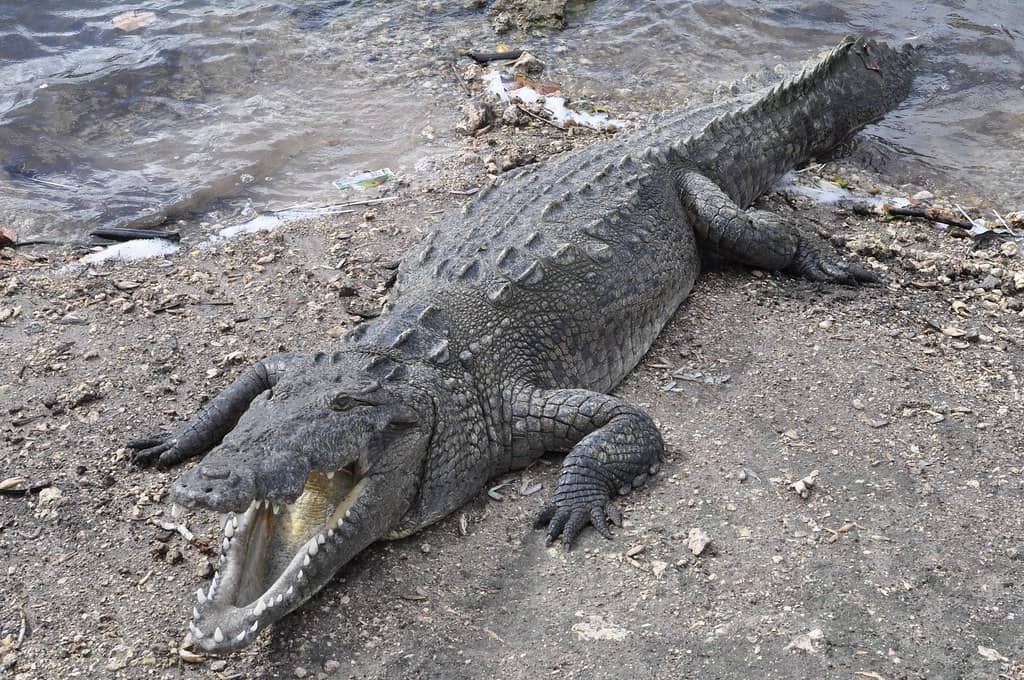
Lead pellets from shot iguanas linked to first known crocodile poisoning death in Florida
2d ago

DeSantis and Cabinet protect more than 10,770 acres, from Putnam County woods to Martin County ranches
5d ago

Record King Tides and Heavy Rain Swamp South Florida Streets as Water Managers Warn the Season Peaks Oct. 27
6d ago

Florida's loggerhead sea turtles set preliminary nesting record
Oct 1