Florida's Housing Market Tilts Toward Balance as Inventory Tightens and Prices Inch Higher in May
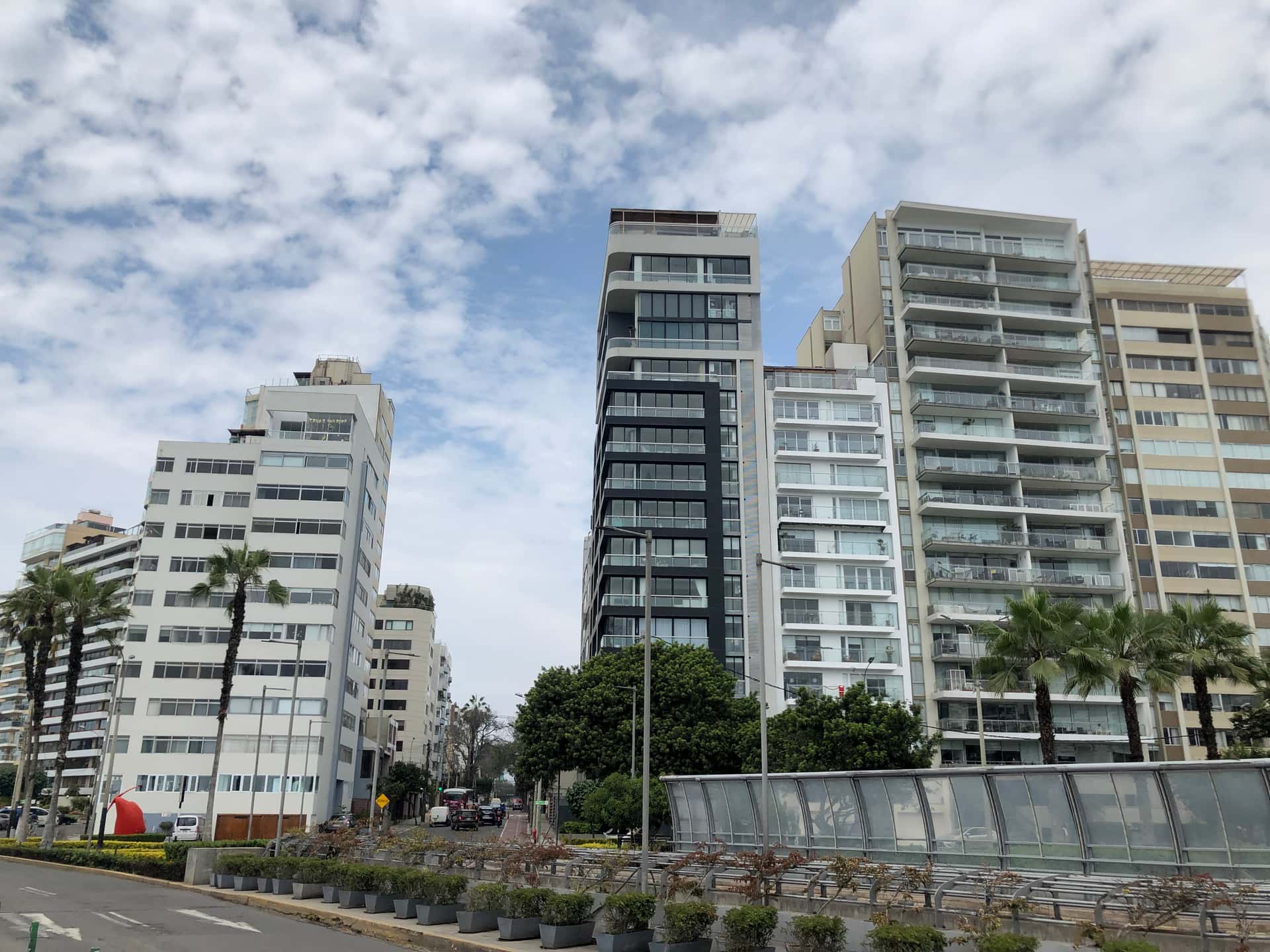
Florida's housing market continued its move toward equilibrium in May 2026, with home prices inching higher, inventory pulling back from a year earlier, and sales activity picking up. According to market data compiled by real estate analysts, the median sale price reached roughly $395,595, a 1.7 percent increase over the same month last year, signaling stabilization after a turbulent stretch of rapid run-ups and cooling.
What the numbers show
The median sale price of about $395,595 in May represented modest annual growth, a marked contrast to the steep price surges that defined the market during the pandemic-era boom. The median listing price, which reflects what sellers are asking rather than what buyers ultimately pay, sat higher at around $425,000, a gap that illustrates the ongoing negotiation between asking prices and what the market will bear.
Inventory told a more complicated story. There were roughly 200,524 homes for sale across Florida in May, down nearly 10 percent from a year earlier. That decline in available listings runs counter to the narrative of a glut, suggesting that some would-be sellers are holding off, perhaps reluctant to give up low mortgage rates locked in during earlier years.
Sales, meanwhile, accelerated. The number of homes sold rose about 9.7 percent year over year, with roughly 30,460 transactions closing in May. Homes spent a median of about 69 days on the market before selling, a pace that reflects neither a frenzied seller's market nor a stalled one.
A balanced market emerges
The combination of these figures points toward what analysts describe as a balanced market, one in which neither buyers nor sellers hold an overwhelming advantage. The key indicator is months of supply, which measures how long it would take to sell all current listings at the present pace. At roughly five months, Florida sits within the range typically considered balanced, down from a year earlier.
That balance is a meaningful change for a state that has swung between extremes. During the boom, bidding wars and waived contingencies favored sellers; as rates rose and affordability eroded, the market cooled and buyers gained leverage in some areas. The May data suggests the two forces have moved closer to equilibrium across much of the state.
Balance does not mean uniformity. Florida's market is really many markets, and conditions in coastal South Florida differ from those in the Panhandle, Central Florida, or the Gulf Coast. Statewide averages can obscure sharp local variation in price, inventory, and demand.
The affordability backdrop
Even with prices stabilizing, affordability remains a central concern for Florida buyers. Mortgage rates have stayed elevated, hovering around 6.5 percent for a 30-year loan, which keeps monthly payments high even when prices hold steady. The cost of homeownership in Florida is further compounded by property insurance premiums and, in many communities, association fees, which add to the true cost of carrying a home.
Those carrying costs help explain why inventory has not surged despite higher prices. Homeowners who locked in lower mortgage rates in earlier years face a financial disincentive to sell and rebuy at today's rates, a dynamic that has constrained listings nationwide and in Florida specifically.
For buyers, the modest price growth and longer days on market offer more breathing room than the frenzied conditions of recent years. The roughly 69-day median time on market gives prospective purchasers time to evaluate properties, negotiate, and arrange financing without the pressure of instant competing offers in many price segments.
What it means for Floridians
For sellers, the data suggests that pricing realistically matters more than it did during the boom. With inventory down but buyers more measured, well-priced homes are moving, but the days of naming a number and fielding multiple over-asking offers have faded in much of the state. The gap between the median listing price and the median sale price reflects that recalibration.
For buyers, particularly first-time purchasers and families relocating within Florida, the balanced conditions are an improvement even if affordability remains stretched. The combination of steadier prices and more time to decide reduces the risk of overpaying in a panic, though high rates and insurance costs continue to push monthly payments upward.
For the broader Florida economy, a stable housing market is generally welcome. Wild swings in either direction create uncertainty for construction, lending, and household finances. A market that grows modestly and trades at a measured pace supports planning for buyers, sellers, builders, and local governments that rely on property values for revenue.
Regional variation across the state
Statewide figures smooth over the differences that define Florida's distinct regions. Fast-growing metros and retirement destinations can show very different inventory and pricing trends than established urban cores or rural counties. Buyers and sellers are best served by examining their specific city and neighborhood rather than relying solely on the statewide median.
Coastal markets carry the added variable of insurance and flood risk, which can weigh on demand and pricing in ways that inland communities do not face to the same degree. As property insurance costs evolve, they will continue to shape where buyers choose to purchase and how much they are willing to pay.
The interplay between insurance reform, mortgage rates, and migration patterns will determine how the state's many local markets perform through the rest of the year. For now, the May snapshot shows a market that has found a steadier footing.
The forces shaping demand
Florida's housing market does not move in isolation; it is shaped by powerful underlying forces, chief among them the steady flow of new residents to the state. Domestic migration has long fueled demand for housing in Florida, as people relocate for the climate, the absence of a state income tax, and job opportunities, sustaining a baseline of buyers even as affordability tightens.
That migration-driven demand helps explain why prices have held steady or risen modestly even amid high mortgage rates. When a constant stream of newcomers competes for a limited supply of homes, downward pressure on prices is blunted, contributing to the balanced conditions rather than a buyer-dominated market that might otherwise emerge in a high-rate environment.
Insurance costs have increasingly become a factor in where and whether people buy. Elevated property insurance premiums, particularly in coastal areas, add to the cost of ownership and can influence demand, steering some buyers toward inland communities or properties with lower insurance burdens. The recent stabilization in insurance rates could ease that pressure if it holds.
New construction also plays a role in the supply picture. Builders respond to demand and financing conditions, and the pace of new home construction affects how much inventory enters the market. High borrowing costs for developers can slow construction, while strong demand encourages it, creating a dynamic that influences the balance between buyers and sellers.
The interplay of migration, insurance, mortgage rates, and construction creates a complex market that defies simple characterization. The May data captures a snapshot of these forces in balance, but the trajectory ahead depends on how each of them evolves through the rest of the year and beyond.
Navigating a balanced market
For buyers, a balanced market rewards preparation and patience. With homes spending a median of around 69 days on the market, purchasers generally have time to tour properties, conduct inspections, and negotiate without the pressure of instant competing offers that defined the boom. Getting pre-approved for a mortgage and understanding the full cost of ownership, including insurance and any association fees, helps buyers move confidently when they find the right home.
Sellers, meanwhile, benefit from pricing realistically from the start. In a balanced market, overpricing can leave a home languishing while comparable, well-priced properties sell. The gap between the median listing price and the median sale price illustrates that buyers are negotiating, and sellers who set expectations accordingly tend to fare better than those chasing boom-era premiums.
Location remains paramount in Florida. Coastal properties carry insurance and flood considerations that inland homes may not, and these factors increasingly influence both demand and pricing. Buyers weighing a purchase near the water should factor in the full carrying cost, including the possibility of rising or falling insurance premiums, when assessing affordability.
Both buyers and sellers benefit from focusing on their specific local market rather than statewide averages. A metro experiencing rapid in-migration may behave very differently from an established urban core or a rural county, and the conditions in any given neighborhood can diverge from the broad trends that make headlines.
What's next
The trajectory for the rest of 2026 hinges largely on mortgage rates and the broader economy. If rates ease, pent-up demand could draw more buyers off the sidelines, while any meaningful increase in listings could shift leverage back toward purchasers. The Federal Reserve's posture on interest rates will be a key signal for the months ahead.
Hurricane season adds another layer of uncertainty for Florida specifically. A major storm can disrupt local markets, affect insurance availability, and reshape demand in affected areas. Barring a significant shock, the data suggests Florida's housing market is settling into a more sustainable, balanced rhythm after years of volatility.
Spotted an issue with this article?
Have something to say about this story?
Write a letter to the editor