Florida's Rubio Defends State Department Budget on Capitol Hill as Secretary of State
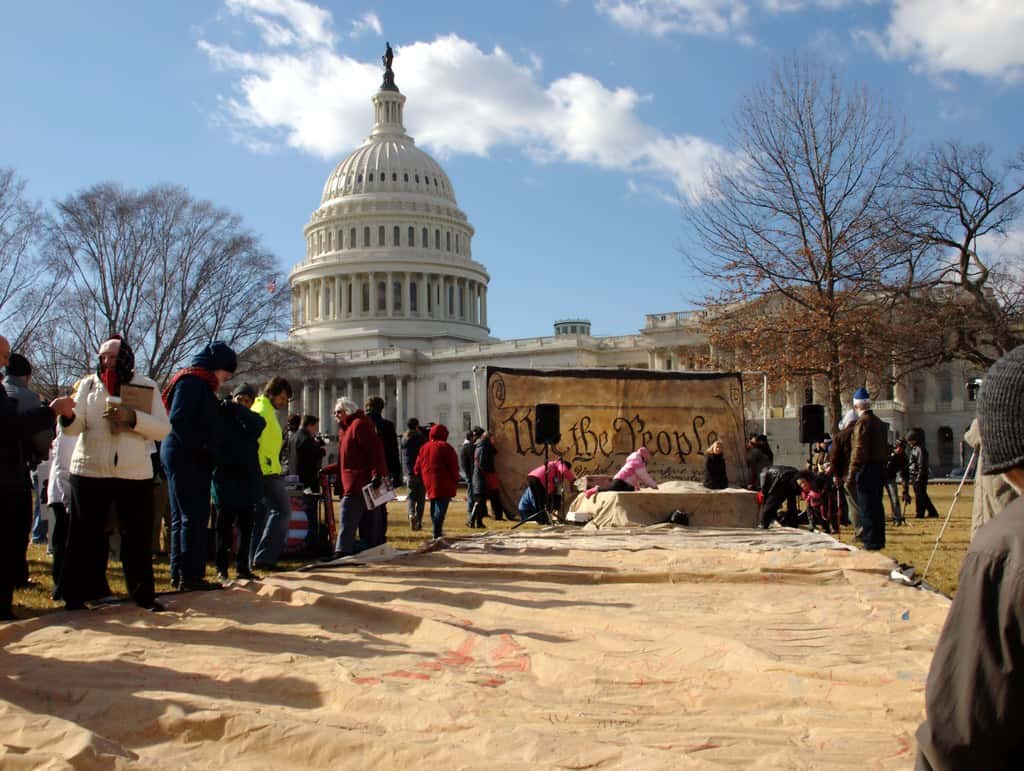
Secretary of State Marco Rubio, the former Florida senator now serving as the nation's top diplomat, defended the administration's foreign affairs budget before multiple congressional committees in June, testifying on the State Department's spending request for the coming fiscal year. The appearances kept Florida's most prominent national political figure at the center of major foreign policy debates in Washington, reinforcing the state's outsized influence in the capital.
Rubio's rise from representing Florida in the Senate to leading American diplomacy gives the state a powerful voice on the global stage, and his activities carry particular resonance for Floridians attuned to international affairs, including the state's large diaspora communities. His budget testimony offered a window into the administration's foreign policy priorities and the resources it seeks to advance them.
The hearings placed him in a familiar setting but in an unfamiliar role, appearing before the body in which he once served, now as a witness rather than a member. That shift underscored the arc of his career and gave the testimony an added dimension for observers in Florida who have followed his path from the Senate to the State Department. The sessions offered a chance to see how a figure long associated with the state approaches the responsibilities of one of the most consequential positions in the federal government.
The budget testimony
Rubio appeared before several congressional panels, including committees in both the House and Senate, to present and defend the State Department's budget request for the upcoming fiscal year. Such testimony is a routine but important part of the budget process, during which lawmakers question the secretary on spending priorities, foreign policy strategy, and the allocation of diplomatic resources.
The hearings cover the breadth of American diplomacy, from embassy operations and foreign assistance to broader strategic priorities. As secretary, Rubio is responsible for articulating the administration's vision and justifying the funding needed to carry it out, fielding questions from lawmakers across the political spectrum about how the department intends to use its resources.
Budget testimony also serves as a forum for broader foreign policy discussion, with lawmakers often using the hearings to press the secretary on pressing international issues. Rubio's appearances came amid a range of global developments, giving the sessions added significance beyond the line items of the budget itself.
The process of defending a budget request involves more than presenting numbers, as it requires explaining how proposed funding aligns with the administration's broader goals and priorities. Lawmakers use the hearings to probe those connections, seeking to understand the reasoning behind particular choices and to register their own views on where resources should be directed. For the secretary, the task is to make the case for the request while responding to a wide range of concerns raised across the committees.
From Florida senator to top diplomat
Rubio spent years representing Florida in the United States Senate before being confirmed as secretary of state, a trajectory that has placed a Floridian at the helm of the nation's foreign policy apparatus. His background in the Senate, where he served on committees dealing with foreign relations and intelligence, informed his approach to the role and his familiarity with the issues now under his purview.
His tenure as the nation's chief diplomat has involved engagement on numerous international fronts, including diplomatic meetings and agreements. Reports indicate that in June he participated in diplomatic ceremonies and met with international partners, reflecting the wide-ranging responsibilities of the office and the active diplomatic agenda he has pursued.
For Florida, having a former senator in such a prominent national position is a source of influence and visibility. Rubio's decisions and statements as secretary carry weight not only nationally but also for Florida communities with strong interests in foreign affairs, particularly those connected to regions where U.S. policy has direct effects.
The experience he gained during his years in the Senate, particularly on matters of foreign relations and intelligence, provided a foundation for the work he now leads. Familiarity with the institutions and issues of American diplomacy can ease the transition into a role that demands engagement across a broad array of global concerns. That continuity between his legislative background and his current responsibilities has shaped the way he has approached the position.
The Florida connection
Florida is home to large diaspora communities with deep ties to Latin America and the Caribbean, including significant populations connected to Cuba, Venezuela, Haiti, and other nations. For these communities, U.S. foreign policy toward their countries of origin is a matter of intense interest, and a Florida figure leading the State Department adds a layer of personal connection to those policies.
Rubio has long been associated with a focus on the Western Hemisphere and on issues affecting these communities, and his prominence in shaping foreign policy resonates with Floridians who follow developments in the region closely. The intersection of his role and the state's diaspora communities makes his diplomatic activities especially relevant to many residents.
Beyond the diaspora dimension, Florida's economy and security interests are tied to international affairs in areas ranging from trade and tourism to immigration and defense. The state's ports, military installations, and connections to global markets mean that foreign policy decisions made in Washington can have tangible effects on Florida, giving the secretary's work added local importance.
The connection between national foreign policy and local concerns is felt acutely in a state where so many residents maintain personal and family ties abroad. Decisions on matters affecting the Western Hemisphere can shape the lives of Floridians in direct ways, from the prospects of relatives in other countries to the conditions in regions with which the state's communities are closely linked. That relationship gives the work of the State Department a resonance in Florida that extends beyond the abstractions of diplomacy.
Florida's role in national policymaking
Rubio's position is part of a broader pattern in which Florida has produced political figures who occupy significant roles in Washington. As one of the nation's most populous states, Florida carries considerable weight in national politics, and its representatives have frequently risen to prominent positions across the federal government. The presence of a former Florida senator as secretary of state is a notable example of that influence.
That prominence reflects the state's size and its diverse population, which spans a wide range of communities and interests. Leaders who emerge from Florida often bring perspectives shaped by the state's particular character, including its global connections and its varied economy. Those perspectives can inform the way they approach national and international issues once in office.
The state's influence in Washington is not limited to any single office or figure, but the visibility of a Floridian leading American diplomacy gives that influence a particularly high profile. For residents, it offers a sense that the state's concerns and connections are represented at the highest levels of national policymaking, reinforcing Florida's standing in the broader political landscape.
The work of American diplomacy
The State Department oversees a wide range of activities that together make up the conduct of American foreign relations, from maintaining embassies and consulates abroad to managing assistance programs and engaging with international partners. The budget that the secretary defends before Congress provides the resources for that work, and the choices reflected in it shape how the United States pursues its goals around the world.
As the official responsible for leading that effort, the secretary serves as the public face of American diplomacy and the principal adviser on foreign affairs. The role involves engaging with counterparts from other nations, representing the country in negotiations and ceremonies, and articulating the administration's approach to the array of issues that arise across the globe. The breadth of those responsibilities is reflected in the wide-ranging questions the secretary faces in congressional testimony.
The diplomatic agenda is rarely static, and the secretary must respond to developments as they unfold while advancing longer-term priorities. That balance between addressing immediate events and pursuing sustained objectives is part of what makes the position demanding, and it is reflected in the way the budget hearings range across both pressing concerns and broader strategic questions. The work touches nearly every region of the world, including those of particular interest to Florida's communities.
What it means for Floridians
For Floridians, Rubio's role as secretary of state means that a figure with deep roots in the state is helping to steer American engagement with the world. His positions on issues affecting the Western Hemisphere and the state's diaspora communities are watched closely by residents with personal and family connections to those regions.
The state's interests in trade, immigration, and security are all touched by the work of the State Department, making the secretary's priorities relevant to Florida's economy and communities. The budget and policy decisions discussed in his congressional testimony shape the resources and strategies that influence those interests.
Rubio's prominence also reflects Florida's broader influence in national politics, with the state producing leaders who occupy significant positions in Washington. For residents, that influence translates into a voice in national and international affairs that reflects the state's diverse population and global connections.
The relevance of his work to everyday life in Florida lies in the way foreign affairs intersect with local realities. Matters of trade affect the state's ports and businesses, questions of immigration touch its communities, and security concerns relate to its military presence and its position as a gateway to the wider hemisphere. Through those connections, the decisions made at the State Department reach into the lives of residents in concrete ways.
What's next
The budget request Rubio defended will move through the congressional appropriations process, where lawmakers will determine the final funding levels for the State Department and foreign affairs programs. That process will shape the resources available for American diplomacy in the coming year.
As secretary, Rubio will continue to engage on the array of international issues facing the United States, from relations with key partners and adversaries to developments in regions of particular interest to Florida. His ongoing diplomatic activities will keep his role in the spotlight for residents following foreign affairs.
For now, his congressional appearances underscore Florida's prominent place in national policymaking. With a former senator serving as the nation's top diplomat, the state's connection to American foreign policy remains direct and significant, a dynamic that will continue to play out as global events unfold.
Spotted an issue with this article?
Have something to say about this story?
Write a letter to the editorComments
No comments yet. Be the first to weigh in.
Related Coverage
The Fed's First Rate Hike Since 2023 Pushes Mortgages Past 7% and Freezes Florida's Housing Market
8h ago
Florida Sits at the Center of Record Federal Immigration Enforcement With 287(g) Deals in All 67 Counties
12h ago

FEMA Aid for Helene and Milton Recovery Tops $11 Billion as Florida Projects Keep Closing Out
14h ago
Coast Guard and CBP Keep Interdicting Smuggling Boats Off the Florida Keys as Routes Shift
20h ago