Florida's Space Coast Keeps Up Record Launch Pace From Cape Canaveral
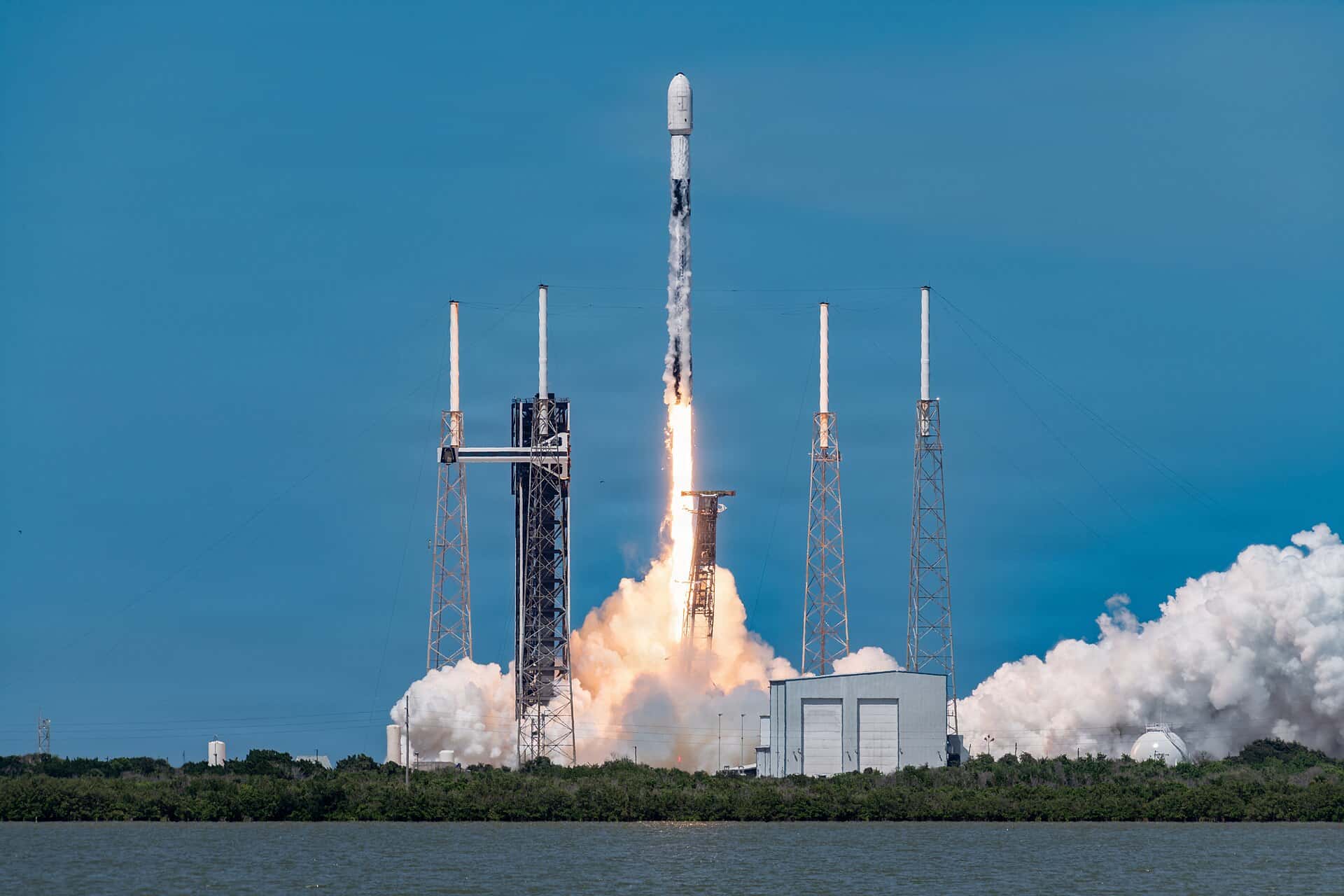
Florida's Space Coast is maintaining a relentless launch cadence this summer, with rockets lifting off from Cape Canaveral at a pace that would have seemed unimaginable a decade ago. SpaceX Falcon 9 rockets carrying batches of Starlink satellites are the workhorses of the schedule, part of a broader boom that has transformed Brevard County's stretch of Florida coast into the busiest spaceport in the world.
The surge in launch activity is reshaping the region's economy, driving job growth, tourism, and investment. As the commercial space industry matures and government programs advance toward ambitious goals, the Space Coast has become a central hub of a new era in spaceflight, with Florida positioned at its heart.
A relentless launch schedule
The summer schedule features a steady stream of launches from Cape Canaveral Space Force Station, dominated by SpaceX Falcon 9 rockets carrying Starlink satellites into low Earth orbit. These missions, launching from the station's facilities, have become routine yet remain a striking demonstration of the industry's operational tempo.
Each Starlink launch adds satellites to the growing constellation that provides internet service around the globe, and the frequency of these missions reflects the scale of that undertaking. The Falcon 9's reusability has enabled the rapid cadence, with boosters returning to be flown again, dramatically lowering the cost and increasing the frequency of access to space.
Launch schedules are always subject to change due to weather and technical factors, and Florida's summer storms are a perennial complication. Even so, the overall trajectory is one of sustained, high-volume activity, with the Space Coast hosting launches at a rate that has redefined expectations for spaceflight.
The Space Coast economy
The launch boom has been a boon for Brevard County and the surrounding region, driving economic growth across multiple sectors. The space industry supports thousands of jobs, from engineers and technicians to the workers who staff the supply chain and support operations that keep the launches flowing.
Beyond direct employment, the industry has spurred investment in facilities, infrastructure, and housing as companies expand their presence and workers relocate to the area. The growth has ripple effects throughout the local economy, benefiting businesses that serve the influx of space-industry activity.
Tourism has also flourished, as launches draw spectators eager to witness rockets lifting off. The spectacle of a launch has become a major draw for visitors, adding another dimension to the economic benefits the industry brings to Florida's Space Coast and complementing the state's broader tourism appeal.
A hub for commercial space
Cape Canaveral has emerged as the epicenter of the commercial space revolution, hosting not only SpaceX but a growing roster of companies pursuing spaceflight. The concentration of activity has made the region a magnet for the industry, reinforcing its status as the world's premier launch site.
The commercial space sector has transformed how access to orbit works, with private companies driving down costs and increasing launch frequency. That shift has fueled the boom at Cape Canaveral, where reusable rockets and high-volume operations have become the norm rather than the exception.
The presence of multiple companies and programs creates a dynamic ecosystem, with competition and collaboration driving innovation. Florida's Space Coast benefits from this concentration of activity, positioning the state at the forefront of a rapidly evolving industry with enormous growth potential.
Government programs and the road ahead
Alongside commercial activity, government space programs continue to advance, with NASA pursuing ambitious goals that run through Kennedy Space Center in Florida. The agency's efforts to return astronauts to the Moon and eventually push farther into the solar system rely on the infrastructure and capabilities concentrated on the Space Coast.
NASA recently marked milestones in its lunar exploration program, including crew announcements and mission progress, with future flights slated to launch from Florida. These government missions add to the region's launch activity and underscore its central role in the nation's space ambitions.
The combination of commercial and government activity gives the Space Coast a diversified and robust foundation. As both sectors grow, the region's importance to the broader space enterprise, and to Florida's economy, is likely to continue expanding.
What it means for Floridians
For residents of the Space Coast and the broader state, the launch boom translates into economic opportunity, from high-paying industry jobs to the growth of businesses that support and benefit from the activity. The industry has become a significant pillar of the region's prosperity.
The launches also offer a source of pride and spectacle, drawing residents and visitors alike to watch rockets ascend. That visibility reinforces Florida's identity as a center of spaceflight and connects the public to the excitement of the new space era.
The industry's growth does bring challenges, including the strain of rapid development on local infrastructure and the environmental considerations associated with frequent launches. Managing that growth sustainably is an ongoing task for the communities that host the activity.
The broader significance
Florida's Space Coast is at the center of a transformation in how humanity accesses space, with reusable rockets and commercial operations driving a new era of frequent, lower-cost spaceflight. The high launch cadence from Cape Canaveral is a tangible expression of that shift.
The state's role positions it to benefit from the continued expansion of the space economy, a sector with substantial growth potential as satellite constellations expand, commercial ventures multiply, and government programs pursue ambitious exploration goals. Florida's infrastructure and location give it a durable advantage.
The concentration of activity at Cape Canaveral also carries strategic significance, as access to space becomes increasingly important for communications, national security, and scientific advancement. Florida's central role places it at the intersection of these critical domains.
Building the workforce
The growth of the space industry on Florida's Space Coast has created strong demand for a skilled workforce, from engineers and technicians to skilled trades and support roles. Meeting that demand has become a priority for the region, spurring efforts to train and attract the workers the industry needs.
Educational institutions in Florida have responded by developing programs aligned with the industry's needs, preparing students for careers in aerospace and related fields. The presence of a growing space sector creates opportunities for residents and draws talent from elsewhere, contributing to the region's economic dynamism.
The workforce dimension is critical to sustaining the industry's growth, as the high launch cadence and expanding operations require a steady supply of qualified personnel. The alignment of education and industry needs positions the Space Coast to continue developing the talent that its future depends on, reinforcing the region's role as a hub of spaceflight.
Environmental considerations
The frequent launches from Cape Canaveral bring environmental considerations that accompany the industry's growth. Rocket launches have effects on the surrounding area, and the concentration of activity raises questions about the balance between the industry's expansion and the protection of the region's sensitive coastal environment.
The Space Coast sits amid ecologically significant areas, including wildlife refuges and coastal habitats, making environmental stewardship an important consideration. Managing the industry's footprint while allowing it to grow is an ongoing challenge for the companies, agencies, and communities involved in the region's space activity.
Balancing the economic benefits of the launch boom with environmental responsibility will be an enduring task as the industry continues to expand. The coexistence of a high-tempo spaceport with a valuable natural environment requires attention and management, a dimension of the Space Coast story that accompanies its economic success.
A competitive edge for Florida
Florida's Space Coast holds a competitive edge in the growing space economy, an advantage rooted in its established infrastructure, favorable geography, and concentration of industry expertise. That edge positions the state to capture a significant share of the sector's expansion as commercial and government activity grows.
The location offers practical benefits for launches, and the presence of major companies and government facilities creates a self-reinforcing ecosystem that attracts further investment and talent. Competing spaceports elsewhere face the challenge of matching the depth of capability that has developed on Florida's coast over decades.
Maintaining that competitive position requires continued investment and adaptation as the industry evolves, but Florida enters the race from a position of strength. The Space Coast's established role gives the state a durable advantage in an industry poised for substantial growth, reinforcing its importance to Florida's economic future.
What's next
The launch schedule shows no sign of slowing, with continued Starlink missions and other launches on the calendar. The high cadence is expected to persist as the commercial space industry expands and government programs advance toward their goals.
Future milestones, including progress on lunar exploration and the growth of commercial ventures, will keep the Space Coast busy and reinforce its central role. The region's trajectory points toward continued growth and increasing importance to the space enterprise.
For Florida, the launch boom represents a signature success story, blending economic opportunity, technological achievement, and national significance. As rockets continue to rise from Cape Canaveral, the Space Coast remains a vivid symbol of the state's stake in the future of spaceflight.
Spotted an issue with this article?
Have something to say about this story?
Write a letter to the editorComments
No comments yet. Be the first to weigh in.
Related Coverage

Supreme Court Opens New Term Oct. 5 With Florida's Six-Person Felony Juries on the Docket
1d ago

Rubio Calls Cuba a Failed State, Warns Havana Cannot Wait Out Trump as South Florida Watches
1d ago
No Shutdown at Fiscal Year's End: What the Dec. 11 Funding and Flood Insurance Deadline Means for Florida
1d ago
The Fed's First Rate Hike Since 2023 Pushes Mortgages Past 7% and Freezes Florida's Housing Market
2d ago