FPL Promotes Scott Bores to CEO as Armando Pimentel Jr. Steps Down
Florida Power & Light, the state's largest electric utility serving more than 5.5 million customer accounts, completed a planned executive transition on May 18 with the promotion of company president Scott Bores to the chief executive officer role and the departure of outgoing CEO Armando Pimentel Jr. The leadership change at the Juno Beach-based subsidiary of NextEra Energy comes during a period of substantial capital investment in the Florida grid, ongoing renewable energy expansion, and continued growth in the customer base driven by the state's population gains. NextEra Energy reported FPL net income of $1.462 billion for the first quarter and projected $12 billion to $13 billion in annual capital investments for the utility.
What NextEra announced
According to the company announcement, Armando Pimentel Jr. stepped down as chief executive officer of Florida Power & Light effective May 18, with Scott Bores promoted to CEO on the same day. The transition was characterized as a planned succession that had been developed through the company's executive planning process over an extended period. Pimentel had served as CEO and had previously held senior roles within the NextEra organization, including prior leadership of NextEra Energy Resources, the company's competitive energy business that operates renewable generation outside Florida.
Bores had served as president of FPL prior to his elevation to the CEO role, with operational responsibility for the utility's day-to-day functioning across its Florida service territory. The promotion reflects NextEra's typical pattern of moving executives through progressively senior roles before placement in chief executive positions, allowing extensive familiarity with both operational and strategic aspects of the business. Bores has a long tenure within the NextEra organization that includes roles spanning financial, operational, and customer-facing functions.
The transition was announced alongside affirmation of the company's strategic direction and capital investment plans. NextEra emphasized that the leadership change does not signal a strategic pivot, with the utility continuing its multi-year program of grid modernization, renewable generation expansion, and storm hardening that has been a central feature of the FPL operating plan for several years. Pimentel's departure was described in terms consistent with planned career transitions rather than as a response to any operational issue or board concern.
FPL's customer footprint and operating profile
Florida Power & Light serves approximately 5.5 million customer accounts spanning much of the Florida peninsula, with concentrations in South Florida, the Treasure Coast, the Space Coast, and portions of Central Florida. The utility's customer base has grown steadily in line with Florida population growth, with the company adding tens of thousands of new accounts annually. Service territory expansion through municipal franchise renewals and through the integration of the former Gulf Power operations in the Florida Panhandle has substantially broadened the utility's geographic footprint over the past several years.
The utility operates a diverse generation portfolio that includes nuclear units at the Turkey Point and St. Lucie facilities, natural gas combined-cycle and combustion turbine plants distributed across the service territory, and a rapidly growing fleet of solar photovoltaic installations. The solar portfolio has expanded substantially under multi-year initiatives that have placed FPL among the largest solar generation owners in the country. Energy storage projects have begun to supplement the generation portfolio, providing grid services that support renewable integration and reliability.
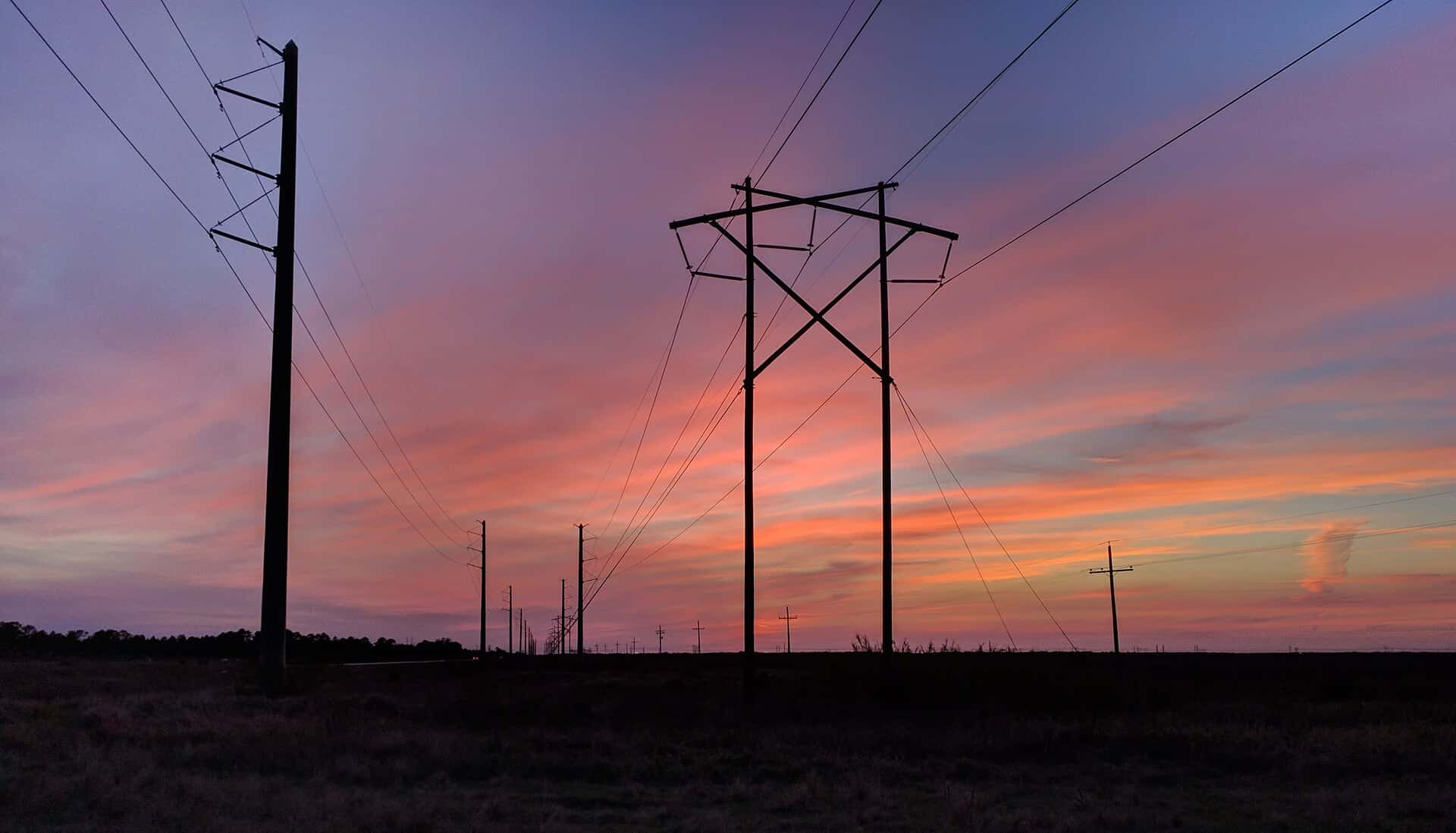
Transmission and distribution operations across FPL's service territory include several thousand miles of transmission lines, tens of thousands of miles of distribution circuits, and the substations and other equipment that move electricity from generation sources to customer premises. The system has been the subject of substantial investment in storm hardening following hurricane events over recent decades, with underground installations, pole replacements, and vegetation management programs designed to reduce outage frequency and duration when storms hit.
What it means for Florida customers
For FPL customers, the leadership transition is unlikely to produce visible changes in service quality, billing, or operational priorities in the near term. The utility's operations are organized around long-running programs and operational procedures that do not typically shift with executive transitions, particularly when the new CEO is a long-tenured insider who has been involved in the development of existing programs. Customer-facing programs including online service tools, billing options, and energy efficiency offerings are expected to continue without disruption.
Rate proceedings before the Florida Public Service Commission represent the most consequential customer-facing matter the utility manages on an ongoing basis. FPL files rate cases periodically, with the commission setting the prices the utility can charge for electricity based on prudent operating costs and an authorized return on equity. The most recent rate framework governs pricing for a multi-year period, with adjustment mechanisms for specific cost categories including fuel and storm restoration. The next major rate proceeding is expected within the planning horizon of the new CEO.
Storm restoration capabilities remain a particular focus for FPL customers, who experience hurricane risk during the annual storm season that runs from June through November. The utility has invested in mutual aid arrangements with other electric utilities that allow rapid mobilization of restoration crews following major events, and the company maintains pre-staged equipment and materials to support rapid response. Customer expectations around restoration time have been a central element of regulatory and political attention to the utility's performance.
The utility also operates communications systems designed to provide outage notifications, restoration estimates, and safety information during major storm events. Mobile applications, text message alerts, and a public outage map have become standard expectations for customer communication. The investments in customer communications technology have been a visible element of the utility's response to past storm performance, with the company having faced criticism in earlier storm cycles when communications systems struggled under heavy event-driven loads.
The capital investment program
FPL's planned capital investment of $12 billion to $13 billion annually represents one of the largest infrastructure investment programs of any utility in the country. The spending supports a combination of new generation, transmission and distribution infrastructure, storm hardening, customer technology systems, and other capital priorities. The investment program is funded through a combination of cash flow from operations, debt issuance, and equity capital provided by the parent NextEra Energy.
The investment supports both the rate base on which the utility earns its authorized return and the operational capabilities that allow the utility to meet growing demand and reliability expectations. Rate base growth, the regulatory mechanism through which utility shareholders earn returns on prudent capital investments, has been a key driver of NextEra's earnings growth over the years. The relationship between investment, rate base growth, and earnings is well understood by investors and is a central element of the company's investment thesis.
Specific investment categories include continued solar generation expansion under multi-year construction programs, transmission line additions to support both solar integration and load growth, distribution system modernization including smart meter and grid automation deployment, and storm hardening projects across both the FPL legacy territory and the former Gulf Power service area. Each category proceeds under multi-year plans approved by the company's board and reviewed by regulators where relevant.
Renewable energy and the energy transition
FPL's renewable portfolio expansion has positioned the utility as one of the larger owners of solar generation in the country, with a multi-year program that has added hundreds of megawatts of solar capacity annually. The solar projects have been distributed across the service territory, with sites selected based on combinations of land availability, interconnection capacity, and irradiance characteristics. The projects support both customer-facing renewable programs and the broader generation portfolio's economic dispatch.
Energy storage has emerged as a complementary investment alongside solar generation. Battery installations at solar sites and at separate stand-alone facilities provide capacity to store electricity during periods of excess solar generation and release it during periods of higher demand. The economics of battery storage have improved substantially in recent years, making the technology cost-competitive in a growing range of applications. FPL has been expanding its battery storage deployments under its capital plans.
The transition away from coal generation, which has been substantially completed for FPL with the retirement of coal units that previously operated in the service territory, has shifted the generation mix toward natural gas and renewable sources. The natural gas plants provide both baseload and flexible generation capacity that supports system reliability while solar generation grows. The combination of natural gas and renewables has supported emission reductions while maintaining affordability and reliability for customers.
NextEra Energy and the corporate structure
FPL operates as the regulated utility subsidiary of NextEra Energy, the Juno Beach-based holding company that also owns NextEra Energy Resources, the competitive generation and energy infrastructure business. The corporate structure separates the regulated and competitive operations for both financial and regulatory reasons, with the regulated FPL business operating under Florida Public Service Commission oversight while the competitive business operates under federal energy regulation and market structures.
NextEra Energy is one of the largest electric utility holding companies in the United States by market capitalization, and its stock has been a long-running outperformer relative to broader utility sector indexes. The combination of the regulated FPL franchise and the competitive renewable energy business has been viewed by investors as offering both stability and growth, with NextEra's renewable development capabilities particularly distinguishing the company from pure-play regulated utilities.
The executive transition at FPL is one element of broader leadership succession planning across the NextEra organization. Senior executives have moved through roles in both the regulated and competitive segments, with cross-pollination of operating practices and strategic thinking between the two businesses. The corporate culture emphasizes long-term planning and disciplined execution, attributes that have been associated with the company's long-term operating and financial track record.
What's next for FPL
Bores will assume operational leadership at a moment when the utility is executing on multiple large initiatives, including continued capital investment, ongoing rate framework discussions with the Florida Public Service Commission, and management of the always-uncertain hurricane season. The utility's standing operational procedures and the depth of the management team are intended to support continuity through the leadership transition, although the new CEO will inevitably bring some personal priorities and emphases to the role.
Strategic priorities the new CEO will inherit include continued execution of the multi-year capital plan, continued integration and modernization of the former Gulf Power service territory, and management of the customer relationship as billing pressures from rising fuel and capital costs continue to draw political and regulatory attention. Each priority has been the subject of substantial executive attention under prior leadership, and the new CEO will need to maintain momentum while also making the role his own.
For Florida residents who depend on FPL for electricity service, the leadership transition is one chapter in the longer-running story of how the state's largest utility serves a growing customer base under increasing climate, regulatory, and economic pressures. Bores assumes the role at a time when the basic operating model continues to function effectively but when the operating environment continues to evolve in ways that will require ongoing adaptation. The utility's role as a central economic actor in Florida ensures that its leadership and strategy will continue to draw close attention from regulators, customers, and the broader public.
Spotted an issue with this article?
Have something to say about this story?
Write us a letterComments
No comments yet. Be the first to weigh in.
Related Coverage
Jacksonville council members weigh relief for high JEA bills as utility says it isn't ready for a hyperscale data center
22h ago

Rays to open Westshore ballpark experience center in 2027 as Tampa stadium deal moves ahead
1d ago
New I-95 Interchange at Oslo Road Opens in Indian River County More Than a Year Early
2d ago
Dean Guitars parent Armadillo ordered to pay Gibson more than $4 million in legal fees
3d ago