Florida Sends Seven to the 2026 MLB All-Star Game as American League Blanks the National League
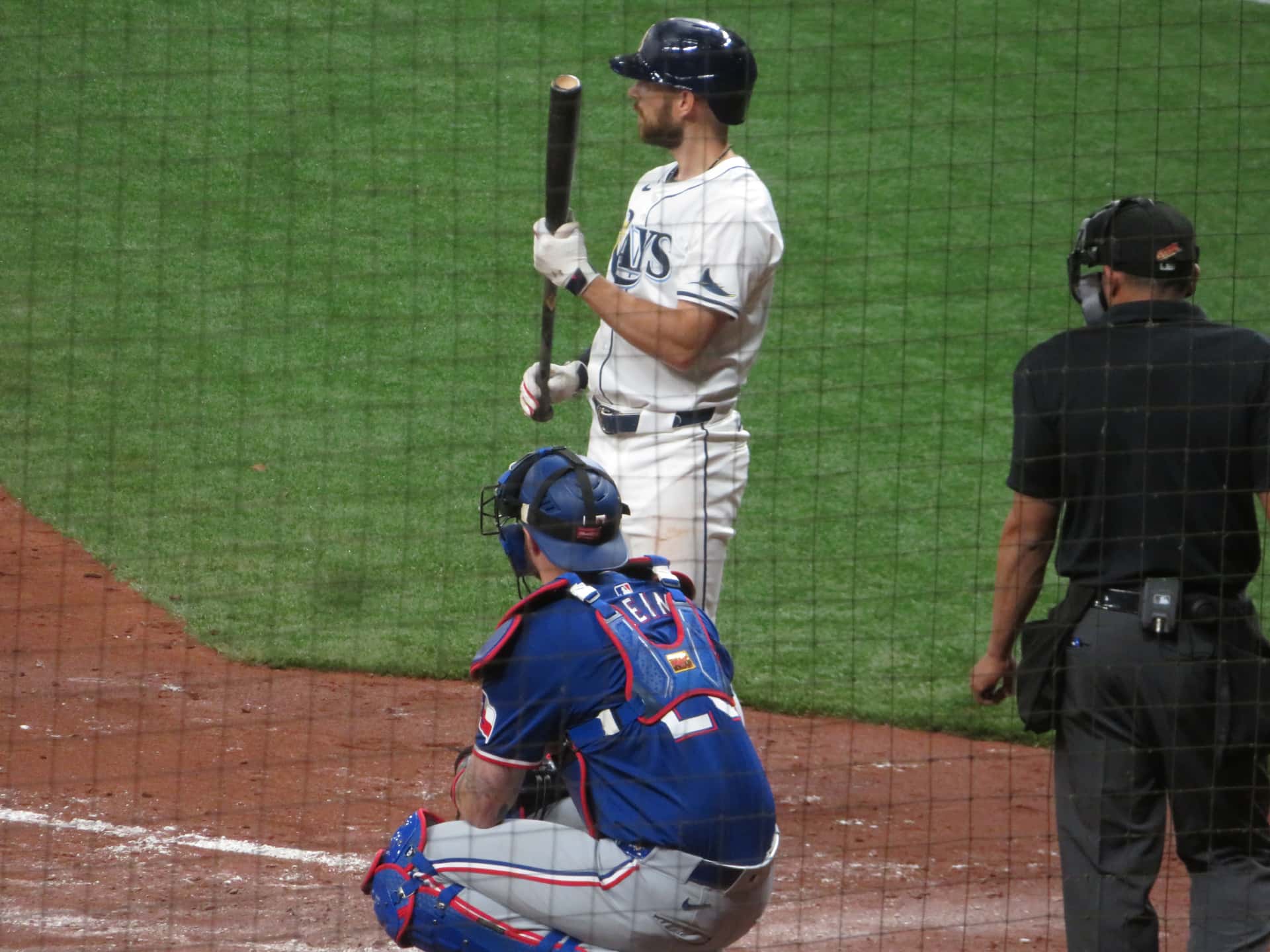
Florida sent seven players to the 2026 Major League Baseball All-Star Game, and they watched the American League turn the Midsummer Classic into a pitching clinic. The AL blanked the National League 4-0 on Tuesday, July 14, 2026, at Citizens Bank Park in Philadelphia, the first All-Star Game shutout since 2013. The Tampa Bay Rays accounted for five of Florida's representatives and the Miami Marlins for two, a combined haul that underscored how central the state has been to the sport's 2026 story.
Cody Bellinger of the New York Yankees was named Most Valuable Player after a two-run single keyed a three-run first inning, according to game recaps. Bellinger, who entered as an injury replacement for teammate Aaron Judge, drove in the runs that set the tone. From there, a parade of AL arms held the National League to three hits, and the game's only extra-base hit came from the winning side in the late innings.
The result matters to Florida beyond the box score. With five Rays and two Marlins on the rosters, the state's two clubs put a striking number of players on the sport's biggest midseason stage. For the Rays in particular, the group reflected a first half built on pitching and power; for the Marlins, two first-time selections captured a breakout stretch that few outside South Florida saw coming.
An American League Shutout in Philadelphia
The AL set the tone immediately. In the top of the first inning, the American League loaded the bases and struck for three runs off the Phillies' Cristopher Sanchez, with Bellinger's two-run single the decisive blow and Yankees teammate Ben Rice adding a run-scoring hit, per published recaps. The early cushion gave the AL bullpen room to work and put the National League on its heels in front of a home Philadelphia crowd.
The scoring stayed quiet after that until the eighth, when Miguel Vargas of the Chicago White Sox launched a solo home run, the only extra-base hit of the night, to push the lead to 4-0. That blow capped the scoring and preserved the shutout, a rarity in an exhibition designed to showcase offense.
The 4-0 final marked the first time since 2013 that either side had been blanked in the All-Star Game. For a contest that has often turned into a high-scoring showcase, the pitcher-dominated script was a notable departure and a reminder of how much elite arms shape the modern game.
Bellinger's MVP nod added another layer of Yankees history to the event. Recaps noted he became the fourth Yankee to win the award, joining a lineage that includes Derek Jeter and Mariano Rivera. His path to the lineup, stepping in for the injured Judge, only heightened the storyline.
Pitching Ruled the Night
The defining feature of the game was the American League's pitching. According to recaps, 11 AL pitchers combined on a three-hitter, striking out 15 batters while walking two. That collective effort, spread across a full staff of arms, choked off National League rallies before they could build.
Dylan Cease set the tone in the first inning by striking out the side, a dominant opening statement that framed the night to come. From there, the AL rolled out fresh arm after fresh arm, denying the National League any sustained rhythm at the plate and keeping the early three-run lead comfortably intact.
That formula carried direct Florida fingerprints. The Rays sent three right-handers to the AL staff, Bryan Baker, Nick Martinez, and Drew Rasmussen, giving manager and coaches multiple Tampa Bay options to deploy in a game defined by bullpen depth. In a contest won on the mound, the state's pitching contingent was well positioned to contribute.
The performance also spoke to a broader trend. All-Star rosters increasingly lean on deep, hard-throwing staffs, and the 2026 edition took that to its logical conclusion. Eleven pitchers, 15 strikeouts, and a three-hit shutout added up to one of the most pitching-dominant Midsummer Classics in years.
The Rays' Five All-Stars
The Tampa Bay Rays were Florida's headliners with five selections. Junior Caminero earned the starting nod at third base for the American League, reportedly drawing about 66 percent of the final fan vote at the position. Yandy Diaz was selected as a designated hitter, while Baker, Martinez, and Rasmussen filled out a strong pitching representation.
Caminero's selection carried particular weight for a franchise that has leaned on young, cost-controlled talent. Winning a starting spot through the fan vote signaled national recognition for a player the Rays have built around. Reports after the game indicated Caminero avoided a serious injury during the contest, a relief for a club counting on him in the second half, though The Florida Press could not independently confirm the specifics.
Diaz's inclusion reflected steady production at the plate, giving the Rays a bat to complement their pitching depth. His presence as a designated hitter alongside three relievers and starters illustrated the balanced profile that defined Tampa Bay's first half, a mix of power and arms rather than reliance on any single strength.
The trio of Baker, Martinez, and Rasmussen underscored the organization's reputation for developing and deploying pitching. Sending three arms to the All-Star Game is a statement in itself, and it fit a broader narrative around a Rays team that entered the break among the American League's stronger clubs, according to national coverage.
The Marlins' Breakout Duo
The Miami Marlins contributed two first-time All-Stars, and both stories resonated in South Florida. Right-hander Max Meyer earned a spot on the pitching staff after a breakout stretch, while infielder Otto Lopez was elected as a reserve position player. It marked the first time since 2023 that the Marlins had multiple All-Stars, per club and league materials.
Meyer's rise was among the season's better under-the-radar stories. According to reports, he opened the year with a 9-0 record, tying a Marlins mark for the best start to a season set by Livan Hernandez in 1997, and posted an ERA in the low 2.00s across his first 18 starts. He was not scheduled to pitch in the All-Star Game itself, with reports indicating he was lined up to start for Miami that weekend.
Lopez's selection carried its own historical note. Recaps described him as the first Marlins shortstop chosen as an All-Star since Hanley Ramirez in 2010, and credited him with leading the league in batting average and hits at the break. Acquired via waivers in a low-profile move, he became one of the season's surprising standouts.
Together, Meyer and Lopez gave the Marlins a jolt of national visibility. For a franchise that has spent recent seasons in rebuilding mode, two homegrown-feeling breakouts on the All-Star stage offered a tangible sign of progress and a reason for South Florida fans to take notice.
Florida's First-Half Story
Taken together, seven All-Stars from two clubs told a larger story about baseball in Florida. The Rays' contingent leaned on pitching depth and a young star at third base, while the Marlins' pair reflected individual breakouts that lifted a rebuilding roster. Both threads ran through the same July night in Philadelphia.
The state's representation also spoke to development philosophies that prize pitching and value finds. The Rays have long built around arms and controllable talent, and three pitchers plus a fan-voted infielder fit that identity. The Marlins, meanwhile, showcased a starter tying a franchise record for wins to begin a season and an infielder pushing for a batting title, a duo that emerged rather than arrived through splashy spending.
National coverage framed the Rays as one of the American League's stronger teams entering the break, and the five-player All-Star showing reinforced that standing. For the Marlins, two selections marked a step forward, the kind of milestone that can anchor a longer climb even without a crowded roster of stars.
The seven-player total is the through line. Whatever the clubs' differing trajectories, Florida placed a notable share of the game's participants on the field, a marker of the state's ongoing relevance in the sport at a moment when both franchises are navigating change on and off the diamond.
Beyond the Box Score
The 2026 All-Star Game will be remembered for its scarcity of offense as much as any single swing. A three-hit shutout, 15 strikeouts, and a lone home run made for a night that celebrated pitching over slugging, an outcome that ran against the event's usual grain. Florida's arms, particularly the Rays' three relievers and starters, were part of that story.
For the players involved, the appearance carried personal significance. First-time selections like Meyer and Lopez reached a career milestone, while Caminero's fan-voted start affirmed a rising profile. Diaz and the Rays' pitching trio added to a Tampa Bay contingent that has become a fixture at the event in recent years.
The game also served as a midseason snapshot. All-Star selections reward first-half performance, and Florida's seven honorees captured where the state's clubs stood in mid-July, the Rays as an established contender and the Marlins as a team showing flashes of what a healthier future might hold.
The exhibition now gives way to the season's stretch run, where those same players return to jobs that carry higher stakes. The All-Star recognition is a marker along the way, not a destination, and the second half will determine how much it ultimately signified for each club.
What's Next
With the All-Star break over, the focus shifts to the second half and the pennant races that will define both Florida clubs' seasons. The Rays, with five All-Stars and national coverage placing them among the American League's stronger teams, carry momentum into the schedule's back half. Caminero's health, following reports that he avoided a serious injury in Philadelphia, will be worth watching closely.
For the Marlins, the challenge is sustaining the breakout production that put Meyer and Lopez on the national stage. Meyer's record-tying start and Lopez's push toward a batting title gave South Florida reasons for optimism, and the second half will test whether that form can hold across a full campaign.
The broader question is how much Florida's strong All-Star showing translates into October relevance. Seven selections signaled a state well represented at the sport's midpoint. The Florida Press will continue to follow the Rays and Marlins as the season resumes and the postseason picture comes into sharper view.
Spotted an issue with this article?
Have something to say about this story?
Write us a letterComments
No comments yet. Be the first to weigh in.
Related Coverage

Mario Cristobal warns No. 3 Miami against entitlement as struggling Florida State visits Hard Rock Stadium
5h ago
Jaguars left tackle Anton Harrison headed for knee surgery and injured reserve; Walker Little steps in for Texans game in London
6h ago
Brady Tkachuk Scores Natural Hat Trick, Matthew Tkachuk Adds 5 Assists as Panthers Rout Blue Jackets 7-3
9h ago
Banchero, Wagner power Magic past Cavaliers 132-116 in Sean Sweeney's first home exhibition
9h ago