Hurricane Center Watches the Gulf and Atlantic for the First Named Storm as Florida's Season Ramps Up
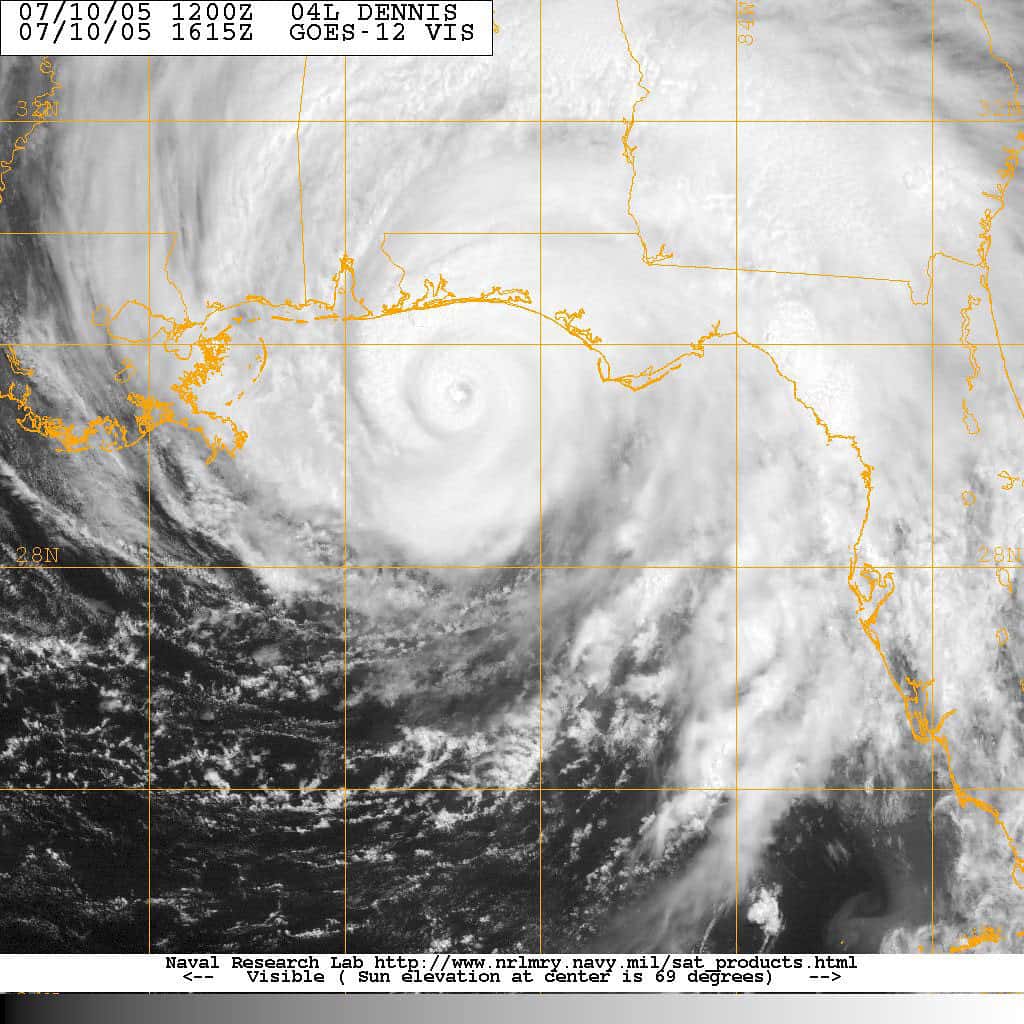
The National Hurricane Center is keeping watch on several areas of the Atlantic and Gulf for possible tropical development in mid-June 2026, including a zone in the southern Gulf that forecasters say could spin up into the first named storm of the season. While the odds of immediate development remain modest, the activity is a reminder to Floridians that hurricane season is underway and that preparation cannot wait for a storm to appear on the horizon.
What forecasters are tracking
The hurricane center has designated its first area to watch for tropical development of the 2026 Atlantic season, focused on a broad area of low pressure that could form in the Bay of Campeche in the southern Gulf within the coming week. Forecasters have given that area low odds of developing over the next seven days, noting that conditions are only minimally conducive before any system would move inland over Mexico.
If that Gulf system were to organize and strengthen into a named storm, it would become Tropical Storm Arthur, the first named system of the 2026 season. The naming convention follows an alphabetical list, and Arthur sits at the top for the Atlantic basin this year.
Forecasters are simultaneously monitoring tropical waves elsewhere. A system of disorganized showers and thunderstorms in the far eastern Atlantic, a few hundred miles southwest of the Cabo Verde Islands, has been given a roughly 30 percent chance of developing over seven days as it tracks toward the Caribbean. Another tropical wave in the central Caribbean carries lower near-term odds, with conditions that could become more favorable over the western Caribbean or southwestern Gulf later.
Watches versus warnings: what the terms mean
As tropical systems develop, the distinction between the terms forecasters use becomes critical for residents. An area to watch for development is not a tropical storm watch or warning; it simply means forecasters are monitoring a disturbance that may or may not organize. The percentage chances reflect the likelihood of formation, not the certainty of impact.
When a storm does threaten land, a tropical storm or hurricane watch means those conditions are possible, generally within 48 hours, while a warning means they are expected, generally within 36 hours. Understanding the difference helps residents calibrate their response, treating a warning with greater urgency than a watch.
At this stage, the systems under observation are early-season disturbances with relatively low development odds, none of them posing an immediate, confirmed threat to Florida. But the situation illustrates how quickly the tropics can become active and why monitoring official forecasts matters throughout the season.
The season outlook
The 2026 Atlantic hurricane season is forecast to be below normal. The National Oceanic and Atmospheric Administration's outlook pointed to a roughly 55 percent chance of a below-normal season, with predictions of eight to 14 named storms, of which three to six could become hurricanes and one to three could reach major hurricane strength.
A below-normal forecast, however, is not a license to relax. Forecasters and emergency managers consistently emphasize that it only takes one storm to devastate a community, and even quieter seasons have produced catastrophic landfalls. Florida's geography, jutting into the warm waters where storms thrive, makes it perennially vulnerable regardless of the seasonal total.
The appearance of early-season disturbances in June is consistent with the typical rhythm of the Atlantic season, which runs from June through November and peaks in late summer and early fall. The current activity is a curtain-raiser rather than a peak-season threat, but it sets the tone for the months ahead.
What it means for Florida
For Floridians, the early-season activity is a prompt to ensure preparations are in place before any storm threatens. Emergency officials routinely advise residents to build or refresh disaster supply kits, review evacuation zones and routes, confirm insurance coverage, and have a family communication plan ready well ahead of any approaching system.
The systems currently under watch are not forecast to pose an immediate danger to the state, with the Gulf disturbance expected to drift toward Mexico if it develops at all. But conditions can shift, and the value of preparation lies in being ready before the forecast turns serious rather than scrambling at the last minute.
Floridians should rely on official sources, the National Hurricane Center and local emergency management agencies, for forecasts and guidance, rather than on alarming or unverified posts that can circulate during the season. Accurate information about watches, warnings, and evacuation orders, which are typically zone-specific, is essential to responding appropriately.
Lessons from past seasons
Florida's recent history is a reminder that even storms that begin as modest disturbances can intensify rapidly over warm Gulf and Atlantic waters. Rapid intensification has caught communities off guard in past seasons, compressing the time available to prepare and evacuate. That risk reinforces the case for readiness before a storm is at the doorstep.
The state's emergency management apparatus, county officials, and utilities all gear up for the season, but individual preparation remains the foundation of resilience. Households that have their plans and supplies ready can act quickly and calmly if a watch or warning is issued for their area.
Power outage planning, in particular, is a recurring theme in Florida storm preparedness, given the state's exposure to wind damage and the summer heat that makes prolonged outages dangerous. Knowing how to stay safe without electricity is part of a complete plan.
What shapes the season's forecast
The below-normal outlook for the 2026 Atlantic season reflects the forecasters' assessment of the large-scale conditions that influence hurricane activity. Seasonal forecasts weigh factors such as ocean temperatures, atmospheric patterns, and broader climate signals that can either favor or suppress the development of tropical systems across the basin.
One key influence is the state of the climate pattern in the Pacific known to affect Atlantic hurricane activity, which can alter wind shear over the basin. Higher wind shear tends to inhibit the formation and strengthening of storms by disrupting their structure, while lower shear is more favorable for development. The interplay of these factors informs the seasonal totals forecasters project.
Ocean temperatures matter because warm water is the fuel for tropical systems. Storms draw energy from warm seas, and the distribution of ocean heat across the Atlantic and Gulf shapes where and how intensely systems can develop. Forecasters factor in these conditions when assessing the season's potential.
Importantly, a seasonal forecast describes the basin as a whole and says nothing about whether a particular community will be struck. Even a below-normal season can produce a devastating landfall, which is why forecasters caution against using the seasonal total as a measure of personal risk. The number of storms matters far less to any individual than whether one hits their area.
That distinction is the central message emergency managers stress. A quiet forecast should not breed complacency, because Florida's exposure means a single storm can bring catastrophe regardless of how active the season proves overall. Preparation, not the seasonal total, is what protects lives and property.
Building a hurricane plan now
The early-season activity is a prompt for Floridians to put their preparations in place before any storm threatens. Emergency officials consistently advise residents to assemble a disaster supply kit with enough water, nonperishable food, medications, and supplies to last several days, since stores can sell out and roads can become impassable when a storm approaches.
Knowing one's evacuation zone is equally important. Evacuation orders in Florida are typically zone-specific rather than countywide, meaning a directive to evacuate may apply only to certain low-lying or coastal areas. Residents who learn their zone in advance can respond quickly and accurately if an order is issued, avoiding both unnecessary evacuation and dangerous delay.
A family communication plan rounds out the basics, ensuring that household members know how to reach one another and where to meet if separated. Reviewing insurance coverage, including the separate flood insurance that standard policies do not provide, is another step best taken before a storm rather than in its immediate path.
Power outage planning deserves particular attention in Florida, where summer heat makes prolonged outages dangerous. Having a plan to stay cool and safe without electricity, charging devices in advance, and knowing the location of shelters are all part of being ready for the disruptions a storm can bring.
What's next
The hurricane center will continue issuing tropical weather outlooks for the systems under watch, updating the development odds as conditions evolve. The Gulf disturbance bears watching for whether it organizes into the season's first named storm, even if it is expected to track away from Florida.
For now, the message for Floridians is steady vigilance. The early-season activity is a reminder that the season is here, and the most important step residents can take is to prepare before a storm forms rather than after one threatens. With the season running through November, the disturbances of mid-June are only the beginning.
Spotted an issue with this article?
Have something to say about this story?
Write a letter to the editorRelated Coverage
Atlantic Hurricane Season Stays Record Quiet Through Its Climatological Peak
4d ago

Hurricane Season Hits Its Peak With an Empty Atlantic and a Strong El Nino
4d ago
Daily Downpours Soak Florida as Flood Advisories Stack Up Across the State
5d ago
Atlantic Reaches Peak Hurricane Season With Zero Hurricanes, Nearing a Record
6d ago