Miami-Dade Home Sales Rise for Eighth Consecutive Month
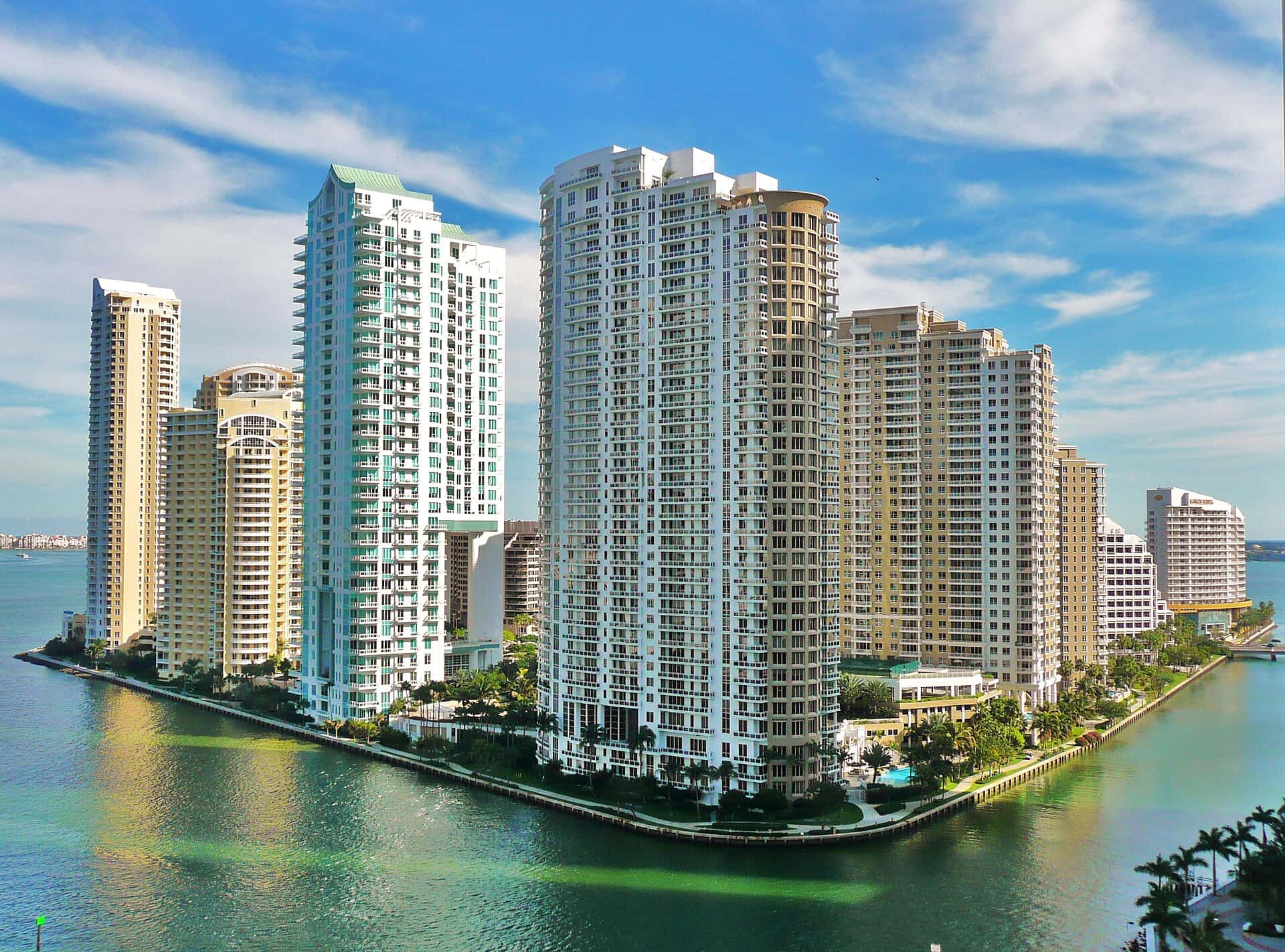
Miami-Dade County home sales rose 5.6 percent year-over-year in April, marking the eighth consecutive month of annual gains and the longest streak of monthly increases since the post-pandemic peak. The Miami Association of Realtors reported the figures in its monthly market release, citing a single-family sales increase of 2.4 percent, a condominium and townhouse sales increase of 6.9 percent, and a median single-family price of $420,000 that was up 1.8 percent from the same month a year earlier. The data signals continued normalization in South Florida's housing market after several years of pricing whiplash and inventory shocks.
What the Realtors data showed
According to the monthly statistical report issued by the Miami Association of Realtors, total residential closings in Miami-Dade County reached a level approximately 5.6 percent above the same month in 2025. Single-family closings rose 2.4 percent, while the larger condominium and townhouse category gained 6.9 percent. The dual gains across the two main residential property types indicate that the market recovery is not confined to a single segment, a pattern that some analysts had questioned earlier in the year given the lingering effects of new condo assessment rules on the multifamily market.
Median pricing data showed modest appreciation. The single-family median sale price reached $420,000, up 1.8 percent year over year, while the condominium and townhouse median posted a smaller gain. Both pricing measures remain well below the peak levels recorded during the post-pandemic surge, when bidding wars pushed median prices to historic highs. The current pricing environment reflects what the Miami Realtors described as a market settling into more sustainable territory after years of unusual volatility.
Inventory data showed a meaningful improvement compared with the tight conditions that characterized the market during the post-pandemic period. Months of supply, a measure of how long current inventory would last at the current sales pace, sat at levels that the Realtors described as approaching balanced market territory. Buyers have more options to consider than they did a year ago, although certain neighborhoods and price points remain undersupplied relative to demand.
What's driving the eight-month streak
The Realtors attributed the sustained sales growth to several converging factors. Mortgage rates, while still elevated relative to the historic lows recorded during the pandemic period, have stabilized in a range that buyers appear to have accepted as the new normal. The expected sharp declines in rates that some buyers held out for in earlier years have not materialized, and the result has been a gradual return of demand from buyers who had been waiting on the sidelines.
Population growth in Miami-Dade County continues to support housing demand even as the pace of new resident arrivals has moderated from the post-pandemic surge. The county remains a net importer of population from other states, particularly the Northeast and Midwest, and from international markets that have historically supplied a meaningful share of South Florida buyer demand. International buyers, while a smaller portion of total transactions than in some prior years, continue to support pricing in higher-end segments.
The condominium market's strength is particularly notable given the regulatory and financial pressures that have weighed on the segment over the past several years. The Florida Legislature enacted condominium safety reform legislation in the wake of the Surfside collapse, and many older buildings have undertaken structural assessments and reserve studies that have led to special assessments on unit owners. Despite those pressures, condominium sales have continued to grow, with buyers showing willingness to absorb the additional ownership costs in exchange for waterfront and walkable locations.
What it means for Florida buyers and sellers
For South Florida buyers, the eight-month sales streak suggests that the days of dramatic price declines that some had hoped for are unlikely to materialize. Pricing has softened from peak levels but has been holding steady or appreciating modestly in most segments. Buyers who continue to wait for substantial price drops face the risk that prices will continue to grind higher, particularly if mortgage rates decline meaningfully and unleash additional demand from buyers waiting on the sidelines.
For sellers, the market environment is meaningfully more favorable than it was a year ago, when the combination of high mortgage rates and elevated inventory levels was forcing many sellers to accept extended marketing times and price reductions. Days on market, while still longer than the brief windows that defined the post-pandemic peak, have shortened compared with the prior year. Properties that are well priced and well presented are moving in reasonable time frames, although ambitious pricing continues to face market resistance.
For real estate professionals, the sustained activity has supported a recovery in transaction volume after the steep declines that affected the industry during the post-pandemic rate shock. Commission income for agents and brokers has recovered, although the recovery has been uneven, with established agents serving the higher-end segments faring better than newer agents working in more transactional middle-market price points.
The condominium recovery in detail
The 6.9 percent year-over-year gain in condominium and townhouse sales represents one of the strongest monthly performances for the segment in recent quarters. The recovery is notable given that the condominium market had been the segment most affected by structural regulatory changes, with the post-Surfside reforms requiring associations to fully fund reserves and conduct milestone inspections at intervals tied to building age and height. The associated costs have been passed through to unit owners in the form of higher monthly fees and special assessments.
The pricing trend in the condominium segment has been mixed, with newer buildings and waterfront properties continuing to perform well, while older buildings facing significant assessment costs have seen pricing pressure. The bifurcation has created opportunities for buyers willing to take on units with deferred maintenance and to participate in association capital improvement programs. Sophisticated investors and institutional buyers have moved into segments of the market where individual buyers have been more hesitant.
The pipeline of new condominium construction in Miami-Dade has continued, with developers actively building both standard and ultra-luxury product across the urban core, the beaches, and emerging neighborhoods in the western part of the county. Pre-construction deposit structures, which require buyers to commit significant capital in stages over multi-year build periods, have remained popular in the higher-end segments where buyer pools are typically less rate-sensitive. Several major projects scheduled for delivery in 2027 and 2028 have reported strong pre-sales activity, which developers cite as evidence of sustained demand for new product.
Foreign buyer activity in the condominium segment has continued, with buyers from Latin America, Europe, and increasingly the Middle East purchasing units in the higher-end segments. South Florida's positioning as a global gateway for capital flight and lifestyle migration has supported pricing in segments where local affordability would otherwise be a constraint. The currency dynamics that affect international buyer interest have been generally supportive of South Florida demand in recent quarters.
How Miami-Dade compares with neighboring counties
The Miami-Dade results echo broader strength across South Florida's three-county region. Broward County and Palm Beach County have each reported similar patterns of recovering sales activity and stabilizing pricing in recent months. The three counties together represent one of the largest metropolitan housing markets in the country, and the consistency of the recovery across the region suggests that the underlying demand drivers are operating at a scale that should support continued activity through the remainder of 2026.
Statewide, Florida Realtors data has shown similar patterns of recovering activity in many other Florida markets, although the specifics vary by region. The Tampa Bay area, Jacksonville, and Orlando have each reported gains in recent months. Some markets that experienced particularly sharp post-pandemic appreciation, including parts of the Florida Gulf Coast, have seen more moderate recovery patterns as inventory has built up in some submarkets. Each regional market has its own dynamics shaped by population flows, employment trends, and the mix of permanent and seasonal residents.
The South Florida recovery comes against a national backdrop of generally stabilizing housing market activity. National Association of Realtors data has shown gradual recovery in transaction volumes across most major metropolitan areas, although pricing trends have been more mixed. South Florida's outperformance on the population growth dimension has supported its relatively strong sales recovery compared with markets that have been losing population to interstate migration.
Mortgage rates and affordability
Mortgage rates remained in the high-six percent range during April for the conforming 30-year fixed product, according to data tracked by Freddie Mac and other industry sources. While that rate environment is meaningfully above the pandemic-era lows of around three percent, it has been stable enough for an extended period that buyers and lenders have largely adjusted their expectations. The previous mismatch between buyer expectations of falling rates and persistent rate stability has been resolving in favor of a buyer acceptance of the new normal.
Affordability indices for Miami-Dade County remain meaningfully below the historic averages, with the median household income covering a smaller share of the qualifying income needed to purchase the median-priced home than was the case before the post-pandemic surge. The affordability gap has been closing modestly as wage growth has continued and as pricing has stabilized, but the county remains among the less affordable major housing markets in the country relative to local incomes.
Down payment requirements, closing costs, and insurance costs all contribute to the total cost of South Florida homeownership. Property insurance in particular has been a significant driver of carrying costs, with premiums having risen substantially over the past several years due to hurricane exposure and broader Florida insurance market dynamics. Lenders factor insurance premiums into qualifying calculations, and the high insurance costs have effectively raised the income threshold required to qualify for a given mortgage amount.
What's next for the South Florida market
The Miami Realtors and other industry observers said the second half of 2026 is likely to see continued activity, with the typical seasonal pattern of slower summer months followed by stronger fall activity. The underlying demand drivers, including population growth and the stabilized rate environment, suggest that the recovery pattern that has now extended for eight months is likely to continue, although the pace of monthly gains may moderate as the easier year-over-year comparisons from the weakest period of the prior year roll off.
Inventory trends are likely to remain a key variable. New construction activity, particularly in the multifamily and condominium segments, will add supply over the coming quarters, and the resale market will continue to see homes listed by sellers whose circumstances require them to transact. The interaction of those supply sources with demand will determine whether pricing continues to firm or stabilizes at current levels.
For Florida residents considering housing decisions, the data points to a market that has moved past the most volatile period of recent years. Pricing has stabilized, sales activity has recovered, and inventory has improved enough to give buyers meaningful choice. The market is unlikely to return to the frenetic pace of the post-pandemic peak, but the steady recovery pattern suggests a return to more functional market conditions that should allow buyers, sellers, and the real estate industry to plan with greater confidence.
Spotted an issue with this article?
Have something to say about this story?
Write us a letterComments
No comments yet. Be the first to weigh in.
Related Coverage
Jacksonville council members weigh relief for high JEA bills as utility says it isn't ready for a hyperscale data center
22h ago

Rays to open Westshore ballpark experience center in 2027 as Tampa stadium deal moves ahead
1d ago
New I-95 Interchange at Oslo Road Opens in Indian River County More Than a Year Early
2d ago

Dean Guitars parent Armadillo ordered to pay Gibson more than $4 million in legal fees
3d ago