New Insurers Enter Florida Market as Citizens Cuts Rates Before Hurricane Season
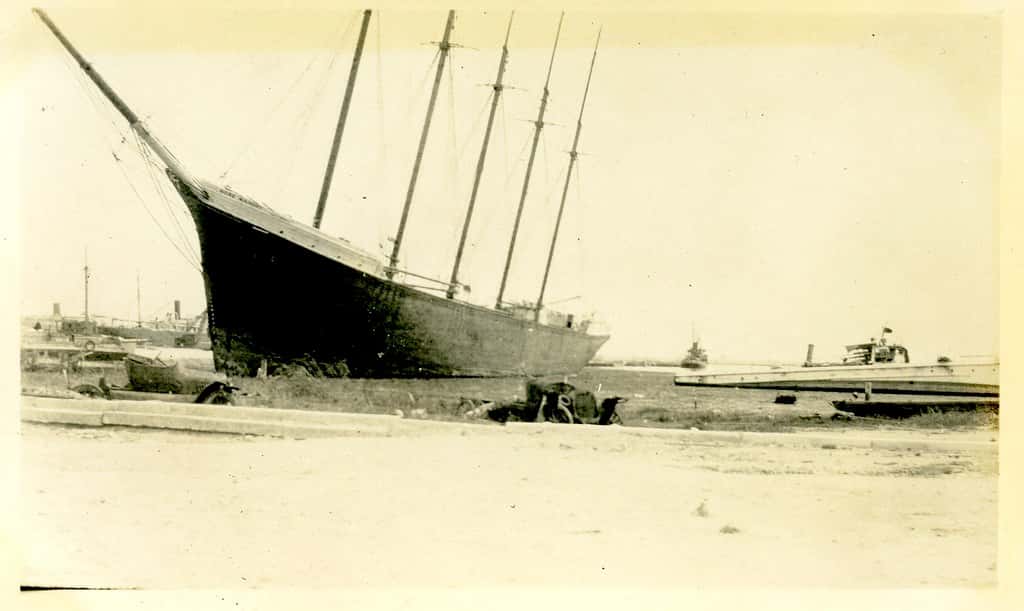
Florida's troubled property insurance market is showing fresh signs of stabilization, with state regulators approving new carriers to enter the state and the state-backed Citizens Property Insurance Corporation reducing rates for 2026. Officials and industry analysts describe a market that has improved markedly from the crisis years, even as experts urge caution heading into a hurricane season that begins June 1. The combination of new competition, falling Citizens enrollment and rate relief points to a calmer environment for homeowners who endured years of soaring premiums and carrier departures.
New carriers entering the state
State insurance officials announced that several additional property and casualty insurers have been cleared to begin writing policies in Florida, expanding the pool of companies competing for homeowners. The newly approved carriers include firms based in Florida and out of state, a notable shift after years in which insurers were retreating from the market rather than entering it.
The arrival of new companies matters because competition is a key driver of both availability and price. During the worst of the crisis, homeowners in many areas struggled to find any private coverage at all, pushing hundreds of thousands of policies onto Citizens, the insurer of last resort.
Regulators have pointed to the influx of new carriers as evidence that legislative reforms aimed at reducing litigation and stabilizing the market are taking hold. The trend, if it continues, would give homeowners more options and ease the pressure that built up over the prior several years.
The new entrants join a market that had seen the opposite trend during the crisis, when carriers became insolvent or pulled back from writing policies in the state. The reversal, with companies now seeking to do business in Florida, is among the clearest signals that conditions have shifted.
Citizens cuts rates and shrinks
Citizens Property Insurance, which ballooned during the crisis as private carriers pulled back, has reduced rates for 2026 after regulators approved new pricing for the state-backed insurer. Homeowners with multiperil policies saw an average decrease, and those with wind-only coverage saw a smaller average reduction.
Just as significant is the shrinking size of Citizens itself. The insurer's policy count has fallen sharply from its peak, a decline of roughly three-quarters from the high reached in late 2023, as policyholders move back into the private market. That depopulation reduces the financial risk that Citizens, and ultimately Florida taxpayers and policyholders, would face after a major storm.
A smaller Citizens is widely viewed as a marker of market health, because the insurer is meant to be a backstop rather than the dominant carrier. The combination of falling enrollment and lower rates suggests the private market is reabsorbing risk that had piled up at the state-backed company.
The depopulation matters because a large Citizens carries systemic risk: if a major storm produced losses beyond its reserves and reinsurance, the shortfall could be passed on to policyholders across the state through assessments. Shrinking the insurer reduces that exposure for all Floridians.
The Florida context
Florida's property insurance market has been among the most stressed in the nation, battered by hurricane losses, litigation costs and rising reinsurance prices. Premiums climbed to some of the highest levels in the country, and several carriers became insolvent or withdrew from the state, leaving homeowners scrambling for coverage.
In response, the Legislature passed reforms intended to curb the litigation and claims practices that insurers blamed for driving up costs. The current signs of stabilization, including new entrants and Citizens rate cuts, are being cited by state officials as evidence that those changes are working.
Still, the market's improvement remains fragile and uneven. Affordability continues to challenge many households, and the true test of any recovery is how the system performs when a powerful hurricane strikes. The relationship between insurance costs and broader housing affordability has made the issue central to Florida's economic and political conversation.
The insurance issue is closely tied to the parallel debate over property taxes and the broader cost of living in Florida. For many homeowners, insurance premiums and tax bills are the two largest recurring costs of owning a home, and both have been focal points of state policy.
Cautious optimism before the season
Insurance experts have expressed cautious optimism heading into the 2026 hurricane season, noting the improved capital position of carriers and the return of competition. The forecast for a below-normal Atlantic season, driven by El Nino conditions, adds to the guarded confidence, though analysts stress that a single landfalling storm can upend the picture.
The caution is well founded. Reinsurance costs, which insurers pay to cover catastrophic losses, remain a major factor in pricing, and a destructive season could quickly reverse recent gains. Carriers and regulators alike are watching the tropics closely as the season opens.
For homeowners, the message from experts is that relief is real but not guaranteed to last if the weather turns severe. The market's resilience will be tested by whatever the season brings, making the next several months a critical period for Florida's insurance recovery.
The interplay between the hurricane forecast and the insurance market underscores how weather-dependent the state's recovery remains. A quiet season would reinforce the stabilization, while a major strike could test the improved footing that carriers and regulators have worked to build.
What it means for homeowners
For Florida homeowners, the practical effects include a better chance of finding private coverage, more competition that can help restrain prices, and, for Citizens customers, lower rates than in recent years. Those moving from Citizens back into the private market may find more options than they did at the height of the crisis.
The improvements do not erase the affordability strain that many households still feel, especially when insurance costs are stacked on top of property taxes and other rising expenses. But the direction of the market has shifted from contraction toward cautious expansion, a meaningful change after years of bad news.
Homeowners are still advised to review their policies carefully ahead of the season, confirm their coverage limits and understand their hurricane deductibles. Market stabilization does not reduce the importance of being properly insured when a storm threatens.
Residents are also reminded that standard homeowners policies generally do not cover flood damage, which requires separate flood insurance that often carries a waiting period. The pre-season window is the time to address any gaps in coverage before a storm appears on the horizon.
Local impact across the state
The market's stress and recovery vary by region. Coastal areas exposed to wind and storm surge, including South Florida and the Gulf Coast, have historically faced the steepest premiums and the thinnest private market, so new carriers and Citizens depopulation carry particular weight there.
Inland communities generally face lower hurricane risk and have had more stable coverage, but they too benefit from a healthier statewide market and reduced reliance on Citizens. The return of private competition can ripple across regions as carriers expand where they see acceptable risk.
Local real estate markets are intertwined with insurance availability and cost, since buyers must secure coverage to close on financed homes. A more functional insurance market supports housing activity across Florida, while any renewed instability would weigh on it.
The coastal-inland divide in risk and pricing means the benefits of stabilization are felt differently across the state. Still, a healthier overall market and a smaller Citizens reduce systemic risk for all Floridians, regardless of where they live.
The role of reinsurance
Behind the scenes of Florida's insurance market sits reinsurance, the coverage that insurers themselves purchase to protect against catastrophic losses. The cost and availability of reinsurance are major factors in what homeowners ultimately pay, since carriers pass those costs along in their premiums.
Reinsurance prices rose sharply during the crisis years, reflecting the heavy losses from major storms and broader pressures in global markets. Those increases were among the forces that pushed Florida premiums to some of the highest levels in the country and contributed to carriers leaving the state.
As the market stabilizes, the trajectory of reinsurance costs will be a key variable. A calmer storm season and improved conditions could ease reinsurance pressures, supporting the recovery, while a destructive season could drive those costs, and premiums, back up.
The stabilization of the market also has implications for the broader Florida economy, since the availability and cost of insurance affect the housing market and the ability of residents to buy and keep homes. A functioning insurance market is a prerequisite for a healthy real estate sector.
State officials have framed the recent improvements as validation of the reforms enacted to address the crisis, while cautioning that the work is not finished. Sustaining the progress will require continued attention to the factors that drove the market's troubles.
For homeowners, the bottom line is a market that offers more options and somewhat more stability than during the crisis, but one that remains sensitive to the weather and to broader economic conditions. The coming hurricane season will be an important test.
What is next
The near-term focus is the hurricane season and whether Florida avoids a major landfall that would test the market's improved footing. A quiet season would reinforce the recovery and could encourage further entrants and additional rate moderation.
Regulators will continue to monitor the financial health of carriers, the pace of Citizens depopulation and the trajectory of rates. Lawmakers, meanwhile, remain attentive to insurance as part of the larger affordability debate, alongside the parallel push to cut property taxes.
For homeowners, the coming months will reveal whether the current stabilization is the start of a durable recovery or a fragile lull. The combination of new competition and a shrinking Citizens offers reason for optimism, but Florida's insurance story ultimately hinges on the weather and the market's ability to absorb whatever the season delivers.
Spotted an issue with this article?
Have something to say about this story?
Write us a letterComments
No comments yet. Be the first to weigh in.
Related Coverage
Alonzo Mourning's Courtside II Opens in Overtown, Adding 120 Affordable Apartments With Rents From $683
2d ago

Bern's Steak House, South Howard Businesses Sue Tampa to Halt $100 Million Flood Relief Project
3d ago
Swire Breaks Ground on Mandarin Oriental Towers on Brickell Key After Selling More Than $1.7 Billion in Condos
3d ago

Seminole Tribe Sues DraftKings and CEO Jason Robins in Broward, Calling Its Florida Prediction Markets an Illegal Sportsbook
3d ago