PortMiami's $345 Million Royal Caribbean Terminal Signals Florida's Cruise Industry Keeps Growing
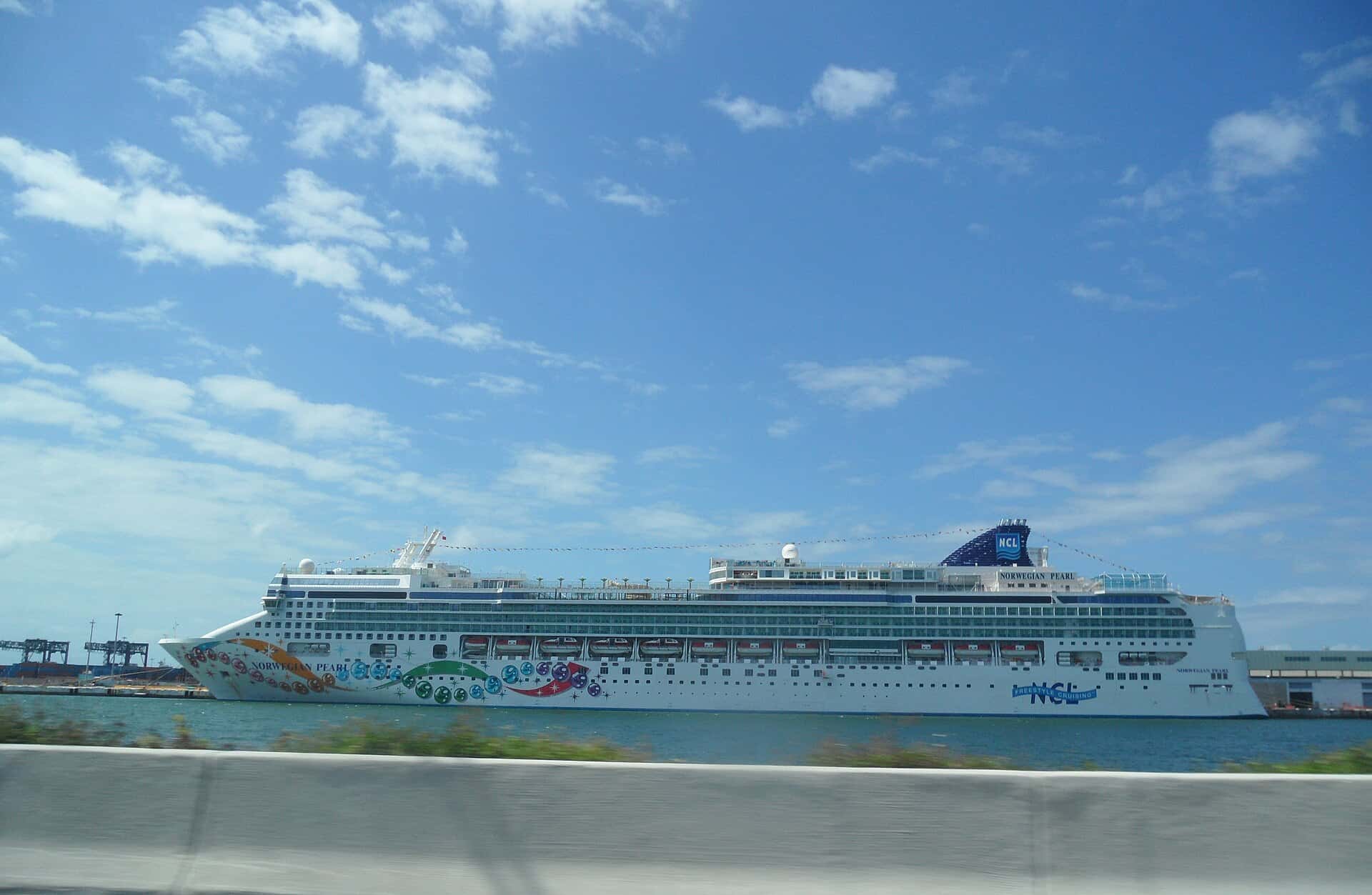
Florida's cruise industry, the largest in the world, continues to pour investment into the state's ports, and PortMiami is at the center of the build-out. The port is undertaking a 345 million dollar project to demolish an older terminal and construct a new Royal Caribbean Group facility capable of accommodating the largest passenger ships afloat, a development that underscores how central cruising has become to Florida's economy and how confident the industry remains about its future. The decision to commit hundreds of millions of dollars to a single dedicated terminal is the kind of move that companies make only when they expect demand to keep climbing for decades, and it sends a clear signal about where the cruise lines see their business heading.
The PortMiami project
The infrastructure plan calls for the demolition of the old Terminal G and the construction of a new Royal Caribbean Group exclusive facility, an investment reported at roughly 345 million dollars. Construction officially began earlier this year, and the new terminal is scheduled for completion in the fourth quarter of 2027, giving the port a modern facility purpose-built for the next generation of cruise ships. Replacing an aging terminal with a state-of-the-art structure is more than a cosmetic upgrade; it reflects a recognition that the older facilities simply were not designed for the dimensions and passenger volumes of the ships now entering service.
The terminal is designed to handle the industry's largest vessels, specifically the massive Icon-class ships that represent the cutting edge of cruise ship design. These vessels carry thousands of passengers and require specialized port infrastructure to manage the enormous flow of travelers boarding and disembarking, making the investment in modern terminal capacity essential to keeping pace with the ships the lines are building. A terminal serving ships of that size must coordinate baggage handling, security screening, customs and immigration processing, parking, and ground transportation on a scale that strains older facilities, and the new building is meant to move passengers through those steps efficiently enough to keep turnaround times manageable.
The scale of the investment reflects the long-term commitment of the cruise lines to Florida. A 345 million dollar terminal is a substantial bet on the continued growth of the industry, and the dedicated facility for Royal Caribbean signals a deepening partnership between the port and one of the world's leading cruise operators. Such investments are made with decades-long horizons, indicating confidence in sustained demand. Exclusive terminals also give a cruise line greater control over the guest experience from the moment travelers arrive, allowing the company to shape boarding, branding, and onboarding around its own ships rather than sharing a generic facility with competitors.
Building a terminal of this kind is itself a complex engineering undertaking. Demolishing an existing structure on an active, working port while neighboring berths continue to handle ships requires careful scheduling so that the disruption to ongoing operations is kept to a minimum. The construction timeline stretching into late 2027 reflects both the size of the facility and the constraints of building within a busy maritime environment, where dredging depths, berth alignment, and connections to roadways and utilities all have to be accounted for.
Florida as the cruise capital
PortMiami serves as the homeport for the majority of the world's leading cruise lines, including Royal Caribbean International, Carnival Cruise Line, Norwegian Cruise Line, MSC Cruises, Disney Cruise Line, and Virgin Voyages, among others. That concentration has earned Miami its reputation as the cruise capital of the world, and it makes the port a critical node in the global cruise industry. The presence of so many operators in one location creates a cluster effect, drawing the supporting businesses, skilled labor, and logistics networks that the industry depends on, which in turn makes the port even more attractive to the lines.
Florida's dominance extends well beyond Miami. Port Everglades in Fort Lauderdale and Port Canaveral on the Space Coast are also among the busiest cruise ports in the world, and together with PortMiami they make Florida the undisputed center of the global cruise business. The state's geography, climate, and proximity to Caribbean destinations make it the natural launching point for the industry. A relatively short sailing distance to popular island destinations allows ships to maximize the time passengers spend at sea and in port rather than in transit, a logistical advantage that few other regions can match.
That competitive position is also reinforced by Florida's accessibility for travelers. The state's major airports feed a steady stream of passengers to the ports, and an extensive network of highways, hotels, and rental services makes it convenient for visitors to combine a cruise with a broader Florida vacation. The combination of warm weather year-round and a deep tourism infrastructure means the ports rarely face the seasonal limitations that can constrain cruise operations elsewhere.
The cruise lines themselves have continued to evolve their offerings. Carnival, for example, recently adjusted its loyalty program and announced plans for new experiences, part of the constant product development that keeps the industry competitive. The mix of port investment and onboard innovation reflects an industry working to grow its customer base and deepen loyalty among existing passengers. Loyalty programs and new onboard attractions are designed to convert first-time cruisers into repeat customers, and the lines treat each as a lever for sustaining the demand that justifies projects like the new terminal.
The economic engine
The cruise industry is a powerful economic engine for Florida. It supports a vast network of jobs, from port workers and ship crews to the suppliers, vendors, and service providers that keep the vessels stocked and the terminals running. The industry's reach extends into hospitality, transportation, food and beverage, and countless other sectors that benefit from the flow of millions of passengers through Florida's ports. Provisioning the ships alone requires a constant supply of food, beverages, fuel, and goods, much of it sourced and handled locally, which spreads the economic benefit across a broad base of businesses well beyond the waterfront.
Cruise passengers contribute to the broader Florida economy beyond the ships themselves. Many travelers arrive a day or more before departure or stay after returning, filling hotels, dining in restaurants, and patronizing attractions in the port cities. The spending generated by this pre- and post-cruise tourism adds significantly to the economic impact of each sailing, benefiting communities across South Florida and the Space Coast. Larger ships, by carrying more passengers per sailing, amplify this effect, concentrating greater numbers of visitors into the surrounding communities and the businesses that serve them.
Port investments like the new PortMiami terminal also generate construction jobs and economic activity during the build-out phase, on top of the long-term employment the facilities support once operational. The 345 million dollar project represents both an immediate economic stimulus and a foundation for future growth, reinforcing the industry's role as a pillar of the state economy. The skilled trades involved in such a project, from steelworkers and electricians to engineers and project managers, see meaningful work over the multi-year construction period, and the permanent jobs created once the terminal opens add to the lasting payroll the port sustains.
The national and federal dimension
The cruise industry operates within a framework of federal oversight and national significance, which is part of why developments at Florida's ports carry implications beyond the state. Federal agencies regulate aspects of cruise operations, from safety and security to public health and environmental compliance, and national policy decisions can ripple directly through the Florida-based industry. Customs and border processing, maritime safety standards, and environmental rules governing emissions and discharges all shape how the ports and the lines operate day to day.
The industry's experience during recent years demonstrated its vulnerability to national and global events, and its subsequent recovery has been a notable story of resilience. The continued investment in port infrastructure signals that the lines and the ports view the industry's long-term prospects as strong, even as they remain attentive to the regulatory and economic forces that shape their business. The willingness to commit to a multi-year construction project, despite the uncertainties that any large industry faces, suggests the operators have regained confidence that the demand disrupted in earlier years has returned and will continue to grow.
Florida's congressional delegation and state officials have a clear interest in supporting the cruise industry given its economic importance, and the health of the sector is a recurring theme in discussions of the state's tourism economy. The ports themselves, often operated by local government authorities, balance the drive for growth with the responsibilities of managing major public infrastructure. Those authorities must weigh the revenue and employment the cruise lines bring against the costs of maintaining and expanding facilities, managing traffic, and addressing the environmental footprint of large-scale maritime activity.
What it means for Floridians
For Floridians, the cruise industry's continued expansion means sustained employment and economic activity, particularly in the port communities of South Florida and the Space Coast. The jobs supported by the industry span a wide range of skill levels and sectors, making it an important source of opportunity in the regions where the ports are located. From entry-level positions to specialized technical and professional roles, the industry offers a ladder of employment that supports families across the port regions.
The investment also reinforces Florida's position in the global tourism economy, a sector that is central to the state's identity and prosperity. As the ports modernize to accommodate ever-larger ships, they strengthen Florida's competitive advantage as the premier launching point for cruises, helping to secure the industry's presence for years to come. In a global market where other regions are working to attract a share of cruise traffic, Florida's continued investment helps ensure that the lines keep their largest and newest ships based in the state.
For residents who live near the ports, the growth brings both benefits and considerations, including increased activity, traffic, and the ongoing balancing act between economic development and quality of life. The expansion of cruise infrastructure is a visible reminder of how thoroughly the industry is woven into the fabric of life in Florida's coastal cities. Managing that growth responsibly, with attention to congestion, the environment, and the needs of surrounding neighborhoods, is part of the long-term challenge that comes with hosting the world's busiest cruise port.
What's next
The new PortMiami terminal is on track for completion in late 2027, after which it will begin handling the largest cruise ships and the thousands of passengers they carry. In the meantime, construction will continue to generate activity at the port, and the broader industry will keep evolving its ships, itineraries, and onboard experiences. As the opening date approaches, the port and the cruise line will coordinate the logistics of bringing the facility online, from staffing and systems testing to scheduling the first ships that will call there.
The trajectory points toward continued growth for Florida's cruise sector, with ongoing investment across the state's major ports. As long as the industry remains confident in sustained demand, Florida appears poised to maintain and extend its standing as the cruise capital of the world. For the state's economy, that means the cruise industry will remain a vital engine, and developments like the PortMiami terminal are signs of an industry still very much on the rise. Whether the pace of expansion can continue indefinitely will depend on demand, regulation, and the broader health of the travel economy, but for now the direction is unmistakably upward, and Florida sits firmly at the heart of it.
Spotted an issue with this article?
Have something to say about this story?
Write us a letterComments
No comments yet. Be the first to weigh in.
Related Coverage

Nine Florida HIV Prevention Groups Lose Direct CDC Grants as Federal Money Shifts to State Health Department
46m ago

Customs Rule That Could Cut Off Mailed Prescriptions From Canada for Florida Seniors Delayed to Jan. 20
3h ago

Cuba Says Florida-Based Speedboat Raiders Confessed and Face Terrorism Charges That Carry Death Penalty
3h ago

USDA's $8 Billion Harvest Fuel Relief: What Florida Growers and Fishermen Can Expect
21h ago