FDLE Child Exploitation Initiative Yields Monroe County Arrest
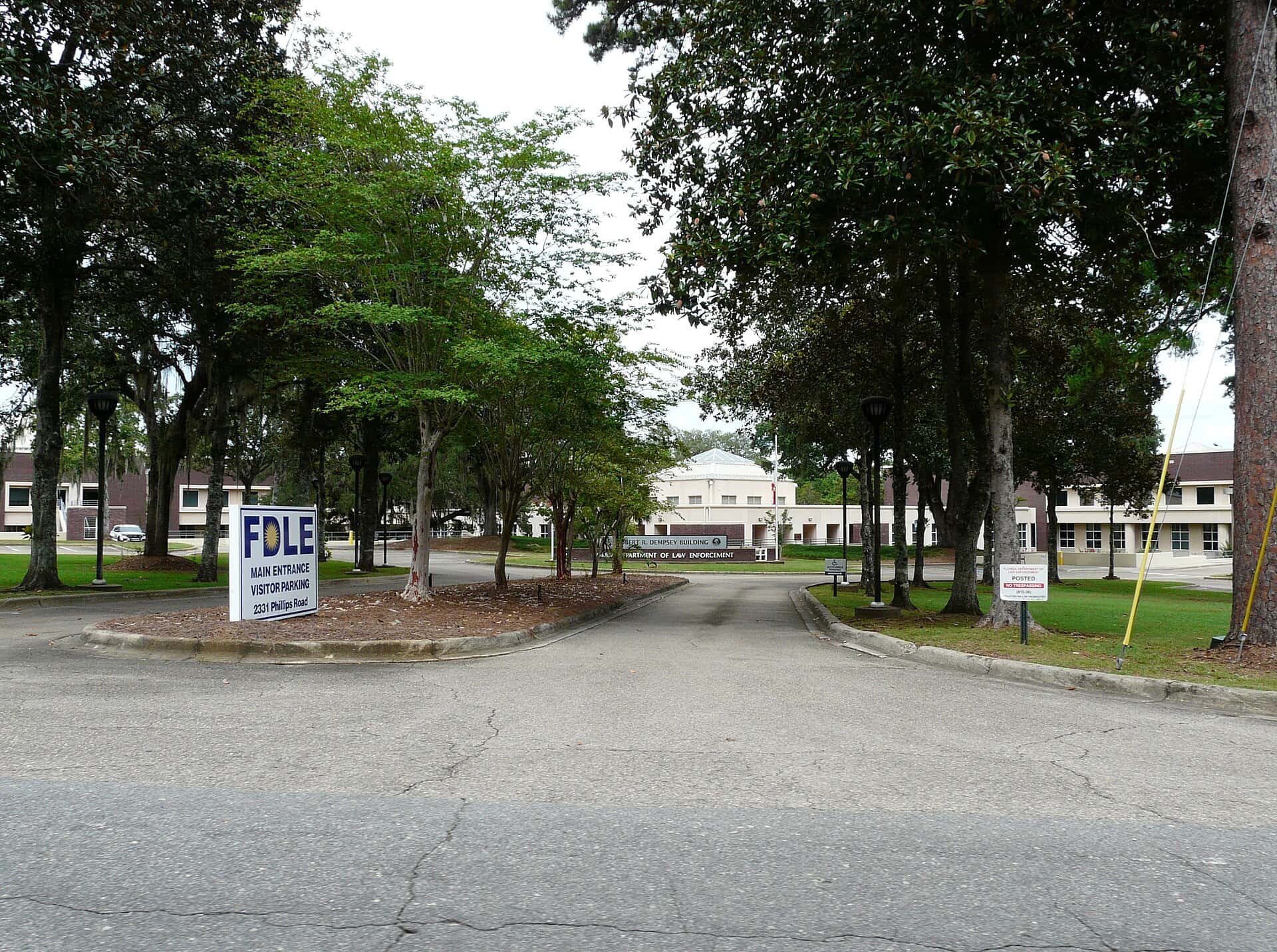
The Florida Department of Law Enforcement, working with Homeland Security Investigations, arrested a Summerland Key man on 11 counts of possession of child sexual abuse material, according to an agency announcement dated September 1. FDLE identified the man as Melvin Donald Ellington, 76.
The agency described the arrest as the product of its statewide initiative to identify and arrest people who target children and who share files depicting the sexual abuse of children. Ellington has been charged and is presumed innocent unless and until he is convicted.
The case is one of a continuing series of arrests FDLE has announced under the initiative, which operates through regional offices and in partnership with federal agencies and local law enforcement across Florida.
How these investigations begin
Investigations into the possession and distribution of child sexual abuse material typically originate through one of a small number of channels, and the technical work behind them is considerably more systematic than the public generally understands.
One common origin is a report from an electronic service provider. Federal law requires providers to report apparent child sexual abuse material to the National Center for Missing and Exploited Children when they become aware of it, and the center forwards those reports to the appropriate law enforcement agency.
Another is undercover work on peer-to-peer file sharing networks. Investigators use software that identifies files matching known hash values, digital fingerprints of previously identified material, and records the internet addresses offering them for download. That produces a lead that can be developed into a subpoena, a search warrant, and forensic examination of seized devices.
The forensic phase is where cases are built or fail. Establishing that a specific person possessed specific files requires linking devices to a person and establishing knowing possession rather than incidental presence of files on a machine.
The federal partnership
Homeland Security Investigations, the investigative arm of the Department of Homeland Security, has jurisdiction over child exploitation offenses with an interstate or international component, which in practice covers nearly all cases involving internet distribution.
Joint state and federal investigations are the norm in this area. The federal agency brings resources including forensic laboratories, international liaison capability, and access to databases that identify known material and, in some cases, identify victims.
The decision about whether a case is prosecuted in state or federal court depends on several factors, including the specific conduct, the applicable penalties, and prosecutorial capacity. Florida law provides for substantial penalties, and possession offenses are charged per file, which is why counts accumulate quickly.
Florida's statutory framework
Florida law makes possession of child sexual abuse material a third-degree felony for each image or file, with enhanced penalties applying in certain circumstances including material depicting particularly young victims or sadistic conduct.
Charging on a per-file basis means the count structure in these cases reflects the volume of material rather than the number of separate incidents. Eleven counts indicates the charges relate to a specific set of identified files rather than to the entirety of anything recovered.
Convictions carry registration requirements under Florida's sexual offender statutes, along with the reporting and residency obligations that attach to registration. Those consequences persist long after any sentence is completed.
The scale of the problem
Reports of child sexual abuse material have increased dramatically over the past decade, driven by both greater detection capability and greater volume of material in circulation. The National Center for Missing and Exploited Children processes millions of reports annually.
That volume creates a triage problem for law enforcement. Agencies cannot investigate every report, and prioritization frameworks focus resources on cases indicating hands-on abuse, production of new material, or contact with children.
Florida's task force structure, which operates through the Internet Crimes Against Children program with federal funding and coordination, is designed to address that problem by distributing capability across regional units rather than concentrating it in one place.
Victim identification
An aspect of this work that receives less public attention is victim identification. Files circulating on these networks depict real children, and specialized units work to identify and locate victims from details visible in the material.
That work has resulted in the identification and rescue of children in active abuse situations. It is painstaking, involving analysis of background details, and it is conducted by a small number of specialists internationally.
The connection between possession cases and victim identification is why enforcement agencies argue that possession is not a victimless offense. Demand for the material sustains its production, and each file depicts an actual crime against an actual child.
How the public can report
FDLE and its federal partners maintain reporting channels for anyone who encounters suspected child exploitation material or who has information about someone targeting children.
The CyberTipline operated by the National Center for Missing and Exploited Children accepts reports from the public and routes them to law enforcement. FDLE also accepts tips directly, and local law enforcement agencies can take reports.
People who encounter suspected material should report it rather than investigating themselves. Downloading, forwarding, or retaining such material, even with the intention of documenting it, creates legal exposure and can compromise an investigation.
How Florida structures this work
FDLE is the state's principal investigative agency, operating regional field offices across Florida and providing forensic laboratory services to local agencies that lack their own.
Its role in child exploitation cases runs through several channels. It conducts its own investigations, it supports local agencies with technical capability, and it participates in the Internet Crimes Against Children task force structure that coordinates work across jurisdictions.
That task force model is federally supported and exists in every state. It matters because these cases rarely respect jurisdictional boundaries. A file shared from a computer in one county may be downloaded in another, and the network through which it moved may span continents.
The Florida Keys, where this arrest occurred, are served by the Monroe County Sheriff's Office across a geography that stretches more than a hundred miles. Cases requiring specialized digital forensic capability in a jurisdiction of that size are precisely the scenario the state and federal support structure was built to address.
The digital forensics behind a case
The technical work that produces charges in these cases is meticulous and is designed to withstand challenge in court.
Seized devices are imaged, meaning an exact bit-for-bit copy is created, and analysis is performed on the copy rather than the original. That preserves the evidence in its seized state and allows the defense to conduct independent examination.
Analysts then examine file systems, deleted file remnants, browser artifacts, and application data. Files are compared against hash databases of previously identified material, which allows automated identification without requiring an analyst to view every file.
Establishing knowing possession is where cases most often turn. A file present on a device is not automatically evidence that its owner knew it was there, and defenses in these cases frequently focus on that question. Prosecutors typically build the knowledge element from search terms, folder organization, file naming, access timestamps, and other artifacts that indicate deliberate acquisition.
All of that work occurs before charges are filed, which is why the interval between an investigation beginning and an arrest being announced can extend for months.
What parents can practically do
Law enforcement agencies working these cases consistently emphasize that prevention happens at home rather than in a courtroom, and the guidance they offer is specific rather than general.
Conversations matter more than software. Children who understand that they can report an uncomfortable online interaction without losing device access are far more likely to report it. The most common reason children conceal such contact is fear of the consequences of disclosure.
Platform awareness is the second element. Contact frequently begins on gaming platforms and social applications where adults and minors interact, and it often moves to encrypted messaging where it becomes invisible to any monitoring a parent has in place. Understanding which applications a child uses, and how communication works on each, is more useful than blanket restrictions.
Warning signs that agencies describe include new devices or accounts a parent did not provide, secrecy about online contacts, gifts arriving from unknown senders, and withdrawal from usual activities. None of these is conclusive individually.
Reporting is the last element. Parents who encounter something concerning should preserve it rather than deleting it, and should contact law enforcement rather than confronting an unknown contact directly. Preserved evidence is what allows an investigation to proceed.
The prosecution timeline
Cases of this type move through the criminal system on a schedule that frequently frustrates everyone involved, and the reasons are structural rather than a matter of prosecutorial priority.
Digital evidence requires forensic examination that takes time, and laboratory backlogs are real. Defense counsel is entitled to independent examination of the same evidence, which adds further time. Motions regarding the validity of search warrants and the scope of seizures are common and are litigated before trial.
Many cases resolve through negotiated pleas rather than trial, which reflects both the strength of forensic evidence in these prosecutions and the sentencing exposure defendants face if convicted at trial on multiple counts.
What's next
The case against Ellington will be prosecuted in Monroe County, and it will proceed through the normal criminal process including first appearance, arraignment, discovery, and either plea negotiation or trial.
As with any criminal case, the charges represent allegations. Ellington is entitled to counsel and to the presumption of innocence, and nothing has been proven in court.
FDLE has continued announcing arrests under its statewide initiative, and the agency publishes those announcements through its news channel. Court records in Monroe County are public and provide the authoritative record of how individual cases proceed.
Spotted an issue with this article?
Have something to say about this story?
Write us a letterComments
No comments yet. Be the first to weigh in.
Related Coverage

Judge convicts Michigan inmate in 1985 Christmas Eve kidnapping and murder of Jacksonville teen Leslie McCray
21h ago

Houston Man Found Guilty in Mall at Millenia Tiffany Heist After Swallowing $770,000 in Earrings
22h ago
Boca Raton man arrested, accused of threatening to kill U.S. Rep. Jared Moskowitz in voicemail
1d ago

Kissimmee Mayor Jackie Espinosa Released on $70,000 Bond, Fined $2,000 by Ethics Commission as Sabatini Disputes Felony Grant Charges
1d ago