Polk County Reports New Measles Case as US Tally Tops 2,000 in 2026
A new measles case in Polk County has put Florida back in the national spotlight on the disease, arriving as the United States surpassed 2,000 confirmed measles cases for 2026, a milestone that public health officials describe as a serious threat to the country's hard-won measles elimination status. The case is a reminder that even as Florida's pace of new infections slowed in early June, the virus continues to circulate, and summer travel raises the risk of fresh exposures.
Measles is one of the most contagious diseases known, capable of spreading through the air and lingering in a room after an infected person has left. For Florida, a state with heavy domestic and international travel, large theme park crowds, and pockets of lower vaccination coverage, the disease poses a persistent public health management challenge. The Polk County case adds to a 2026 total that has spread across more than a dozen Florida counties.
What health officials reported
The Polk County case involves an adult resident and was logged in early June, according to state health reporting. It pushed Florida's year-to-date total higher, with cases distributed across more than a dozen counties. A significant share of the state's 2026 infections were concentrated earlier in the year in Collier County, tied to an outbreak in the Ave Maria area, illustrating how measles tends to cluster where it finds unvaccinated populations.
Nationally, the picture is more alarming. Confirmed cases across the country topped 2,000 for the year, with ongoing outbreaks in multiple states. Public health authorities have warned that the United States risks losing its measles elimination status, a designation earned decades ago that signifies the absence of continuous domestic transmission. Sustained outbreaks across multiple states threaten that status.
Florida health officials noted that the state had recently gone a stretch without a new case before the Polk County report, a reminder that lulls do not mean the threat has passed. The Centers for Disease Control and Prevention has cautioned health departments that summer travel typically brings additional importations and exposures, which can seed new clusters.
The Florida context
Florida's measles experience in 2026 reflects national trends but with its own geography. The Collier County cluster earlier in the year accounted for a large portion of the state's cases, demonstrating how a single community outbreak can dominate a state's totals. Subsequent cases have appeared more sporadically across other counties, including the central Florida case in Polk.
Vaccination coverage is the central variable. The measles, mumps, and rubella vaccine is highly effective, and high community coverage creates herd immunity that protects those who cannot be vaccinated, including infants too young for the shot and people with certain medical conditions. Where coverage dips below the threshold needed for herd immunity, measles can spread rapidly once introduced.
Florida's status as a tourism hub compounds the challenge. Millions of visitors pass through the state's airports, cruise terminals, and attractions each month, including international travelers from regions where measles is more common. That volume of movement increases the odds that the virus is introduced, making local vaccination rates the key defense against sustained spread.
Why measles is so contagious
Measles spreads through respiratory droplets and airborne particles, and the virus can remain infectious in the air or on surfaces for up to two hours after an infected person leaves an area. A person with measles can transmit it to a large majority of susceptible people they encounter, a transmissibility far higher than most common respiratory viruses.
The illness typically begins with fever, cough, runny nose, and red eyes, followed by the characteristic rash that spreads across the body. While many cases resolve, measles can cause serious complications, including pneumonia, brain swelling, and, in rare cases, death. Young children, pregnant women, and people with weakened immune systems face the highest risk of severe outcomes.
Because infected people can spread the virus before the rash appears, measles can move through a community before anyone realizes an outbreak is underway. That feature makes early detection and rapid public health response, including contact tracing and notification of potential exposure sites, essential to containing clusters.
What it means for Floridians
For most vaccinated Floridians, the risk from these cases is low, since two doses of the vaccine provide strong, lasting protection. The greater concern is for unvaccinated and under-vaccinated residents, particularly young children, and for communities where coverage has slipped. Public health officials urge families to verify that children are up to date on their vaccinations, especially before summer travel.
Parents of infants and people with compromised immune systems should be aware of measles activity in their area and consult their physicians about precautions. Travelers, especially those heading abroad or to areas with known outbreaks, are advised to confirm their immunity. Adults uncertain of their vaccination history can check records or speak with a health provider about whether a booster is appropriate.
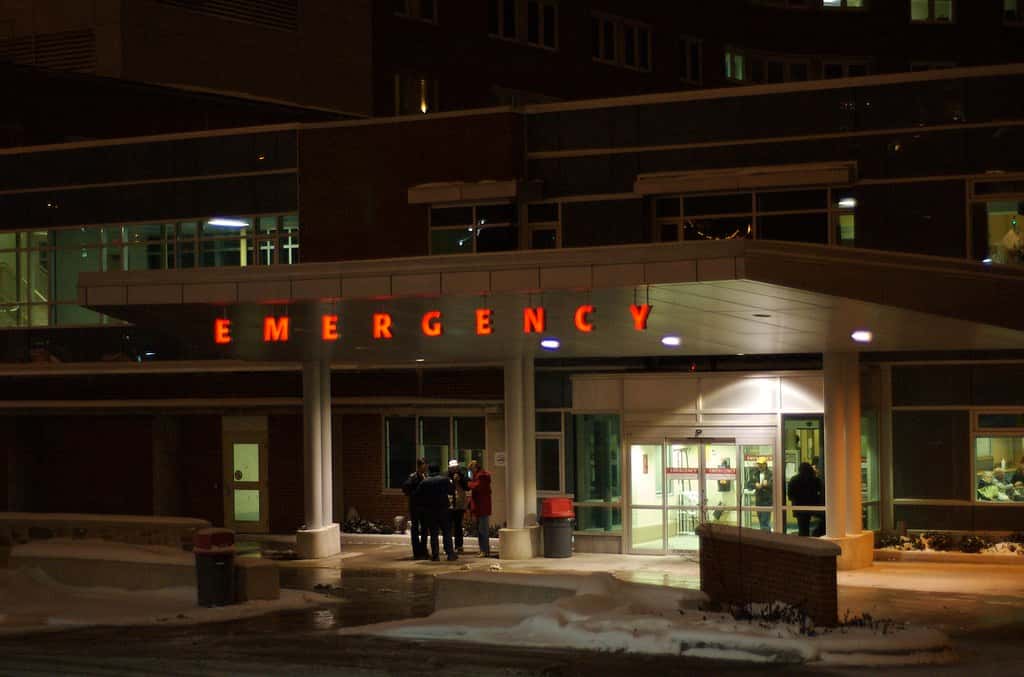
Anyone who develops symptoms consistent with measles is generally advised to call ahead before visiting a clinic or emergency room, so the facility can take precautions to avoid exposing others in waiting areas. That step helps prevent a single case from becoming a cluster centered on a health care setting.
The summer travel risk
The CDC's warning about summer travel is particularly relevant for Florida. The season brings family vacations, international trips, and large gatherings, all of which create opportunities for measles to spread. Theme parks, airports, and cruise terminals concentrate people from many places, raising the chance that an infected traveler exposes others.
Health officials emphasize that vaccination before travel is the single most effective precaution. For international travel, the recommendation is that all eligible travelers be fully vaccinated, including an earlier dose for infants in certain circumstances, on the advice of a physician. Domestic travel to areas with active outbreaks carries similar considerations.
The interplay between travel and local vaccination rates determines how the rest of the year unfolds. A well-vaccinated population can absorb importations without sustained spread, while gaps in coverage allow imported cases to ignite local outbreaks. That dynamic is why public health messaging intensifies as summer arrives.
Vaccination and community immunity
The science of measles control centers on community immunity, the protection that emerges when a high enough share of a population is vaccinated. Because measles is so contagious, the threshold for community immunity is high, requiring the vast majority of a population to be immune to reliably stop the spread. When coverage stays above that level, isolated cases tend not to ignite outbreaks, because the virus cannot find enough susceptible people to sustain transmission.
When coverage falls below the threshold, even in localized pockets, the dynamic changes. A single imported case can spread rapidly through an under-vaccinated community, which is precisely the pattern seen in outbreaks tied to specific localities. The concentration of Florida cases in particular communities earlier in the year reflects this reality: measles exploits gaps in coverage, and where those gaps exist, outbreaks follow.
The two-dose measles vaccine is highly effective and provides long-lasting protection, making it one of the most successful tools in public health. The challenge is not the effectiveness of the vaccine but achieving and maintaining the coverage needed for community immunity. Factors including vaccine hesitancy, access barriers, and misinformation can all contribute to coverage gaps, and public health efforts focus on addressing these obstacles.
Health officials emphasize that protecting community immunity is a collective endeavor that safeguards the most vulnerable, including infants too young to be vaccinated and people who cannot receive the vaccine for medical reasons. Those individuals depend on the immunity of those around them. Maintaining high vaccination rates is therefore not only a matter of individual protection but of shared responsibility, a point public health messaging stresses as it works to keep coverage high across Florida.
Public health systems also play a critical role in detecting and responding to measles, and the strength of those systems shapes how effectively outbreaks are contained. Surveillance, laboratory testing, contact tracing, and rapid notification of potential exposures all contribute to stopping the spread once a case is identified. Florida's county health departments carry much of this responsibility, working to identify contacts and prevent further transmission whenever a case emerges.
The investment in these capabilities pays dividends when measles appears, allowing for a swift response that can prevent a single case from becoming a larger cluster. Sustaining that capacity, along with maintaining high vaccination rates, forms the dual foundation of measles control. The Polk County case and the national surge serve as reminders that both elements remain essential, and that the work of public health continues regardless of whether the disease is in the headlines on any given day.
What's next
State and county health departments will continue monitoring for new cases, conducting contact tracing when infections are identified, and notifying the public of potential exposure locations. The trajectory of Florida's totals will depend on whether new clusters emerge and on how effectively vaccination campaigns close coverage gaps in vulnerable communities.
Nationally, the focus is on whether the country can avoid losing its measles elimination status, a determination that hinges on whether ongoing outbreaks can be brought under control. Florida's contribution to that national picture will be shaped by its vaccination rates and its ability to contain clusters quickly when they appear.
For Florida families, the practical takeaway is straightforward: check vaccination status, stay informed about local activity, and take precautions before travel. Measles is preventable, and the tools to stop it are well established. The challenge is ensuring that enough of the population is protected to keep isolated cases from becoming widespread outbreaks as the busy summer season unfolds.
Spotted an issue with this article?
Have something to say about this story?
Write a letter to the editor