PortMiami Crosses 10 Million Cruise Passengers as Carnival Prepares to Report Earnings
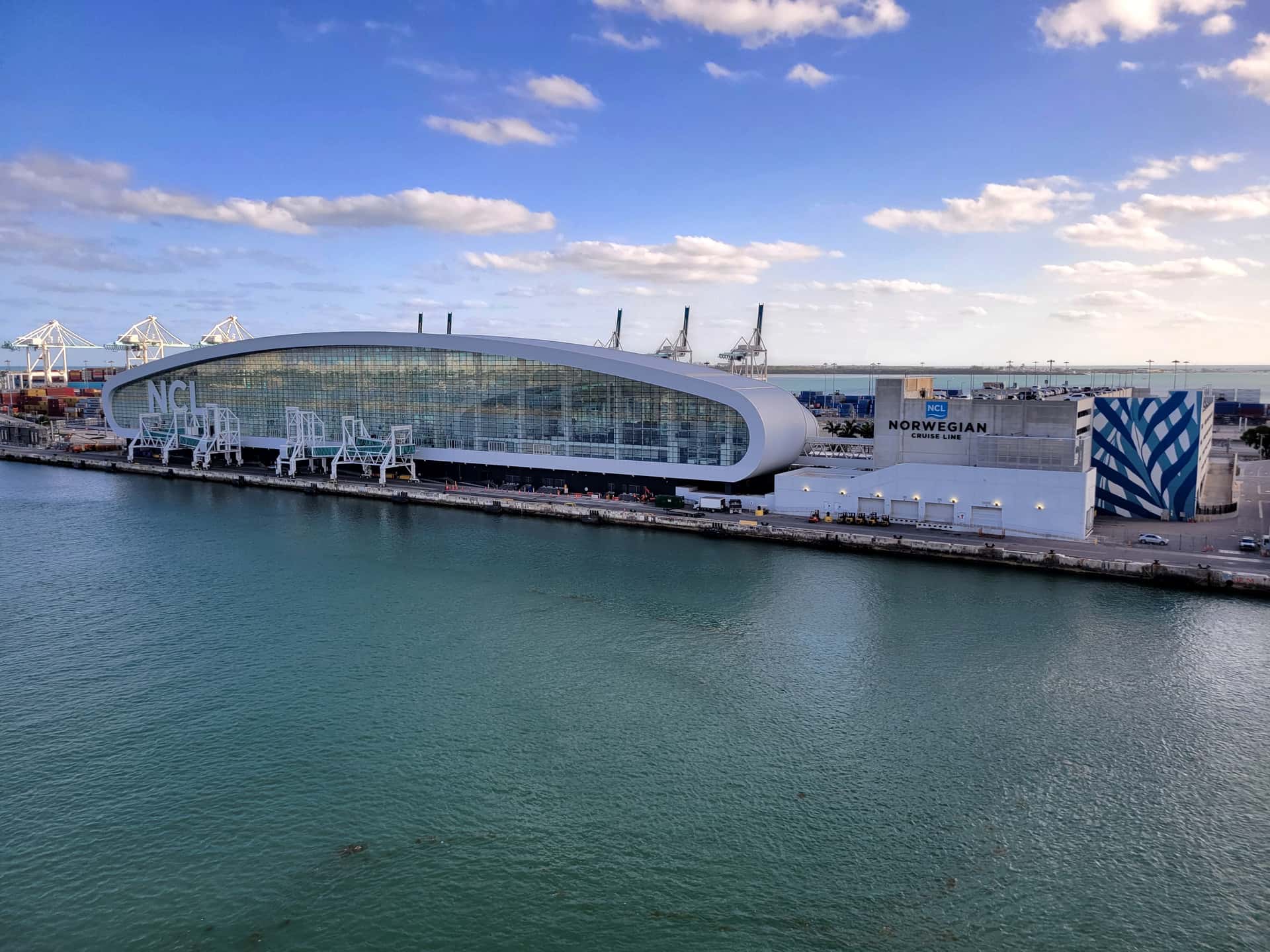
PortMiami welcomed its 10 millionth cruise passenger of fiscal year 2026 on September 14, the highest annual passenger volume in the port's history and a figure that surpasses last year's record by more than 1.4 million people, an increase of nearly 17 percent. The milestone arrives as Carnival Corporation, headquartered in Miami, prepares to report third quarter results on September 29, and as Royal Caribbean Group posts revenue and earnings growth over the prior year. The cruise industry's performance has direct consequences for South Florida employment and for Miami-Dade County's economy.
What the milestone represents
Ten million passengers in a single fiscal year is a volume that places PortMiami among the busiest cruise ports in the world. The port has long described itself as the cruise capital of the world, and the passenger figure supports the claim in a year when it grew substantially rather than incrementally.
The 17 percent year-over-year increase is the more striking number. Growth of that magnitude in a mature business reflects both larger ships entering service and higher occupancy, and it indicates that consumer demand for cruising has remained strong despite broader economic pressure on discretionary spending.
Passenger counts at a homeport like Miami measure embarkations and debarkations rather than visits, which means each passenger typically spends time in the region before or after a sailing. That distinction matters economically, because homeport passengers generate hotel nights, restaurant spending and airport traffic that transit passengers do not.
The port has been investing in capacity to support the volume, including terminal construction that will expand its ability to handle simultaneous large-ship turnarounds. Those projects run on multi-year timelines and represent substantial capital commitments.
The corporate picture
Carnival Corporation is scheduled to report third quarter financial results on September 29. The company is headquartered in Miami and is the largest cruise operator in the world by passenger volume, operating multiple brands across global markets.
Royal Caribbean Group, also based in the Miami area, reported net income and adjusted net income of $2.1 billion for the six months ended June 30, 2026, up from $1.9 billion in the same period of 2025. Total revenues increased $747 million over the comparable period, which the company attributed to added capacity and higher pricing.
Higher pricing alongside higher capacity is the combination operators want. Adding ships while holding or raising prices indicates demand growing faster than supply, which is the opposite of the dynamic that followed the industry's restart after the pandemic shutdown.
Both companies carry substantial debt taken on during the period when their fleets were idle, and a significant portion of recent earnings strength has gone toward reducing it. Balance sheet repair remains a central element of how investors evaluate the sector.
Why Florida is the center of the industry
Florida hosts the corporate headquarters of the three largest cruise operators and the busiest cruise ports in the world. PortMiami, Port Everglades in Broward County, Port Canaveral on the Space Coast and Port Tampa Bay together handle a majority of North American cruise embarkations.
That concentration produces an employment base extending well beyond the ships themselves. Corporate headquarters employ thousands in Miami-Dade and Broward counties across finance, marketing, technology, revenue management and operations, and those are generally higher-wage positions than the hospitality roles the industry is better known for.
Port operations, provisioning, maintenance, fuel supply, ground transportation and the hotel sector serving pre- and post-cruise stays form a supply chain anchored in South Florida. A large share of what a ship consumes is loaded in Florida.
The state's leisure and hospitality sector added 11,600 jobs over the year according to state labor data, and cruise-related activity is a meaningful component of that in the southeastern counties.
What it means for South Florida
For Miami-Dade residents, the practical effects are mixed and locally variable. Port activity generates county revenue and supports employment, but it also produces traffic on the causeways and corridors serving the port and contributes to air quality and water quality concerns raised by environmental groups.
Hotel demand tied to cruise embarkations supports rates across the county, which benefits the hospitality sector and the workers it employs while contributing to the cost pressure residents face. That tension exists across Florida's tourism-dependent regions.
Airport traffic is directly linked. Miami International Airport handles a substantial volume of passengers arriving for cruises, and growth in port volume flows through to the airport's capacity planning.
For job seekers, the sector offers entry points at multiple levels, from port operations and hospitality roles to corporate positions at the headquarters operations in Miami-Dade and Broward counties.
The risks in the outlook
The industry's strength is not without exposure. Fuel is a major operating cost, and the oil price pressure that contributed to the Federal Reserve's September decision to raise its benchmark rate to a target range of 3.75 to 4 percent flows directly into cruise operating expenses.
Consumer discretionary spending is the other variable. Cruising competes for the same household budget as other vacation spending, and a consumer pullback would show up in booking curves before it appeared in reported results.
Weather risk is a structural feature of the business. Hurricanes force itinerary changes and occasionally port closures, though the 2026 Atlantic season has been unusually quiet, having passed late September without a hurricane forming in the basin, which has removed a source of disruption present in most recent years.
Regulatory and environmental considerations continue to develop, including emissions requirements and wastewater standards that carry capital costs for operators and that have been the subject of sustained advocacy in South Florida.
The federal policy dimension
The cruise industry operates under a distinctive federal framework. Most major cruise ships sail under foreign flags, which shapes their tax treatment, labor rules and regulatory oversight, and that structure has periodically drawn congressional attention.
The Passenger Vessel Services Act governs which vessels may carry passengers between United States ports, and it shapes itinerary design for cruises operating out of Florida. Proposals to modify it surface periodically and are watched closely by operators.
Public health authority over cruise operations, exercised by the Centers for Disease Control and Prevention, was central during the pandemic period and remains a standing feature of the regulatory environment.
Florida's congressional delegation has historically been attentive to cruise policy given the industry's concentration in the state, and delegation members from South Florida districts have engaged on both regulatory and port infrastructure questions.
The competitive picture among Florida ports
PortMiami's record does not come at the expense of other Florida ports, all of which have been growing. Port Canaveral serves the Orlando visitor market and has expanded substantially, while Port Everglades in Fort Lauderdale competes directly with Miami for homeport assignments.
Operators allocate ships among ports based on terminal capacity, local market demand, airlift and the incentives ports offer. That competition has driven terminal investment across the state as ports work to secure long-term commitments from the major lines.
Port Tampa Bay serves the Gulf Coast market with a different itinerary profile, constrained by the Sunshine Skyway Bridge clearance that limits the size of ships able to call there.
The aggregate effect is that Florida's share of the North American cruise market has held or grown even as the industry has expanded, and the state's port infrastructure investment reflects an expectation that the pattern continues.
The ships and the terminals
Passenger growth at a cruise port is driven substantially by ship size. New vessels entering service carry more passengers than the ships they replace, which means a port can grow volume without increasing the number of sailings.
That growth requires terminal capacity able to process larger turnarounds. A turnaround day involves debarking several thousand passengers and embarking several thousand more within hours, alongside provisioning, fueling and crew changes.
PortMiami has been investing in terminal infrastructure to support that throughput, with projects representing substantial capital commitments and multi-year construction timelines. Terminal agreements typically bind an operator to a port for an extended period.
Channel depth and berth availability set the outer limits on which ships a port can accommodate. Dredging projects that deepen navigation channels are among the largest infrastructure investments a port undertakes and determine its competitiveness for the newest and largest vessels.
The environmental debate
Cruise growth in South Florida has drawn sustained attention from environmental organizations focused on air quality near the port, wastewater discharge and the effects of channel dredging on Biscayne Bay habitat.
Shore power, which allows a docked ship to draw electricity from the grid rather than running engines, is one measure ports have pursued to reduce emissions during turnaround days. Installing it requires substantial electrical infrastructure at each berth.
Operators have committed to fleet modernization including vessels designed for alternative fuels, though the transition runs on shipbuilding timelines measured in years and the existing fleet will operate for decades.
Biscayne Bay's water quality has been a focus of county investment following algae blooms and fish kills, and port operations are one of several pressures on a system that also absorbs stormwater and wastewater from a dense urban county.
What's next
Carnival Corporation's third quarter report on September 29 will provide the most current read on the industry's financial position, including booking trends for future periods, which are the forward-looking indicator analysts follow most closely.
PortMiami's fiscal year 2026 total will be finalized after the year closes, and the port's capital program continues with terminal work designed to support further volume growth.
The winter season, which begins as Caribbean itineraries reach peak demand, is the industry's strongest period, and booking strength heading into it will determine whether the current growth rate carries into fiscal 2027.
For South Florida, the passenger milestone represents a sector performing well at a moment when other parts of the regional economy, particularly the condominium market, are under visible strain.
Spotted an issue with this article?
Have something to say about this story?
Write a letter to the editor