PortMiami Hits 10 Million Cruise Passengers in a Single Year for the First Time
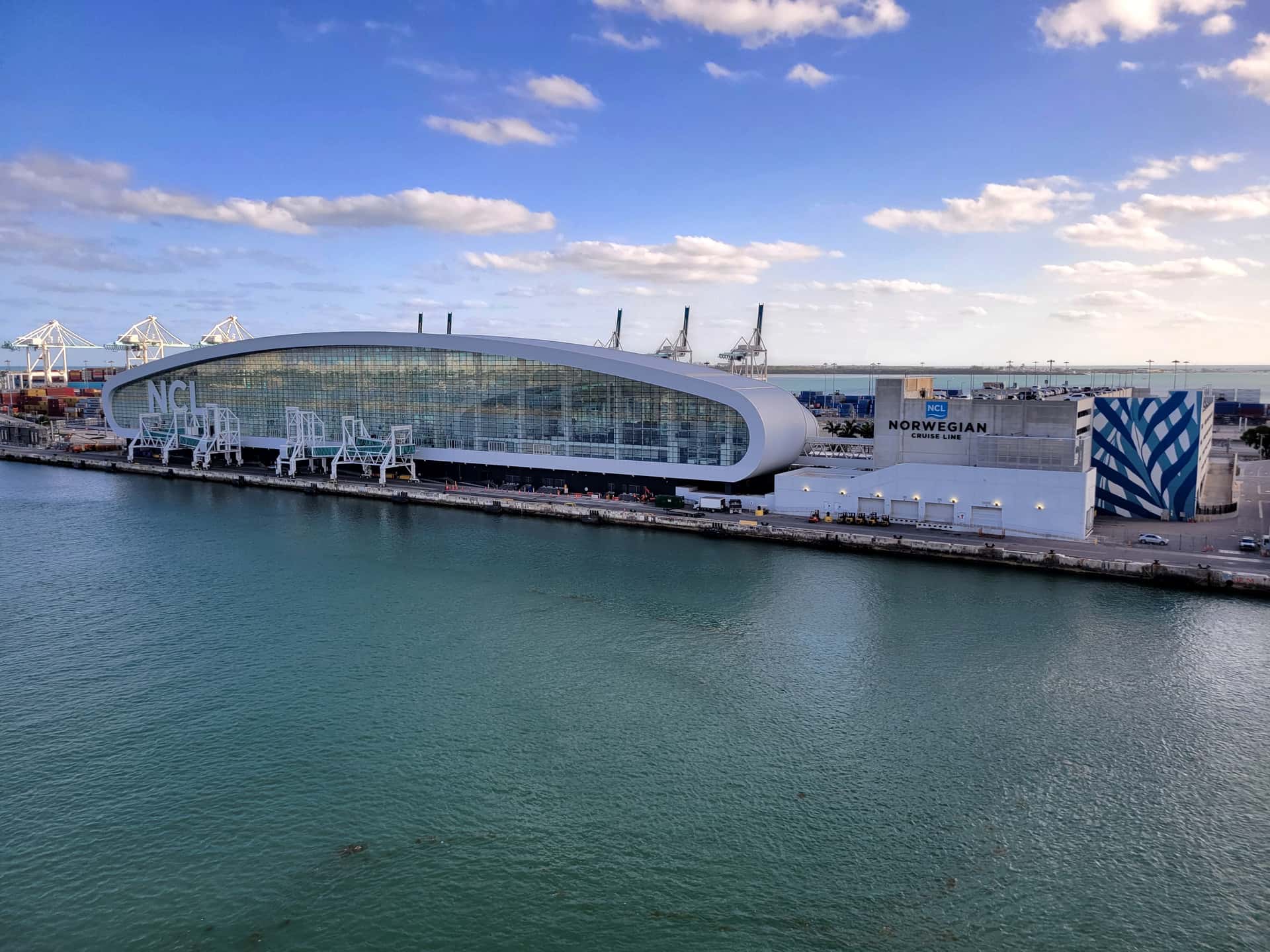
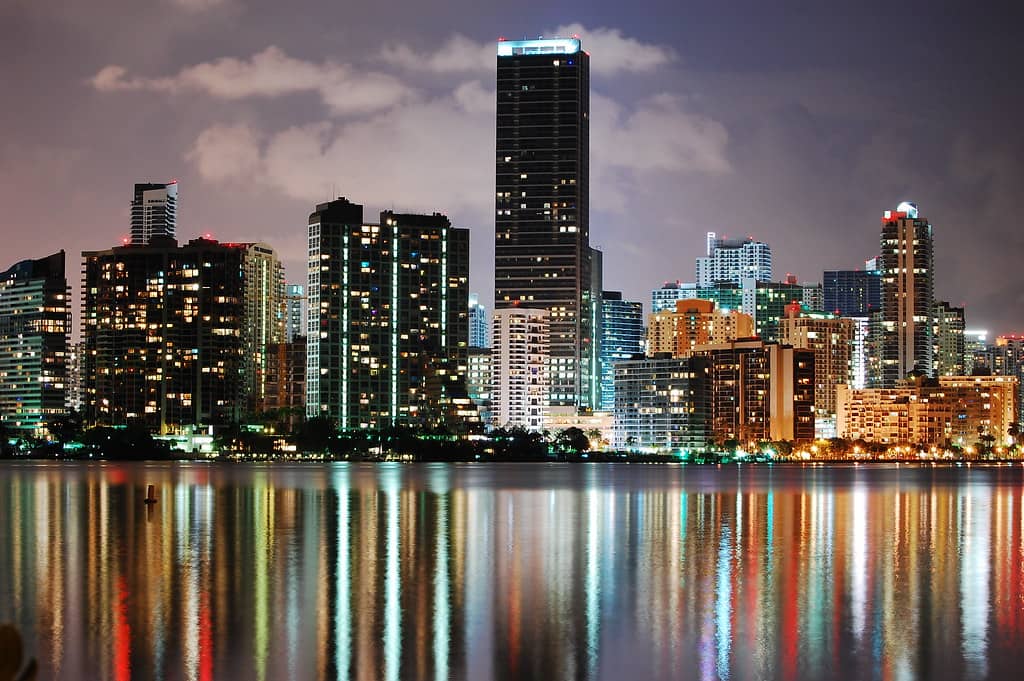
PortMiami welcomed its 10 millionth cruise passenger of fiscal year 2026 on September 14, the highest annual cruise volume in the port's history and a milestone no cruise port had previously reached. The figure surpasses last year's record by more than 1.4 million passengers, an increase of nearly 17 percent. The port describes itself as one of Miami-Dade County's largest economic contributors, adding roughly $61 billion to the local economy each year and supporting more than 340,000 jobs.
What the milestone represents
Ten million passengers in a single fiscal year is a threshold that reflects both fleet deployment decisions and sustained consumer demand. Cruise lines position their largest and newest ships where they can fill them reliably, and Miami has drawn a disproportionate share of that capacity.
The year-over-year increase of more than 1.4 million passengers is the more striking figure. Growth of nearly 17 percent in a mature market is unusual, and it reflects new ship deliveries entering service alongside continued strength in booking demand rather than simply higher occupancy on existing vessels.
Fiscal year accounting matters for interpreting the number. Miami-Dade County's fiscal year runs from October through September, so the 10 millionth passenger arriving on September 14 came near the close of the reporting year, with the final total to be confirmed once the year ends.
The port has expanded terminal capacity substantially over the past decade to accommodate this volume. Royal Caribbean Group broke ground on a $345 million Terminal G, one of several dedicated terminal investments cruise lines have made at the port to support homeporting operations.
The economic footprint
The port attributes roughly $61 billion in annual economic impact to its combined cruise and cargo operations, supporting more than 340,000 jobs across Miami-Dade County. Those figures encompass direct port employment, the supply chains serving vessels, and the broader tourism spending cruise passengers generate.
Cruise passengers contribute to the local economy beyond the ticket price. Many fly into Miami International Airport a day or more before sailing, stay in hotels, eat in restaurants, and spend in retail. Post-cruise stays add a second round of that activity.
Provisioning is a substantial and less visible component. A large cruise ship loads food, beverages, fuel, and supplies before each sailing, and the vendors supplying those goods are concentrated in South Florida. Ship maintenance and crew services add further local spending.
Employment tied to the port spans a wide range of wage levels, from terminal operations and longshore work to hospitality, ground transportation, and professional services. That breadth is part of why port activity figures prominently in Miami-Dade's economic development messaging.
Florida's broader cruise position
Florida hosts the world's busiest cruise ports, and PortMiami is the largest among them. Port Canaveral, Port Everglades, and Port Tampa Bay each handle substantial volumes, and together the state's ports account for a dominant share of North American cruise embarkations.
That concentration makes the cruise industry a matter of state economic consequence rather than a local Miami story. Employment, tax revenue, and supply chain activity tied to cruising extend across multiple Florida regions.
Carnival Corporation, headquartered in Doral, has reported a double-digit surge in 2026 bookings with record quarterly revenue of $6.2 billion and occupancy above 100 percent across its eight cruise brands. Occupancy above 100 percent reflects third and fourth passengers in cabins designed for two.
Royal Caribbean Group, also headquartered in South Florida, has continued investing in both ships and shoreside infrastructure. The concentration of corporate headquarters alongside port operations gives Florida an unusual position in a global industry.
What is driving the demand
Cruise pricing has remained competitive relative to land-based vacations, particularly for families. An all-inclusive structure covering accommodation, meals, and entertainment offers cost predictability that appeals to travelers managing budgets under inflationary pressure.
New ship deliveries have expanded capacity, and the newest vessels carry passenger counts that would have been unimaginable a generation ago. Larger ships lower per-passenger operating costs, which supports pricing that keeps demand strong.
Drive-to market access is a Florida-specific advantage. A substantial share of passengers sailing from Florida ports arrive by car from within the state or the Southeast, avoiding airfare entirely. That accessibility insulates Florida cruise demand from air travel disruptions and fare increases.
Demographics also favor the industry in Florida. The state's large retiree population represents both a passenger base and a workforce, and the year-round sailing season that Florida's climate permits keeps ships deployed continuously rather than seasonally.
Infrastructure pressure
Volume of this magnitude places demands on systems beyond the terminals. Road access to PortMiami runs through downtown Miami and the port tunnel, and turnaround days concentrate thousands of arrivals and departures into narrow windows.
Miami International Airport absorbs a significant share of cruise-related air traffic, and peak embarkation days add pressure to an already busy facility. Ground transportation between airport and port is a recurring capacity constraint on heavy sailing days.
Terminal investments like Royal Caribbean's Terminal G address the shipside constraint, but landside capacity involves county and state transportation planning rather than cruise line capital. Coordinating the two is an ongoing challenge as volumes grow.
Environmental considerations accompany the growth. Shore power connections that allow ships to shut down engines while docked reduce emissions in port neighborhoods, and ports have been investing in that infrastructure at varying paces.
What it means for Floridians
For workers, the cruise sector represents one of South Florida's more stable employment bases, spanning terminal operations, provisioning, maintenance, hospitality, and transportation. Record volumes generally translate into sustained hiring across those categories.
For residents near the port, growth brings traffic and activity that is felt directly on turnaround days. Downtown Miami and the causeways absorb that pressure, and it is a recurring subject in local transportation planning discussions.
For the county's fiscal picture, port activity generates revenue that supports county operations. Cruise volumes feed hotel, restaurant, and retail tax collections across a wide area, not only in the immediate port vicinity.
For the state, the cruise industry is a meaningful component of the tourism economy that underpins Florida's sales tax collections. With unemployment at 4.5 percent and the housing market flat, sectors showing genuine growth carry outsized weight in the state's economic picture.
Where the risks sit
Cruise demand has historically proved sensitive to shocks, from public health events to fuel price spikes to economic downturns. The industry's recovery from its most recent disruption was strong, but the sensitivity remains structural.
Regulatory developments at the federal level can affect operations and costs, including environmental rules, port security requirements, and tax treatment of cruise operations. Florida's congressional delegation has historically been attentive to the industry's interests.
Geopolitical conditions affect itineraries. Caribbean sailings, which dominate Miami departures, are relatively insulated, but disruptions in other regions can redeploy capacity in ways that shift where ships are based.
Weather is the recurring operational variable. A quiet 2026 hurricane season has meant minimal itinerary disruption, though the season runs through November 30 and Florida ports build contingency plans around storm risk every year.
How Miami became the industry's center
PortMiami's dominance in cruising is not an accident of geography alone, though geography helped. The port sits at the northern edge of the Caribbean, close enough that a seven-night itinerary can reach multiple islands without long repositioning legs, and far enough south that sailing continues year-round.
The industry's corporate concentration followed. Carnival Corporation is headquartered in Doral, Royal Caribbean Group in South Florida, and Norwegian Cruise Line Holdings in Miami, which means the three largest operators in global cruising run their businesses from within a short drive of the port. That clustering supports a dense local ecosystem of maritime law firms, naval architects, provisioning companies, and specialized insurers.
County investment reinforced the position. Terminal construction, channel dredging to accommodate larger vessels, and the port tunnel that removed truck traffic from downtown streets were all public commitments made on the expectation that cruise and cargo volumes would keep growing.
The result is a port that handles both the largest cruise operation in the world and substantial container cargo, with the two businesses sharing infrastructure and competing for landside access. Balancing them is a continuing planning question for Miami-Dade County.
The labor picture
Cruise employment divides into shipboard and shoreside categories that operate under very different conditions. Shipboard crews are recruited globally and work under maritime labor conventions, while shoreside employment in terminals, provisioning, and port services is local and governed by ordinary Florida employment law.
The shoreside workforce is where record passenger volumes translate most directly into Florida jobs. Turnaround operations require baggage handling, terminal staffing, security screening, cleaning crews, and ground transportation, all concentrated into the hours between one sailing's disembarkation and the next sailing's boarding.
That concentration creates scheduling patterns unlike most industries, with intense demand on turnaround days and lighter requirements between them. Staffing models built around that rhythm rely heavily on part-time and flexible arrangements.
With Florida's unemployment rate at 4.5 percent and above the national average, a sector adding volume at nearly 17 percent year over year is one of the clearer sources of hiring demand in the South Florida market. The Miami, Fort Lauderdale, and West Palm Beach metro area posted the state's lowest unemployment rate at 3.7 percent in August.
What's next
Carnival Corporation is scheduled to report third quarter 2026 financial results on September 29, which will provide a detailed view of booking trends, pricing, and forward demand across the industry's largest operator.
Miami-Dade's fiscal year closes at the end of September, at which point PortMiami will report its final annual passenger total. The figure will establish the baseline against which fiscal 2027 growth is measured.
Terminal construction continues, including Royal Caribbean's Terminal G project. Those investments signal that cruise lines expect Miami volumes to keep rising, and they represent capital commitments measured in years rather than seasons.
Spotted an issue with this article?
Have something to say about this story?
Write a letter to the editor