Publix Reports Q1 2026 Sales Up 2%, Earnings Fall on Pharmacy Pricing Pressure

Publix Super Markets, the Lakeland-based grocer that operates more than 800 stores in Florida and several neighboring states, reported first-quarter 2026 sales of $16.1 billion, a 2 percent increase over the same period a year earlier, while net earnings fell 21.5 percent to $794 million as federal drug pricing regulations compressed margins in the pharmacy business. The company's share price, which moves through a periodic appraisal process for its employee-owned stock, rose to $20.45 per share from $19.65, signaling that the company's owner-employees retain confidence in the long-term trajectory despite the quarterly earnings decline.
What Publix reported
According to the company's first-quarter results announcement, total sales of $16.1 billion grew 2 percent year over year, with comparable-store sales growth contributing the majority of the increase and new store openings adding the remainder. The 2 percent top-line growth came amid a moderating grocery inflation environment, with food prices broadly stabilizing after the sharp increases of recent years. The company said grocery unit volumes were positive in the quarter, an indication that customer traffic and basket sizes are recovering from the inflation-driven softness of recent periods.
Net earnings of $794 million for the quarter compared with approximately $1 billion in the year-earlier period, a decline of 21.5 percent. Earnings per share dropped to $0.25 from $0.31, with the decline driven largely by margin compression in the pharmacy segment as new federal drug pricing rules took effect. The company also reported higher operating costs in some categories, including labor and energy, although those increases were generally in line with prevailing industry trends.
The stock price increased from $19.65 to $20.45 per share at the most recent valuation, a roughly 4 percent appreciation that reflects the periodic appraisal process Publix uses to set the price at which employees can buy and sell shares of the privately held company. The valuation process considers a range of factors including operating performance, peer-company multiples, and long-term outlook. The appreciation despite the earnings decline signals that the appraisers view the pharmacy pressure as a near-term challenge rather than a fundamental impairment of long-term value.
The pharmacy pricing dynamic
The earnings decline was driven primarily by changes in how Medicare reimburses pharmacies for prescription drug dispensing. New federal rules implemented under the Inflation Reduction Act have changed pricing for several high-volume drug categories, with the changes flowing through to pharmacy reimbursements in ways that compress the margin pharmacies earn on each prescription. Publix operates pharmacies in the majority of its stores, and the pharmacy business has been a meaningful contributor to overall profitability.
The pricing rules affect both the prices that drug manufacturers can charge for certain Medicare-covered products and the rebate and dispensing fee structures that flow through to pharmacies. Independent pharmacies and chain operators alike have been managing through the same set of pressures. Industry trade groups have lobbied for adjustments to the implementation, with some success in moderating the implementation timeline but not in reversing the underlying policy direction.
For Publix specifically, the pharmacy pressure is significant because the company has invested over the years in building pharmacy services that draw customers into stores for both prescription pickup and the related shopping trips that follow. The pharmacy serves as a traffic driver and as a profit center, and pressure on the profit-center function has implications for the overall store-level economics. The company has indicated it is working to offset the pressure through operational changes and customer engagement programs.
What it means for Florida customers
For Publix customers in Florida, where the company operates the dominant share of its store base, the pharmacy pressures are unlikely to produce visible changes in store operations or product selection in the near term. The company has historically protected its customer experience as a strategic priority, and the response to margin pressure has typically focused on operational efficiency and cost management rather than visible cuts to store-level services. Customers should not expect changes to the in-store experience, store hours, or product mix as a direct result of the earnings pressure.
Pharmacy customers may see changes in the specifics of how prescriptions are processed, with new processes around prior authorization, formulary management, and patient counseling reflecting the changed reimbursement structures. Publix has indicated that its pharmacy services, including the free antibiotics and other clinical programs the company has long offered, will continue. Those programs have been an effective marketing tool and a community service that the company has used to differentiate its pharmacies from competitors.
The pharmacy traffic dynamic matters for Florida shoppers because Publix has long counted on prescription pickup trips to anchor weekly visits. Customers picking up a prescription routinely add bread, produce, and prepared foods to the basket, a pattern the company has studied through its loyalty card data for decades. Any erosion of the prescription business creates the secondary risk of reduced grocery basket size, and the company's response has been to expand immunization services and at-home delivery for prescriptions to keep the customer relationship intact even as reimbursement economics tighten.
The company's grocery prices remain competitive with peer supermarkets, and the moderating grocery inflation environment is providing some relief to household food budgets across Florida. Publix has historically priced its private-label products to provide a value alternative to national brands, and the private-label offerings have grown in importance as customers have responded to the inflation environment by trading down to lower-priced options.
How Publix compares with peer grocers
Publix operates as a regional grocer concentrated in the Southeastern United States, competing primarily against Kroger in some markets, Walmart and Target across its footprint, and a range of regional chains and emerging operators including Aldi and Lidl. The company's regional concentration in Florida gives it strong density advantages in its core market, with supply chain efficiency, marketing reach, and brand recognition all benefiting from the dense store footprint.
Kroger, the largest pure-play supermarket operator in the country, has reported similar pressures on its pharmacy business, although Kroger's overall business model is different from Publix's in several respects, including its more aggressive use of digital and delivery services and its broader use of merchandising data partnerships. Walmart, which operates supercenters that include grocery, has reported strong grocery performance driven by its low-price positioning and its growing e-commerce business, which has put competitive pressure on traditional supermarket operators across the country.
The discount chains Aldi and Lidl, both European-owned, have continued to expand in the Southeast and have been adding stores in Florida and other markets where Publix is dominant. Those chains operate with substantially different cost structures than traditional supermarkets and have been particularly effective at attracting price-sensitive customers. Publix has responded to the discount competition by emphasizing its service model and product quality, although the longer-term competitive dynamics will depend on whether the discount chains can extend their cost-efficiency model successfully into the Publix core markets.
Employee ownership and the share price
Publix is one of the largest employee-owned companies in the United States, with current and former employees and the company's retirement plans owning the substantial majority of outstanding shares. The ownership structure has been a defining feature of the company since founder George Jenkins established the original employee stock ownership program decades ago, and it continues to differentiate Publix from publicly traded peers and from companies owned by private equity or family interests.
The share price moves through a periodic valuation process conducted by independent appraisers under the framework that governs employee stock ownership plans. The valuation considers operating performance, market multiples for comparable public companies, long-term strategic positioning, and other factors. The recent appreciation from $19.65 to $20.45 reflects the appraisers' judgment that the long-term value of the company has continued to grow despite the near-term earnings pressure from pharmacy pricing.
For Publix employees who participate in the stock ownership programs, the appreciation supports retirement balances and creates opportunities for those participating in the company's stock purchase programs to build wealth alongside their wages. The employee ownership model has historically been associated with strong employee engagement and customer service performance, both of which contribute to the company's competitive position in the highly competitive supermarket industry.
The Florida grocery market context
Florida's grocery market has been one of the more dynamic state markets in the country over the past several years, with population growth, the expansion of new chains, and the continued strong performance of established operators all shaping competitive dynamics. Publix's position in the state has remained dominant, with the company operating the largest store count and capturing the largest share of grocery dollars in the state by a meaningful margin.
The state's population growth, which has consistently exceeded the national average, has supported continued new store openings by Publix and competitors. New residential developments across Florida typically include grocery as an anchor tenant, and the competition for those anchor positions has been a driver of new store openings. Publix has continued to open new stores in its core Florida markets while also expanding into adjacent geographies including the Carolinas, Georgia, and Tennessee.
The Florida insurance market dynamics and the cost of property insurance for commercial real estate have become an operational consideration for grocery operators with large store footprints in the state. Property insurance premiums for retail properties have increased substantially over the past several years, and those costs flow through to operators either directly through owned-property economics or indirectly through lease structures. The cost pressures have been a meaningful factor in the broader retail industry's site-selection and store-format decisions.
Wage trends in the Florida retail labor market have also affected grocery operators in recent years. Hourly pay for entry-level grocery roles has moved higher across the state, with regional differences reflecting local market conditions. Publix, which has historically positioned itself as an employer of choice in the grocery sector, has adjusted starting wages and benefits over time to maintain its hiring position in the labor markets where it operates. The wage dynamics have contributed to operating cost growth alongside the federal pharmacy pricing changes.
What's next for the company
Publix said it expects continued pressure on pharmacy margins through 2026 as the federal drug pricing rules continue to phase in. The company has been working with industry trade groups and with members of Florida's congressional delegation on implementation issues, with the goal of moderating the impact of the rules on community pharmacy operations. The longer-term outlook for pharmacy reimbursement remains uncertain and will depend on regulatory developments and on negotiations with pharmacy benefit managers and health plans.
The company continues to invest in store-level technology, including self-checkout, mobile ordering, and curbside pickup. Publix's digital offerings have continued to grow in customer adoption, although the company has been more measured in its e-commerce investments than some peer grocers. The company's strategic preference has been to build digital capabilities that support the in-store experience rather than to position e-commerce as a stand-alone profit center.
For Florida customers and employees, the Publix story remains one of stable operations within a challenging regulatory environment for the pharmacy segment. The company's broader grocery business continues to perform in line with industry trends, and the long-term outlook supported by the recent share price appreciation suggests that the company's owner-employees and external appraisers continue to view the company as a strong long-term investment. The Lakeland headquarters and the statewide store network remain central economic anchors for Florida communities.
Spotted an issue with this article?
Have something to say about this story?
Write us a letterComments
No comments yet. Be the first to weigh in.
Related Coverage
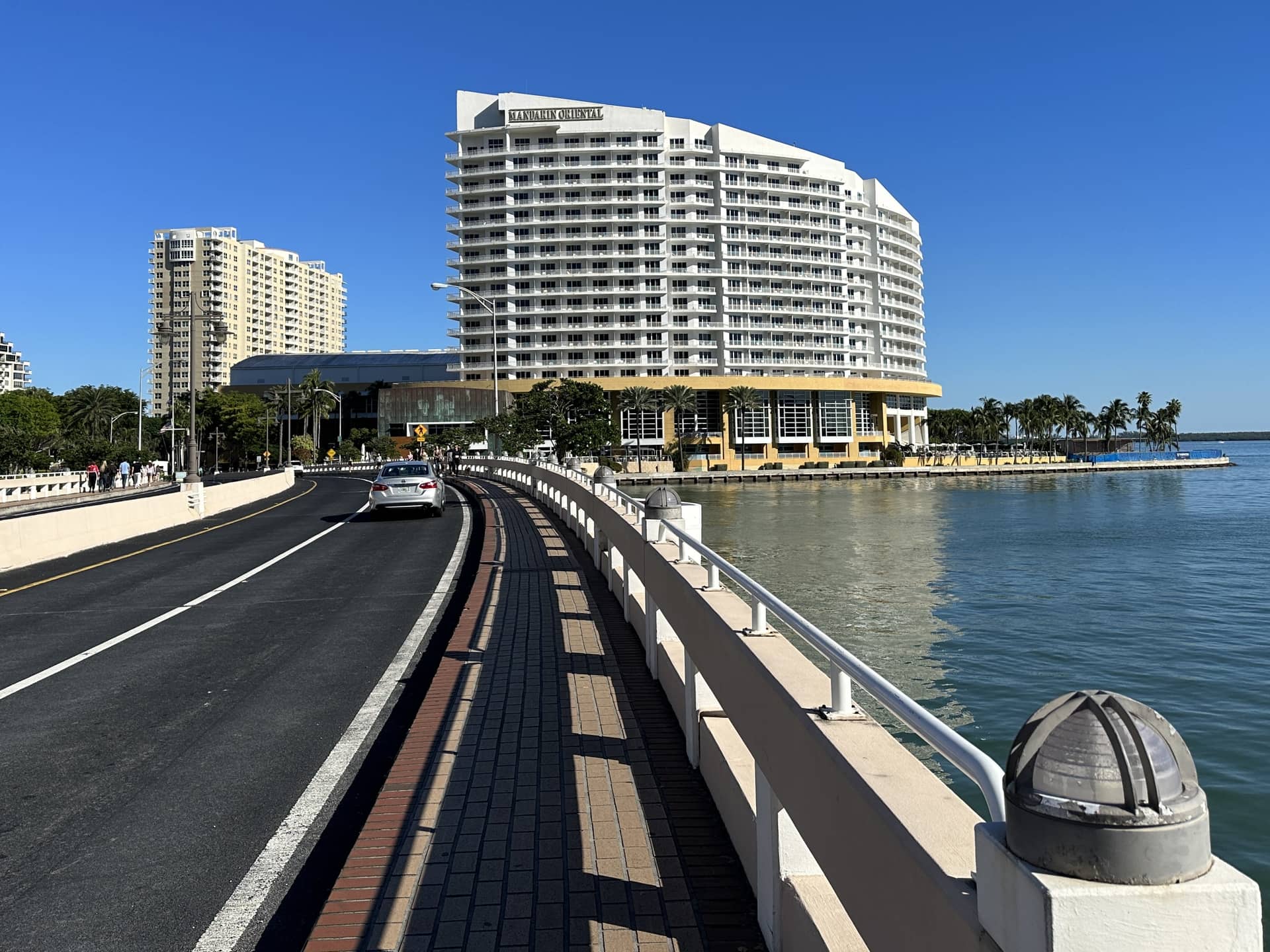
Swire Breaks Ground on Mandarin Oriental Towers on Brickell Key After Selling More Than $1.7 Billion in Condos
4h ago

Seminole Tribe Sues DraftKings and CEO Jason Robins in Broward, Calling Its Florida Prediction Markets an Illegal Sportsbook
5h ago

Jacksonville council members weigh relief for high JEA bills as utility says it isn't ready for a hyperscale data center
1d ago

Rays to open Westshore ballpark experience center in 2027 as Tampa stadium deal moves ahead
2d ago