Royal Caribbean Crushes Q1 2026 Earnings, Lifts Outlook on Cruise Demand
Royal Caribbean Group reported first-quarter 2026 adjusted earnings of $3.60 per share, exceeding the consensus analyst estimate of $3.19, as the Miami-based cruise operator carried 2.5 million guests across its three brands during the quarter and raised its outlook for the full year. The earnings beat lifted the company's stock and pulled rival Carnival shares higher with it, a signal that Wall Street is reading the report as confirmation that demand for cruise vacations remains substantially stronger than industry watchers expected coming into the year.
What Royal Caribbean reported
According to the company's earnings release issued before market open, Royal Caribbean Group generated total revenues of $4.5 billion in the quarter ending March 31, with a guest count up 12 percent year-over-year on capacity that grew approximately 8 percent. The operator's three flagship brands, Royal Caribbean International, Celebrity Cruises, and Silversea, all contributed to the volume gains, with Royal Caribbean International accounting for the largest share of revenue. Net yields rose meaningfully on the strength of higher ticket pricing and stronger onboard revenue per passenger.
The adjusted earnings per share figure of $3.60 represented a substantial increase over the prior-year period and well exceeded the consensus estimate compiled from analysts covering the stock. Analysts at Wells Fargo, Morgan Stanley, and JPMorgan had each forecast adjusted earnings in the $3.10 to $3.25 range, and the company beat the high end of those ranges. The company said the outperformance reflected better-than-expected pricing on close-in bookings, lower fuel costs than budgeted, and continued operating leverage as fleet utilization rates moved higher.
Royal Caribbean said its booked load factor for the remainder of 2026 was at record levels, with the company already substantially booked into 2027 at pricing above prior-year comparables. The operator raised its full-year adjusted earnings guidance, citing the strength of both new bookings and onboard spending patterns. Executives said the guidance increase reflected a measured assessment of demand visibility and that the company had not factored in any meaningful pricing softness for the second half of the year.
Florida's cruise economy
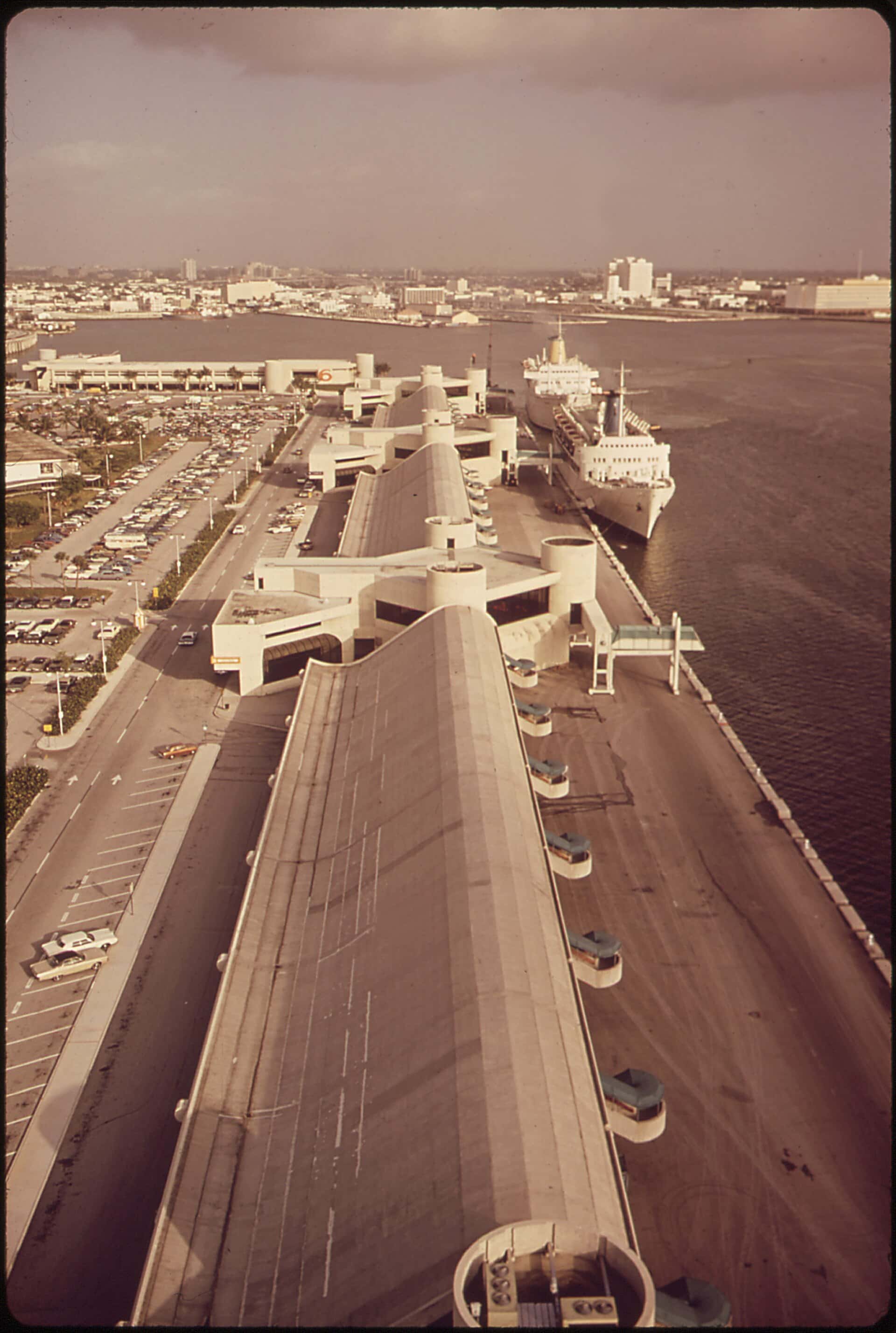
Royal Caribbean is headquartered at the Port of Miami, where the company operates a substantial portion of its North American sailings and where it has invested in a new terminal building over the past several years. The company is a meaningful contributor to the South Florida economy, both directly through its corporate workforce of several thousand employees in the Miami area and indirectly through the spending of passengers who arrive a day or two before sailing and stay in Miami-area hotels.
PortMiami, which calls itself the cruise capital of the world, handles the largest cruise passenger volume of any port in the world by a significant margin, and Royal Caribbean accounts for a large share of that volume. The port's cruise revenue funds infrastructure investment and supports thousands of dockside, hospitality, transportation, and supply-chain jobs across Miami-Dade County. Port officials have repeatedly cited Royal Caribbean's expansion plans as central to the port's continued growth, with new ship deliveries scheduled to call at the port in coming years.
Beyond Miami, Royal Caribbean operates from Port Canaveral on Florida's Space Coast, where the company's Wonder of the Seas and other vessels sail Caribbean itineraries. Port Canaveral has become one of the busiest cruise ports in the world, and its cruise revenue helps fund operations across the Brevard County port system. The cruise industry's continued strength supports thousands of Brevard County jobs in port operations, hospitality, and ship-provisioning services that have historically been overshadowed by the region's space and defense industries.
What the numbers mean for guests
For Florida residents and visitors who sail with Royal Caribbean, the strong pricing environment that produced the earnings beat is likely to translate into continued high ticket prices through 2026 and into 2027. Booked pricing has moved higher year over year, and the company indicated no plans to discount aggressively to fill cabins, given that demand is exceeding capacity in many sailings. Customers booking close to departure are likely to face the highest prices, while those who book months in advance and remain flexible on cabin selection have generally seen better value.
The strong onboard revenue figures suggest that guests are spending more on beverage packages, shore excursions, specialty dining, and casino activity than in prior years. The company has invested heavily in dining and entertainment programming on its newer ships, with several venues operating on reservation systems that have shifted onboard spending toward higher-margin offerings. Royal Caribbean said per-passenger onboard spending in the quarter was above prior-year levels even after adjusting for inflation.
The operator's loyalty program continues to play a meaningful role in repeat business, with the company's most frequent guests booking multiple sailings per year. Florida-based loyalty members benefit from drive-to convenience that allows them to avoid the airfare costs that other guests must absorb, a structural advantage that makes Floridians among the most frequent cruisers in the world per capita.
Royal Caribbean's pricing data also points to continued strength in premium and suite-class cabins, where guests pay multiples of the base inside-cabin rate for upgraded accommodations and bundled inclusions. The company has built its newer ships with a higher mix of balcony and suite-category cabins, which tend to be the first to sell out on popular itineraries. The trend toward premium cabin sales has been one of the more durable shifts in cruise consumer behavior since the pandemic, and the company said it expects the pattern to continue as fleet additions weight toward larger ships with substantial premium inventory.
How Royal Caribbean compares with peers
Carnival Corporation, the largest cruise operator by passenger volume and a longtime rival to Royal Caribbean, traded higher on the back of the Royal Caribbean earnings release. Carnival, which is dual-listed and operates the Carnival Cruise Line, Princess Cruises, Holland America, and other brands, has been on its own multi-year recovery from pandemic-era debt taken on to keep the company solvent during the global cruise shutdown. Investors read Royal Caribbean's outperformance as evidence that Carnival's own demand environment is likely strong, even if Carnival has not yet reported its current quarter.
Norwegian Cruise Line Holdings, the third major North American operator, has similarly seen its stock rise on demand-driven optimism. The smaller Norwegian, which operates Norwegian Cruise Line, Oceania, and Regent Seven Seas, has reported strong booking trends in recent quarters. The combined market capitalization of the three publicly traded cruise operators has rebounded substantially from pandemic lows, although Carnival in particular still trades below its pre-pandemic peak.
Royal Caribbean's relative outperformance has been attributed by analysts to the company's investment in larger, newer ships with higher per-passenger revenue capacity and to its earlier and more aggressive return to full operating capacity following the pandemic. The company's Oasis-class and Icon-class vessels carry more than 5,000 passengers each at full capacity and generate substantially higher revenue per available passenger cruise day than older or smaller vessels. The economics of those big ships have been central to the company's pricing power.
Fleet expansion and capital spending
Royal Caribbean continues to take delivery of new ships at a pace that the cruise industry has not seen at any other time. The company expects to add several major vessels across its brands in the coming years, with Icon-class additions, Celebrity Edge-class deliveries, and new Silversea expedition vessels in its order book. The fleet additions support the capacity growth that has driven volume gains in recent quarters and provide additional revenue potential at the per-passenger pricing the company is currently achieving.
The company's capital spending program is funded through a combination of operating cash flow, term financing arranged through major banks, and at times the public debt and equity markets. Royal Caribbean has deleveraged substantially from the pandemic period, when the company took on emergency debt to fund operating costs during the shutdown. The company has prioritized debt reduction in its capital allocation, and investor presentations have suggested a return of capital to shareholders, through buybacks or dividends, will be considered as the balance sheet continues to strengthen.
The new shipbuilding orders support Florida's economy in indirect ways. Although most cruise ship construction takes place in Finland, France, Germany, and Italy, the ships that enter service from those yards typically deploy from Florida ports for at least part of their itineraries. New ship arrivals generate publicity events at PortMiami and Port Canaveral, drawing local media coverage and contributing to the port cities' tourism marketing.
Regulatory and competitive context
The cruise industry operates within a regulatory framework that includes the Centers for Disease Control and Prevention's vessel sanitation program, the United States Coast Guard's safety inspections, and international maritime conventions. The industry's pandemic-era difficulties prompted increased attention to onboard public health protocols, although most pandemic-specific restrictions have been retired and the industry has returned to pre-pandemic regulatory norms with some incremental tightening around respiratory illness reporting.
Environmental regulation has emerged as a more significant focus for the industry over the past several years. The International Maritime Organization has implemented new sulfur emission standards and is considering further restrictions on carbon emissions from large vessels. Royal Caribbean has invested in newer ships designed to comply with the tightening standards, including liquefied natural gas propulsion in some new builds and shore-power capabilities that allow vessels to plug into electrical grids in port rather than running diesel generators.
Local regulation in port cities has also become a consideration, with several European destinations restricting cruise ship calls in response to concerns about overtourism and pollution. So far, Florida ports have welcomed cruise traffic, and the industry's economic contribution to South Florida has insulated the operators from the kind of local political backlash that has affected ports elsewhere in the world. Continued investment in shore-power infrastructure at Florida ports has been one industry response to environmental concerns.
What's next for the company
Royal Caribbean said its second-quarter results will reflect continued capacity growth and a pricing environment that remains favorable. The company maintains a closely watched forward-bookings dashboard that gives executives visibility into demand for sailings several months ahead, and the company said that the booked position for the third and fourth quarters of 2026 is consistent with the strong demand reflected in the first-quarter results. Executives indicated they will provide additional commentary on the second-half pricing environment when they report second-quarter results in the summer.
The operator continues to invest in private destinations including Perfect Day at CocoCay in the Bahamas and the new Royal Beach Club concept being developed in Nassau and other Caribbean locations. Those private destinations have become a significant differentiator for the company, with cruise itineraries that include private island stops generally achieving higher pricing and higher customer satisfaction than itineraries that visit only public ports.
For Florida's tourism economy, the Royal Caribbean results reinforce the resilience of the cruise sector as a contributor to state and regional tax revenue, employment, and small-business activity in port cities. The cruise industry has historically been one of the most cyclical components of the tourism economy, but the current cycle has favored operators with the scale and balance-sheet strength to capture pricing power as demand has rebounded. Royal Caribbean's continued outperformance suggests the cycle still has room to run.
Spotted an issue with this article?
Have something to say about this story?
Write us a letterComments
No comments yet. Be the first to weigh in.
Related Coverage
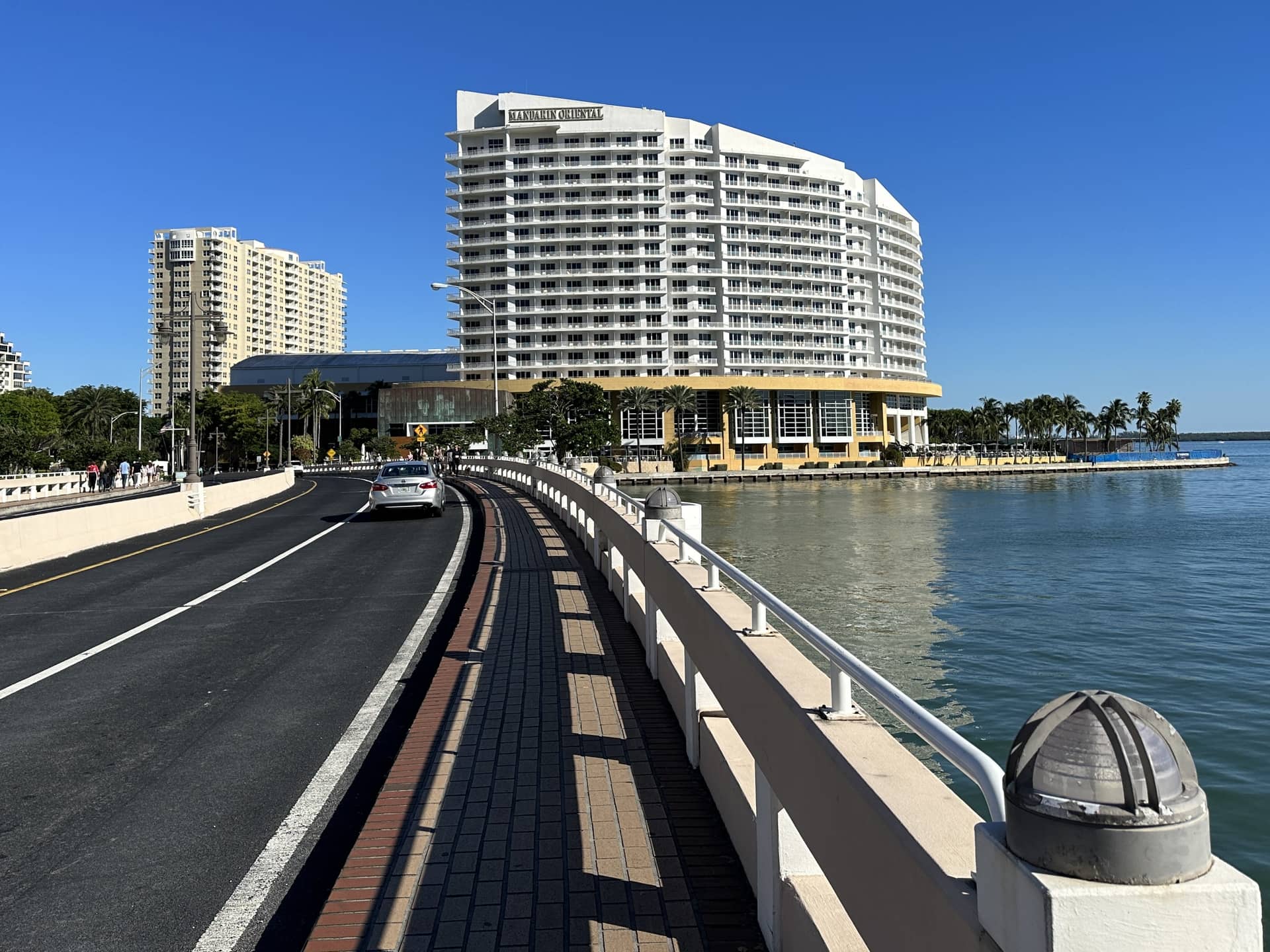
Swire Breaks Ground on Mandarin Oriental Towers on Brickell Key After Selling More Than $1.7 Billion in Condos
8h ago

Seminole Tribe Sues DraftKings and CEO Jason Robins in Broward, Calling Its Florida Prediction Markets an Illegal Sportsbook
8h ago

Jacksonville council members weigh relief for high JEA bills as utility says it isn't ready for a hyperscale data center
1d ago

Rays to open Westshore ballpark experience center in 2027 as Tampa stadium deal moves ahead
2d ago