SpaceX Falcon 9 Deploys 29 Starlink Satellites from Cape Canaveral in Latest Mission, Continuing Rapid Pace
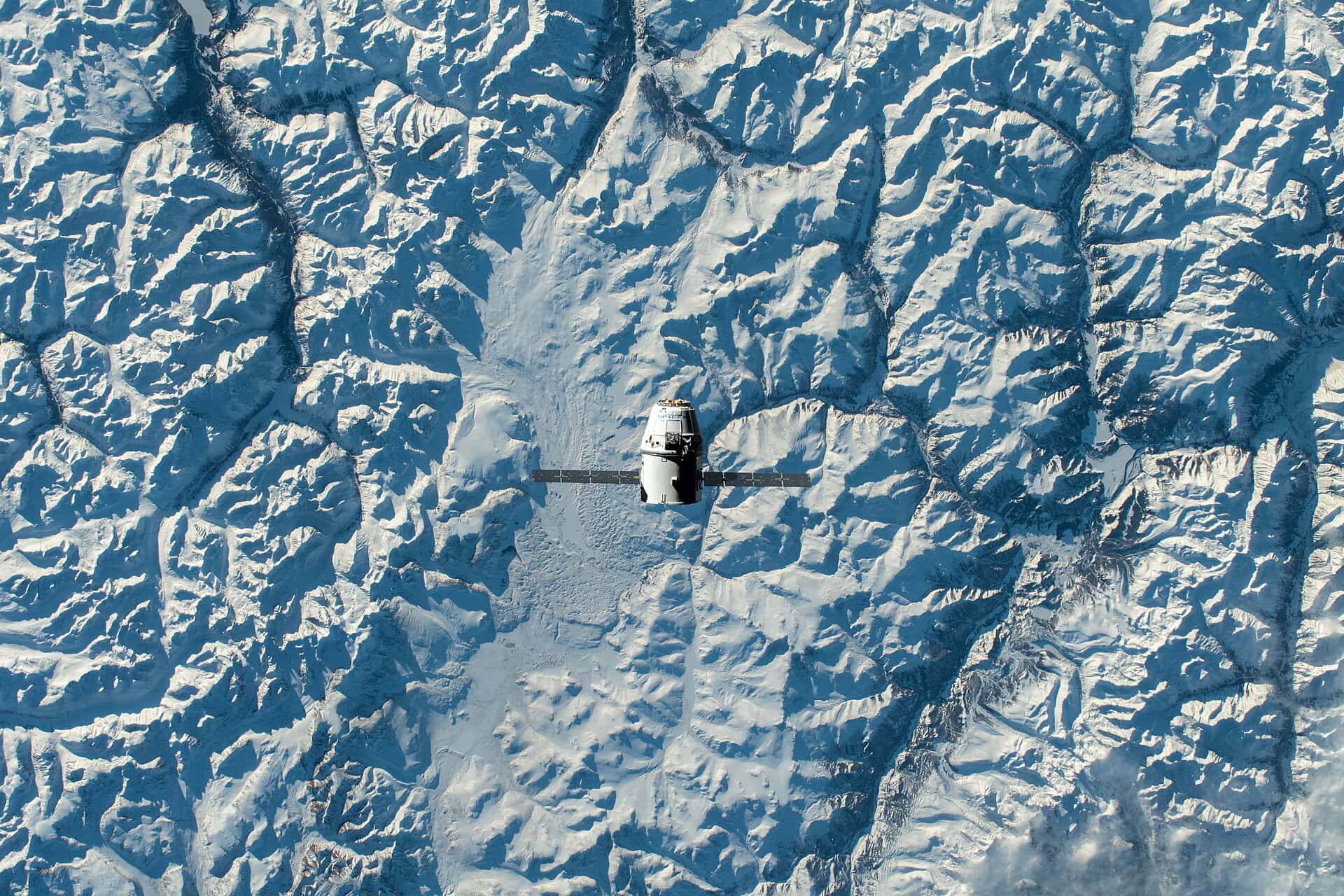
A SpaceX Falcon 9 rocket launched Thursday from Space Launch Complex 40 at Cape Canaveral Space Force Station, successfully deploying 29 Starlink broadband internet satellites into low Earth orbit as part of the Starlink 10-53 mission. The launch continued SpaceX's extraordinary pace of operations from Florida's Space Coast, where the company has conducted multiple missions per month throughout 2026, cementing Cape Canaveral's role as the most active commercial launch site in the world.
The Mission
The Starlink 10-53 mission marked another operational deployment for SpaceX's growing constellation of low Earth orbit satellites, which provide broadband internet service to customers in more than 60 countries around the world. Each batch of 29 satellites adds capacity to the existing constellation, which comprises thousands of satellites operating in coordinated orbital shells at altitudes ranging from approximately 340 to 560 kilometers above Earth.
The Falcon 9 first-stage booster performed a controlled landing on a drone ship in the Atlantic Ocean shortly after liftoff, continuing SpaceX's routine practice of recovering and reusing orbital rocket components. Booster reuse has become so routine at Cape Canaveral that individual boosters have now completed 15, 16, and in some cases more than 20 missions, a milestone that would have seemed implausible a decade ago when reusable orbital rockets were considered an aspirational goal rather than operational reality.
Thursday's launch was the third Starlink mission from Cape Canaveral in May 2026, following the Starlink 10-31 mission on May 21 and the Starlink 10-47 mission on Memorial Day weekend. The frequency of launches from Space Launch Complex 40 has made rocket launches a regular feature of the Space Coast environment, visible to residents across Brevard County and beyond under the right atmospheric conditions.
Cape Canaveral's Economic Significance
The Space Coast's launch activity has transformed the economic landscape of Brevard County and the broader Central Florida region in ways that extend far beyond the aerospace industry itself. Hotels, restaurants, and tourism businesses throughout the area benefit from the draw of launch viewing, which attracts visitors from across the country and internationally for significant missions. The regular cadence of launches has made the Space Coast a year-round destination for space enthusiasts rather than a site that generates tourism only around individual high-profile events.
SpaceX's operations at Cape Canaveral support thousands of direct jobs in launch operations, mission control, engineering, and manufacturing at nearby facilities. Suppliers, contractors, and support service providers add thousands more indirect jobs to the regional economy. Brevard County has seen population growth in recent years driven in part by the expansion of the aerospace workforce, and local school districts have benefited from increased tax revenue associated with the growth.
The economic multiplier of the Space Coast's launch activity is not limited to Brevard County. Engineers, scientists, and technical professionals employed in the broader aerospace ecosystem choose to live in communities ranging from Titusville and Melbourne in Brevard County to Palm Bay and even as far as the Orlando metropolitan area, spreading the economic benefits of the industry across a wide swath of Central Florida.
Starlink's Broader Impact on Florida
The Starlink broadband network, built through the launches streaming from Cape Canaveral, has had a direct and tangible impact on Florida communities, particularly in rural and semi-rural areas where traditional broadband infrastructure has historically been limited. Residents of rural North Florida, the Panhandle interior, and rural portions of South Florida's agricultural regions who previously had access only to slow satellite or DSL connections have been able to subscribe to Starlink for broadband service that supports work-from-home arrangements, telehealth consultations, remote education, and other internet-dependent activities that were previously difficult or impossible.
Emergency management agencies in Florida have also evaluated Starlink terminals as a resilient communication resource during and after hurricanes and other major disasters, when terrestrial internet and telecommunications infrastructure can be knocked offline for days or weeks. The terminals can operate without connection to fixed ground infrastructure, making them valuable for emergency command posts, shelters, and restoration crews operating in areas where the normal communication grid has been disrupted.
During the recovery operations following major hurricanes in recent years, SpaceX has provided Starlink terminals to affected communities and emergency responders in Florida at no cost, a practice the company has continued as storms have struck various parts of the state. The reliability of the service in post-disaster conditions has led several Florida counties to incorporate Starlink into their formal emergency communication planning.
Kennedy Space Center and NASA Activity
Cape Canaveral's SpaceX activity occurs alongside a continued NASA presence at the adjacent Kennedy Space Center, which is preparing for the Artemis II crewed lunar flyby mission and working through a leadership transition following the retirement of center director Janet Petro. Brian Hughes has been named as the new senior director of launch operations at Kennedy, bringing experience in operational management to a role that will oversee NASA's growing portfolio of missions from the Space Coast.
The Artemis II mission, which will carry astronauts on a flight around the Moon without landing, represents the next major milestone for NASA's lunar return program. The mission is expected to demonstrate the performance of the Space Launch System rocket and the Orion capsule in a crewed lunar vicinity environment before subsequent Artemis missions attempt a crewed lunar landing. Kennedy Space Center is also celebrating the United States' 250th anniversary this summer with special visitor complex programming that puts space exploration in the context of American history and innovation.
National Security Launches
In addition to commercial SpaceX launches, Cape Canaveral serves as a primary launch site for U.S. Space Force national security missions. The Space Force operates Cape Canaveral Space Force Station adjacent to Kennedy Space Center and conducts launches of classified and unclassified national security satellites that support military communication, navigation, reconnaissance, and other sensitive mission categories.
Patrick Space Force Base in Brevard County, which includes Cape Canaveral Space Force Station and supports launch operations across the Eastern Range, is one of Florida's most significant military installations and a major employer in the region. The base's mission has grown in importance as space has become an increasingly contested operational domain and as the number of military satellites requiring launch services has expanded.
What Is Next
SpaceX has multiple Falcon 9 launches scheduled from Cape Canaveral in the coming weeks, continuing the Starlink constellation expansion and other commercial satellite missions. The company is also working toward additional Starship test flights from its Boca Chica, Texas facility, with potential implications for future heavy-lift launch operations from Cape Canaveral as that vehicle matures toward operational service.
For the Space Coast and Florida's broader aerospace ecosystem, the current pace of launches represents an extraordinary commercial opportunity. The question for the region's economic planners and workforce development organizations is how to build and sustain the talent pipeline that will be needed to support not just current launch rates but the even higher activity levels that are projected as the commercial space industry continues its rapid expansion in the decade ahead.
Spotted an issue with this article?
Have something to say about this story?
Write us a letterComments
No comments yet. Be the first to weigh in.
Related Coverage

Florida Voters Face Few New Rules on Nov. 3 as Other GOP States Roll Out Citizenship and ID Laws
1h ago

Florida Leads the Nation in ICE Detainer Arrests as Local Police Take a Growing Role, New Data Show
1h ago
Federal Government Again Asks Miami Judge to Toss Lawsuit by Nearly 1,000 Cubans With I-220A Papers
2h ago
Alvaro Pulido, Alex Saab's Longtime Partner, Heads to Miami Federal Court After Arrest in Venezuela Bribery Case
2h ago