SpaceX Keeps Cape Canaveral Launch Cadence Roaring as Space Coast Economy Booms
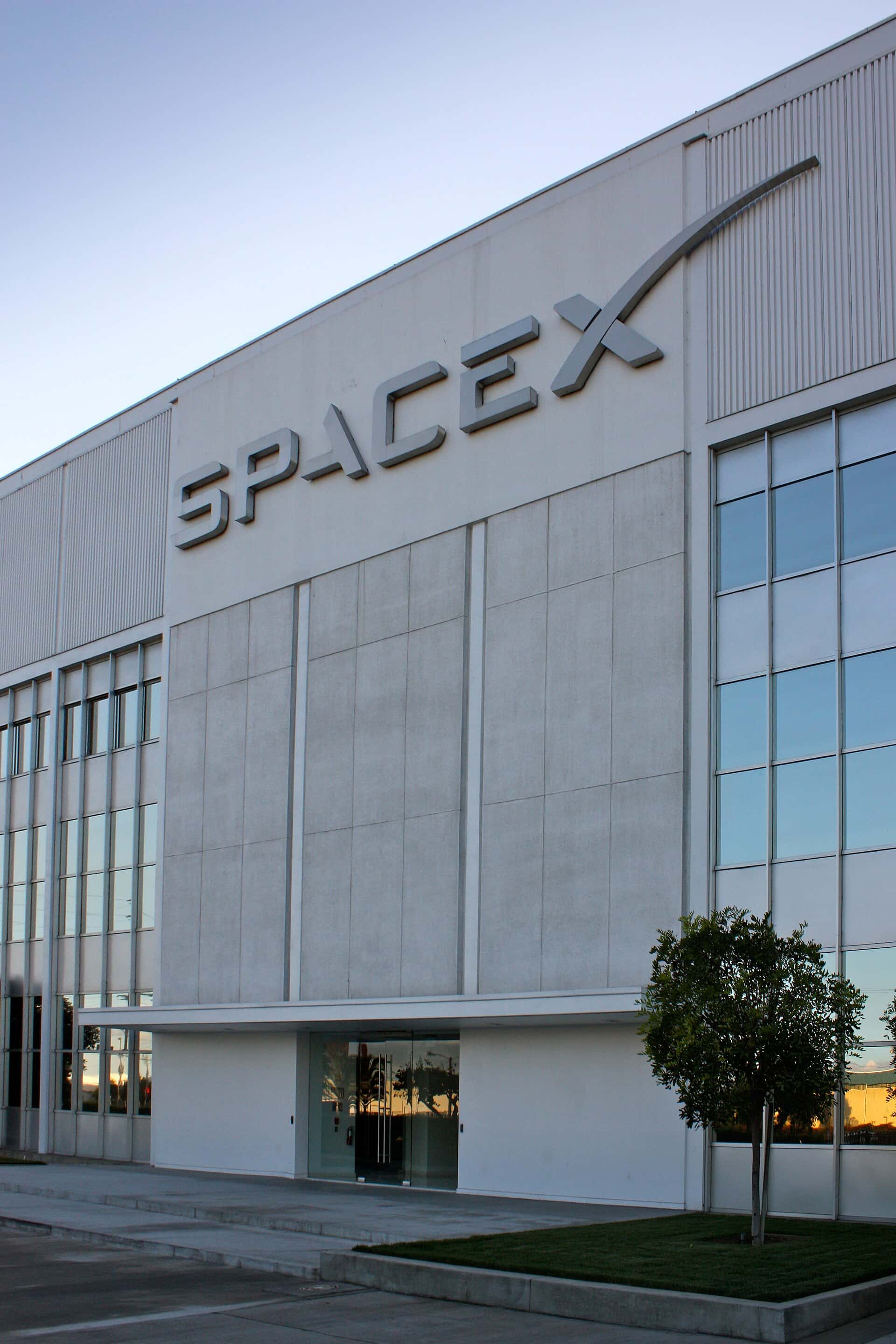
SpaceX maintained its relentless launch cadence from Florida's Space Coast through June, sending up a steady stream of missions from Cape Canaveral that included satellite deployments and demonstration flights. The pace of activity, with launches occurring on a near-routine basis, underscores how central Florida's eastern coast has become to the modern space economy and the broader commercial spaceflight industry.
For Brevard County and the surrounding region, the constant drumbeat of launches translates into jobs, tourism, and economic activity that have transformed the area once defined by the government-led space program. The June missions are the latest chapter in a launch boom that has made the Space Coast one of the busiest spaceports in the world.
The transformation has unfolded gradually but unmistakably, and the routine nature of the launches today is itself a measure of how far the industry has advanced. What once would have commanded national attention as a singular event has become a regular feature of life along the coast, a sign of an industry that has matured to the point where frequent access to space is the expectation rather than the exception.
June's launch activity
SpaceX conducted multiple missions from Cape Canaveral and nearby facilities during June, reflecting the high tempo that has become standard for the company. Reports indicate the launches included the deployment of a large communications satellite as part of a constellation refresh, along with batches of Starlink internet satellites and a demonstration mission. The variety illustrates the range of activity flowing through Florida's launch sites.
The frequency of launches has reached a level that would have been almost unimaginable in earlier eras of spaceflight. Reusable rocket technology, which allows boosters to land and fly again, has dramatically reduced the cost and turnaround time of launches, enabling a cadence measured in days rather than months. That capability is the engine behind the Space Coast's transformation.
Each launch represents a complex operation involving the rocket, payload, range safety, and recovery, and the ability to repeat that process rapidly reflects significant advances in the industry. The June missions added to a year already marked by a high volume of launches from Florida's spaceports.
Sustaining that tempo requires careful coordination among the many parties involved in each launch, from the teams preparing the rocket and payload to the personnel responsible for ensuring the range is clear and safe. The fact that these operations can be carried out repeatedly, often with only short intervals between flights, speaks to the maturity of the processes and infrastructure that support them. The variety of missions in June, spanning communications satellites and internet constellation deployments, illustrates the breadth of demand the launch sites now serve.
The Space Coast economy
The launch boom has reshaped the economy of Florida's Space Coast, generating employment in aerospace, manufacturing, engineering, and supporting industries. The region has attracted companies and workers tied to the commercial space sector, building on the legacy of the government space program that long anchored the area. The result is a diversified and growing aerospace ecosystem.
Tourism has also benefited, as launches draw spectators who travel to the area to witness rockets lift off. The spectacle of a launch has become an attraction in its own right, supporting hotels, restaurants, and visitor services. Combined with established attractions tied to the space program, the launches reinforce the region's appeal as a destination.
The economic impact extends beyond the immediate launch operations to the broader supply chain and infrastructure that support the industry. As launch frequency has increased, so has the demand for facilities, services, and skilled labor, creating a virtuous cycle of investment and growth along the coast.
The growth has also influenced the broader character of the region, drawing new residents and businesses attracted by the opportunities the industry presents. As more companies establish a presence and the workforce expands, the surrounding communities have adapted to support a population increasingly tied to aerospace. That shift has implications for housing, education, and local services, as the area absorbs the effects of sustained economic momentum centered on spaceflight.
How the Space Coast got here
The region's current prominence rests on a foundation laid over decades, when Florida's eastern coast served as the launch site for many of the nation's most significant space missions. That long history established the infrastructure, expertise, and institutional knowledge that continue to support launch operations today, giving the area a head start as the industry evolved.
The shift from a model centered on government programs to one driven by commercial operators marked a turning point. As private companies took on a larger role in launching payloads and developing new capabilities, the cadence of activity increased and the nature of the work changed. The reusable rocket technology that emerged from that period made frequent launches economically viable, accelerating the transformation.
That evolution did not happen in isolation. The existing base of skilled workers and established facilities made Florida a natural home for the expanding commercial sector, and the presence of multiple operators has reinforced the region's standing. The result is a launch environment that builds on its historical roots while embracing the demands of a new and faster-moving era.
The technology behind the cadence
The pace of launches that defines the Space Coast today rests on advances that have changed the economics of reaching orbit. Reusable rocket technology, which allows boosters to return and fly again rather than being expended after a single use, has been central to that shift. By recovering and reusing hardware, operators can lower the cost of each mission and shorten the time between flights, making a high cadence achievable.
That capability has implications that extend across the industry. When the cost of access to space falls and launches can be conducted more frequently, a wider range of missions becomes feasible, from large communications satellites to the steady deployment of internet constellations. The variety of payloads moving through Florida's launch sites reflects the expanded range of activity that the technology has enabled.
The repeatability of launch operations also depends on the infrastructure and processes that support them. Recovering boosters, preparing them for reuse, and integrating new payloads all require facilities and expertise built up over time. The combination of advanced technology and the supporting systems that surround it is what allows the Space Coast to sustain a tempo that earlier eras of spaceflight could not have matched.
The Florida context
Florida's eastern coast has been at the heart of American spaceflight for decades, hosting historic missions from Cape Canaveral and the Kennedy Space Center. The transition from a primarily government-run program to a thriving commercial launch industry has revitalized the region and positioned it at the forefront of a new space era.
The state has actively courted the space industry, recognizing its economic potential and working to support the infrastructure and workforce it requires. That effort has helped Florida compete to remain the nation's leading launch site even as other locations have developed their own capabilities. The Space Coast's high launch volume reflects the payoff of that strategic focus.
The industry's growth also carries strategic significance, given the role of space access in communications, national security, and scientific exploration. Florida's prominence as a launch hub places it at the center of activities with implications reaching far beyond the state, from global internet connectivity to broader space ambitions.
Maintaining that position requires ongoing attention to the demands of a competitive and fast-changing industry. As other regions invest in their own launch capabilities, Florida's advantage rests on the combination of its established infrastructure, experienced workforce, and the concentration of operators that have made the Space Coast their base. The sustained pace of launches serves as evidence that the state's investments have kept it at the front of the field.
What it means for Floridians
For residents of the Space Coast, the launch boom means jobs and economic opportunity in a high-technology sector that has become a pillar of the regional economy. The growth of the aerospace industry has provided employment and attracted investment, benefiting communities throughout Brevard County and the surrounding area.
For Floridians more broadly, the state's leadership in spaceflight is a source of identity and economic strength. The space industry contributes to Florida's economy, supports educational and workforce development tied to science and technology, and reinforces the state's reputation as a hub for innovation. The frequent launches keep that role in the public eye.
The activity also offers Floridians and visitors the chance to witness spaceflight firsthand, a draw that connects the public to the industry's achievements. The launches have become part of life on the Space Coast, a regular reminder of the region's central place in the space economy.
The industry's presence also shapes the aspirations of younger residents, who grow up in a region where spaceflight is a visible and familiar part of daily life. Exposure to a thriving high-technology sector can influence educational and career choices, and the steady demand for skilled workers offers a path for those drawn to the field. In that way, the launch boom carries implications that extend well beyond its immediate economic effects, helping to cultivate the next generation of talent.
What's next
The high launch cadence is expected to continue, with SpaceX and other operators maintaining busy schedules from Florida's spaceports. The ongoing buildout of satellite constellations and the development of new missions point to sustained demand for launch services, supporting the region's continued growth.
The presence of multiple launch providers and the development of additional facilities suggest that the Space Coast's prominence will endure and potentially expand. As the commercial space industry matures, Florida is positioned to remain a leading player, with implications for the state's economy and its role in the broader space sector.
For now, the steady stream of launches from Cape Canaveral stands as a marker of how far the industry has come and how central Florida has become to it. The June missions are part of a continuing story of growth that has reshaped the Space Coast and reinforced Florida's status as the gateway to space.
Spotted an issue with this article?
Have something to say about this story?
Write a letter to the editorComments
No comments yet. Be the first to weigh in.
Related Coverage
The Fed's First Rate Hike Since 2023 Pushes Mortgages Past 7% and Freezes Florida's Housing Market
10h ago

Florida Sits at the Center of Record Federal Immigration Enforcement With 287(g) Deals in All 67 Counties
13h ago
FEMA Aid for Helene and Milton Recovery Tops $11 Billion as Florida Projects Keep Closing Out
15h ago
Coast Guard and CBP Keep Interdicting Smuggling Boats Off the Florida Keys as Routes Shift
21h ago