Tampa Bay Rays Advance $2.3 Billion Tampa Ballpark Plan as Hillsborough Deal Takes Shape
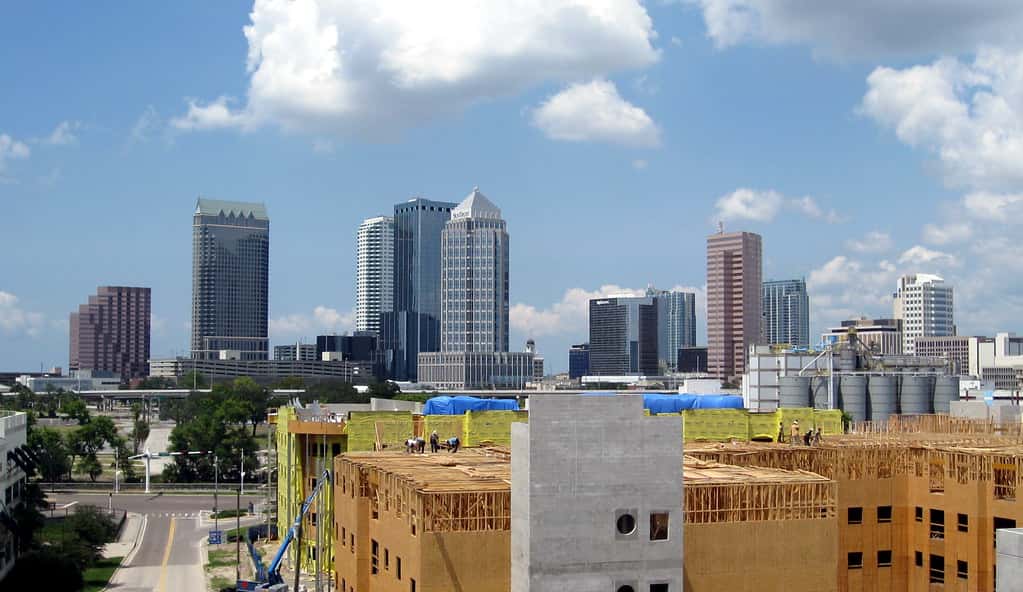
The Tampa Bay Rays are moving forward with an ambitious plan to build a new $2.3 billion domed ballpark in Tampa, reaching preliminary terms with Hillsborough County on a deal that could finally settle the franchise's long uncertain future. The proposed stadium, which the team has described as its forever home, would rise in the Westshore District near the Dale Mabry campus of Hillsborough College, across from Raymond James Stadium, home of the NFL's Tampa Bay Buccaneers.
The agreement on preliminary terms marks a significant step in a saga that has stretched across years and consumed enormous political and civic energy in the Tampa Bay region. After damage to Tropicana Field and a series of stalled efforts to secure a permanent home, the Rays appear closer than they have been in some time to a concrete path forward, though significant questions about financing and approvals remain.
The proposed ballpark
The team has unveiled plans and renderings for a domed stadium designed to seat roughly 31,000 fans, part of a larger mixed use development envisioned for about 130 acres in Tampa's Westshore District. The location across from Raymond James Stadium would place two of the region's marquee sports venues in close proximity, anchoring a sports and entertainment district in one of Tampa's busiest commercial areas.
A domed design addresses one of the central challenges of baseball in Florida: the heat, humidity and frequent summer rain that can disrupt outdoor games during the long season. An enclosed or covered stadium allows games to proceed regardless of weather, a practical necessity in a state where afternoon thunderstorms are a near daily feature of the warmer months.
The $2.3 billion price tag reflects both the scale of the stadium and the surrounding development, which would include additional components beyond the ballpark itself. Large stadium projects increasingly come bundled with mixed use districts featuring housing, retail, dining and entertainment, intended to generate activity and revenue year round rather than only on game days.
How the deal would be financed
Financing is the heart of any modern stadium negotiation, and the Rays project is no exception. The team has said it would pay for 50 percent of the stadium cost, with the remainder coming from Hillsborough County and the city of Tampa. That split places a substantial public contribution on the table, the kind of arrangement that typically draws intense scrutiny from taxpayers and local officials.
Public financing for sports stadiums is perennially controversial. Supporters argue that a major league team and a large development project generate economic activity, jobs and civic identity that justify public investment. Critics counter that the public return on stadium subsidies is often smaller than promised, and that public dollars could be directed to other priorities. The Rays deal will likely reignite that debate in the Tampa Bay area.
The preliminary terms announced between the Rays and Hillsborough County represent a framework rather than a finished agreement. Final approval would require sign off from county and city officials, and the details of the public contribution, including its sources and structure, will be central to whether the deal ultimately moves forward.
The Florida context
The Rays have long faced challenges with attendance and venue, and the question of where the team would play permanently has hung over the franchise for years. Tropicana Field in St. Petersburg, the team's home, sustained roof damage from Hurricane Milton in the fall of 2024, adding urgency and complexity to the franchise's stadium situation. The Trop has been prepared to host games again, but its long term role remains uncertain given the team's pursuit of a new home.
A move across the bay from St. Petersburg in Pinellas County to Tampa in Hillsborough County would shift the franchise's geographic center within the region. The Tampa Bay market spans multiple counties and cities, and the location of a new stadium carries implications for fan access, traffic and the local economies of the communities involved. State officials have also been part of the broader process, with the state cabinet having taken action related to land for a Rays ballpark.
For the Tampa Bay region, retaining a Major League Baseball franchise is a matter of civic pride and economic activity. A new stadium would aim to boost attendance, modernize the fan experience and secure the team's presence for decades, addressing the instability that has shadowed the franchise.
What it means for fans and taxpayers
For Rays fans, a new ballpark promises a modern venue with amenities the aging Tropicana Field cannot match, and a domed design would ensure games proceed regardless of Florida's volatile summer weather. The location near other major venues could also create a livelier game day atmosphere within a developed sports and entertainment district.
For taxpayers, the central question is the public contribution. With the county and city expected to fund half the stadium cost, residents will want to understand where that money comes from and what they receive in return. The economic impact claims that typically accompany stadium proposals will be scrutinized, as will the opportunity cost of public dollars spent on a ballpark.
The broader Tampa Bay community has a stake in the outcome regardless of whether individuals follow baseball. A large development project reshapes traffic, land use and the local economy, and decisions about public financing affect budgets that fund other services. The coming months of negotiation and public debate will determine how those tradeoffs are resolved.
A long and winding road
The Rays' search for a permanent home has been one of the longest running sagas in professional sports. For years the franchise played at Tropicana Field in St. Petersburg, a venue widely regarded as among the least desirable in Major League Baseball, while pursuing various proposals for a new stadium that repeatedly stalled. The uncertainty hung over the team, complicating efforts to build a stable fan base and raising periodic questions about the franchise's long term future in the region.
The situation grew more complicated when Tropicana Field sustained roof damage from Hurricane Milton in the fall of 2024. The storm added urgency to the stadium question and forced the team and local officials to grapple with both the immediate matter of repairing the existing venue and the larger question of a permanent home. The Trop was prepared to host games again, but its long term role remained uncertain as the franchise pressed forward with plans for a new ballpark.
Earlier efforts to secure a new stadium had foundered on disagreements over financing, location and public support. The preliminary terms with Hillsborough County represent the closest the franchise has come to a concrete path in some time, but the history of stalled proposals is a reminder that significant hurdles can still derail even an advanced deal.
The stakes for the region
For the Tampa Bay area, the outcome of the stadium question carries implications well beyond baseball. Major League Baseball is part of the region's identity and economy, and losing the franchise would be a significant blow to civic pride and to the area's standing as a major league market. Securing a permanent home would settle years of uncertainty and anchor the team's future in the region.
The proposed location in Tampa's Westshore District, near Raymond James Stadium, would concentrate major sports venues in one area and could catalyze surrounding development. A mixed use district built around the ballpark could bring housing, retail and entertainment, reshaping a portion of the city and generating activity beyond game days. Such projects are increasingly common as teams seek to maximize the value of stadium developments.
At the same time, the substantial public contribution involved ensures the deal will face scrutiny from taxpayers and elected officials. The debate over whether public dollars should support a privately owned sports franchise is a familiar one, and it will play out in Tampa Bay as county and city leaders weigh the proposed financing against other priorities and the claims made about economic benefits.
What's next
The preliminary terms set the stage for detailed negotiations and the formal approvals needed to make the project real. County and city officials will weigh the financing arrangement, and the public will have opportunities to react as the process unfolds. Stadium deals of this magnitude often involve extended negotiation, and obstacles can emerge even after preliminary agreement.
The Rays have also continued operations in the meantime, with Tropicana Field prepared to host the team while the future stadium is pursued. The interplay between the current venue and the proposed new home will remain part of the story until a permanent arrangement is finalized.
For now, the franchise and Hillsborough County have taken a meaningful step toward a long sought resolution. Whether the $2.3 billion forever home in Tampa's Westshore District becomes reality will depend on financing, approvals and public support, but the Rays are closer than they have been in years to securing the permanent home that has eluded the franchise for so long.
The outcome will reverberate through the regional economy and civic life regardless of how it unfolds. A new ballpark and mixed use district would represent one of the largest development projects in the area in years, with implications for jobs, traffic, land use and the character of the Westshore District. The scale of the undertaking ensures that the project will remain a topic of intense local interest as the details are negotiated.
For Major League Baseball, the resolution of the Rays' stadium situation matters as well. The league has an interest in stable, well supported franchises in viable markets, and the years of uncertainty surrounding the Rays have drawn attention beyond the Tampa Bay area. A successful deal would settle questions about the franchise's future and affirm the region's status as a major league market for the long term.
As negotiations proceed, residents, fans and officials will weigh the promise of a modern ballpark and the development around it against the substantial public investment involved. The balance struck in those negotiations will determine not only whether the project moves forward but also how its costs and benefits are distributed. For now, the franchise and its region stand at a pivotal moment, with the prospect of finally answering a question that has lingered for years.
Spotted an issue with this article?
Have something to say about this story?
Write a letter to the editor