Tampa City Council Approves Nonbinding $2.3 Billion Rays Stadium Framework in Narrow 4-3 Vote
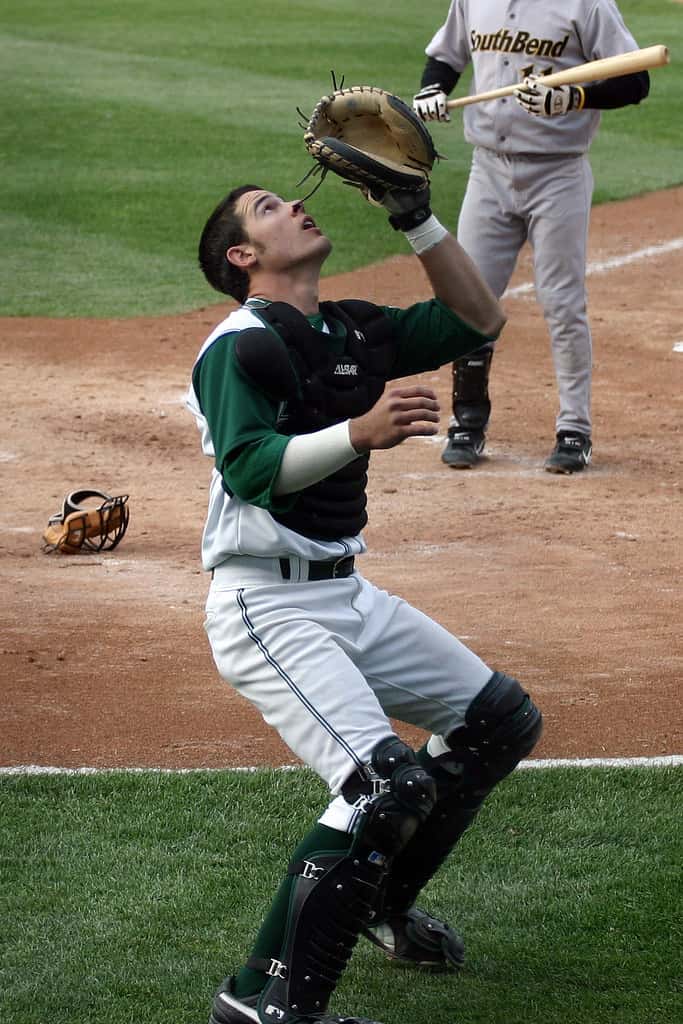
The Tampa City Council voted 4 to 3 on Thursday to approve a nonbinding memorandum of understanding that establishes the financial and planning framework for a proposed $2.3 billion Tampa Bay Rays stadium and mixed-use development in the city. The narrow approval, coming one day after Hillsborough County commissioners passed the same framework by a 5-to-2 vote, clears the first major political hurdle for a project team executives describe as a once-in-a-generation opportunity to anchor a transformational new neighborhood in Tampa.
How the Council Voted and Who Said What
Council Chair Alan Clendenin joined members Naya Young, Bill Carlson, and Luis Viera in voting to approve the memorandum of understanding. Members Charles Miranda, Guido Maniscalco, and Lynn Hurtak voted against. The vote followed several hours of public comment and council deliberation that stretched through the afternoon, with supporters emphasizing the economic potential of the surrounding development and opponents raising concerns about the public funding commitment and the pace of the review process.
Ken Babby, the Rays' chief executive officer, addressed the council and characterized the proposal as a generational opportunity that would not return if the framework was rejected. He urged members to approve the memorandum so formal negotiations on a binding development, funding, and operating agreement could begin. Babby said the Rays were committed to covering roughly half of the total project cost and accepting responsibility for construction overruns beyond what the public funding covers.
The three dissenting council members cited different concerns. Miranda and Maniscalco raised questions about the pace at which the framework was moving, arguing that $80 million in city investment warranted more scrutiny before even a nonbinding commitment was made. Hurtak said she was not opposed to a new stadium but wanted stronger community benefit guarantees written into any formal agreement before the city's money was on the table.
What the Framework Commits the City To
The memorandum of understanding, which was the subject of Thursday's vote, does not authorize construction, release public money, or create legal obligations. Instead, it establishes the financial parameters and governance framework within which a binding stadium agreement would be negotiated. The document outlines how costs would be divided, who bears risk for overruns, how the surrounding mixed-use development would be managed, and what community benefit obligations would be included in the final deal.
Under the framework, Hillsborough County would contribute approximately $800 million toward the project, while the City of Tampa would invest $80 million. The Rays would cover roughly half of the total $2.3 billion cost and take on responsibility for any construction overruns beyond the committed public contributions. The proposed site is the land currently occupied by Hillsborough Community College's Dale Mabry campus, which would need to be relocated as part of the development.
The mixed-use district envisioned around the stadium would include residential, commercial, hotel, and retail components, with the Rays and a private development partner managing the surrounding land. Proponents have argued that the surrounding development's tax revenue would, over time, partially offset the public investment in the stadium itself. Independent analysts have said those projections depend heavily on how quickly and successfully the development around the ballpark is built out.
Hillsborough County's Role and the Path to a Binding Deal
Hillsborough County commissioners approved the same nonbinding framework on Wednesday in a 5-to-2 vote, the day before the City Council's action. The county's larger financial commitment reflects its broader role in the regional economy that the Rays represent, as well as the fact that many Rays fans live throughout Hillsborough County, not just within the city limits of Tampa.
With both the city and county approvals in hand, the project will now move into a formal negotiating phase where binding agreements must be drafted and submitted for separate approval votes. Those binding agreements will need approval from Tampa City Council, the Hillsborough County Commission, the Community Redevelopment Agency board, and ultimately Major League Baseball, which must sign off on any stadium deal involving one of its franchises.
The timeline for completing the full package of binding agreements has not been publicly specified. Both city and county officials acknowledged that the negotiation of detailed construction, financing, and community benefit agreements is complex and could take months to finalize. No groundbreaking date has been set, and the Rays have not publicly announced a target opening year for the new facility.
Why the Rays Need a New Stadium
The Tampa Bay Rays have played at Tropicana Field in St. Petersburg since 1990, making theirs one of the oldest and most criticized ballpark situations in Major League Baseball. The facility, which is domed, has been widely panned by players and fans for its dated infrastructure, limited sightlines in some sections, and challenging access for fans from the Tampa side of the bay. The Rays have had some of the lowest attendance figures in the American League despite fielding consistently competitive teams, a disparity that team management has long attributed in part to the stadium situation.
Tropicana Field suffered significant roof damage from Hurricane Milton in October 2024, accelerating conversations about the facility's long-term viability and sharpening the urgency of the stadium search. The team temporarily played some home games at other venues while repairs were assessed. The damage reinforced arguments that Tropicana Field was not a long-term option and that a new modern facility was needed to ensure the franchise's future in the Tampa Bay region.
The Rays are currently playing the 2026 season at a repaired Tropicana Field. The new stadium, if the full package of agreements is completed and construction proceeds on schedule, would be expected to open several years from now. The team's lease at Tropicana Field has been extended to provide time for the development process to unfold.
Community and Economic Questions
Community groups and urban planning advocates have raised questions about the community benefit obligations that will be written into the binding agreements. Affordable housing advocates have argued that the large mixed-use development surrounding the stadium could accelerate gentrification in adjacent Tampa neighborhoods, particularly communities of color that have historically been displaced by major development projects in the city.
Economic impact projections from consultants hired by the Rays and the local governments have estimated that the stadium and surrounding development could generate billions of dollars in economic activity over its lifespan and create thousands of permanent jobs. Independent economists have noted that stadium economic impact projections have historically overstated benefits, but have also said that the mixed-use development component distinguishes this proposal from a stadium-only project and adds genuine development value beyond what the ballpark alone would produce.
The Community Redevelopment Agency, which governs the use of tax increment financing in the area surrounding the proposed site, is also a party to the negotiations. CRA funding mechanisms allow property tax revenue generated by increased property values in a designated area to be directed toward development costs within that zone, which is one of the funding tools that could be used to support the project.
What's Next for the Rays Stadium Project
Negotiations on binding agreements are now expected to begin in earnest. The parties involved are the Tampa Bay Rays, the City of Tampa, Hillsborough County, the Community Redevelopment Agency, and the private development partner that would manage the mixed-use district surrounding the stadium. Each of those parties has distinct interests and negotiating priorities, and reaching final agreement on all the terms will require significant time and political will.
Once a binding agreement package is drafted, it will return to the City Council and County Commission for formal approval votes. Those votes, unlike Thursday's nonbinding action, would carry legal weight and would commit public money to the project. City and county officials have said they expect to engage the public and allow for community input during the period when binding agreements are being finalized.
For Rays fans and Tampa Bay residents, the vote represents genuine progress but not a finished deal. Many prior Florida stadium negotiations have broken down at later stages when binding financial commitments became the subject of sharper political and community scrutiny. The Rays and their government partners will need to navigate those pressures while keeping the timeline on track and maintaining public support for a project that represents one of the largest public investments in Tampa's history.
Spotted an issue with this article?
Have something to say about this story?
Write us a letterComments
No comments yet. Be the first to weigh in.
Related Coverage
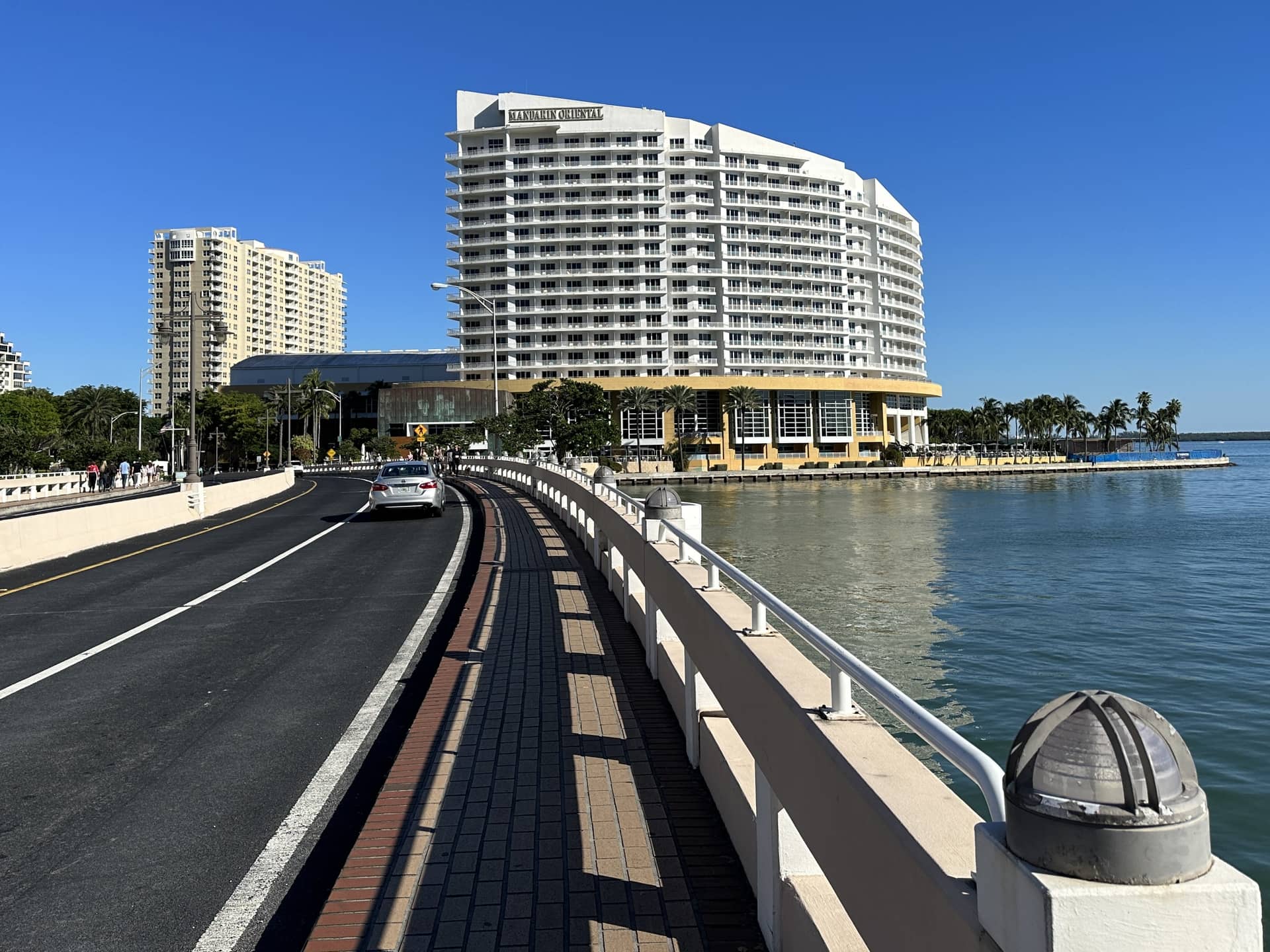
Swire Breaks Ground on Mandarin Oriental Towers on Brickell Key After Selling More Than $1.7 Billion in Condos
2h ago

Seminole Tribe Sues DraftKings and CEO Jason Robins in Broward, Calling Its Florida Prediction Markets an Illegal Sportsbook
2h ago
Jacksonville council members weigh relief for high JEA bills as utility says it isn't ready for a hyperscale data center
1d ago

Rays to open Westshore ballpark experience center in 2027 as Tampa stadium deal moves ahead
1d ago