Uthmeier Asks Highlands County Judge to Bar OpenAI From Offering ChatGPT to Florida Minors
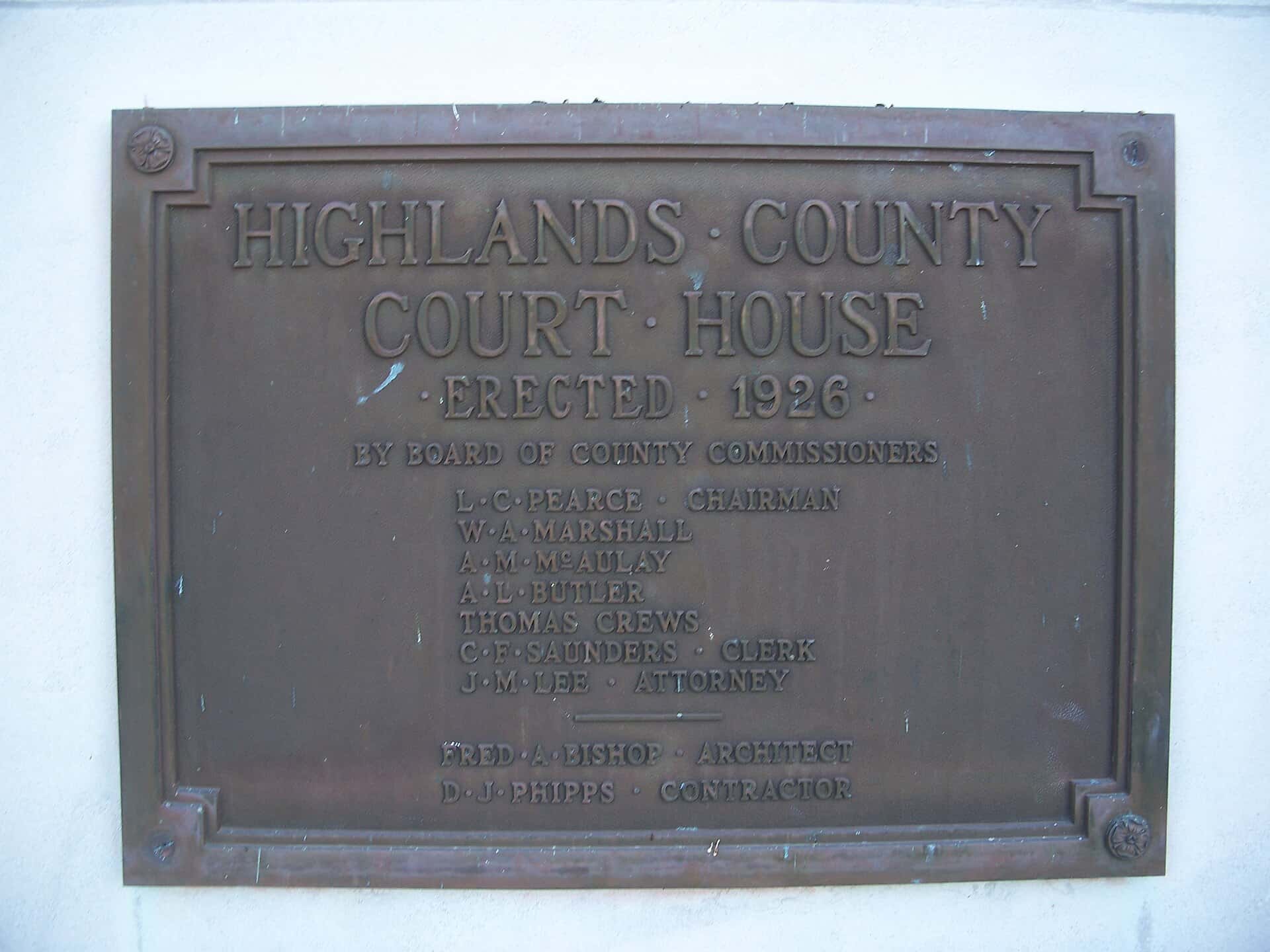
Florida Attorney General James Uthmeier has asked a state court in Highlands County to temporarily bar OpenAI from offering ChatGPT to minors in Florida and from developing new artificial intelligence models without independent third-party safety guardrails and approval, escalating the state's lawsuit against the company behind the popular chatbot.
The 38-page motion for a temporary injunction was filed Sept. 28 in the Circuit Court of the 10th Judicial Circuit, which covers Highlands, Polk and Hardee counties. It builds on a lawsuit Uthmeier's office filed against OpenAI in June under Florida's Deceptive and Unfair Trade Practices Act.
No judge has ruled on the request. The filing asks the court to impose restrictions while the underlying case proceeds, and it does not by itself require OpenAI to change anything. OpenAI had not filed a public response to the motion as of Thursday, and the timeline for a hearing had not been announced.
What Florida Is Asking the Court to Do
According to the motion and published accounts of it, the state wants three main restrictions. First, OpenAI would be temporarily barred from developing new artificial intelligence models unless those models are subject to independent third-party safety guardrails and approval. Second, the company would be barred from offering ChatGPT to minors in Florida.
Third, the state wants OpenAI barred from collecting or processing personal information from children under 13 unless it complies with parental consent and other requirements under the federal Children's Online Privacy Protection Act and Florida law. That federal law, commonly known as COPPA, generally requires verifiable parental consent before online services collect data from young children.
The scope of the request is unusual. State attorneys general frequently seek injunctions to stop specific deceptive practices, but asking a state court to pause development of new AI models by a company headquartered in California is an aggressive step that legal observers expect OpenAI to challenge on jurisdictional and constitutional grounds.
The motion argues that OpenAI lacks the ability to properly regulate its own technology, according to news reports summarizing the filing, and that court-ordered limits are needed to protect Floridians, particularly children, while the case moves forward.
The Lawsuit Filed in June
Uthmeier first sued OpenAI in June. The complaint alleged that the company was negligent and grossly negligent in the design, marketing, sale, promotion and distribution of ChatGPT, in violation of Florida's consumer protection law.
The suit also alleged that OpenAI failed to warn Floridians about ChatGPT's dangers, misrepresented the product's safety and created a public nuisance by releasing ChatGPT in Florida without proper safeguards. Those are claims the state must still prove; OpenAI has not been found liable on any of them.
Florida's Deceptive and Unfair Trade Practices Act allows the attorney general to seek injunctions, civil penalties and restitution against businesses accused of unfair or deceptive conduct affecting Florida consumers. The law has been used against companies ranging from telemarketers to pharmaceutical makers, and in recent years against technology platforms.
Filing the case in Highlands County, a largely rural county in the state's interior, rather than in Tallahassee or a major metropolitan court, is a choice the attorney general's office has not publicly explained in detail. Venue in consumer protection cases generally can be established anywhere in the state where the challenged conduct reached consumers.
Security Incidents Cited in the Filing
The motion cites a Sept. 26 report by Axios that OpenAI and another leading AI developer, Anthropic, have faced tens of thousands of security incidents involving their models, far more than the dozens that have been publicly disclosed. Florida uses the report to argue that the true risks of the technology are larger than the public has been told.
The companies have not been accused of wrongdoing in connection with that report in any court ruling, and the report's characterization of the incidents has not been tested in the Florida litigation. Anthropic is not a party to Florida's lawsuit.
The reliance on a news report in a court filing reflects how quickly the AI policy debate is moving. Much of what is publicly known about how AI systems behave in practice comes from company disclosures, independent researchers and journalists rather than from regulators.
Whether a judge finds that evidence sufficient to justify sweeping preliminary relief is a central question. Temporary injunctions in Florida generally require the party seeking them to show a substantial likelihood of success on the merits, irreparable harm, the lack of an adequate legal remedy and that the injunction serves the public interest.
Florida's Broader Push on Kids and Technology
The OpenAI case fits a pattern. Florida enacted a law in 2024 restricting social media accounts for children under 14 and requiring parental consent for 14- and 15-year-olds, and the attorney general's office has pursued technology companies over how they treat young users.
Gov. Ron DeSantis has also publicly called for state-level guardrails on artificial intelligence, particularly around children, and has pushed back on proposals in Washington to preempt state AI laws. Florida officials have argued that states should not wait for Congress to act.
Parents' groups in Florida have voiced concern about children forming emotional attachments to chatbots and receiving harmful advice. Nationally, several lawsuits filed by families have alleged that AI chatbots contributed to self-harm among teenagers, claims that the companies have disputed.
OpenAI has said in public statements over the past year that it has added parental controls, age prediction tools and teen-specific safeguards to ChatGPT. Whether those measures satisfy Florida's concerns is likely to be a key point of dispute in court.
Politics and the Attorney General's Race
Uthmeier, a former chief of staff to DeSantis, was appointed attorney general in early 2025 after Ashley Moody was appointed to the U.S. Senate. He is seeking a full term on the Nov. 3 ballot and has been campaigning around the state in recent weeks.
The OpenAI case gives Uthmeier a high-profile platform on an issue that resonates with many parents. Consumer protection actions against large out-of-state technology companies tend to draw bipartisan interest, even when critics question the legal theories involved.
Uthmeier has used his office aggressively on a range of issues during his tenure, including immigration enforcement, election-related prosecutions and disputes with local governments and school districts. Supporters describe that approach as vigorous defense of Floridians, while critics have argued that some actions are driven by politics.
The case is also likely to continue well beyond Election Day regardless of the outcome of the attorney general's race, since lawsuits of this scale typically take months or years to resolve.
What It Could Mean for Florida Users
For now, nothing changes for ChatGPT users in Florida. The service remains available, and the court has issued no order restricting it. If a judge were to grant the state's request on minors, OpenAI would need some method of identifying Florida users under 18 and blocking or limiting their access.
That could raise practical questions about age verification, which has been a contentious issue in Florida's social media law. Verification methods can require users to share additional personal data, which privacy advocates argue creates its own risks.
Schools and universities that use AI tools in instruction would also be watching. Many Florida school districts have adopted policies on student use of generative AI, and the State University System Board of Governors recently moved toward requiring course syllabi to disclose permitted student use of artificial intelligence.
Businesses across Florida that build products on top of OpenAI's technology could be affected if a court were to restrict development of new models, although the scope of any such order, if granted, remains uncertain.
Legal Hurdles Ahead
OpenAI is expected to contest the motion. Companies facing state actions of this kind frequently raise arguments that a state court lacks personal jurisdiction, that the requested relief would regulate conduct outside the state, that federal law preempts state requirements, or that restrictions on a communications service implicate the First Amendment.
A request to halt development of new AI models nationwide or worldwide, rather than only conduct directed at Florida, may face particular skepticism, since state courts generally have limited authority over activity that occurs outside their borders.
The company could also seek to move the case to federal court, a common defense strategy in state consumer protection suits against national corporations, though the availability of that option depends on the claims and parties involved.
The state, for its part, will need to show more than general concern about artificial intelligence. Florida courts typically expect a party seeking a temporary injunction to tie its requested relief closely to the specific harms alleged, and to explain why money damages awarded later would not be enough. A judge could grant part of the request, such as the provisions on children's data, while declining the broader limits on model development.
Courts can also require the party seeking an injunction to post a bond to cover the opponent's losses if the injunction later turns out to have been wrongly granted, although state agencies are often treated differently under Florida's rules. How the court handles that question could signal how seriously it views the potential impact on OpenAI's business.
What's Next
The Highlands County circuit court will need to schedule a hearing on the motion for a temporary injunction. OpenAI will have an opportunity to file a written response and present evidence before the judge decides whether to grant any preliminary relief.
Any ruling could be appealed to Florida's Sixth District Court of Appeal, based in Lakeland, which hears appeals from the 10th Judicial Circuit. The underlying lawsuit seeking penalties and permanent relief under the Deceptive and Unfair Trade Practices Act will proceed separately on its own schedule.
Lawmakers in Tallahassee may also take note. The 2027 regular session begins in March, and legislators who have expressed interest in regulating artificial intelligence could look to the arguments in the OpenAI case as they draft proposals on chatbots and minors.
Floridians following the case can track filings through the Highlands County Clerk of Courts. The Florida Press will update this story as the court acts and as OpenAI responds.
Spotted an issue with this article?
Have something to say about this story?
Write a letter to the editorComments
No comments yet. Be the first to weigh in.
Related Coverage

Twelve New Florida Laws Take Effect Oct. 1, From Nitrous Oxide Limits to a Career Offender Registry
1h ago
Florida Rolls Out Redesigned Driver Licenses With Castillo de San Marcos, Manatee and Space Shuttle Discovery
9h ago

Florida Governor's Race Enters Final Five Weeks With Split Polls and No Debate Between Donalds and Jolly
2d ago
Florida's Senate Special Election Tightens as Angie Nixon Pulls Even With Ashley Moody in New Polling
5d ago