Vinicius Junior Stars as Brazil Routs Scotland 3-0 at Miami's World Cup Showcase

The World Cup delivered a marquee spectacle to South Florida as five-time champion Brazil dismantled Scotland 3-0 at Hard Rock Stadium, with Vinicius Junior scoring twice to power his side into the knockout round. The match, one of seven World Cup fixtures Miami is hosting, gave the region a front-row seat to the tournament's biggest stars and underscored Miami's emergence as a global soccer destination during a summer when the sport's premier event has come to North America.
Brazil's command was total. Vinicius struck early and again before halftime, Matheus Cunha applied the finishing touch, and the Brazilian side controlled the run of play from start to finish. For the tens of thousands who packed the stadium in Miami Gardens, the afternoon offered a showcase of the kind of elite soccer that the World Cup brings only once in a generation to any host city.
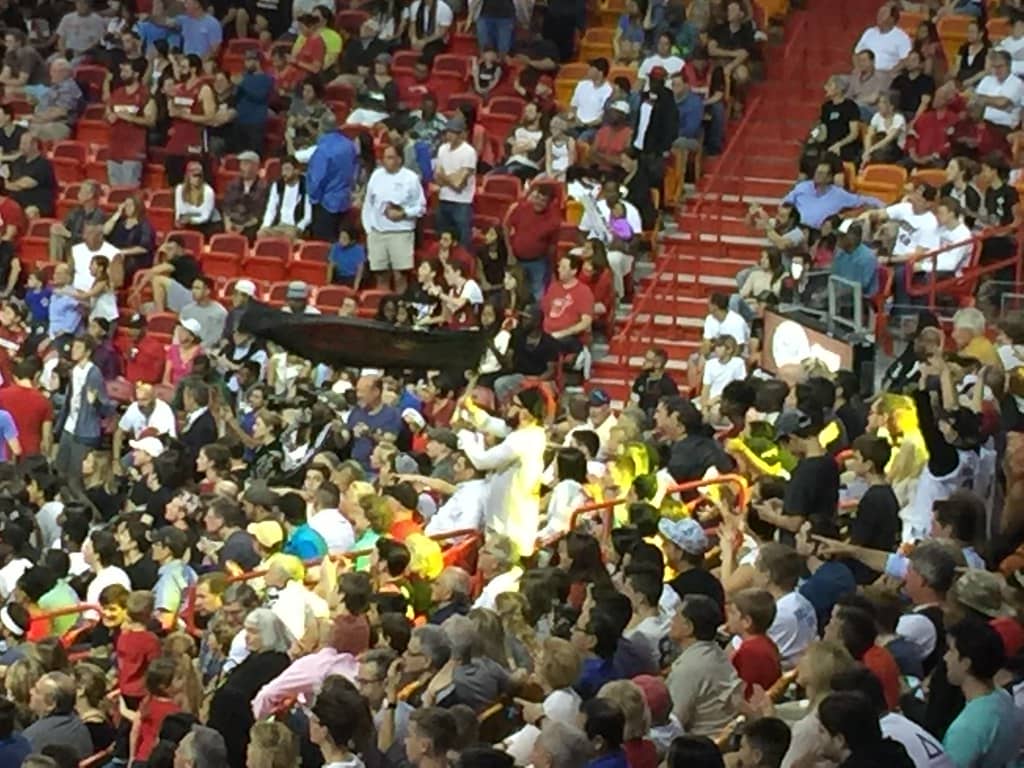
The atmosphere inside Hard Rock Stadium reflected the unique character of Miami as a host city. Brazilian flags filled the stands alongside the blue of Scotland's supporters, creating a vivid backdrop that underlined the World Cup's singular ability to bring the world's soccer communities together in one arena. The noise levels from kickoff made clear that this crowd had come not just to witness a match but to be part of a global occasion.
How the match played out
Brazil seized control almost immediately. Vinicius opened the scoring in the seventh minute, setting the tone for a dominant performance, and he struck again just before halftime to double the lead. The two goals tied him with France's Kylian Mbappe for four in the tournament, one behind the leading mark, and stamped him as one of the standout performers of the group stage.
The third goal came from Cunha, who applied the final blow after slick build-up play opened the angle. Brazil's superiority was reflected in the underlying numbers, with the team generating a commanding share of the high-quality chances while limiting Scotland's opportunities. The result sent Brazil through to the knockout stage and left Scotland to reflect on a difficult afternoon against one of the tournament favorites.
Scotland worked hard throughout and showed the competitive spirit that has defined the national side's return to the world stage after a long absence, but the quality gap between the two teams proved too wide to bridge on the day. Brazil's ability to move the ball quickly through the lines disrupted Scotland's defensive shape, and each time the Scottish defense recovered its structure, Brazil found the patience to probe for a new opening. The margin of three goals accurately reflected the balance of the contest.
In terms of tactical shape, Brazil's fluid front line caused problems from every direction, interchanging positions and dragging defenders out of their zones. The combination of direct running from Vinicius and the off-ball movement from his attacking partners created a constant stream of dangerous situations that the Scottish goalkeeper was forced to deal with throughout the afternoon.
Vinicius Junior's showcase
The performance belonged to Vinicius Junior, whose pace, skill and finishing tormented the Scottish defense throughout. His two goals not only decided the match but burnished his standing among the tournament's elite attackers, putting him in the conversation alongside the biggest names in the sport. For neutral fans in attendance, watching a player of his caliber operate at full flight was the kind of moment a World Cup host city promises.
Brazil's broader attacking quality was on full display, with creative play opening scoring chances and the team's control of possession dictating the rhythm. The Brazilian side has long been a global draw, and the chance to see them in person turned the Miami fixture into one of the hottest tickets of the group stage, drawing fans from across the region and beyond.
Vinicius has developed into one of the most complete attacking players in the world, combining the raw speed that first brought him international attention with a refined technical ability and a calm composure in front of goal that defines elite finishers. His performance in Miami added another chapter to what has become a compelling World Cup story, as the forward from Brazil's southeast has become the face of the national team's campaign and a figure capable of carrying the weight of expectation that comes with wearing the yellow shirt.
Beyond the individual brilliance, the game offered a reminder of why Brazil's soccer tradition carries such weight in the global game. The country has produced more World Cup winners than any other, and that legacy of excellence shapes the expectations placed on every generation of Brazilian players. The current squad has embraced that responsibility, playing with the attacking ambition and collective confidence that Brazilian soccer at its best has always represented.
Miami's World Cup moment
The match was part of Miami's role as one of the host cities for a World Cup spread across North America, with Hard Rock Stadium staging seven matches that run from the group stage through a third-place final. The Brazil fixture was among the highest-profile of the early-round games, and it demonstrated the stadium's ability to host the world's biggest sporting event at the highest level.
For South Florida, the World Cup represents an enormous economic and cultural opportunity. Hosting matches brings an influx of international visitors, fills hotels and restaurants and showcases the region to a global television audience numbering in the hundreds of millions. The tournament arrives in a market already passionate about soccer, with a large and diverse population that follows the sport intensely and embraces the international flavor the World Cup brings.
Hard Rock Stadium has proven itself a versatile venue capable of handling events of enormous scale, from Super Bowls to major concerts to international soccer. The World Cup assignment represents the most globally significant event in the stadium's history and reflects the confidence FIFA and the tournament's organizers placed in South Florida's infrastructure and hospitality capacity when selecting host venues. The operational demands of a World Cup are substantial, requiring coordination across transportation, security, media and fan services at a level few events require.
Miami's position as the southernmost host city gives the tournament a distinct identity in the American market. The city's international character, its deep roots in Latin American and Caribbean culture, and its history as a gathering place for communities from across the globe all make it a natural fit for the sport that more than any other belongs to the entire world. The Brazil match brought that connection to life in vivid terms.
The economic impact
Major sporting events generate substantial economic activity, and a World Cup is the largest of them all. Visitors traveling to Miami for matches spend on lodging, dining, transportation and entertainment, providing a boost to the tourism-driven economy that defines South Florida. The global exposure also carries longer-term value, reinforcing Miami's brand as a destination capable of hosting the world's premier events.
The region has invested heavily in positioning itself as a sports and entertainment capital, from hosting major championships to attracting marquee franchises. The World Cup builds on that strategy, placing Miami on the global stage during the tournament that commands more attention than any other in sports. The matches at Hard Rock Stadium are a centerpiece of that effort.
Beyond the direct spending by visiting fans, the World Cup generates significant media value through broadcast coverage that reaches a global audience. Every aerial shot of the Miami skyline behind a World Cup logo, every reference to Hard Rock Stadium in an international broadcast, and every piece of content published by media outlets covering the tournament contributes to an awareness of South Florida that no conventional marketing campaign could replicate. That kind of organic exposure is one of the primary reasons cities compete intensely for the right to host World Cup matches.
A soccer-mad region
Few American markets are as well suited to embrace the World Cup as South Florida. The region's deep ties to Latin America, the Caribbean and Europe make it a natural home for the global game, and its population follows international soccer with a fervor that rivals traditional football powers. The presence of Inter Miami and the star power the club has attracted have only deepened the area's connection to the sport.
That passion was evident in the atmosphere surrounding the Brazil match, where fans turned out in force to support one of the tournament's most beloved teams. The energy reflected the unique appeal of the World Cup in a market where soccer is not a niche interest but a central part of the sporting culture, woven into the identity of communities across the region.
The growth of soccer in South Florida over the past decade has been substantial. Youth participation rates have climbed, professional club soccer has taken root, and the arrival of world-class players into the local professional game has elevated the sport's profile among fans who might otherwise have focused on the region's established professional teams. The World Cup arrives at a moment when the foundation for a lasting soccer culture in South Florida has never been stronger.
The diversity of the crowd at the Brazil match reflected the region's demographic richness. Brazilian communities from across Florida made the journey to Miami Gardens, joining supporters from other countries who had traveled from further afield to follow their teams. That mix of nationalities and backgrounds, gathered in one place around a shared love of soccer, captured something essential about what the World Cup offers that no other sporting event quite manages to replicate.
What's next for the tournament in Miami
With Brazil advancing, attention turns to the remaining matches on Miami's World Cup schedule, which continues through the group stage and into the knockout rounds before culminating in a third-place final. Each fixture brings new teams, new stars and new storylines to Hard Rock Stadium, sustaining the tournament's presence in South Florida over several weeks.
For local fans, the prospect of more world-class soccer on their doorstep is a rare treat, and the success of the early matches sets the stage for a memorable run of fixtures. Brazil's emphatic victory was a fitting way to put Miami's World Cup showcase on the map, and the region will be ready for the marquee matchups still to come as the tournament builds toward its climax.
The knockout rounds carry a heightened intensity that the group stage, for all its excitement, cannot quite match. Every team that reaches the knockout stage faces the prospect of elimination with each game, and the pressure that creates tends to produce the dramatic moments and defining performances that linger in soccer memory long after the tournament has concluded. Miami's schedule of matches means the region will have a front-row seat to that drama as the field narrows and the competition intensifies.
Spotted an issue with this article?
Have something to say about this story?
Write a letter to the editor