Volusia 'Operation Holy Rollers' Targets Drug Ring Run From Church Property
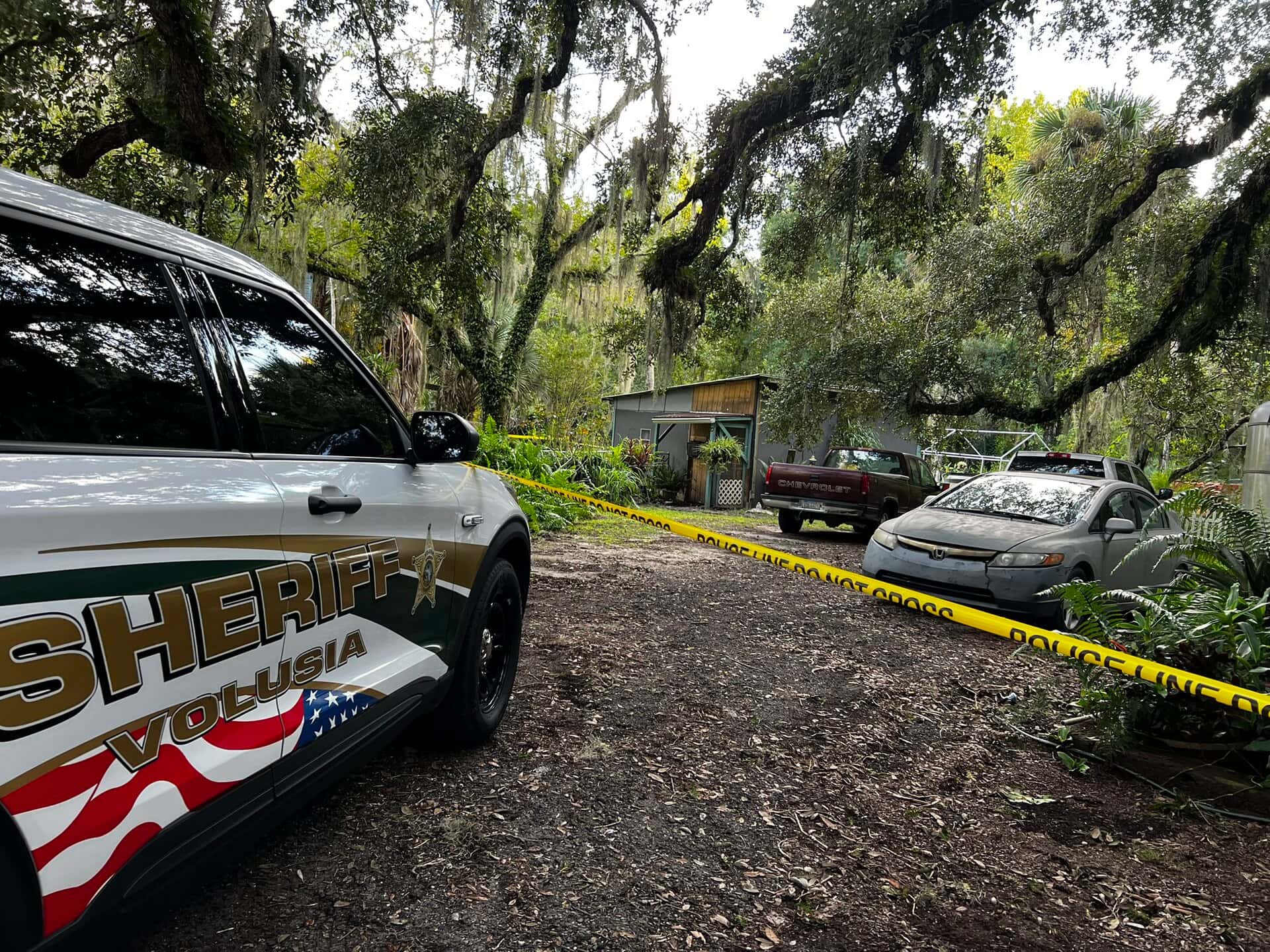
The Volusia County Sheriff's Office says a sprawling, year-long narcotics investigation culminated in dozens of arrests targeting an alleged drug-trafficking organization that authorities say operated in part from a church-owned property in Holly Hill. The takedown, dubbed 'Operation Holy Rollers,' involved multiple agencies and synchronized raids across East Volusia County in the early morning hours of June 30.
According to the Sheriff's Office, the operation stemmed from a long-running investigation into a surge of overdose deaths across several Volusia communities. Investigators allege that a violent local gang used a residential property owned by a local pastor as a heavily armed distribution hub for fentanyl, cocaine, and methamphetamine. As with all cases, the individuals arrested are presumed innocent unless and until convicted in court.
The operation
According to the Sheriff's Office, Operation Holy Rollers concluded early on June 30 with the execution of multiple search warrants across East Volusia County and the apprehension of dozens of suspects and fugitives. Authorities said the operation included the execution of numerous search warrants and more than 50 arrest warrants throughout Holly Hill, Daytona Beach, and Ormond Beach.
The Sheriff's Office reported that, as of its announcement, 45 people had been arrested, with law enforcement continuing to search for roughly a dozen others. The warrants centered on allegations of narcotics trafficking, manufacturing, and possession, according to the agency.
Investigators said the operation yielded significant seizures, including fentanyl, methamphetamine, cocaine, and other drugs, along with drug-manufacturing equipment, firearms, and cash. The scale of the seizures, as described by authorities, reflected what they characterized as a substantial trafficking operation.
The church-property allegations
One of the primary targets, according to the Sheriff's Office, was a property associated with a ministry in Holly Hill, where deputies, SWAT personnel, and other law-enforcement partners served a search warrant early that morning. Authorities alleged that the property, owned by a local pastor, was being used as a hub for the trafficking operation.
The involvement of a church-owned property drew particular attention, and the Sheriff's Office indicated that the location had been linked to drugs connected to several deaths. The pastor whose property was searched has publicly responded to the operation following an arrest connected to the case, and the Sheriff has addressed those responses.
It is important to note that allegations tied to the property remain accusations at this stage. The legal process will determine the facts, and those charged are entitled to the presumption of innocence until proven guilty in court.
The investigation's origins
According to the Sheriff's Office, the investigation began the previous year following a surge in overdose deaths spanning several Volusia County communities, including New Smyrna Beach, Holly Hill, Edgewater, and Orange City. That spike in deaths prompted the long-term narcotics investigation that ultimately led to the operation.
Investigators said they spent roughly a year conducting surveillance and using investigative tools, including a federal wiretap, as part of the complex probe. The extended timeline reflects the methodical nature of large-scale narcotics investigations, which often require months of evidence-gathering before culminating in coordinated action.
Authorities have connected the alleged organization to a violent local gang, which the Sheriff's Office identified in its descriptions of the operation. The gang, according to investigators, was the focus of the synchronized raids that brought the investigation to its public conclusion.
A multi-agency effort
Operation Holy Rollers was a coordinated effort involving numerous agencies, according to the Sheriff's Office. The operation drew on federal, state, and local partners, reflecting the scale and complexity of the investigation and the resources required to execute the raids.
The participating agencies, as described by the Sheriff's Office, included federal partners such as the FBI and Homeland Security Investigations, the Florida Department of Law Enforcement, local police departments, regional narcotics task forces, and multiple SWAT teams drawn from surrounding counties. That breadth of involvement underscored the operation's scope.
Large-scale operations of this kind typically depend on such coordination, pooling personnel and expertise across jurisdictions. The collaboration allowed for the simultaneous execution of warrants across multiple locations, a hallmark of major narcotics takedowns.
The fentanyl context
The investigation's roots in a surge of overdose deaths reflect the broader toll of fentanyl and other potent drugs that have devastated communities across Florida and the nation. Fentanyl, a synthetic opioid far more powerful than heroin, has driven a wave of overdose deaths and remains a central focus of law enforcement.
Volusia County, like many Florida communities, has grappled with the consequences of the opioid crisis, and operations targeting trafficking organizations are part of the response. The alleged connection between the targeted organization and overdose deaths illustrates the human stakes behind such investigations.
Authorities frame operations like this one as efforts to disrupt the supply of dangerous drugs and prevent further deaths. Whether the operation achieves a lasting impact on the local drug trade will depend on the outcomes of the cases and the broader dynamics of the drug market.
What it means for the community
For Volusia County residents, the operation represents a significant law-enforcement action against an alleged trafficking organization linked to overdose deaths in their communities. The Sheriff's Office has framed the takedown as a step toward addressing the drug problems that have affected the area.
The involvement of a church-owned property has added a layer of local significance and controversy, drawing attention to the case and prompting public responses. The legal proceedings ahead will address the allegations surrounding the property and the individuals charged.
The community impact will ultimately depend on the resolution of the cases and whether the operation meaningfully disrupts the local drug trade. For now, the takedown stands as one of the larger recent narcotics operations in the county.
The opioid epidemic in Volusia
The investigation's origins in a surge of overdose deaths place it within the broader context of the opioid epidemic that has devastated communities across Florida and the nation. Volusia County, like many areas, has confronted the deadly toll of fentanyl and other potent drugs, which have driven overdose deaths to alarming levels in recent years.
Fentanyl's potency makes it especially dangerous, as even small amounts can be fatal, and its presence in the drug supply has fueled a wave of deaths that has strained families, first responders, and public-health systems. Operations targeting trafficking organizations are one part of a broader effort to address the crisis and prevent further loss of life.
The human toll behind the statistics gives operations like this one their urgency. Each overdose death represents a life lost and a family affected, and the effort to disrupt the supply of dangerous drugs reflects the seriousness with which authorities and communities regard the epidemic that continues to claim lives across the state.
The role of task forces
The operation's reliance on multi-agency task forces highlights an approach that has become central to combating drug trafficking and organized crime. By pooling resources, personnel, and expertise across federal, state, and local agencies, task forces can tackle investigations too complex or large for any single agency to handle alone.
Such collaboration allows for the coordination required to build cases against trafficking organizations and to execute large-scale operations like the synchronized raids described by the Sheriff's Office. The involvement of federal partners brings additional resources and authorities, while local agencies contribute knowledge of their communities.
The task-force model reflects the reality that drug trafficking and organized crime often cross jurisdictional lines, requiring a coordinated response. Operations of this scale demonstrate both the capabilities and the limitations of that approach, as authorities work to disrupt organizations while confronting the persistent challenges that fuel the drug trade.
The community response
Large law-enforcement operations like this one prompt varied responses within the affected communities, from relief among residents concerned about drug activity to questions raised by those connected to the targeted locations. The involvement of a church-owned property has added complexity to the local reaction.
For residents who have witnessed the toll of drug activity and overdose deaths, an operation targeting an alleged trafficking organization may bring a sense that authorities are addressing the problem. At the same time, the legal process must run its course, and the allegations will be tested in court before any conclusions are reached.
The community's response will continue to evolve as the cases proceed and as the full picture emerges through the judicial process. How the operation ultimately affects the local drug problem, and how the community perceives its impact, will become clearer over time as the aftermath unfolds and the courts weigh the charges.
What's next
With dozens arrested and others still being sought, the cases will now move through the criminal-justice system, where prosecutors will pursue charges and defendants will have the opportunity to contest the allegations. The presumption of innocence applies to all those charged.
Law enforcement continues to search for the remaining suspects, and additional developments may emerge as the investigation's aftermath unfolds. The judicial process will determine the outcomes of the individual cases over the coming months.
For now, Operation Holy Rollers stands as a major law-enforcement action in Volusia County, born of a year-long investigation into overdose deaths and culminating in a coordinated, multi-agency takedown. The courts will decide the ultimate accountability of those charged.
Spotted an issue with this article?
Have something to say about this story?
Write a letter to the editorComments
No comments yet. Be the first to weigh in.
Related Coverage

Jury Selection Begins in Manslaughter Trial of Ex-Okaloosa Deputy in Death of Airman Roger Fortson
1d ago

Florida Set to Execute Curtis Beasley, 77, Tonight for 1995 Polk County Hammer Killing
1d ago

Pompano Beach Man Charged With Two Counts of First-Degree Murder in Deerfield Beach Shootings
2d ago
Pinellas Judge Convicts Plastic Surgeon of First-Degree Murder in Attorney's Killing as Death Penalty Phase Nears
2d ago