World Cup Comes to Miami Gardens: Brazil Meets Scotland in a Group C Showdown at Hard Rock Stadium
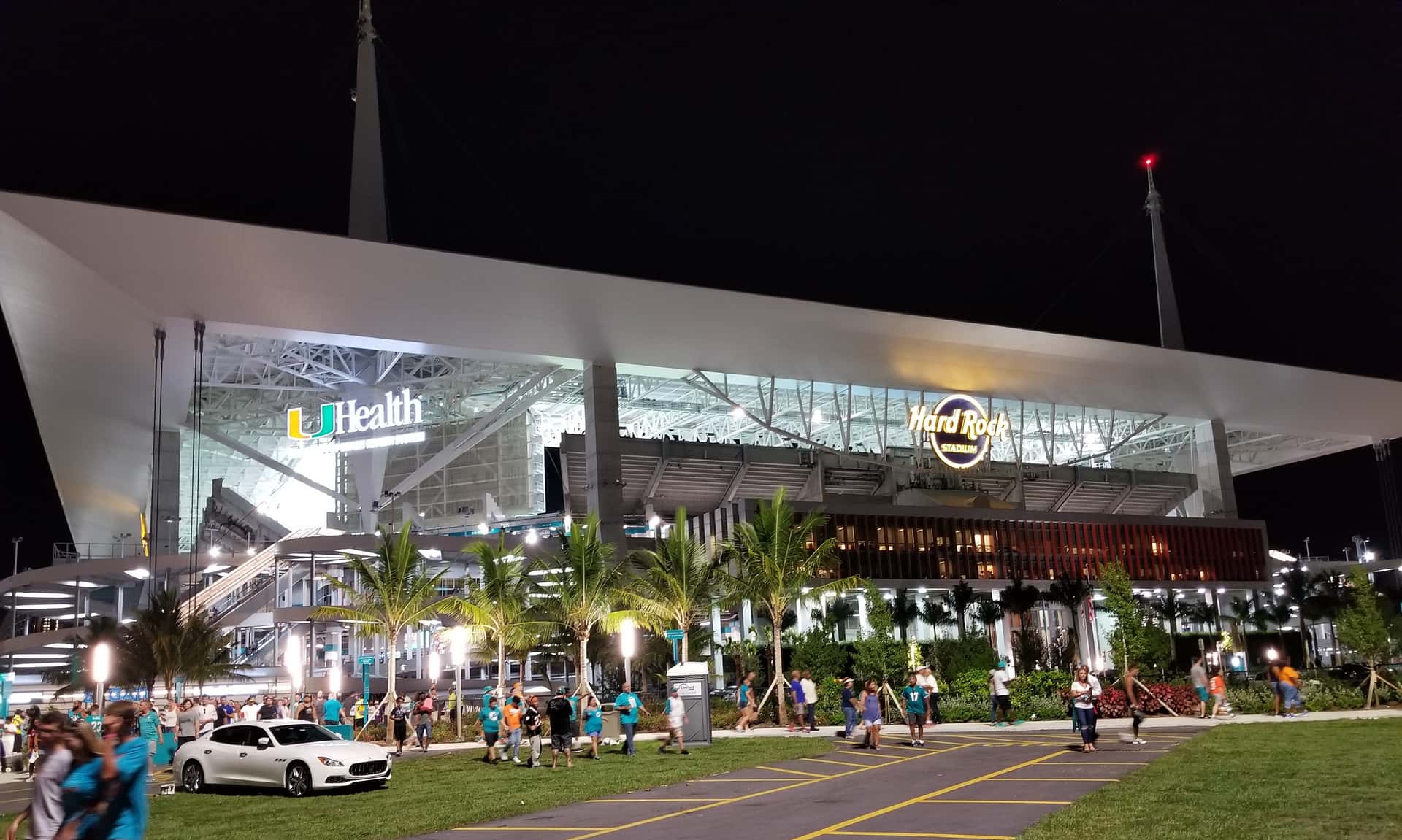
The 2026 FIFA World Cup arrives in Miami Gardens on Wednesday, June 24, when Brazil meets Scotland at Hard Rock Stadium in a Group C fixture set to kick off at 6:00 p.m. ET. Listed as Match 49 of the expanded tournament, the game pairs one of the sport's most decorated nations against a Scottish side eager to prove itself on the biggest stage, and it does so in front of a South Florida crowd that has waited years for World Cup soccer to land at its doorstep. For the region, the match is both a sporting event and a marquee moment in a summer of international attention.
This is the kind of fixture that defines a host city. Brazil carries a global following and a reputation built across generations, while Scotland brings a passionate traveling support and the underdog's hope of an upset. Set inside a renovated stadium that has staged Super Bowls and major club competitions, the meeting gives Miami Gardens a chance to show a worldwide audience what it can do as a center of big-event hosting. The result on the field will matter for the group standings, but the spectacle around it is the larger story for the area.
The 2026 World Cup is the largest in the tournament's history, a 48-team, 104-game event spread across host sites, and Hard Rock Stadium is one of the venues carrying that load. Wednesday's match is part of a packed local schedule that puts South Florida at the heart of the competition for weeks.
A Group C Test for Brazil and Scotland
Brazil enters the Miami Gardens match under the management of Carlo Ancelotti, one of the most accomplished coaches in the modern game, and with the expectations that always accompany the national team. The side made a slow start in its opener against Morocco before showing sharper form against Haiti, a performance in which Brazil scored three goals before halftime. That improvement will give supporters reason for optimism as the team looks to build momentum through the group stage.
Scotland, for its part, approaches the fixture as the kind of challenge that can define a campaign. Facing a nation of Brazil's stature in front of a large international audience is a daunting assignment, but it is also an opportunity for a Scottish team to test itself and to give its traveling fans a day to remember. The contrast in pedigree is exactly what makes the matchup compelling for neutrals filling the stands.
Group C standings hinge on results like this one, and both teams understand the stakes within the tournament's structure. A strong showing in Miami Gardens can shape seeding and qualification scenarios, raising the competitive temperature of a match that already carries plenty of atmosphere. For Brazil, the goal is to keep the progress visible against Haiti moving in the right direction. For Scotland, the aim is to seize a chance that does not come often.
Beyond the tactics and the table, the game offers a showcase of styles and personalities that draws casual viewers as much as dedicated fans, and the presence of a side with Brazil's worldwide appeal guarantees that the eyes on Hard Rock Stadium will reach far beyond South Florida.
Hard Rock Stadium Steps Into the Spotlight
Hard Rock Stadium is hosting seven World Cup matches during the tournament, a slate that runs from the group stage all the way through the third-place, or bronze, match scheduled for July 18. That is a substantial commitment for any venue, and it places the Miami Gardens facility among the busiest sites of the competition. The stadium operates at roughly 65,000 capacity for the World Cup, a configuration tailored to the demands of the global event.
The building has been prepared for this moment through a renovation reported at roughly $550 million, an investment that has helped make it one of the region's premier event spaces. Its track record speaks to the scale it can handle: the stadium has previously hosted the Club World Cup, Copa America, and six Super Bowls, experiences that have built institutional knowledge for moving large crowds and staging high-profile competition.
That history is part of why the World Cup's organizers leaned on the venue for a long run of matches. Hosting seven games, including a place in the tournament's closing stretch, requires a site that can sustain operations over weeks rather than a single afternoon. The bronze match assignment in particular signals the stadium's standing within the event, since late-tournament fixtures carry heightened logistical and security demands.
For Miami Gardens, the stadium's central role translates into repeated waves of visitors, media, and global attention across the summer. Each match brings its own crowd and its own moment in the spotlight, and the cumulative effect is to keep the city in the conversation for as long as the tournament runs in South Florida.
A Summer of Matches in South Florida
Wednesday's Brazil and Scotland fixture is one entry on a crowded local calendar. The Miami area's group-stage slate has already included Saudi Arabia against Uruguay on June 15 in Group H and Uruguay against Cape Verde on June 21, also in Group H. Still to come in the group phase is Portugal against Colombia on June 27 in Group K, a fixture certain to draw its own large and energetic following.
The schedule does not end with the group stage. Miami is set to host Round of 32 and quarterfinal matches later in the tournament, meaning the region's role grows as the competition advances toward its decisive rounds. That progression keeps the area engaged through multiple phases of the event, from the wide-open opening matches to the high-pressure knockout games where a single result ends a team's run.
For local soccer fans, the breadth of the schedule is a rare gift. Few host cities get to sample such a range of nations and styles in a single summer, and the lineup passing through Hard Rock Stadium reads like a tour of the global game. The clustering of matches also concentrates the tournament's energy in South Florida for an extended stretch, turning the World Cup into a recurring presence rather than a one-off spectacle, with fan activity and visitor traffic building around each fixture on the calendar.
South Florida's Brazilian and Latin American Communities
Few places in the United States are better positioned to host a Brazil match than South Florida, home to large and deeply rooted Brazilian and Latin American communities. For many residents, a national team appearing at Hard Rock Stadium is not a distant event but a connection to heritage and to family histories that span the Americas. That sense of belonging gives the Brazil and Scotland fixture a local resonance that goes beyond sport.
The region's diversity helps explain why the World Cup feels so natural in Miami Gardens. Soccer is woven into the cultural fabric of the area's communities, and a tournament featuring nations from across the globe speaks directly to a population with ties throughout Latin America and beyond. The presence of Brazil in particular is likely to draw supporters who see the team as a piece of their own identity.
That community backdrop shapes the atmosphere inside and outside the stadium. National pride, family gatherings, and neighborhood celebrations all become part of the World Cup experience in South Florida, layering local meaning onto a global event. For visitors traveling to follow their teams, the warmth and familiarity of those communities can make the region feel like a fitting home for the competition.
The connection runs both ways. Just as the communities embrace the tournament, the World Cup offers a stage for South Florida to display its multicultural character to a worldwide audience. The match between Brazil and Scotland becomes an opportunity to show how the region's many backgrounds come together around the shared language of soccer.
An Economic and Tourism Boost
Hosting a long run of World Cup matches carries clear economic stakes for the Miami area. Major international events draw visitors who fill hotels, dine in restaurants, and spend across the local economy, and a tournament that brings repeated crowds to Hard Rock Stadium spreads that activity over weeks. The Brazil and Scotland fixture is one of several occasions expected to pull fans into the region this summer.
The appeal of a marquee host city extends beyond the days of the matches themselves. Global broadcasts place South Florida in front of enormous audiences, offering exposure that tourism boosters covet. The chance to showcase the region's stadiums, neighborhoods, and culture to viewers around the world is the kind of promotional value that is difficult to buy outright.
That visibility can have a lasting effect. Visitors who experience the area during the World Cup may return, and the association between South Florida and a successful global event can strengthen the region's reputation as a destination for both tourism and future competitions. The economic dimension also ties back to the stadium's broader role: with seven matches scheduled at Hard Rock Stadium across the tournament, the venue functions as an engine of repeated visitor activity, each game generating its own surge of spending and attention.
Getting to the Match: Tickets, Access, and Fan Context
Attending a World Cup match in 2026 means navigating a fully digital ticketing system. Tickets are 100% digital and managed through the official FWC2026 mobile app, a setup that requires fans to prepare in advance rather than rely on paper passes at the gate. Pricing has varied by demand and category, with tickets starting as low as $60 for some group-stage supporter tiers, putting at least some seats within reach of local fans hoping to be part of the occasion.
The shift to app-based tickets reflects the broader operational scale of the tournament. Moving tens of thousands of spectators through Hard Rock Stadium for each of its seven matches demands careful coordination, and digital access is one piece of a larger plan to manage crowds efficiently. Fans heading to Miami Gardens are advised to sort out their digital credentials early to avoid complications on match day.
Traffic and access are perennial considerations for any large event at the stadium, and a World Cup fixture with international visitors adds to the usual demands. The concentration of fans arriving for a 6:00 p.m. kickoff places pressure on roads and transit around Miami Gardens, making advance planning a practical necessity for anyone attending. Fan-zone activity and gatherings around the region further shape the day for both ticket holders and those following along from elsewhere.
For supporters without tickets, the tournament still offers ways to take part. The energy surrounding a Brazil match radiates across South Florida through watch gatherings and community celebrations, allowing the wider population to share in the spectacle. The combination of a packed stadium and a buzzing region is what gives a host-city World Cup match its distinctive feel.
What's Next
After Wednesday's meeting with Scotland, attention turns to the next entry on the local schedule, with Portugal facing Colombia at Hard Rock Stadium on June 27 to close out the area's group-stage slate. That fixture promises another high-profile draw, keeping the region's World Cup momentum rolling into the tournament's later phases.
The calendar then advances toward the knockout rounds, with Miami set to host Round of 32 and quarterfinal matches as the field narrows. Those games carry rising stakes, and the prospect of decisive knockout soccer in Miami Gardens gives local fans something to anticipate well beyond the opening weeks. The run continues through the third-place match on July 18, the last of the venue's seven assignments.
For Brazil and Scotland, the result in Match 49 feeds into the broader Group C picture and the path toward the last 32. For Miami Gardens, the match is one chapter in a summer that has placed South Florida firmly on the World Cup map, a marker of how fully the global game has embraced the area as a stage for its biggest tournament.
Spotted an issue with this article?
Have something to say about this story?
Write a letter to the editor