World Cup Soccer Takes Over Miami: A Look at the Matches Coming to Hard Rock Stadium
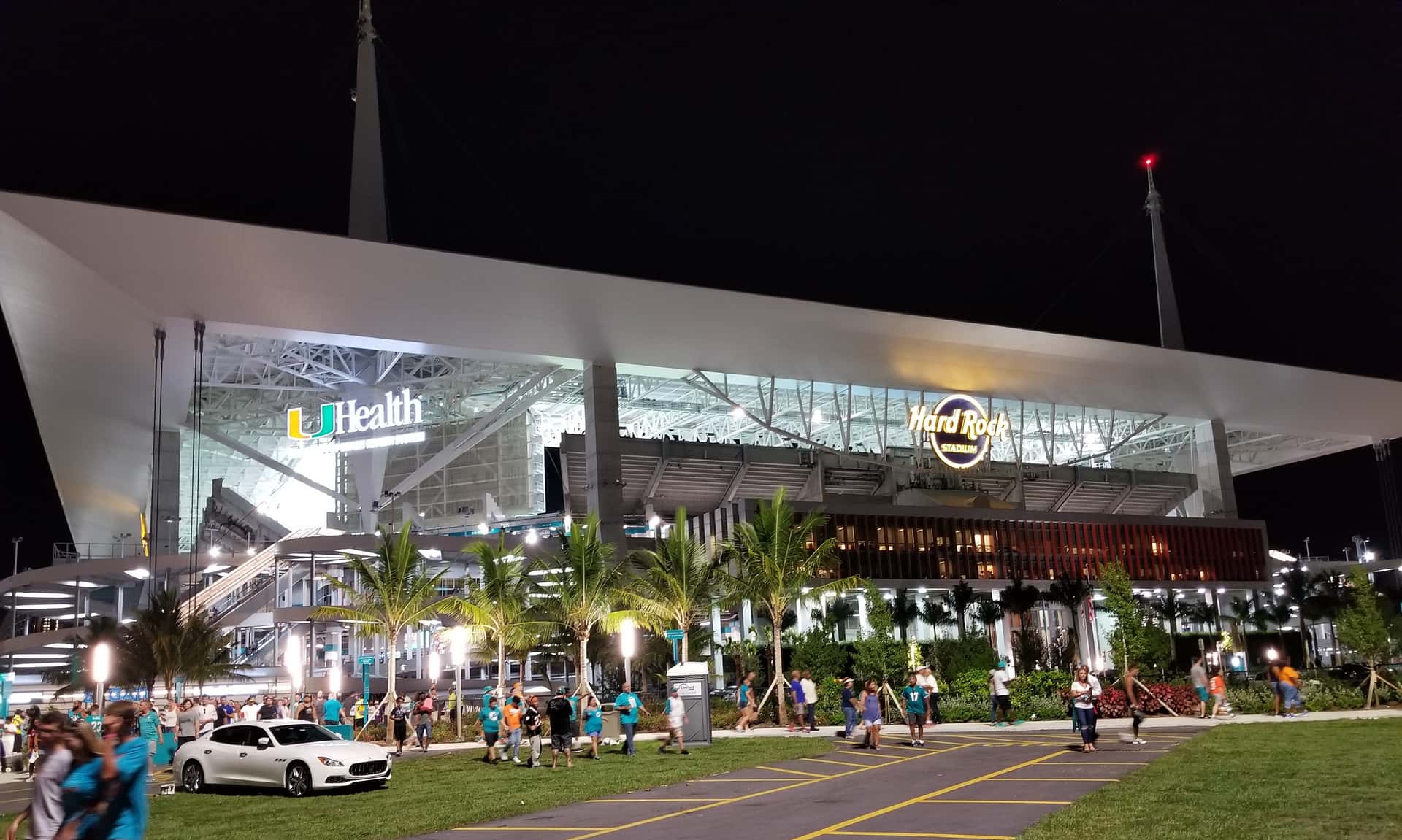
The biggest tournament in world soccer has come to Miami, with Hard Rock Stadium hosting a marquee slate of 2026 FIFA World Cup matches that has turned South Florida into a global soccer destination. The venue, branded as Miami Stadium during the tournament under FIFA's commercial rules, is set to host seven matches ranging from group-stage clashes to a quarterfinal and the bronze-medal final.
The schedule has brought a steady stream of national teams and their passionate supporters to the region, with fixtures featuring established powers and ambitious underdogs alike. For local soccer fans, the chance to watch World Cup matches in person, featuring some of the planet's best players, is a rare and electrifying opportunity. The tournament reaches each corner of the globe only once every four years, and the number of host cities is limited, making Miami's place on the schedule a distinction that may not return to South Florida for a generation.
Miami's selection as a host city reflects both the stadium's capacity to stage major events and the region's deep, diverse soccer culture. With a large international population and a longstanding passion for the sport, South Florida has embraced its turn at the center of the football world. The 2026 edition, shared across North America, has spread its matches over many cities, and Miami's inclusion among them placed the region in a select group of communities entrusted with hosting the planet's most-watched sporting event.
The matches in Miami
The Miami venue's group-stage slate has featured a varied lineup of national teams, drawing supporters from multiple continents to South Florida. Each match brings a distinct flavor, from traditional powers chasing the trophy to teams reveling in the global spotlight of the World Cup. The group stage, in which teams are sorted into pools and play to advance, offers a parade of contrasting national styles, and Miami's fixtures have showcased that variety for fans in the stands.
Among the fixtures, Hard Rock Stadium is hosting matchups that pit contrasting styles and storylines against one another, including games involving South American and European sides whose fans travel in large numbers. The atmosphere inside and around the stadium on match days reflects the international stakes of the tournament. Supporters from soccer-mad nations are known for transforming neutral venues into something approaching a home crowd, filling concourses with songs, flags, and the colors of their countries hours before kickoff.
Beyond the group stage, Miami's schedule includes knockout-round action, a quarterfinal, and the bronze-medal final, ensuring the region remains a focal point deep into the tournament. Those later matches carry heightened drama, as elimination looms and the field narrows toward the championship. The bronze-medal final, contested between the two teams that fall short in the semifinals, is itself a meaningful occasion, sending one nation home with a podium finish at the sport's pinnacle event and giving Miami a stage in the tournament's closing days.
The Florida and Miami angle
South Florida is fertile ground for the World Cup, home to communities with ties to many of the nations competing. That diversity translates into authentic, vibrant support, with fans turning matches into celebrations of national pride and heritage in a region where soccer is woven into daily life. In neighborhoods across the area, allegiances to clubs and countries abroad run deep, and the arrival of those nations' teams has given residents a chance to support them on home soil rather than from afar.
Miami also has a growing soccer pedigree on the club side, anchored by Inter Miami CF and the global attention the team has drawn. The presence of world-class soccer in the market has helped build infrastructure, interest, and a fan base primed for an event of the World Cup's magnitude. The club's rise has accelerated soccer's visibility in a market long dominated by other sports, broadening the audience and laying groundwork that the World Cup now builds upon.
Hard Rock Stadium, which regularly hosts major events including NFL games and the Miami Open tennis tournament, brings experience in staging large-scale spectacles. That track record was part of the case for Miami as a World Cup host, and the venue is now showcasing its ability to handle the world's biggest sporting event. Hosting a steady calendar of high-profile events has given the stadium and surrounding region practice in the crowd management, transportation, and security coordination that a tournament of this scale demands.
Global stars on display
The World Cup gathers the sport's elite talent, and matches in Miami have offered local fans the chance to see internationally renowned players compete on the biggest stage. The tournament is where reputations are cemented and where new stars emerge in front of a worldwide audience. For many of the world's best, the World Cup is the defining stage of a career, the place where legacies are made and where a single performance can echo for years.
For young fans and aspiring players in Florida, watching that level of talent in person can be inspiring, connecting them directly to the global game. The exposure to elite soccer can fuel interest in the sport at the youth and amateur levels across the region. Seeing world-class players in the flesh, rather than on a screen, can leave a lasting impression on the next generation of athletes and supporters, the kind of spark that strengthens a sport's roots in a community.
The competition's intensity is unmatched, with national pride on the line and the eyes of billions watching worldwide. That pressure produces memorable moments, and hosting them in Miami places the region at the heart of soccer history being written in real time. The World Cup routinely draws one of the largest cumulative television audiences of any event on Earth, and being one of the cities where that drama unfolds gives Miami a moment in a truly global spotlight.
The fan experience
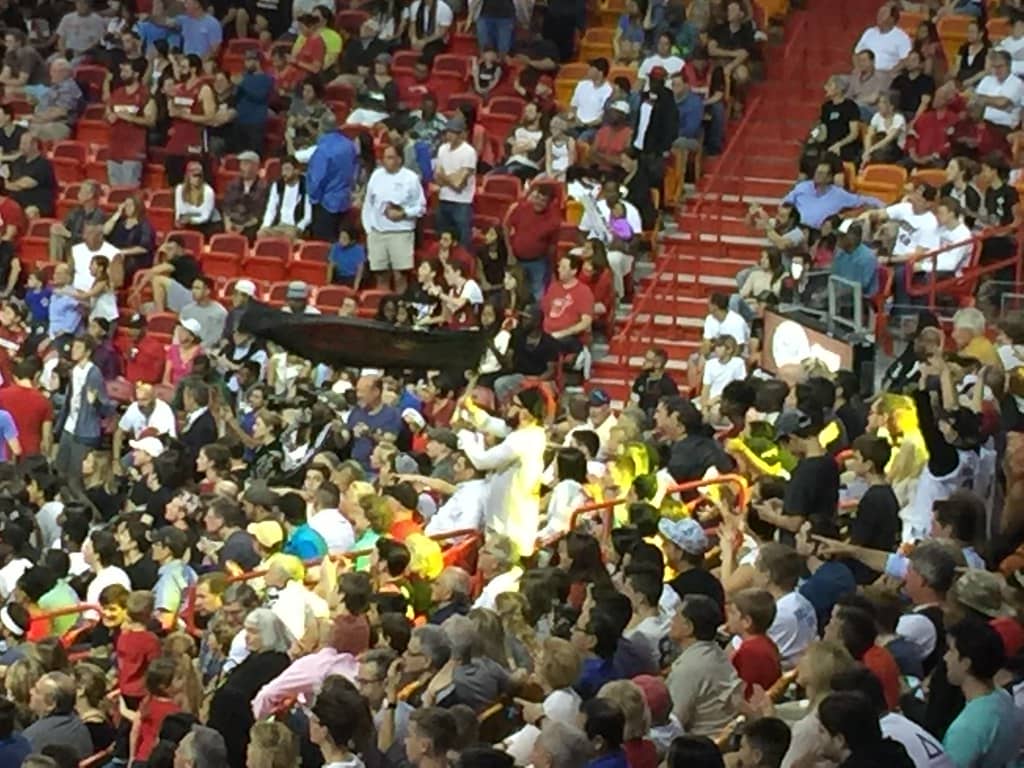
For fans attending matches, the World Cup offers an experience unlike any other, blending world-class competition with the festive atmosphere of international supporters. The pageantry, chanting, and color that accompany national teams create a spectacle that extends well beyond the 90 minutes of play. The traditions that traveling supporters bring, from coordinated chants to elaborate displays, turn each match into a cultural event as much as a sporting one.
Match days bring large crowds to the stadium and surrounding areas, and fans are encouraged to plan ahead for transportation, security screening, and the logistics of attending a major event. Patience and preparation help ensure a smooth experience amid the crowds. Arriving early, reviewing the venue's policies on permitted items, and identifying transportation options in advance can ease the experience of navigating a sold-out stadium and the heavy traffic that accompanies events of this scale.
Even for those without tickets, the tournament transforms the region into a hub of soccer celebration, with watch parties and gatherings bringing communities together. The shared experience of the World Cup extends across South Florida, uniting fans around the global game. Public viewing areas, restaurants, and neighborhood gatherings give those outside the stadium a way to share in the excitement, extending the tournament's reach well beyond the seats inside the venue.
A boost for the region
Hosting World Cup matches places Miami on the international stage and brings an influx of visitors and attention to the region. The tournament showcases South Florida to a worldwide audience, reinforcing its image as a premier destination for major events and tourism. The sustained global broadcast attention that accompanies the World Cup amounts to a showcase that money alone cannot easily buy, putting the region's beaches, skyline, and character in front of viewers around the world.
The economic and promotional benefits of hosting are significant, though they come with the logistical demands of managing large crowds and ensuring security. The region's ability to deliver a successful tournament strengthens its standing as a host for future marquee events. Hotels, restaurants, and local businesses stand to benefit from the visitors the matches draw, even as public agencies shoulder the considerable work of keeping a tournament of this size running smoothly and safely.
For the local soccer community, the World Cup is also a milestone, validating the sport's growth in a market that has invested heavily in it. The energy generated by the tournament could leave a lasting imprint on soccer's popularity across Florida. Major tournaments have historically helped lift interest in the sport in their host countries, and South Florida's organizers and fans alike hope the 2026 edition leaves behind a stronger, more visible soccer culture once the matches are done.
What hosting requires behind the scenes
Bringing the World Cup to Miami involves far more than opening the stadium gates on match day. Coordinating across local governments, law enforcement, transportation agencies, and tournament organizers requires months of planning to manage the movement of tens of thousands of fans, accredited media, and visiting delegations. The stadium itself must meet exacting requirements for the playing surface, broadcast facilities, and security, often prompting upgrades and temporary modifications to satisfy the standards of a global event.
That preparation extends into the surrounding region, where authorities plan for traffic flow, public transit, and contingency scenarios on match days. South Florida's summer weather, with its heat and frequent afternoon storms, adds another consideration for organizers and attendees alike, shaping decisions from scheduling to fan comfort. The visible spectacle on the field rests on this largely unseen groundwork, and a smoothly run tournament is itself a testament to the region's capacity to host events at the highest level.
What's next
As the tournament advances, Miami's role grows in significance, building toward the knockout matches, a quarterfinal, and the bronze-medal final on its schedule. Each round raises the stakes and keeps the region engaged in the drama of the world's biggest tournament. The shift from group play to single-elimination knockout matches sharpens the tension, as every fixture carries the weight of advancement or elimination.
Fans will follow not only the matches in Miami but the broader tournament, tracking the teams and storylines that captivate global audiences. The World Cup's reach ensures that even neutral observers are drawn into the competition's twists and turns. Upsets, breakout performances, and the march of the favorites all become shared talking points, and Miami's fixtures sit within that larger narrative unfolding across the host nations.
For South Florida, the tournament is a celebration of soccer and a showcase of the region's vibrant, international character. Long after the final whistle, the experience of hosting the World Cup will be remembered as a defining moment for the area's growing soccer culture. The memories made over these weeks, for fans in the stands and communities gathered to watch, are likely to endure as a marker of the moment the world's game came to Miami.
Spotted an issue with this article?
Have something to say about this story?
Write a letter to the editor