Colorado State Lowers 2026 Hurricane Forecast as El Nino Takes Shape, but Florida Isn't Off the Hook
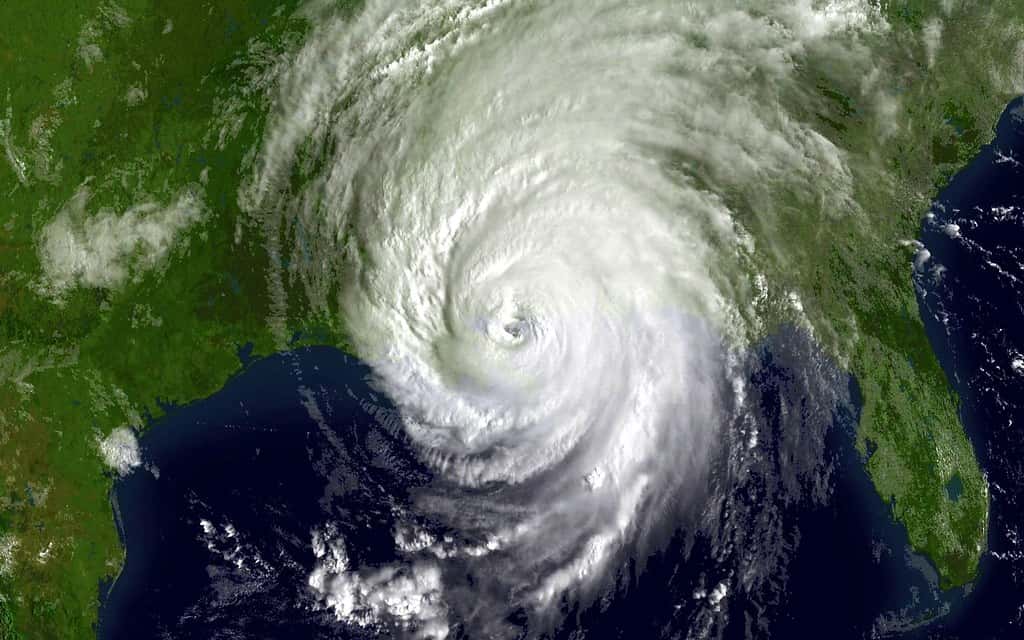
Colorado State University's tropical-weather team lowered its 2026 Atlantic hurricane season forecast on June 10, 2026, projecting 11 named storms, 5 hurricanes, and 2 major hurricanes. The revised outlook marks a reduction from the team's April forecast of 13 named storms, 6 hurricanes, and 2 major hurricanes, reflecting growing confidence that El Nino conditions will suppress activity during the season's peak.
The downward revision rests on the increasing likelihood of a moderate-to-strong El Nino developing during the heart of the season. El Nino tends to increase wind shear across the Atlantic, and that shear disrupts the formation and intensification of tropical systems, dampening the activity that drives an active season.
Forecasters were emphatic, however, that a lower seasonal forecast does not mean Florida is safe. It takes only one landfall to produce a devastating season for any given community, and residents across the state are urged to prepare regardless of how many storms the broader Atlantic ultimately produces.
The Revised Numbers
The updated Colorado State forecast calls for 11 named storms, 5 hurricanes, and 2 major hurricanes over the course of the 2026 Atlantic season. Those figures represent a step down from the April projection of 13 named storms, 6 hurricanes, and 2 major hurricanes, with the team trimming its expectations for both named storms and hurricanes while holding the major-hurricane count steady.
A named storm is one that reaches tropical-storm strength, earning a place on the season's list of names. Hurricanes are storms that intensify further to hurricane strength, and major hurricanes are the most powerful systems, the storms that carry the greatest potential for catastrophic damage when they strike populated coasts.
The reduction across two of the three categories reflects the forecasters' read that conditions during the season's peak will be less conducive to tropical development than they appeared in April. As the season approached, the signals pointing toward a suppressing influence strengthened, prompting the revision.
While the numbers came down, the forecast still anticipates a season with multiple hurricanes, including two major ones. That underscores a key point: a lowered forecast describes a less active season relative to expectations, not an absence of dangerous storms.
El Nino's Role
At the center of the revised forecast is El Nino, the climate pattern characterized by warmer-than-average waters in the equatorial Pacific. The Colorado State team cited growing confidence in a moderate-to-strong El Nino developing during the season's peak as the primary driver of its decision to lower the numbers.
The mechanism by which El Nino suppresses Atlantic hurricanes runs through wind shear. El Nino tends to increase wind shear over the Atlantic, and that shear, a change in wind speed or direction with height, tears at developing storms, making it harder for them to organize and intensify. A sheared environment is hostile to the kind of vertical structure that hurricanes require to strengthen.
The confidence in El Nino's emergence is substantial. NOAA gives a 98% probability of El Nino conditions during the August-to-October peak of the season, the stretch when Atlantic activity historically reaches its height. That high probability lends weight to the forecast for a suppressed season, since the peak months are when the bulk of storm activity typically occurs.
Adding nuance, NOAA puts the chance of a strong El Nino at 40%. A stronger El Nino would tend to exert a greater suppressing effect through more pronounced wind shear, while a more moderate event would suppress activity to a lesser degree. The range of possible El Nino strength contributes to the uncertainty that surrounds any seasonal forecast.
What ACE Tells Us
Beyond storm counts, the Colorado State forecast incorporates Accumulated Cyclone Energy, a measure that captures the combined intensity and duration of a season's storms rather than simply how many form. For 2026, the team forecasts an Accumulated Cyclone Energy of 70, down from its April projection of 90.
That figure of 70 sits well below the long-period average of about 123, indicating a season expected to be considerably less energetic than a typical year. Accumulated Cyclone Energy provides a fuller picture of a season's character than storm counts alone, because it accounts for how strong storms become and how long they persist.
The reduction from 90 in April to 70 in the June forecast mirrors the broader downward revision and reflects the same expectation that El Nino-driven wind shear will limit the strength and longevity of the season's storms. A lower energy total suggests fewer long-lived, powerful systems traversing the Atlantic.
Still, a below-average energy forecast describes the season in aggregate, not the fate of any individual community. A single intense, well-placed storm can produce enormous damage even in a season with low overall energy, a reminder that the headline metrics do not capture the localized reality of a landfall.
Landfall Probabilities for Florida
Colorado State's forecast includes estimates of the probability that a major hurricane will make landfall, figures that translate the broad seasonal outlook into terms more directly relevant to coastal residents. For 2026, the team put the probability of at least one major hurricane landfall on the continental U.S. coastline at 24%.
For the East Coast, including peninsular Florida, the forecast assigns an 11% probability of a major hurricane landfall. For the Gulf Coast stretching from the Florida Panhandle to Brownsville, Texas, the probability is 14%. Both figures reflect the reduced overall activity expected this season, but they remain meaningful for a state as exposed as Florida.
Florida's geography places it uniquely at risk, with both its Atlantic-facing East Coast and its Gulf-facing west and Panhandle coasts vulnerable to storms. The separate probabilities for the East Coast and the Gulf Coast capture the dual exposure that makes Florida a focal point of hurricane concern in nearly every season.
These landfall probabilities, while lower than they would be in a more active year, are far from negligible. They quantify a real risk that a major hurricane could strike Florida in 2026, reinforcing the forecasters' insistence that a quieter season does not equate to safety for the state.
Why a Lower Forecast Isn't Safety
The most important caveat accompanying the revised forecast is that a lower projection does not mean Florida is safe. The forecasters stress that it takes only one landfall to make a season catastrophic for the community that bears the brunt of a storm, regardless of how quiet the broader Atlantic proves to be.
History offers ample evidence for this warning. Seasons with few storms have still produced devastating individual hurricanes, and a single major landfall can cause loss of life and billions in damage. For the residents in a storm's path, the seasonal storm count is irrelevant; what matters is the one storm that reaches them.
This is why forecasters pair every seasonal outlook with a call to preparedness. The numbers describe probabilities across the entire basin, not guarantees about any location. A household in Florida faces the same imperative to prepare whether the season is forecast to be active or quiet, because the possibility of a damaging landfall is never eliminated.
The message is consistent year after year: prepare as though a storm will come, because for some community, one will. The lowered 2026 forecast changes the odds at the basin scale but does nothing to remove the obligation for Florida residents to ready themselves.
What Preparedness Means for Florida
For Florida, hurricane preparedness extends across emergency planning, the property-insurance market, and evacuation logistics. The season runs from June 1 to November 30, a span of six months during which residents are advised to maintain readiness rather than reacting only when a storm appears on the horizon.
Emergency preparedness includes the familiar steps that officials urge each year: assembling supplies, knowing evacuation routes, and having a plan for family, pets, and property. The breadth of Florida's exposure, with vulnerable coastlines on multiple sides, makes these preparations relevant to residents across the state, not only those in any single region.
The property-insurance market adds another dimension to Florida's relationship with hurricane season. The state's insurance landscape, long strained by hurricane risk, is sensitive to the season's outcome, and a damaging storm can reverberate through premiums and coverage availability. Preparedness in this context includes understanding one's coverage before a storm threatens.
Evacuation planning rounds out the preparedness picture. For residents in flood-prone or storm-surge-vulnerable areas, knowing when and how to leave can be a matter of survival. Florida's experience with past storms has reinforced the value of early, orderly evacuation, and officials encourage residents to plan their routes and decisions in advance of any threat.
What's Next
With the season already underway, attention turns to whether the anticipated El Nino materializes as forecasters expect and to how the Atlantic behaves through the August-to-October peak. The 98% probability NOAA assigns to El Nino conditions during that stretch lends confidence to the outlook for a suppressed season, but the climate system retains the capacity to surprise.
Forecasting teams will continue to update their projections as the season progresses and as the strength of El Nino becomes clearer. The 40% chance of a strong El Nino leaves room for a range of outcomes, and the difference between a moderate and a strong event could shape how thoroughly the season's activity is suppressed.
For Florida, the practical path forward is unchanged by the lowered forecast. Residents are urged to treat the season with the same seriousness they would in any year, maintaining preparations through November 30 and heeding the warning that a single landfall can define a season.
The revised Colorado State forecast offers a measure of statistical reassurance, pointing to a less active Atlantic than once expected. But the forecasters' central message endures: the numbers describe the basin, not any one community, and Florida must remain ready for whatever the 2026 season brings.
Spotted an issue with this article?
Have something to say about this story?
Write a letter to the editorComments
No comments yet. Be the first to weigh in.
Related Coverage
Heavy Rain Triggers Flood Advisories Across South Florida
1h ago
Atlantic Hurricane Season Stays Record Quiet Through Its Climatological Peak
5d ago

Hurricane Season Hits Its Peak With an Empty Atlantic and a Strong El Nino
6d ago
Daily Downpours Soak Florida as Flood Advisories Stack Up Across the State
6d ago