DeSantis Expands 2026 Red Snapper Seasons After Federal Approval
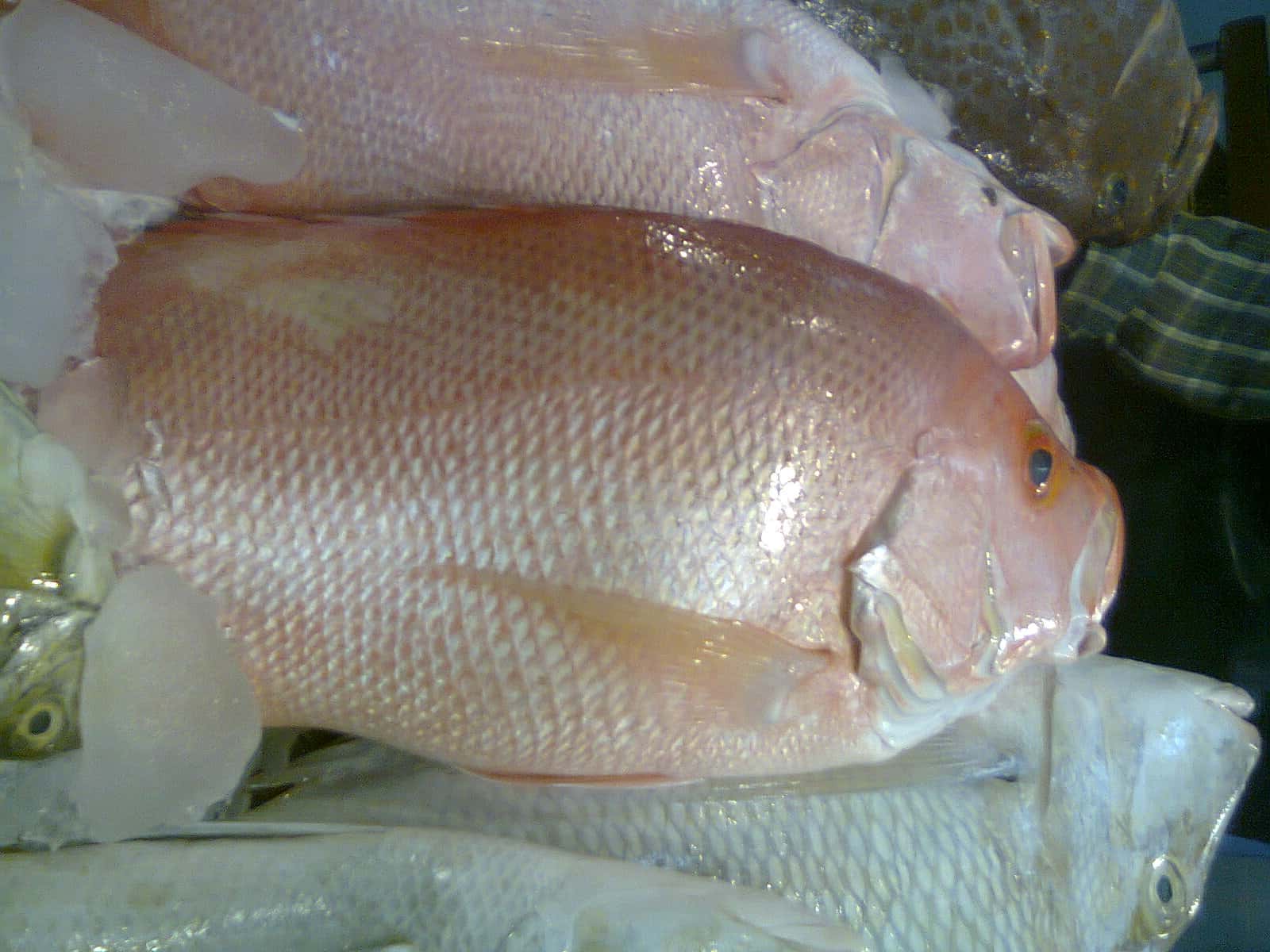
Governor Ron DeSantis announced expanded 2026 red snapper seasons for Florida and applauded federal approval of Atlantic red snapper state management, a move that hands the state greater authority to set its own recreational seasons. The action was coordinated with the Florida Fish and Wildlife Conservation Commission, the agency that oversees the state's fisheries.
The federal approval allows Florida to manage Atlantic red snapper in a way that mirrors the state-management approach already used in the Gulf. For recreational anglers, it promises longer and more flexible access to one of Florida's most prized and economically important catches, a change that has been years in the making.
The decision addresses a long-running source of frustration along Florida's coasts: the tension between short federally set seasons and the abundant red snapper stocks that anglers report seeing in local waters. By shifting more control to the state, the new arrangement aims to better align the rules with conditions on the water.
What State Management Changes
For years, the recreational red snapper season in federal waters off the Atlantic coast has been notably brief, sometimes amounting to just a handful of days. Those short windows are set through the federal fisheries management process, which applies broad regional rules and conservation calculations to determine how long anglers can keep the fish.
State management changes that dynamic. With federal approval in hand, Florida gains the authority to set its own recreational Atlantic red snapper seasons, giving the Fish and Wildlife Conservation Commission the flexibility to design rules suited to Florida's specific stocks and conditions. The result, according to the announcement, is the prospect of longer and more flexible access for anglers.
The Gulf coast has already operated under a state-management model, and that experience provides a template for the Atlantic. Florida has used its Gulf authority to tailor seasons in ways that the federal framework did not always allow, and the Atlantic approval extends a similar capability to the other side of the state.
The shift does not eliminate conservation requirements. State management still operates within limits designed to protect the fishery's long-term health. What changes is who sets the specific season parameters, with Florida taking a larger role in decisions that directly affect its anglers.
The Federal-State Tension
At the heart of the red snapper debate lies a persistent disconnect. Anglers and many state officials have long argued that red snapper are abundant in Florida waters, pointing to the ease with which the fish are caught. Yet the federally set seasons have often been short, reflecting a conservation calculus that anglers felt did not match what they saw firsthand.
That gap between local abundance and restrictive federal rules has fueled frustration for years. Recreational anglers who encountered plentiful red snapper struggled to reconcile that reality with seasons that allowed only brief windows to keep them. The disconnect became a recurring grievance in Florida's fishing communities.
State management is presented as a response to that tension. By giving Florida more say over its own seasons, the new arrangement seeks to bring the rules closer to conditions observed on the water. Supporters argue that the state, with its detailed knowledge of local stocks, is well positioned to strike a workable balance.
The cooperation between federal and state authorities that produced the approval represents a notable development in a relationship that has often been contentious on this issue. Rather than a unilateral state action, the change came through a federal sign-off that delegated greater authority to Florida.
Why Red Snapper Matters
Red snapper is one of Florida's most prized and economically important recreational catches. The fish holds a special place among anglers, valued both for the challenge of catching it and for its quality on the table. That popularity translates into real economic activity along the coasts.
The coastal fishing economy spans both the Gulf and Atlantic sides of Florida. Charter operators, bait and tackle shops, marinas, hotels, and restaurants all benefit from the activity that recreational fishing generates. When anglers have more days on the water pursuing a sought-after species, that spending flows through coastal communities.
Short seasons, by contrast, compress that economic activity into narrow windows. Longer and more flexible access spreads the opportunity across more of the year, potentially smoothing out the demand for charters, lodging, and related services. For businesses that depend on recreational fishing, season length is not an abstraction; it shapes their bottom line.
The economic argument has been a consistent feature of the case for state management. Advocates contend that aligning seasons with abundant stocks supports the coastal economy while still respecting conservation goals, a combination they present as a win for both anglers and the communities that serve them.
The FWC's Role
The Florida Fish and Wildlife Conservation Commission sits at the center of the new arrangement. As the state's fisheries management agency, the FWC will be responsible for setting the recreational Atlantic red snapper seasons that the federal approval now permits Florida to determine.
The commission brings to that task a body of experience from managing Gulf red snapper under state authority. That track record gives the agency a foundation for designing Atlantic seasons, drawing on data, stakeholder input, and the conservation framework that governs the fishery. The Gulf model offers lessons that can inform the Atlantic approach.
Fisheries management involves balancing competing interests: the desire of anglers for more access, the imperative to sustain the fishery for the future, and the economic needs of coastal communities. The FWC's job is to weigh those factors and craft seasons that serve the state's interests while keeping the stock healthy over the long term.
The coordination between the governor's office and the FWC on the announcement signals an alignment between state political leadership and the agency tasked with implementation. That cooperation will be tested as the commission moves to translate the new authority into specific seasons for Florida's anglers.
Gulf and Atlantic, Side by Side
With the Atlantic approval, Florida moves toward a more consistent approach across both of its coasts. The Gulf has operated under state management, and the Atlantic now joins it, giving the state broader authority over red snapper on both sides. That parallel structure could simplify the overall picture for anglers who fish in both regions.
The two coasts are not identical. Their red snapper populations, fishing pressures, and local conditions differ, and the FWC will have to account for those differences when setting seasons. State management does not mean uniform rules so much as the ability to tailor rules to each region's circumstances.
Still, the underlying philosophy is shared. On both coasts, state management rests on the premise that Florida is better positioned than a distant federal process to set seasons matched to local realities. Extending that philosophy to the Atlantic completes a long-sought goal for the state's fisheries managers and the anglers they serve.
The alignment also strengthens Florida's hand in the broader regional and national conversations about how recreational fisheries should be governed. By demonstrating state management on both coasts, Florida positions itself as a model for the approach it has championed.
What Anglers Stand to Gain
For the recreational anglers at the center of this issue, the practical effect of state management comes down to time on the water. A longer season means more days when keeping a red snapper is legal, and more flexibility means seasons can be structured to fit the realities of when conditions and demand align. Both translate directly into opportunity for the people who fish.
Many of those anglers have spent years contending with seasons so short that planning a trip around them was difficult. A handful of open days, sometimes set well in advance, left little room for weather, work schedules, or the unpredictability that fishing involves. Expanded access addresses that frustration by widening the window in which anglers can pursue the species they value most.
The change also carries a symbolic weight for Florida's fishing community. After years of arguing that the rules did not match the abundance they observed, anglers see state management as a validation of their experience. The shift represents a response to a grievance long voiced along both coasts.
How much anglers actually gain will depend on the specific seasons the FWC sets. The federal approval creates the possibility of longer and more flexible access, but the commission's decisions will determine the precise shape of that opportunity in 2026 and beyond.
Conservation in the Balance
Expanded access does not come at the expense of the fishery's long-term health, at least not by design. State management operates within conservation limits intended to keep the red snapper population sustainable, and the FWC's authority to set seasons is paired with the responsibility to protect the stock for future generations.
The conservation question has always been central to the red snapper debate. The short federal seasons that frustrated anglers were rooted in concerns about overfishing and the need to rebuild the stock. State management does not discard those concerns; it relocates the decision-making to a level closer to the fishery, on the premise that Florida can manage its own stocks responsibly.
Supporters of the approach argue that local management can be both more generous to anglers and more attentive to conservation, because state managers have detailed, current knowledge of the stocks in question. The Gulf experience is offered as evidence that the two goals can coexist under state authority.
The coming seasons will provide a real-world test of that proposition. If state management delivers longer access while maintaining a healthy fishery, it strengthens the case for the approach. The results will be watched not only in Florida but by other states weighing similar arrangements.
What's Next
The immediate focus turns to implementation. With federal approval secured, the FWC will work to establish the specific 2026 Atlantic red snapper seasons that the new authority allows. Anglers will be watching closely for the details on season length and timing, the practical measures of what the change means for them.
Coastal businesses, too, will be assessing the impact. Longer and more flexible seasons could translate into additional bookings and sales across the fishing economy, and operators on both coasts will gauge how the new rules affect their operations through the year.
Over the longer term, the success of state management will be measured by whether it delivers the promised access while keeping the red snapper fishery healthy. The arrangement reflects a bet that Florida can balance those goals more effectively than the federal process it replaces. As the 2026 seasons take shape and the results come in, that bet will be put to the test along the Gulf and Atlantic coasts alike.
Spotted an issue with this article?
Have something to say about this story?
Write a letter to the editor