Florida Disaster Agency Projects $1.5 Billion Deficit as Panel Adds $240 Million
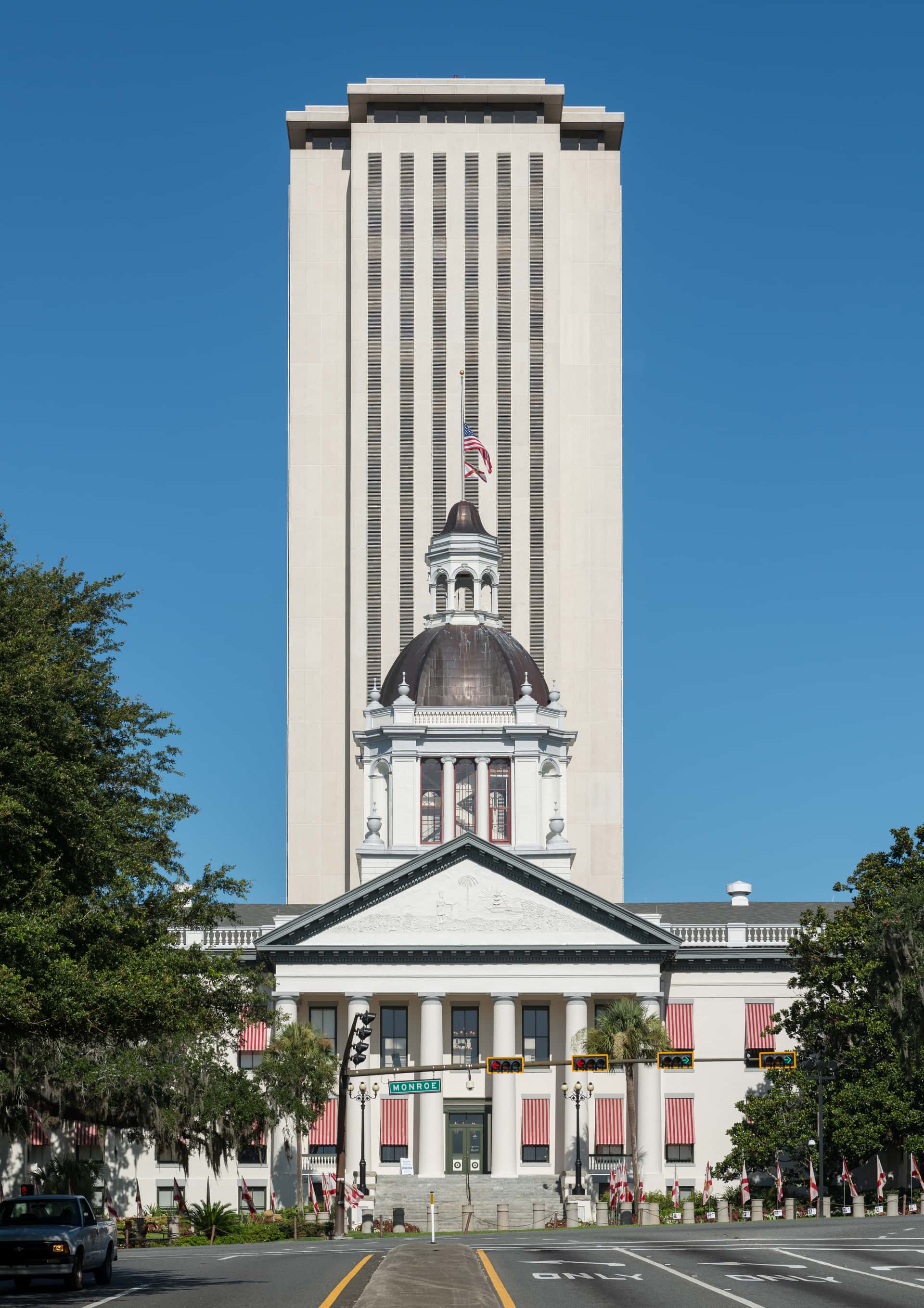
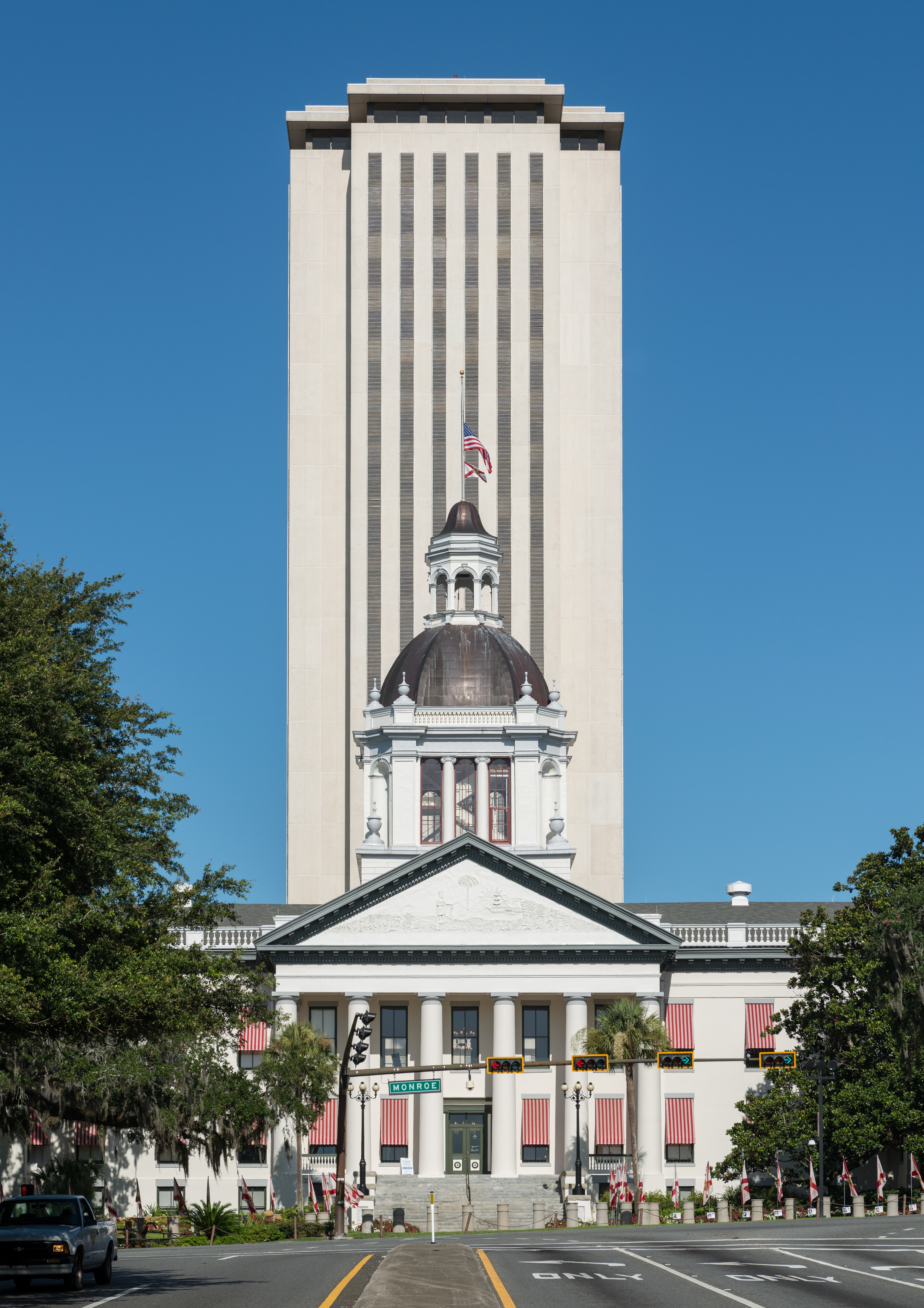
Florida's emergency management agency told state lawmakers it could finish the 2026-2027 budget year with a shortfall of as much as $1.5 billion in the fund the state relies on to respond to hurricanes and other disasters, a projection released on the same Friday that a legislative panel voted to send the agency another $240 million. The timing put an unusually sharp point on a budget question that has been building in Tallahassee for more than a year: how much of the state's disaster reserve has been redirected toward immigration enforcement, and what is left if a major storm makes landfall.
The Legislative Budget Commission, the joint House and Senate panel that reviews spending changes between legislative sessions, approved the transfer on a 7 to 3 party-line vote, according to reporting on the meeting. The money flows into the Emergency Preparedness and Response Fund, the account the Division of Emergency Management draws on when the governor declares a state of emergency. Of the $240 million approved, roughly $187.8 million is earmarked for immigration enforcement contracts that vendors have already performed and billed.
The agency's own report, circulated about an hour before the commission met, laid out a worst-case scenario rather than a baseline forecast. It assumed full federal reimbursement for the state's immigration enforcement spending and an additional $500 million infusion from the Legislature, and still projected a $1.5 billion deficit at the end of the fiscal year if Florida were struck by two natural disasters.
What the commission approved
The Legislative Budget Commission exists precisely for moments like this one. Florida's constitution gives the Legislature the power of appropriation, but the state also needs a mechanism to move money when the Capitol is not in session and a bill has come due. The commission can approve budget amendments, transfers between funds, and releases of contingency money without calling all 160 legislators back to Tallahassee.
In this case the request originated with the Division of Emergency Management, which asked for an additional $250 million to settle overdue invoices. The commission signed off on $240 million. The bulk of it covers work that contractors have already completed, meaning the vote was less a decision about future policy than an acknowledgment that the state had incurred obligations it had not yet funded.
The party-line split reflected a disagreement less about paying vendors than about how Florida arrived at the position of owing them. Republicans on the panel treated the payment as a routine settling of accounts. Democrats questioned whether an account built for hurricane response should be carrying enforcement contracts at all, and whether the Legislature was being asked to ratify decisions it had never voted on in the first place.
The vote does not resolve the underlying arithmetic. Paying $240 million in past-due bills reduces the outstanding invoice pile but does nothing to replenish the disaster reserve itself, which is the number the agency's report flagged.
How the Emergency Preparedness and Response Fund works
The Emergency Preparedness and Response Fund is not a rainy-day fund in the conventional sense. It is a working account that the state uses to front the cost of emergency response, from evacuating nursing homes to contracting debris removal crews to standing up points of distribution for water and ice. Much of that spending is later reimbursed by the Federal Emergency Management Agency under a cost-share formula, but the reimbursement arrives months or years after the check clears.
That lag is the structural reason the fund's balance matters so much. Florida has to be able to spend first and collect later. A depleted fund does not mean the state cannot respond to a storm, since the Legislature can always appropriate more money and the governor has emergency authority. It does mean the state has less cushion, and that a second event in the same season compounds the strain.
The agency's two-disaster assumption is therefore not an alarmist framing. Florida has repeatedly absorbed multiple landfalls in a single season, and the state's emergency managers plan against that possibility as a matter of routine. The $1.5 billion figure describes what the fund looks like if that routine assumption holds and the immigration obligations are also carried on the same ledger.
The immigration enforcement line item
The reason a disaster fund is carrying enforcement contracts traces back to the state of emergency the governor declared over illegal immigration, which gave the Division of Emergency Management authority to contract quickly and outside ordinary procurement timelines. That authority was used to stand up and operate state-run detention facilities, including the site in the Everglades widely known by the nickname Alligator Alcatraz and a second facility in North Florida.
Emergency procurement is fast by design, which is what makes it useful in a hurricane and what makes it expensive in a program that runs for months. Vendors bill at emergency rates. Contracts are signed before appropriations are secured. The result, as of the most recent public accounting, was a substantial backlog of unpaid invoices, including money owed to city and county governments that had provided personnel or facilities.
State officials have consistently framed the spending as a federal responsibility that Florida assumed on Washington's behalf and expects to be repaid for. The Department of Homeland Security approved a grant to cover a large share of the cost, but the state has drawn down only a fraction of it so far. Until that money arrives, the obligations sit on Florida's books.
What it means for Floridians
For most residents the immediate practical effect is none. The state is not going to decline to respond to a hurricane because a fund balance is low, and no county emergency manager is planning on that basis. Evacuation orders, shelter openings, and debris contracts will proceed the way they always have.
The medium-term effect is fiscal. Every dollar the state advances and does not recover is a dollar unavailable for something else, and Florida's budget has other pressures on it, including a property tax question headed to voters and a property insurance market that the state has spent years trying to stabilize. A disaster fund that needs repeated mid-year infusions becomes a standing claim on general revenue.
There is also a local government dimension. Cities and counties that fronted costs on the state's behalf are waiting on reimbursement from an agency that is itself waiting on reimbursement from Washington. Small jurisdictions feel that delay more acutely than large ones, because their own reserves are thinner.
The quiet season is doing Florida a favor
One reason the projection has not already become a crisis is that the 2026 Atlantic hurricane season has been extraordinarily quiet. Forecasters have documented a record-long wait for the basin's first hurricane, with several named storms forming but none reaching hurricane strength as the season passed its climatological peak. A strengthening El Nino pattern in the Pacific has driven wind shear across the Atlantic and suppressed development.
That is a meaningful piece of luck for the state's balance sheet, and emergency managers would be the first to say it should not be mistaken for a plan. The season runs through November 30, and late-season storms that form in the western Caribbean have historically been among the most dangerous for Florida because they develop close to home and leave little warning time.
The agency's report effectively priced in the possibility that the luck runs out. Its worst-case figure is what the fund looks like if the state has to do in October and November what it has not had to do in June through September.
How Florida normally pays for a hurricane
To understand why the projection alarmed budget watchers, it helps to know how disaster financing actually works in Florida, because it is nothing like a household emergency fund. When the governor declares a state of emergency and the president issues a major disaster declaration, the Federal Emergency Management Agency's Public Assistance program covers a share of eligible response and recovery costs, typically 75 percent and sometimes more for catastrophic events.
The state and affected local governments cover the remainder, and Florida has historically absorbed part of the local share to keep small counties from being bankrupted by a single storm. That commitment is generous and it is expensive, and it is one of the reasons the Emergency Preparedness and Response Fund exists in the form it does.
Reimbursement requires documentation at a level that surprises people who have not been through it. Every contract, every invoice, every hour of overtime, every cubic yard of debris has to be recorded in a form FEMA will accept, and disputes over eligibility can run for years after a storm. Florida still has open reimbursement questions from hurricanes that made landfall several seasons ago.
What lawmakers on both sides said the vote means
The 7 to 3 split tells most of the story about how the two caucuses read the request. The majority treated it as a housekeeping matter, arguing that vendors performed work in good faith and are entitled to payment regardless of what anyone thinks about the underlying policy, and that refusing to pay would only expose the state to litigation and damage its standing with contractors it will need during the next storm.
The minority's objection was procedural as much as substantive. Their argument was that the Legislature appropriates money, that a program of this size and duration should have been authorized through the ordinary budget process rather than through emergency powers, and that a commission asked to ratify completed spending has no meaningful choice left to make.
That second point is the durable one, and it is not a partisan observation so much as an institutional one. Emergency authority exists because legislatures move slowly and storms do not. The more it is used for programs that are not storms, the more the ordinary appropriations process becomes advisory.
The local government exposure
The invoice backlog includes money owed to cities and counties that provided personnel, facilities, or logistical support at the state's request. Those jurisdictions fronted the cost from their own general funds and have been waiting to be made whole.
For a large county with substantial reserves, a delayed receivable is an accounting inconvenience. For a small municipality operating on a general fund measured in single-digit millions, several hundred thousand dollars in unreimbursed costs is a budget problem that shows up in deferred maintenance, unfilled positions, or a millage conversation.
County commissions in affected jurisdictions have raised the issue in public meetings, and local budget documents in several counties now carry line items for state receivables that were not there two years ago. That is the quiet local consequence of a state-level financing decision.
What's next
The Legislature returns for its regular session in January, when the disaster fund will have to be addressed in the ordinary budget process rather than through mid-year amendments. Between now and then the key variable is federal reimbursement: how much of the approved homeland security grant Florida actually draws down, and how quickly.
The Legislative Budget Commission can meet again if another request arrives, and given the pace at which invoices have accumulated, another request is plausible before session. Lawmakers on both sides of the vote signaled that they expect to see the agency back before them.
For residents, the practical guidance has not changed. The state's hurricane preparedness recommendations, including a stocked supply kit and a known evacuation zone, apply regardless of what the fund balance looks like in Tallahassee. Floridians can check their evacuation zone through their county emergency management office, and the year-round sales tax exemptions on disaster supplies that replaced the old hurricane tax holidays remain in effect.
Spotted an issue with this article?
Have something to say about this story?
Write a letter to the editor