DeSantis Signs $117.6 Billion Florida Budget After $1.6 Billion in Vetoes
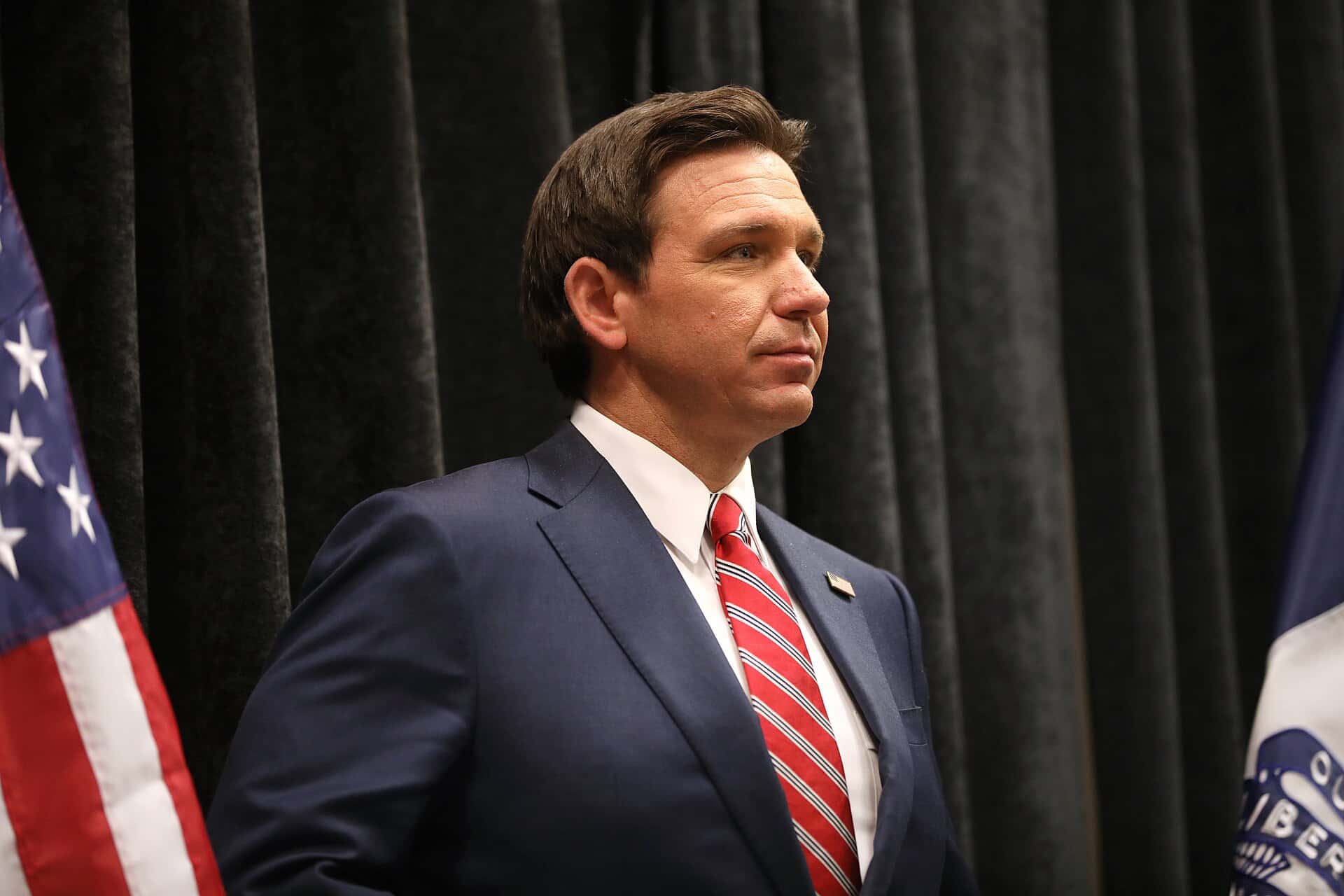
Governor Ron DeSantis has signed Florida's spending plan for the 2026-2027 fiscal year, a roughly $117.6 billion budget that took effect July 1 after the governor used his line-item veto pen to strike an estimated $1.6 billion in spending. The signing closes out a turbulent budget cycle that forced lawmakers into a special session earlier this year after the House and Senate could not reach agreement during the regular session.
The governor framed the plan as a continuation of a conservative fiscal record, pointing to reduced overall spending compared with prior years, tax relief for families, and larger reserves. Critics, including some lawmakers whose home-district projects were cut, argue the vetoes fell hardest on local priorities that had bipartisan support. Either way, the numbers now set the terms for state services, schools, and infrastructure across Florida for the next twelve months.
What the budget includes
The final package lands at about $117.6 billion, a figure that reflects the compromise reached during the special budget session after the regular session ended without a deal. Legislative leaders had distributed the spending plan to members earlier, triggering a constitutionally required 72-hour cooling-off period before final votes in each chamber.
The plan directs money to public education, teacher pay, transportation, public safety, and school safety programs, according to the governor's office. It also carries substantial environmental spending, including hundreds of millions for Everglades restoration and money for the Rural and Family Lands program, which pays for conservation easements on agricultural land to keep farmland from being developed.
State reserves are a recurring theme in the administration's messaging. Among the budget maneuvers tied to the signing was a transfer of roughly $750 million from general revenue into the Budget Stabilization Fund, the state's so-called rainy day fund. Officials have repeatedly cited a strong reserve position as a buffer against economic uncertainty and hurricane-season costs.
Breaking down the $1.6 billion in vetoes
The headline veto figure of about $1.6 billion requires some unpacking. Reporting on the signing indicates that roughly $800 million represented direct spending reductions, with the remainder tied to other budget adjustments rather than money that would otherwise have been spent. The distinction matters: the direct cuts eliminated specific appropriations, while the larger total folds in transfers and accounting moves.
Line-item vetoes are a familiar feature of Florida budgets, and this year's list again reached deep into local member projects. According to news accounts of the veto list, the governor struck funding for items ranging from financial literacy initiatives to food-insecurity programs in the Orlando area and a variety of local infrastructure and community requests scattered across the state.
For lawmakers, vetoes of hometown projects are a perennial frustration, since those appropriations are often the most tangible thing a legislator can point to for constituents. The governor's office has historically defended aggressive vetoes as a check on parochial spending and a way to protect reserves and statewide priorities.
How Florida got here
This budget was unusual in its path to passage. Lawmakers were unable to finalize a spending plan during the regular legislative session, an impasse driven in part by disagreements over tax policy and the overall size of the budget. That standoff pushed the process into a special session, where the House ultimately approved the spending plan by a wide margin.
The eleventh-hour negotiations produced several notable provisions, including compensation tied to a long-running historical injustice and significant environmental line items. The compressed timeline also meant that the cooling-off period and the governor's review ran close to the July 1 start of the new fiscal year, leaving little margin before the money had to begin flowing.
Budget years that require special sessions tend to leave residue, and this one is no exception. Members on both sides have signaled that fights over what got cut, and what should be restored next year, are likely to shape the political conversation heading into the 2026 election cycle.
What it means for Floridians
For most residents, the practical effects of the budget show up indirectly through the services the state funds. The plan's investments in teacher pay and school safety touch millions of public-school families, while transportation dollars affect road projects and congestion in fast-growing metro areas from Tampa Bay to Central Florida to the southeast coast.
The environmental spending has particular resonance in a state where water quality, the Everglades, and coastal resilience are constant concerns. Money for Everglades restoration and land conservation feeds into long-running efforts to improve water flow south, protect estuaries from harmful discharges, and slow the pace of development on rural land.
Tax relief is another piece the administration has emphasized, including sales-tax holidays that let families save on back-to-school shopping, disaster-preparedness supplies, and other purchases at set times during the year. Those holidays are among the most visible, wallet-level benefits in any Florida budget.
Reaction and the reserves debate
Supporters of the plan argue that holding down overall spending while padding reserves is prudent in an uncertain economic environment, especially with inflation still elevated and hurricane season underway. A robust rainy day fund gives the state flexibility to respond to storms and emergencies without scrambling for cash.
Opponents counter that some of the vetoed programs addressed real community needs at relatively modest cost, and that striking them to build reserves reflects misplaced priorities. The debate over financial-literacy funding and food-insecurity programs, in particular, drew attention because those items are politically sympathetic and comparatively inexpensive.
That tension, between building a large cushion and funding immediate local needs, is a defining feature of Florida budgeting under the current administration. It is likely to remain a flashpoint as legislators begin thinking about the next budget and as candidates for statewide office stake out positions.
The reserves strategy
Central to the administration's fiscal message is the emphasis on reserves, and this budget reinforces that priority through the transfer of hundreds of millions of dollars into the state's savings funds. The logic is straightforward: a state exposed to hurricanes, insurance shocks, and swings in tourism revenue benefits from a deep cushion that can absorb sudden costs without forcing tax increases or abrupt cuts to services.
The strategy has drawn praise from fiscal conservatives and ratings agencies that reward states for maintaining strong balance sheets. Critics, however, argue that stockpiling money while trimming programs shifts the burden onto the residents and local governments whose projects were cut. The tension between saving for uncertainty and spending on present needs is a defining feature of the debate, and this budget lands firmly on the side of caution.
For a state facing an unpredictable hurricane season and an uncertain national economy, the size of the reserve is more than an accounting figure. It functions as a form of insurance, giving the state flexibility to respond to emergencies and downturns. Whether that flexibility is worth the cost of forgone spending is a judgment that residents and lawmakers will continue to weigh.
Education, infrastructure, and public safety
Beyond the headline totals, the budget directs meaningful sums toward the areas that touch residents most directly. Education funding, including money for teacher pay and school safety, remains a substantial component, reflecting the political salience of schools and the ongoing effort to improve compensation for educators across the state.
Transportation and infrastructure spending is another significant piece, funding road projects and improvements that matter enormously in a fast-growing state where congestion and development strain existing systems. These investments shape daily life for commuters and influence the pace of growth in expanding metro areas.
Public safety funding rounds out the priorities, consistent with the administration's emphasis on law enforcement and security. Together, these allocations represent the practical substance of the budget, the places where abstract totals translate into services, salaries, and construction that residents can see and use.
The political fallout
Budget decisions carry political consequences, and the vetoes have set up a fresh round of maneuvering among lawmakers whose priorities were cut. Those legislators will look to restore funding in the next cycle, and the tensions over what was struck are likely to shape the relationships between the governor and the Legislature.
The budget also enters the broader political conversation as the state approaches an election that will determine the next governor, with the current officeholder term-limited. The spending decisions, the vetoes, and the emphasis on reserves all become part of the record that candidates will invoke as they stake out positions on the state's finances.
For voters, the budget offers a concrete illustration of governing priorities, from the areas that received funding to those that faced cuts. As the political season advances, the choices embedded in the spending plan will inform the debates over Florida's fiscal direction and the competing visions offered by those seeking to lead the state.
What's next
With the budget signed and in effect, agencies are now operating under the new appropriations. The immediate practical questions involve implementation: how quickly funded projects move, how school districts absorb education dollars, and how transportation money translates into construction across the state.
Politically, the vetoes have set up the next round of jockeying. Lawmakers whose projects were cut will look to restore funding in the coming year, and the broader argument over spending versus reserves will continue. With DeSantis in his final year in office because of term limits, the budget also becomes part of the record that the crowded field of candidates seeking to succeed him will be forced to run on or against.
For now, the bottom line is settled: Florida is operating on a $117.6 billion budget, roughly $1.6 billion lighter than what lawmakers sent to the governor, with reserves bolstered and a fresh set of fights already taking shape over what was left on the cutting-room floor.
Spotted an issue with this article?
Have something to say about this story?
Write a letter to the editorComments
No comments yet. Be the first to weigh in.
Related Coverage
Orange County's $9 Billion Budget Takes Effect With $1.1 Billion for Public Safety and a Bigger Sheriff's Budget
2h ago

Miami-Dade Commission Sets Oct. 6 Hearing on Plan to Eliminate 12 Metrobus Routes
5h ago

Jacksonville's $2 Billion Budget Takes Effect With Record Public Safety Spending and Restored Housing Fund
6h ago
Florida's Voter Registration Deadline Is Monday as Democrats Edge GOP in September Sign-Ups
9h ago