DeSantis Signs FIRE Act Restricting Foreign Influence From Cuba, China, Iran and Russia in Florida
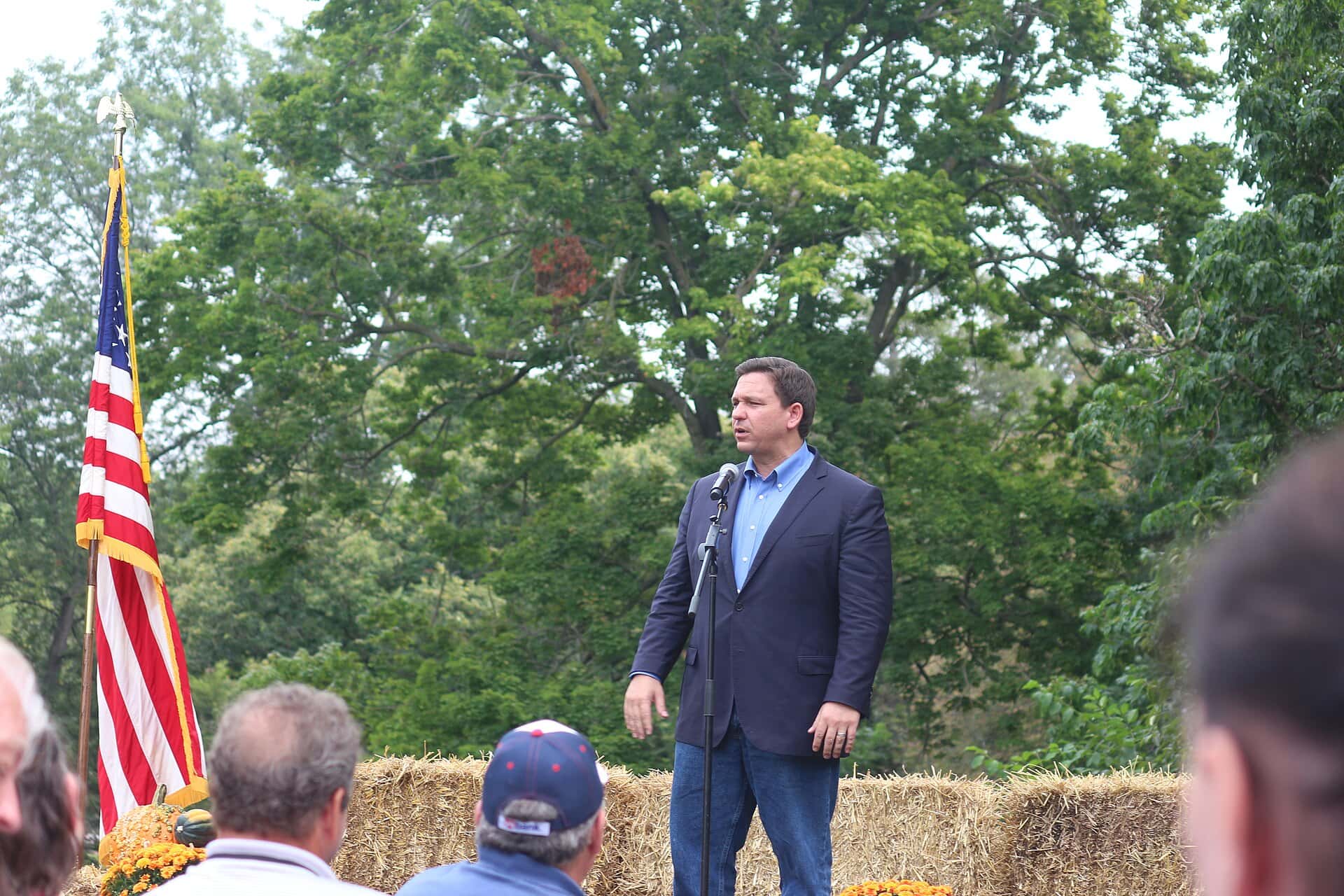
Governor Ron DeSantis signed HB 905, the Foreign Interference Restriction and Enforcement Act, on May 8, expanding Florida's legal framework for protecting state government, public institutions, and critical infrastructure from hostile foreign influence. The legislation targets what it designates as foreign countries of concern, a list that includes China, Russia, Iran, Cuba, North Korea, and Venezuela, and imposes new restrictions on agreements, education funding, adoption and surrogacy arrangements, and financial relationships involving those nations.
The signing ceremony was held at the Bay of Pigs Museum in Miami, a setting chosen to underscore the legislation's relevance to Florida's large Cuban-American community and to broader concerns about authoritarian regime influence in the Americas. DeSantis framed the law as a necessary update to Florida's existing foreign influence statutes, arguing that the scale and sophistication of foreign adversary operations targeting the United States had evolved significantly beyond what earlier laws were designed to address.
The law takes effect July 1, 2026, and creates new enforcement mechanisms that state agencies and law enforcement can deploy against individuals, organizations, and entities that violate the statute's provisions. Penalties for violations range from civil fines to criminal charges depending on the nature and severity of the prohibited conduct, and the law establishes a reporting process for state contractors and agencies that discover potential violations.
Key Provisions of the FIRE Act
The legislation's broadest impact is on agreements and partnerships between Florida government agencies, universities, schools, and businesses on one side, and entities connected to the designated foreign countries of concern on the other. The law prohibits state agencies from entering into agreements with entities that are owned, controlled, or substantially influenced by foreign countries of concern, extending restrictions that previously applied primarily to state university research partnerships.
The law also bans the use of state school voucher funds at educational institutions that promote the interests of, or maintain organizational affiliations with, foreign terrorist organizations. This provision was aimed at ensuring that Florida's school choice funding programs, which direct significant public dollars to private and charter schools, cannot benefit institutions that have ties to groups designated as terrorist organizations by the federal government or under the new state designation system established by the legislation.
A separate provision bars the state of Florida from giving money to or receiving money from any organization designated as a terrorist group, and establishes a formal process by which the governor can designate domestic and foreign groups as terrorist organizations for purposes of state law. That designation authority goes beyond the existing federal designation list, giving Florida an independent legal tool to restrict dealings with organizations it determines to pose a security threat even before federal agencies have acted.
Which Countries Are Classified as Countries of Concern
The law's definition of foreign countries of concern encompasses China, Russia, Iran, Cuba, North Korea, Venezuela, and Syria. This list broadly mirrors the federal government's designation of foreign adversaries under statutes including the Export Control Reform Act, with the addition of Cuba and Venezuela, which are not always included in comparable federal designations but hold particular significance for Florida given the state's large diaspora communities from those countries.
China receives the most extensive treatment in the legislation, reflecting broader national concerns about Chinese Communist Party influence operations targeting American universities, research institutions, technology companies, and government agencies. The law builds on Florida's 2021 bill that banned Chinese military companies from purchasing Florida land near military bases and sensitive infrastructure, extending that protective framework to a wider range of institutional relationships.
Cuba's inclusion resonates deeply in South Florida, where more than one million Cuban-Americans and their descendants maintain strong cultural and political engagement with the question of the Castro-era government's legacy and continued authoritarian rule. Florida's Cuban-American community has been among the most politically active in the country on questions of U.S.-Cuba relations, and the legislation reflects the broadly shared view within that community that the Cuban government remains a hostile foreign actor despite decades of distance from the original Bay of Pigs generation.
Impact on Florida's Education System
The education-related provisions of the FIRE Act have drawn significant attention from university administrators and legal scholars who are working to understand how the law applies to their institutions. Florida's public universities and colleges maintain research partnerships, international student programs, and academic exchange arrangements with institutions in dozens of countries, and the law's broad prohibitions on relationships with entities connected to countries of concern will require careful compliance review.
The prohibition on school voucher funds going to institutions affiliated with foreign terrorist organizations is not expected to affect the vast majority of Florida's private school voucher recipients, given that the existing regulatory framework already screens for obvious red flags. However, the new law creates a formal legal basis for the state to deny or revoke voucher eligibility from schools that are subsequently found to have prohibited affiliations, a tool that state officials argue will strengthen accountability in the school choice system.
Florida's public K-12 school districts are also subject to the law's provisions regarding contracts and agreements with entities connected to countries of concern. Districts that use Chinese-developed educational technology platforms, purchase curriculum materials with connections to countries on the concern list, or enter into sister-school exchange programs with institutions in those countries will need to review those arrangements for compliance before the July 1 effective date.
Adoption and Surrogacy Restrictions
One of the law's most specific provisions prohibits adoption and surrogacy arrangements in which any party to the contract is a citizen or resident of a foreign country of concern. This provision targets what advocates describe as the use of Florida's surrogacy and adoption infrastructure by nationals of authoritarian states, either as a mechanism for obtaining citizenship documents for children or as a way for wealthy nationals of sanctioned countries to establish Florida family ties with potential legal benefits.
Adoption advocates and immigration attorneys have noted that the practical impact of this provision will depend heavily on how Florida courts and administrative agencies interpret the phrase any party to the contract and what procedures are established for verifying the citizenship and residency status of participants in adoption and surrogacy arrangements. Legal challenges to this provision are possible on constitutional grounds related to equal protection and the right to family formation, though state officials have expressed confidence that the law's national security rationale will withstand judicial scrutiny.
Florida has emerged in recent years as a major state for gestational surrogacy arrangements, with a well-developed legal and medical infrastructure supporting international clients. The restriction on clients from countries of concern will affect a segment of that market, though the precise scope of the impact will only become clear as the law is implemented and legal interpretations are established through administrative guidance and, potentially, court decisions.
Reaction From Civil Liberties and Legal Groups
Several civil liberties organizations and legal advocacy groups expressed concern about the breadth of the FIRE Act's provisions in the weeks following its signing. Critics argued that the law's restrictions on relationships with entities connected to countries of concern are broad enough to sweep in activities that pose no genuine security risk, including academic conferences, cultural exchanges, and business transactions that are entirely legal under federal law.
The American Civil Liberties Union of Florida, which has challenged several DeSantis-era laws on constitutional grounds in recent years, indicated that it was reviewing the FIRE Act's provisions for potential legal challenges. Scholars of constitutional law noted that the law's restrictions on who may participate in adoption and surrogacy arrangements and on what organizations may receive state education funds raise First Amendment, equal protection, and due process questions that could generate litigation once the statute is in effect.
Supporters of the legislation, including several members of the Florida Legislature who championed the bill, argued that the law represents a responsible exercise of state authority to protect Florida's institutions from documented foreign interference tactics. They pointed to specific incidents of Chinese-linked influence operations at Florida universities, as well as broader reporting on Iranian, Russian, and Cuban intelligence activities targeting diaspora communities in Florida, as evidence that the threats the law addresses are real and consequential.
The Cuban-American Community Context
The signing ceremony's location at the Bay of Pigs Museum, which honors the veterans of the 1961 U.S.-backed invasion of Cuba, was a deliberate signal to one of Florida's most politically influential communities. Cuba's designation as a foreign country of concern under the new law carries symbolic weight for Cuban-Americans who have spent decades advocating for a harder U.S. line against the Castro regime and its successor government.
Florida's Cuban-American political establishment, concentrated particularly in Miami-Dade County, has been a consistent supporter of laws restricting Cuban government influence in the United States. The community's experience with the tactics of authoritarian surveillance and influence operations, informed by firsthand family histories of political repression and exile, lends particular credibility to its perspective that formal legal restrictions on Cuban government-connected entities serve a genuine protective purpose.
What's Next
With a July 1 effective date, state agencies, school districts, universities, and other covered institutions have approximately seven weeks from the signing to come into compliance with the new law's requirements. The governor's office has indicated that implementing guidance will be issued by relevant state agencies before the effective date, and that a compliance hotline or reporting process will be made available for organizations seeking clarity on whether specific arrangements fall within the law's prohibitions.
Legal challenges, if they materialize, would likely be filed before or shortly after the July 1 date, potentially seeking injunctive relief that could delay implementation of the most contested provisions while courts consider their constitutionality. The DeSantis administration has experience defending aggressive legislative initiatives in the courts and has typically moved quickly to defend challenged laws through the Florida Attorney General's office. The FIRE Act's national security framing may provide a stronger constitutional foundation than some of the governor's earlier culture-war legislation, but the breadth of its provisions ensures that legal scrutiny will be significant.
Spotted an issue with this article?
Have something to say about this story?
Write us a letterComments
No comments yet. Be the first to weigh in.
Related Coverage

Miami shuts enclosed park slides after 13-year-old dies following Shenandoah Park incident
1d ago
Appeals Court Orders Hope Florida Grand Jury Report Expunged, Rules $10 Million Was Never Public Money
2d ago

Jacksonville Council Committees Clear $30 Million Gas Tax Loan to Rescue JTA Ahead of Oct. 13 Final Vote
2d ago
Florida Supreme Court Suspends Pinellas-Pasco Judge Jennifer Cruz Dubbeld 20 Days Over 2024 Campaign Misconduct
2d ago